JPY
JPY


Welcome Back to My ShellsWorld Work Station
Aloha everyone. If you’re new to my blog, welcome to my ShellsWorld. I’m very happy you’re here.
For those who have been visiting my ShellsHawaii blog for a while, welcome back to my little work station. There is always something happening on this table — shells being sorted, ideas forming, and sometimes a few challenges along the way.
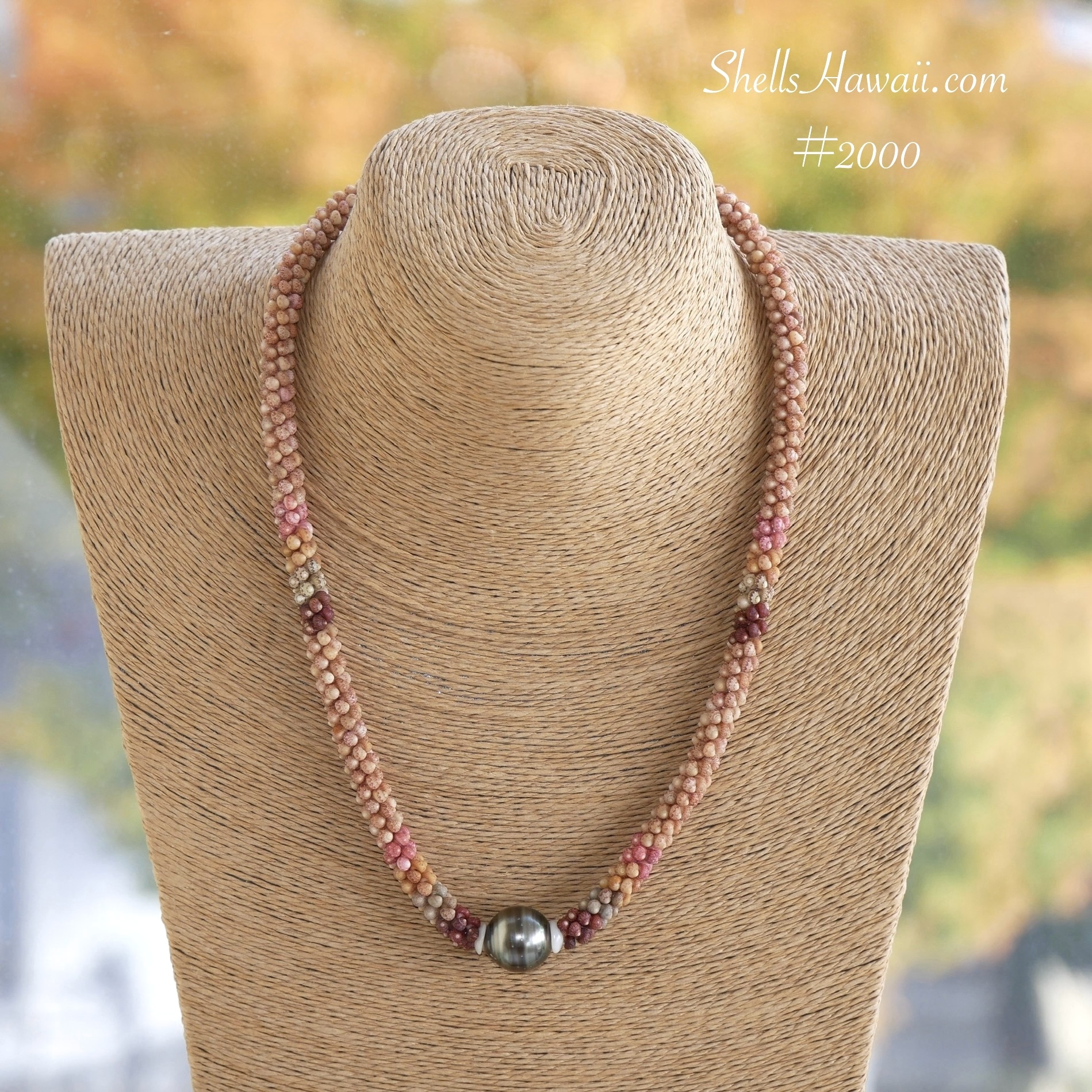
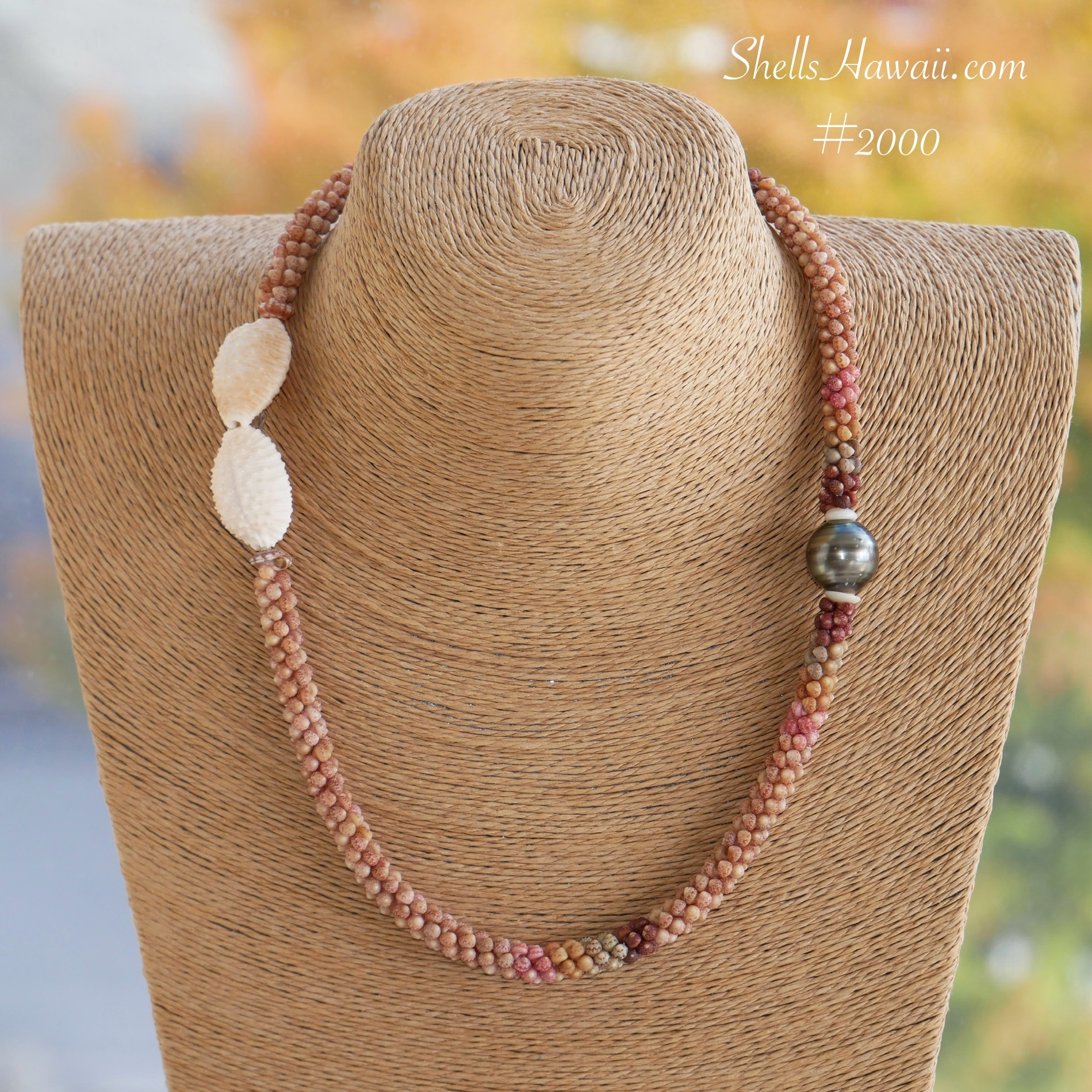
Today I’d like to share the story behind one of my favorite creations — a two-strand Poepoe lei made with Kahelelani shells.
When Your Fingers Finally Ask for a Break
Today my fingers finally asked for a break.
They were red and tender from poking Kahelelani shells from Niʻihau. These shells are tiny and delicate, and preparing them takes patience. After hours of work the skin on my fingertips began to crack, no matter how much lotion I used.
Moments like this are part of creating Niʻihau shell jewelry. When my hands feel this way, I usually pause for a while and look through my other shell boxes. That day I reached for my Kauaʻi shells. Kauaʻi shells are often a little more forgiving when it comes to poking. They don’t resist the needle the way Niʻihau shells sometimes do, and that gentleness feels like a small gift when your hands need rest.
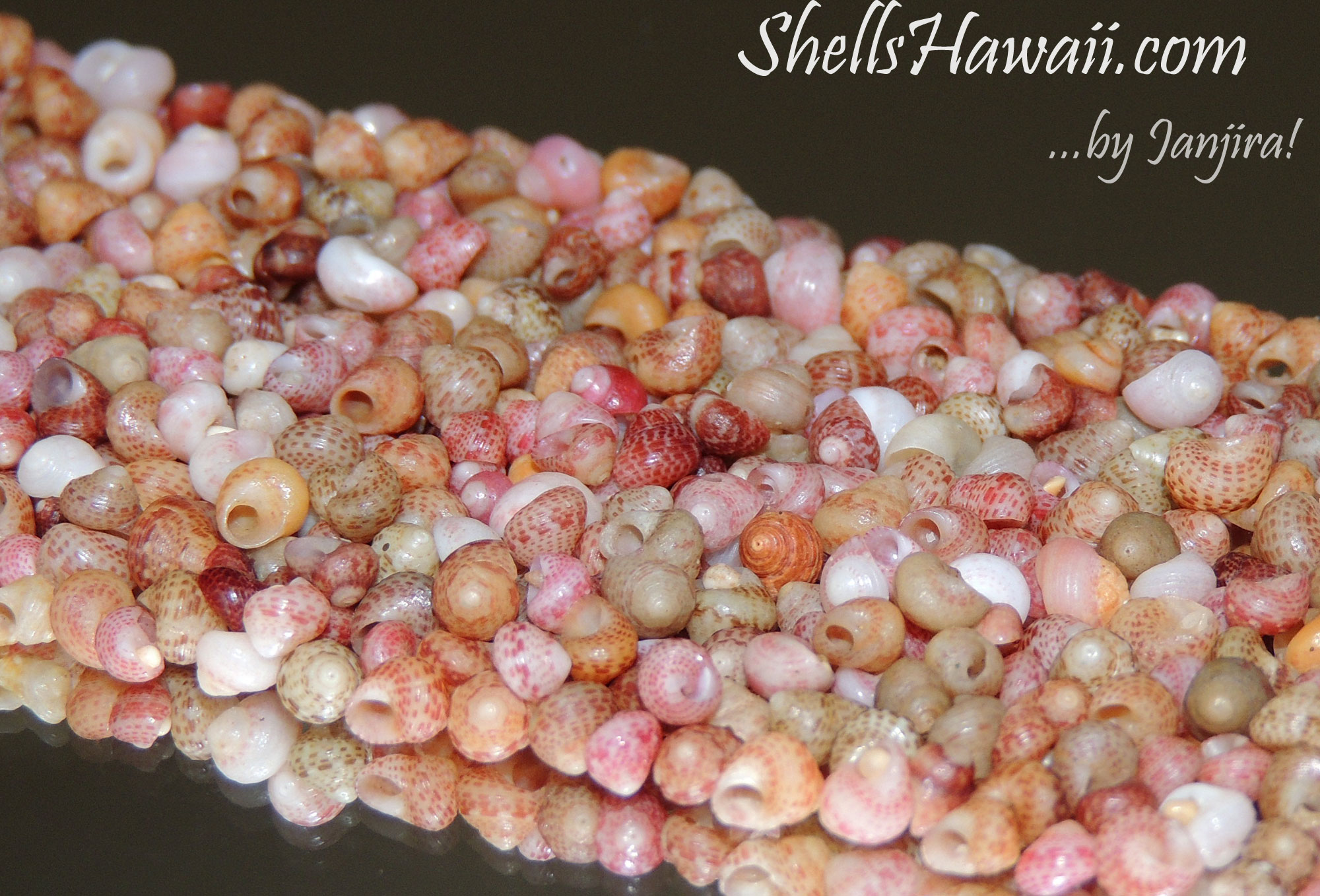
Many of these shells come from quiet Kauaʻi beaches where the ocean still leaves behind small treasures. If you have ever walked along a Kauaʻi beach during a Hawaii trip, you may understand the feeling — looking down and noticing something small and beautiful the sea has left behind.
Their colors may not always be as vibrant as shells from Niʻihau, but they carry their own quiet charm. Holding them in my hand always reminds me why I fell in love with Hawaiian shell jewelry in the first place. And before long, the ideas begin again.
Beginning a New Creation
On this day I decided to begin a new two-strand Poepoe shell lei.
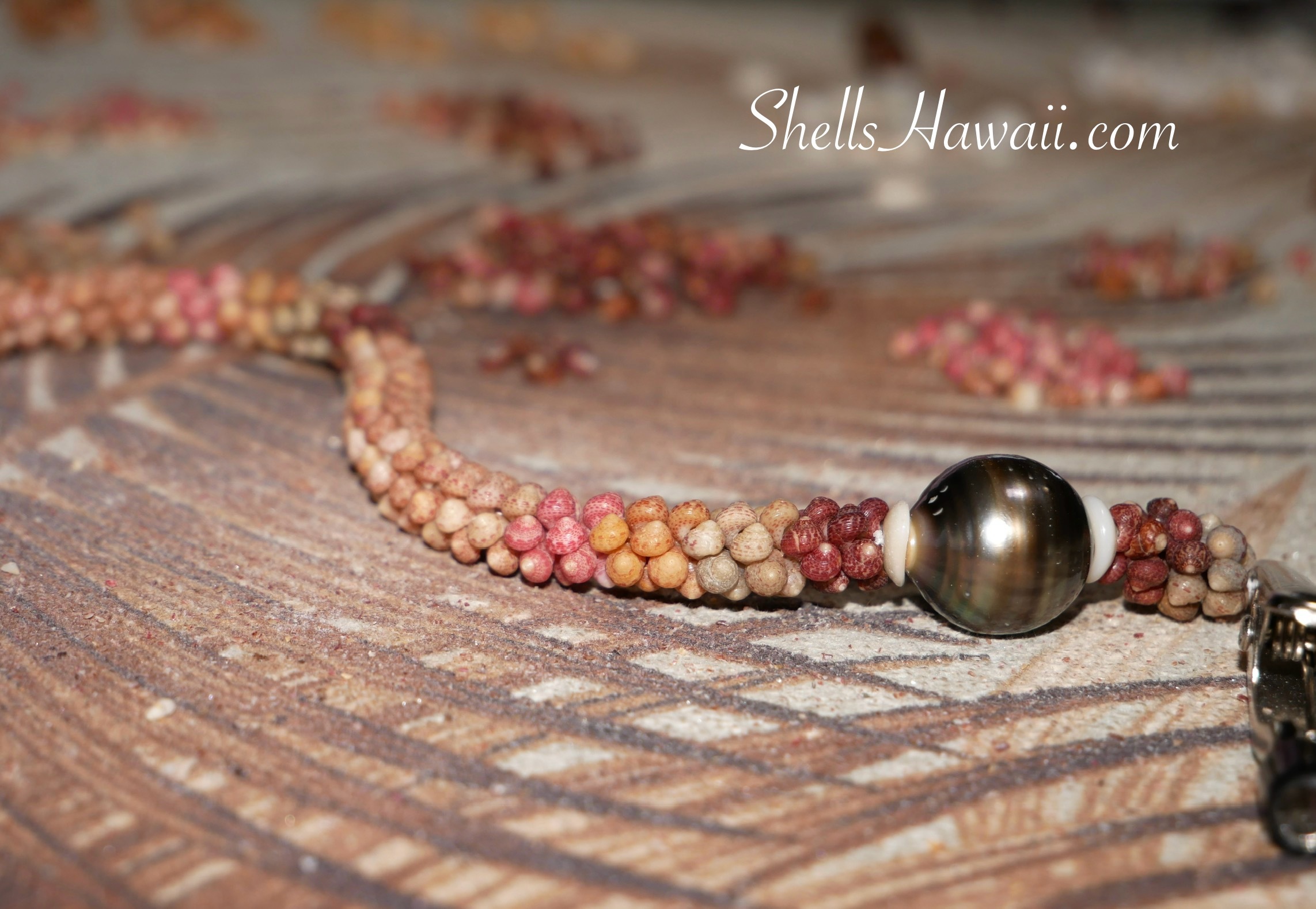
This design has always been popular with my customers, and with the holiday season approaching it felt like the perfect time to create another one. For this piece I chose large size-15 Kahelelani shells with a Tahitian pearl placed at the center. The pearl rests quietly in the middle while the Kahelelani shells slowly twist around it.
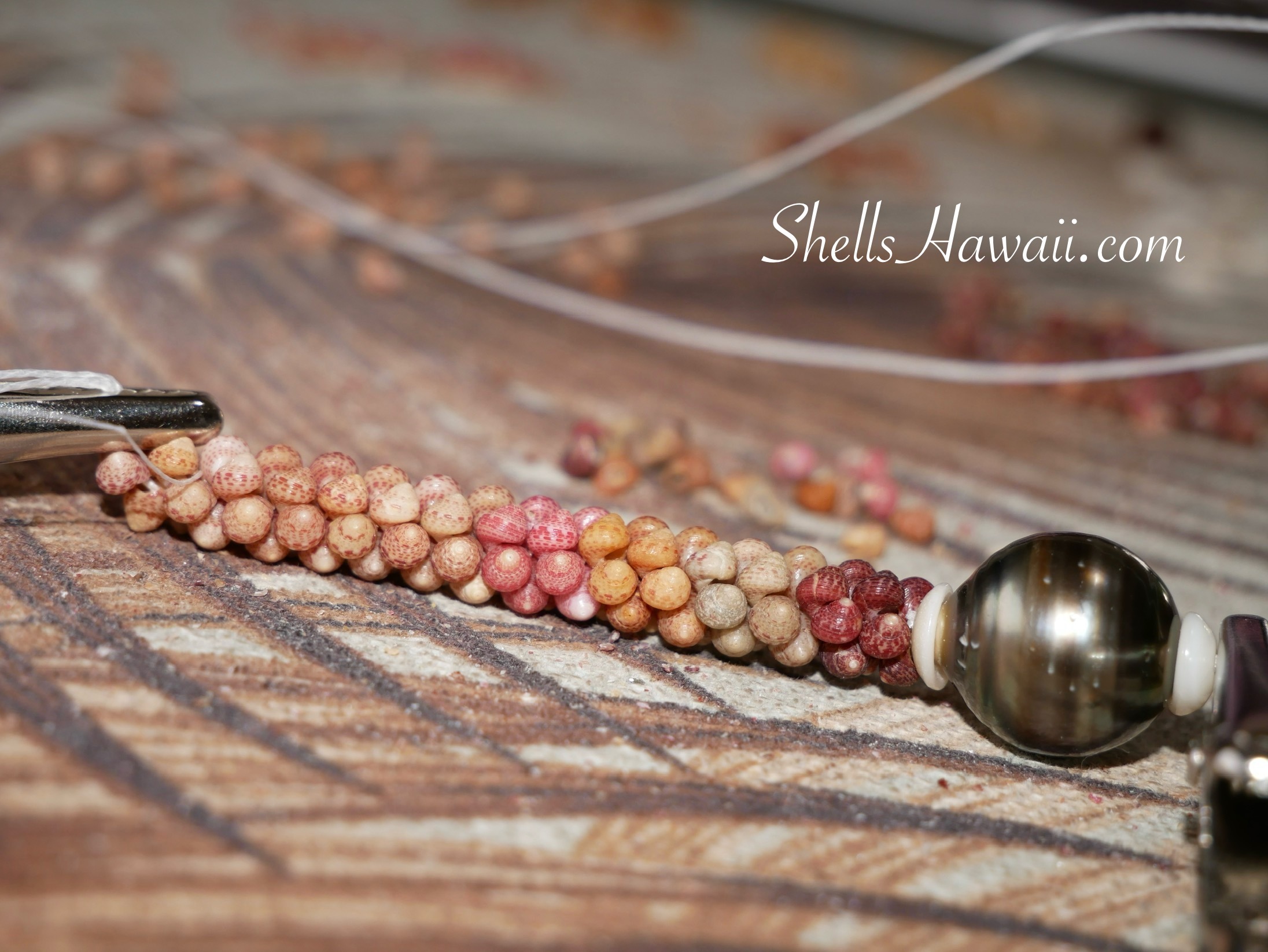
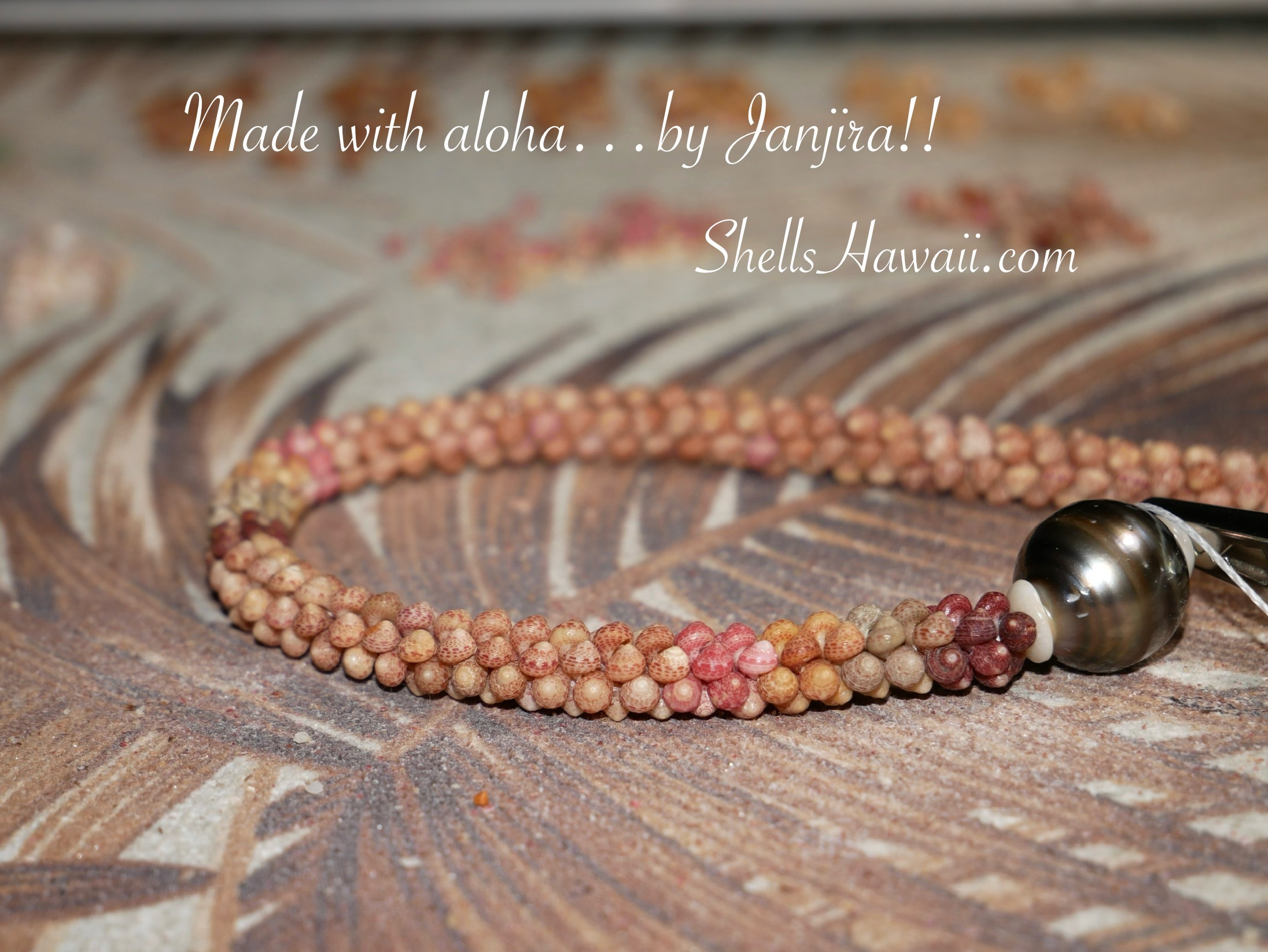
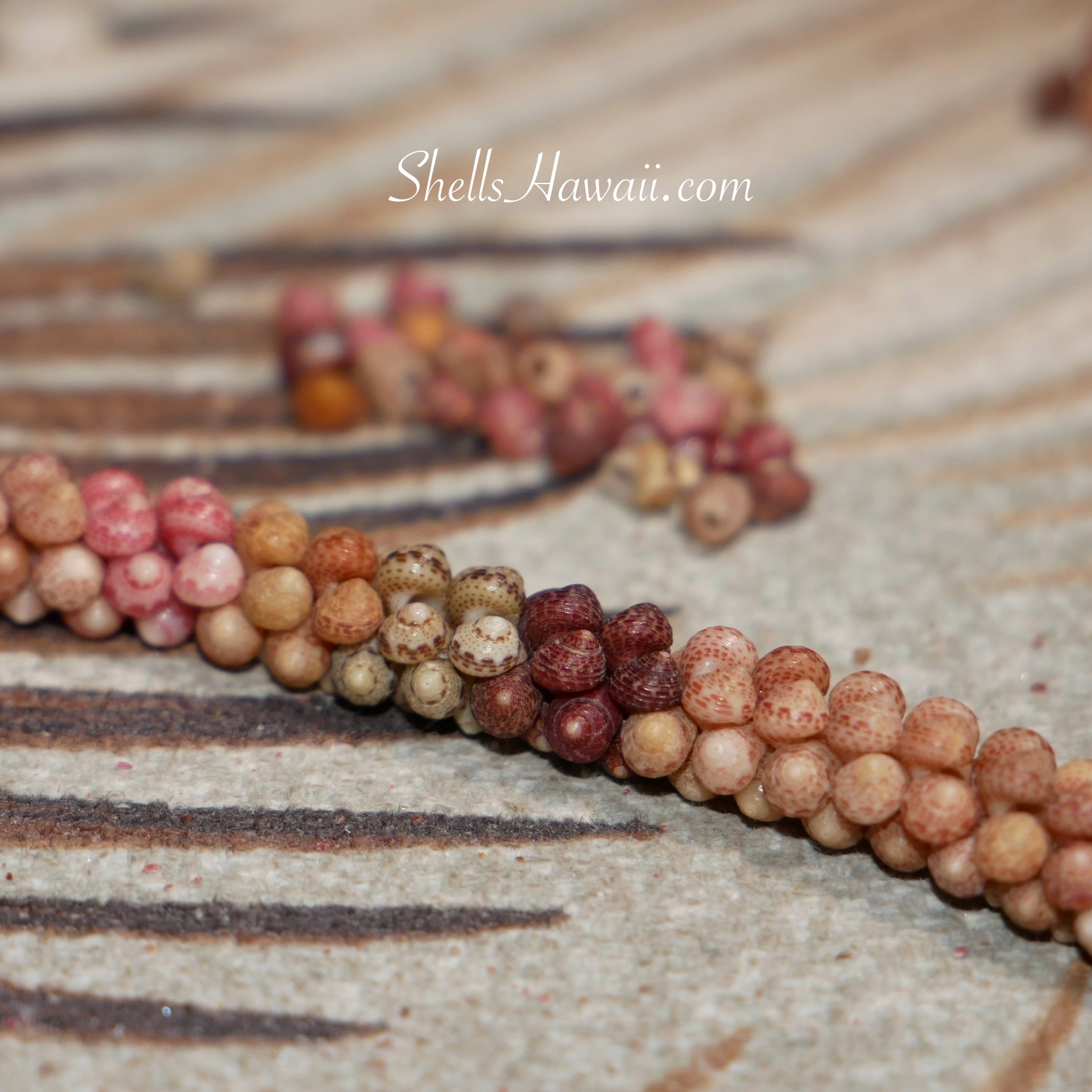
Large Kahelelani shells are rare. It takes years in the ocean for these tiny shells to grow to this size while surviving waves, rocks, and predators. Many never reach that stage. When I find shells like these in good condition, they feel like small treasures from the sea.
Working with larger shells also brings its own challenges. Matching color, balancing shape, and keeping the tension of the thread even all require patience. Every inch of the process asks for steady focus.
When the Lei Pushes Back
One challenge with a two-strand Poepoe lei is the length of the thread.
Each shell must travel along the entire string to reach the working end, and every pass slowly softens the thread. Once half the lei is finished, the completed section begins to twist while you work on the other side.
The finished portion becomes part of your workspace, so every movement has to stay gentle. Sometimes a single shell can cause the entire row to shift. When that happens the only solution is to remove it and replace it. These small adjustments happen quietly during the process, but they are what allow the final lei to look balanced and natural.
Lessons from the Poepoe Style
Over the years I’ve learned that how you begin the work makes a big difference.
Some people add many shells onto the string first and then start tying. In my experience that often makes the process harder because the shells move around and tangle. I prefer to line the shells up on the table and add them one at a time as I work. It keeps the rhythm steady and the twist clean.
For beginners, the two-strand Poepoe style requires careful attention. The shells must be free of cracks, and the sizes within each section need to match closely. Even a small difference can create gaps in the twist. Having extra shells nearby always helps. If something feels slightly off, it’s better to replace it immediately.
The Second Half
The second half of a lei is often the most challenging part. The first half is already finished, and now it must stay safe while the other side is created. Every section has to match the number of shells and rows exactly.
Counting Kahelelani shells takes patience. They are much smaller than Momi shells, so the rows are harder to see while twisting. Sometimes a shell breaks, and when that happens the counting must begin again. This kind of work quietly teaches patience.
The Final Stretch
After working through a few difficult sections, the rhythm slowly returned.
The shells began twisting smoothly again and the tension of the thread felt balanced. When the pattern finally settles into place, the earlier frustrations disappear. When I reached the end of the string, both halves of the lei came together beautifully.

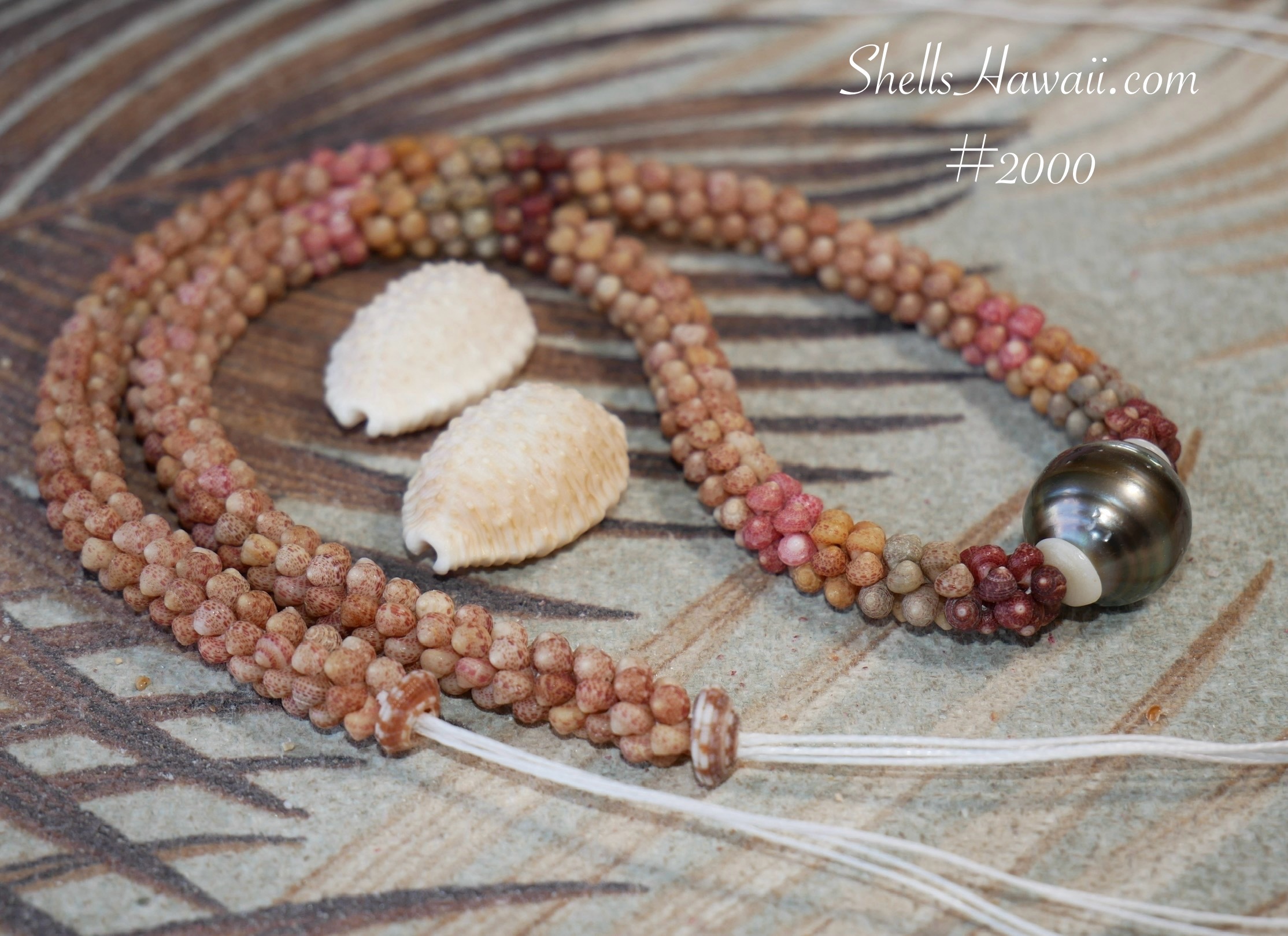
Before finishing, I always step away for a while and look at the piece again with fresh eyes. Only after checking the balance several times do I add the clasp.
This piece became Lei #2000 in my Poepoe journey. Every lei carries its own story, and this one holds many hours of patience, adjustments, and quiet determination. If this lei eventually finds a new home, I hope the person who wears it can feel a little of that journey.
Thank you for visiting my ShellsHawaii blog and sharing this moment from my work table.
With aloha,
Janjira