 USD
USD


Aloha Everyone, Welcome to My Workstation Today
Today, I am still working on rebuilding my inventory. I’m working with Momi shells today, and I thought this would be a fun topic to share as I work with this particular set of shells. As I’ve mentioned in my other blogs about Momi shell color, shape, and size, Momi shells come in many colorful shades. Some colors immediately jump out at you. But after all those colors that catch your eye, there’s always another group that doesn’t really fit in with the rest.
I call that color off-white.
Not because it’s official — it’s just the best way I know how to describe it.
Off-White Momi Shells — Is That Even a Color?
And the answer is no, not really.
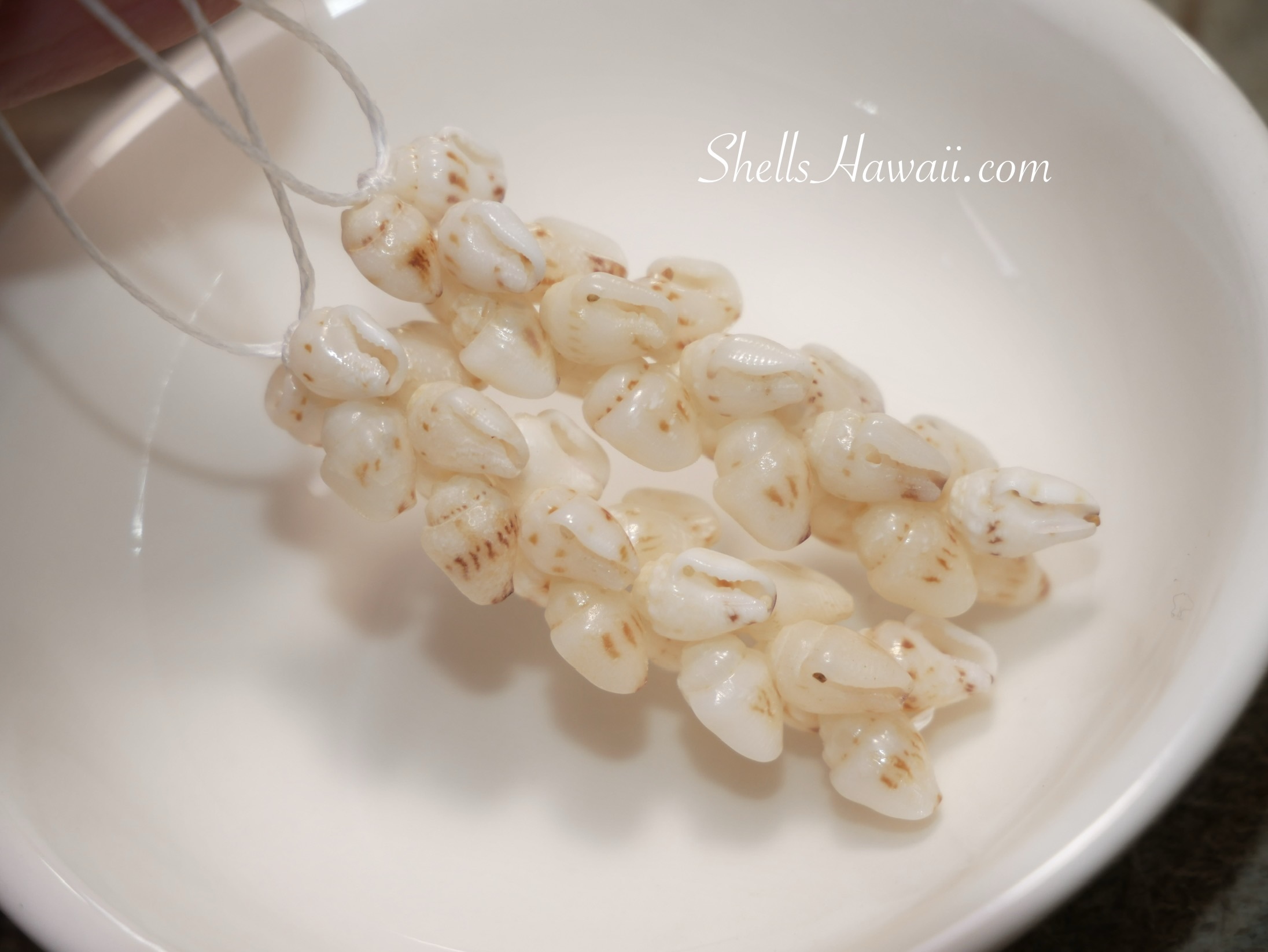
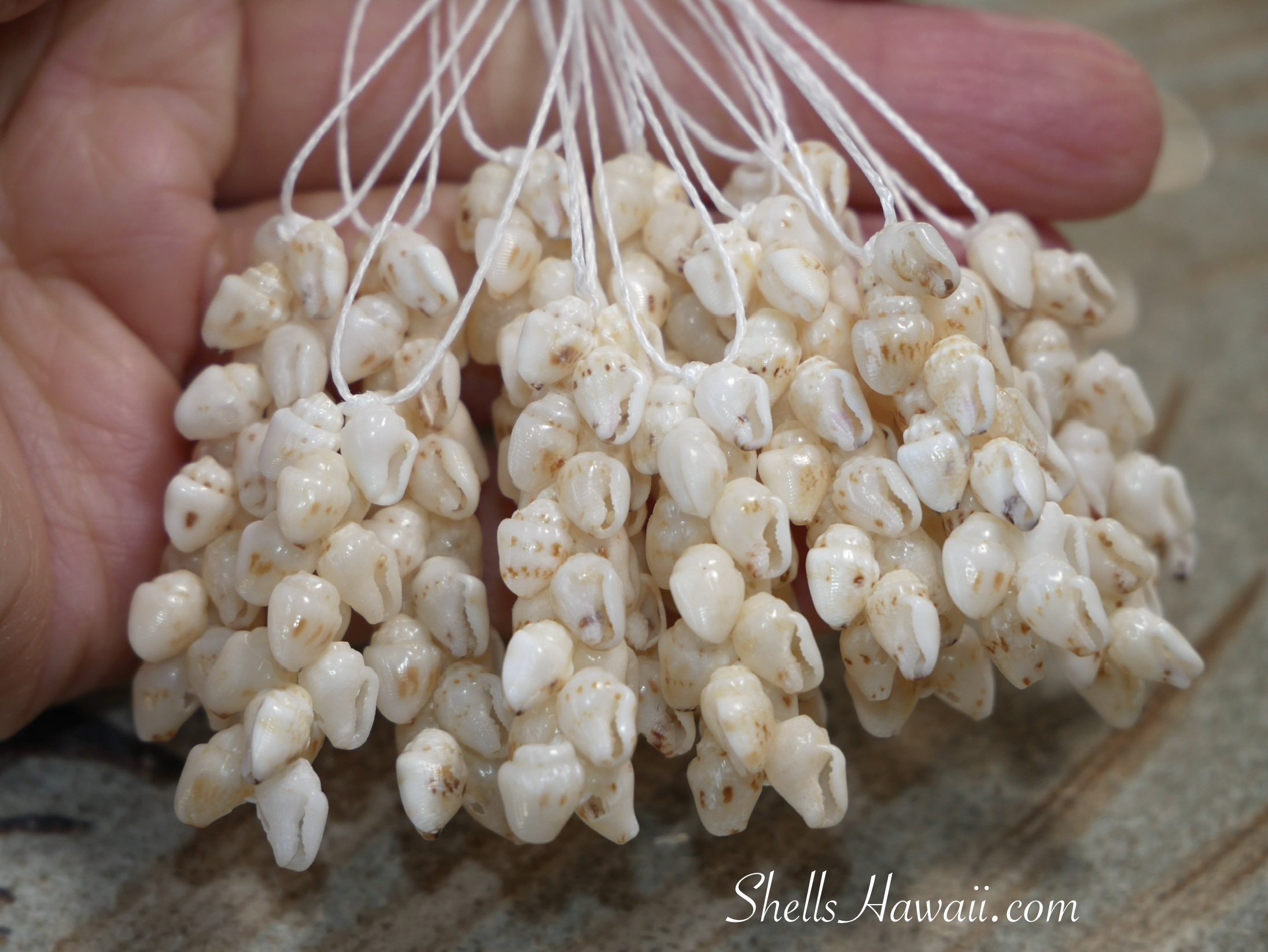
“Off-white” isn’t an official color name in the Momi shell world, but it’s a helpful way to describe this group of shells. They are not white-white. Instead, they carry a soft cream base, sometimes with warm caramel tones, gentle shadows, or a light milky translucence that changes depending on the light.
This blog is a small practice in learning to see shell color — slowing down and noticing what you see at first glance, and then what reveals itself the longer you look. In Niʻihau shell jewelry, color isn’t always bold or obvious. Sometimes it shows up quietly.
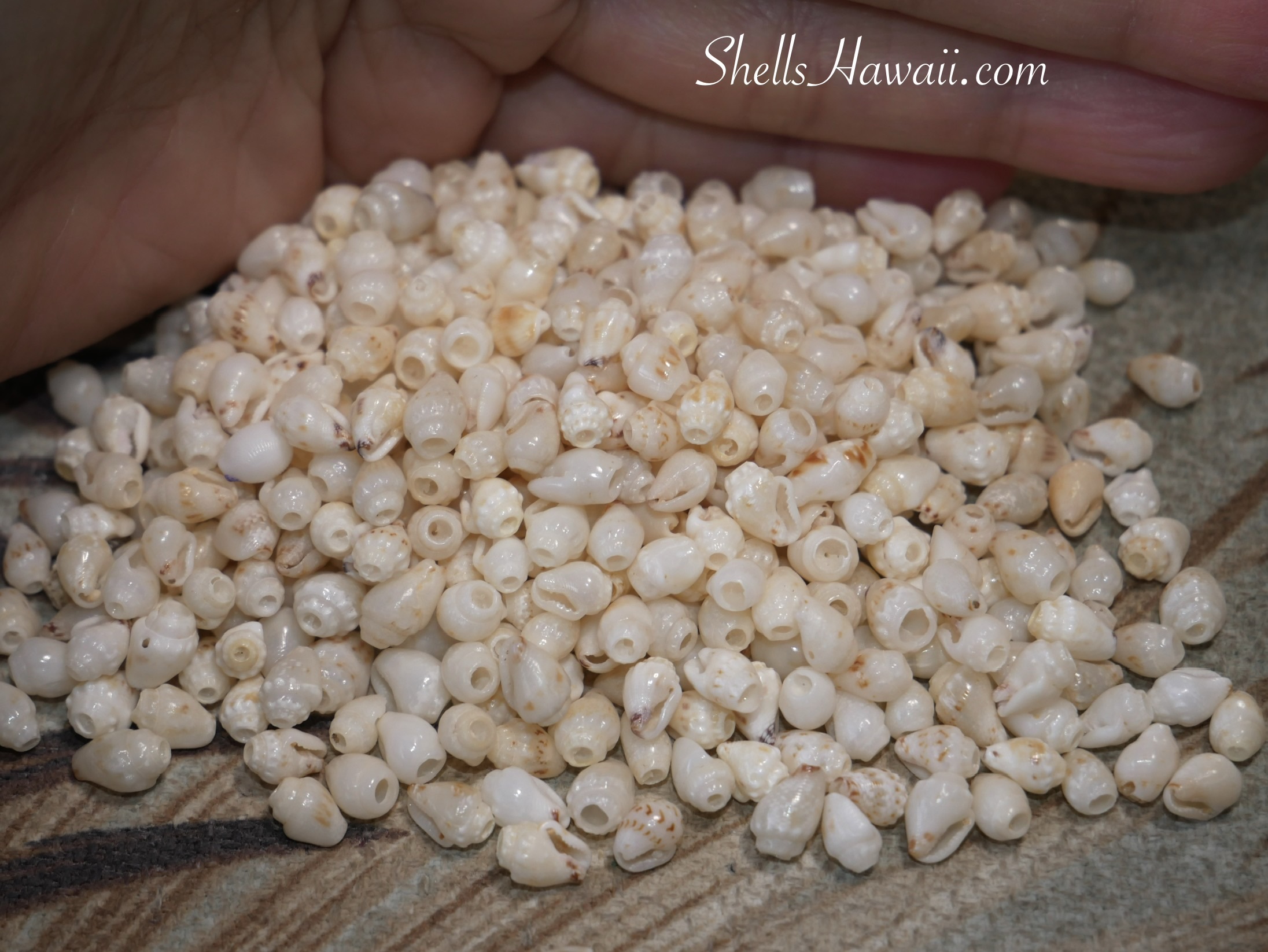
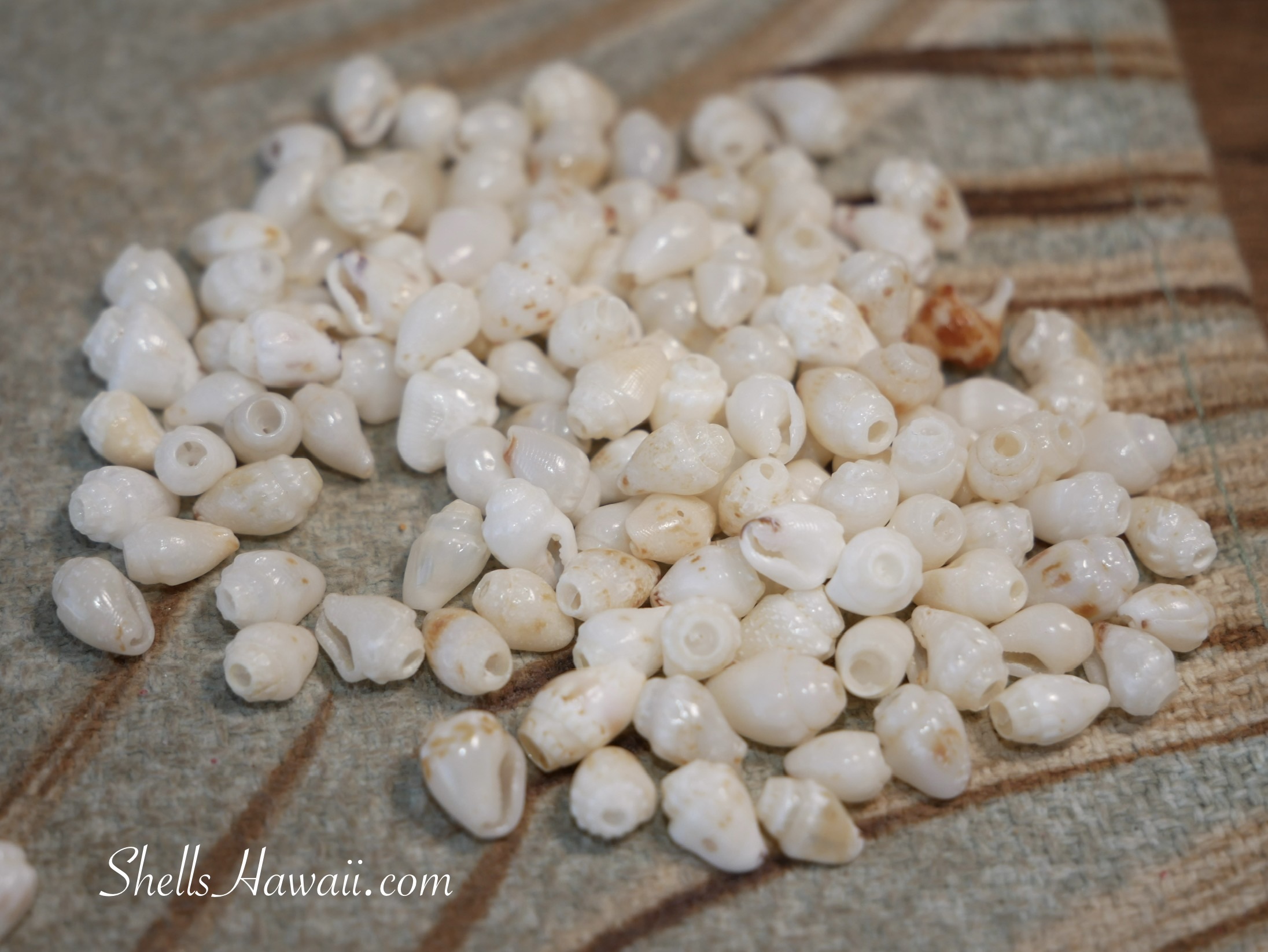
How Many Colors Do You See in This Pile?
Before we all move any further, let’s pause for a moment. I want you to ask yourself how many shades of color and patterns you see here. At first glance, you might be thinking you don’t really see much color in this set — maybe you’re even wondering what Janjira is talking about.
It all comes down to how detailed you are with your creation. Even with these tiny shells, there is always something slightly different. Now you just have to take the time to identify them.
Now That You’ve Looked Closer, Let’s Start Sorting
After taking that moment to really look, this is where the sorting begins.
I don’t rush this part. Before I separate anything, I let my eyes do the work first. I start noticing which shells feel similar, which ones naturally belong together, and which ones quietly stand apart. This step isn’t about perfection — it’s about awareness.
Some shells share the same soft cream tone. Others feel slightly warmer, carrying hints of caramel. As I keep looking, I may even notice touches of light yellow or light blue — colors so subtle you almost miss them at first. After working with many shells that appear very close in color, you begin to see that there is always a difference, no matter how small.
When a group of shells doesn’t quite fit into the traditional Hawaiian color categories, I personally describe them as off-white. This isn’t an official name — it’s simply the best way I know how to describe them. If I notice any other subtle tint within this group, I’ll always mention that too in the listing details. This is just my way of giving these shells a name so I can explain what I’m seeing more clearly and make it easier for my customers to understand.
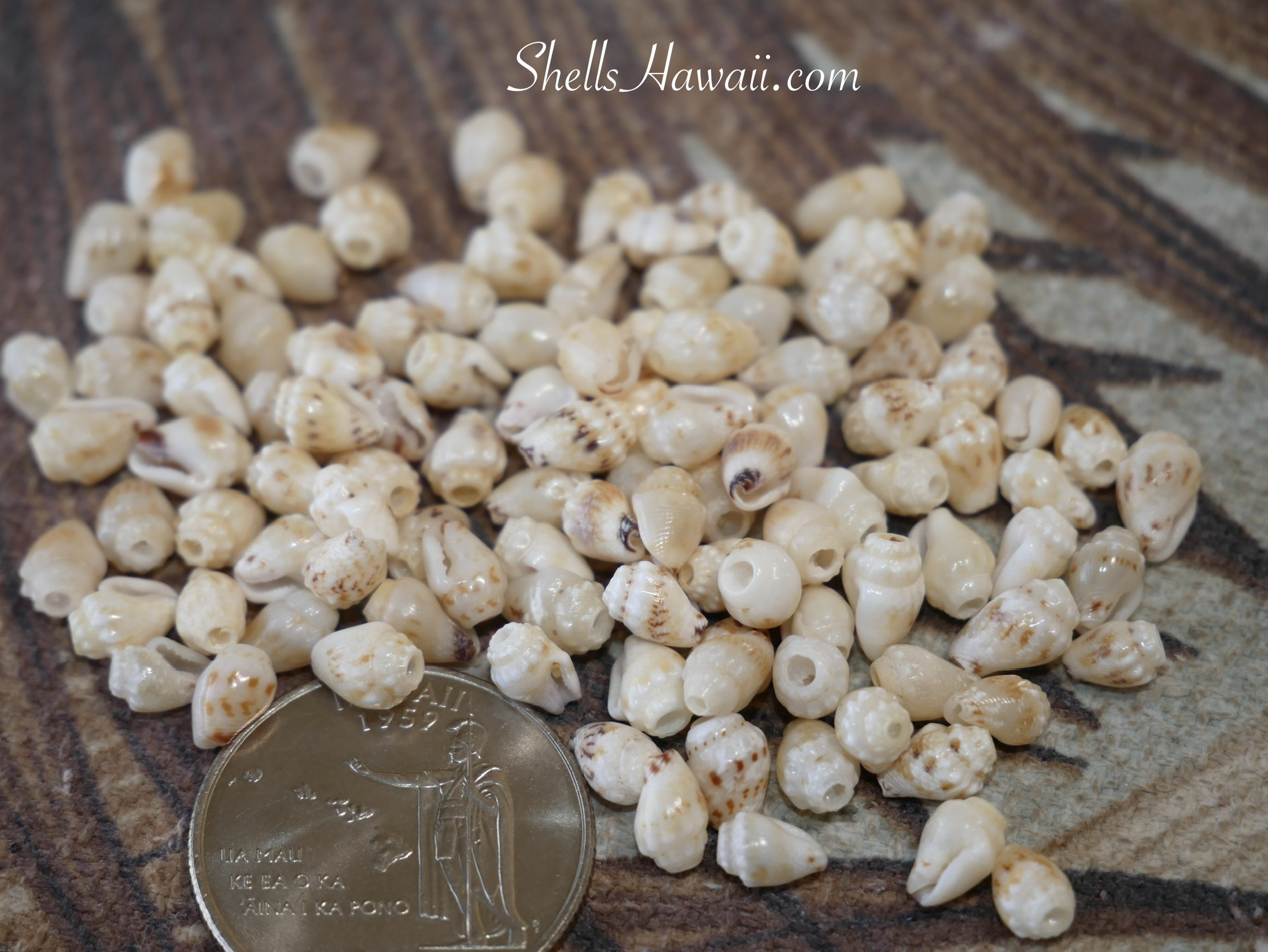
As you look closer, the patterns begin to show themselves. Some shells have tiny freckle-like spots lightly scattered across the surface. Others show soft vertical streaks or faint brush-like marks that run gently along the shell. A few carry uneven speckling, where the pattern feels organic and naturally placed rather than symmetrical. No two shells carry the exact same markings.
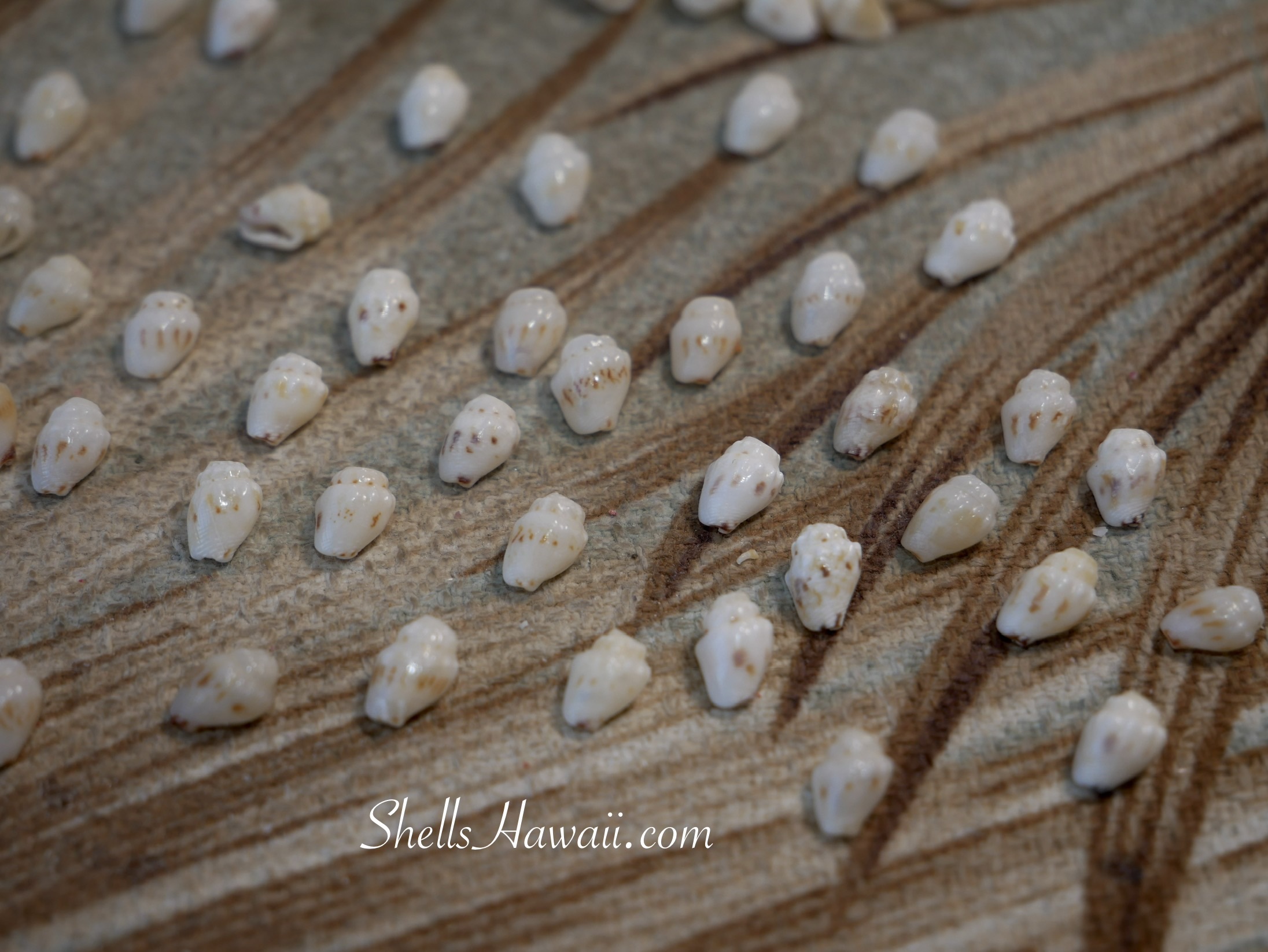
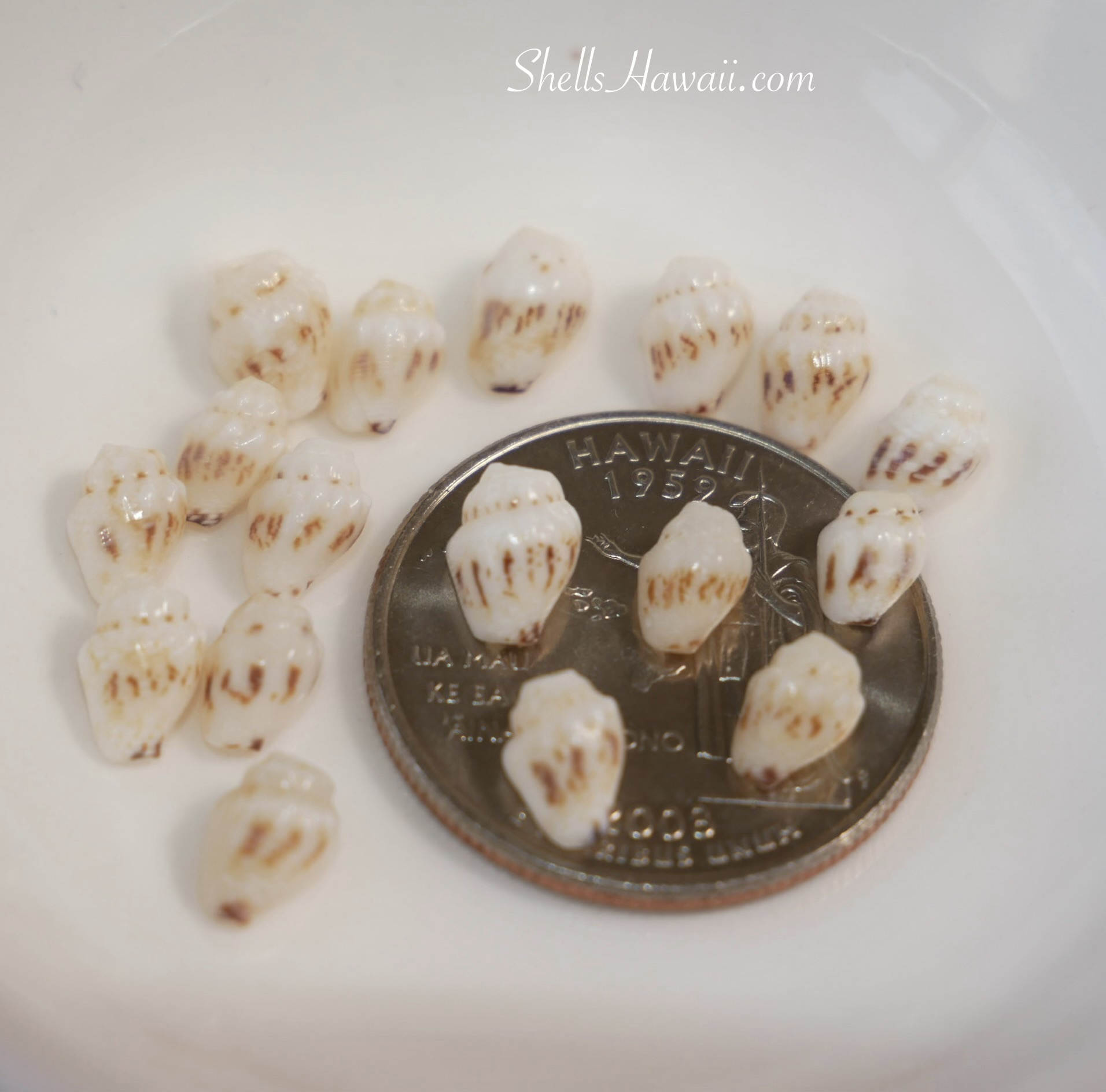
As I sort, I begin forming small groups — not because the shells are identical, but because they work well together. This is how a pile of shells slowly turns into a plan. This is the color I’ll be using for my Pikake design today, simply because I can find enough shells in this pile that work beautifully together.
Here are a few of the piles I’ve started separating from that original group. When you see them side by side, the differences become a little easier to notice. Some shells carry a soft blue tint, others lean toward a light yellow tone, and a few appear whiter — closer to a clean, pale shade compared to the rest.
On their own, these differences can feel very subtle. But once they’re placed next to each other, the contrast starts to show. This is why I like to separate shells this way before moving forward. It helps me see which group feels right for the design I have in mind and which shells naturally work best together.
Next… what else do you see?
At this point, you might feel a little unsure of what to look for next — and that’s completely normal. There’s a lot happening in these tiny Momi shells. It can feel like a lot at first, but this is also where it becomes fun.
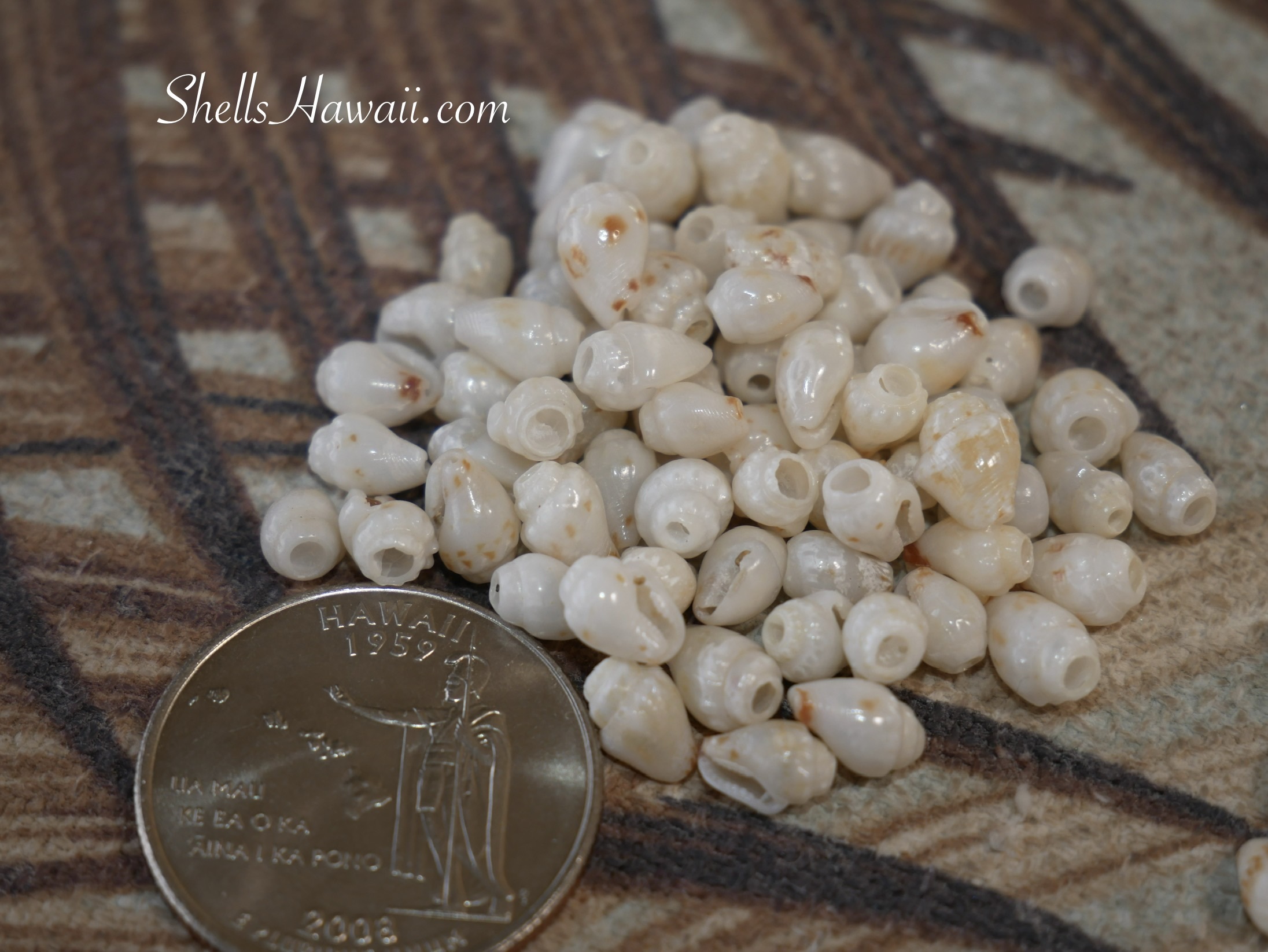
So, the next thing to notice is the color around the momi shell mouth (waha).
Some shells have no color there at all, staying clean and pale. Others show touches of red-brown, and a few carry darker markings that almost look black. Even when the shell body looks very similar, the waha can add warmth, contrast, or stay completely neutral. It’s another quiet detail that helps guide how the shells come together in a Pikake design.
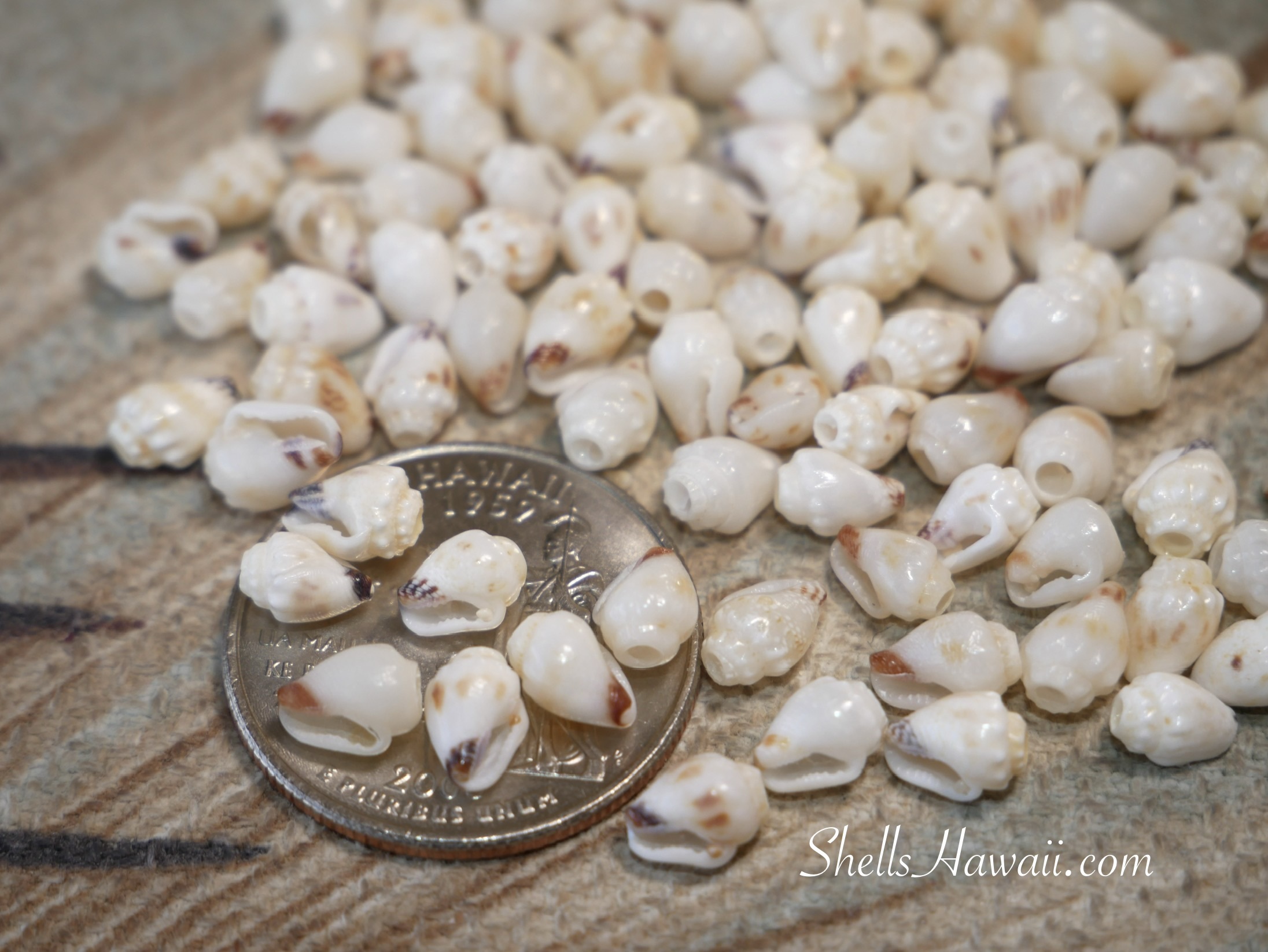
✨ In a future blog, I’ll be sharing more about the momi shell waha and why it matters so much in design and sorting. For now, this is just a small glimpse. Please stay tuned and check back as we continue learning more about these beautiful shells together.
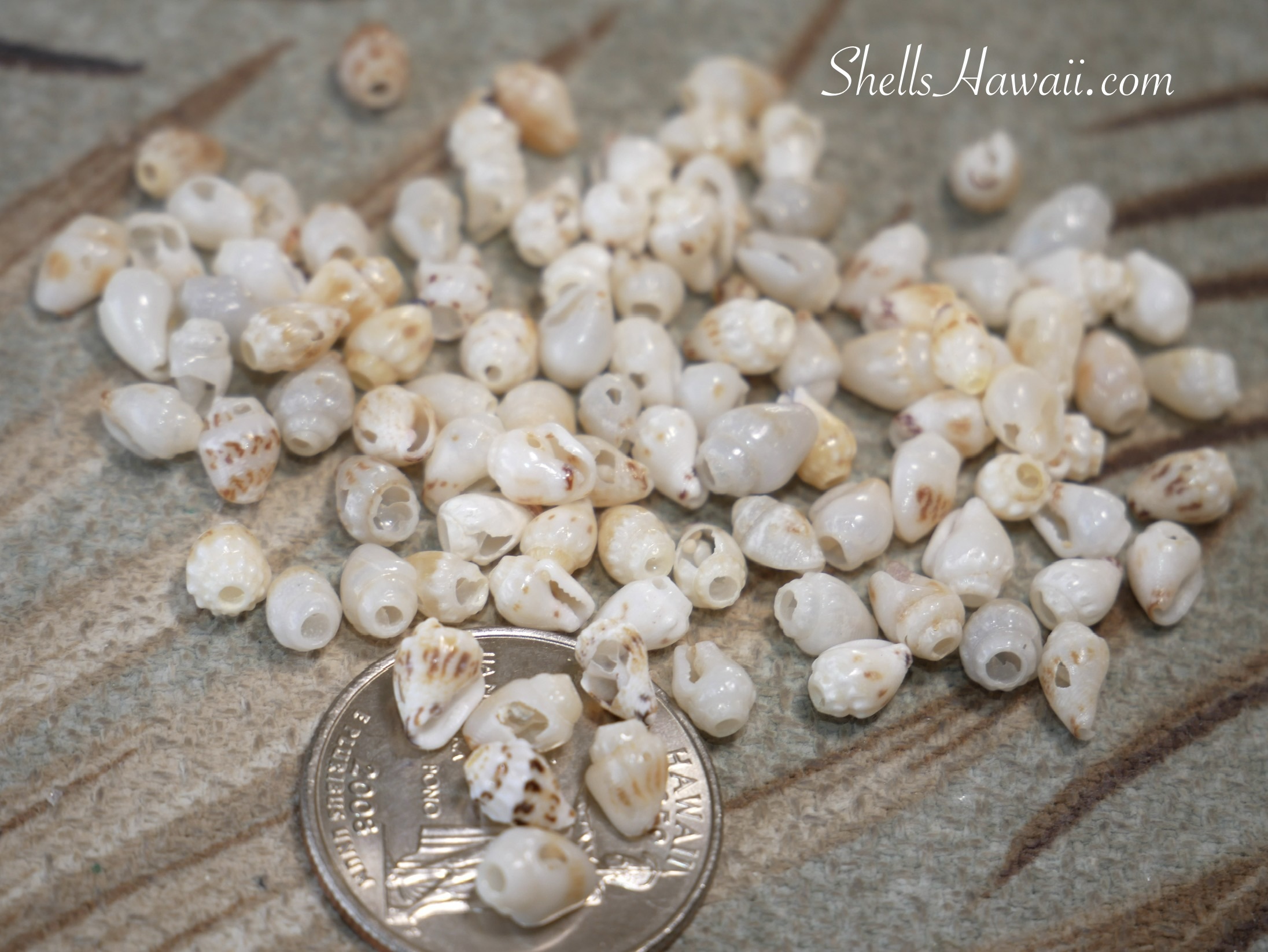
As I continue sorting and looking closely at color and pattern, I also begin to notice something else — imperfections. No matter how careful the process, there are always shells that reveal small cracks, thin spots, or weaknesses once they’re examined more closely.
Sadly, these shells won’t be used in creating jewelry. But they’re not forgotten. I set them aside and add them to my giveaway pile. It’s just part of the process — learning to let go of what can’t be used, while appreciating the beauty and effort that went into finding them in the first place.
Before I Say Goodbye and Head Back to My Creation
I hope you’ve enjoyed spending a little time with me at my workstation today. It always means a lot to be able to share these quiet moments behind the scenes as my work slowly comes together.
I updated my Kipona style earrings on my website a few days ago, and over the past few days I’ve been working on a new set of Pikake style earrings. This set of Pikake style earrings, created using the Momi shells I’ve been sharing with you today, will be added to my website sometime this week. I’m hoping to take photos tomorrow and list them under the Pikake earrings section, so please feel free to come back and check them out.
If you’d like to see more behind the scenes of what happened during my Kipona creation, you can click here to read.
Much aloha for your support, and thank you for taking the time to read along. I truly hope you enjoyed this behind-the-scenes look as much as I enjoyed sharing it with you.