 JPY
JPY


Aloha and welcome back to the ShellsHawaii blog everyone. I’m so happy you’re here.
Today we’ll talk a little more about something many creators run into while creating Niʻihau shell earrings, especially Pikake style designs using Momi shells. Sometimes the shells may feel loose, uneven, crooked, or the string may start showing more than expected — even when you feel like you’re pulling the thread tight enough. Let’s talk a little about some of the reasons behind this and a few small adjustments that may help along the way.
Why Do My Pikake Style Earrings or Necklaces Still Feel Loose Even When I Pull Tight?
This has to be one of the most common things beginners face when they first start their journey creating Pikake style jewelry. I’m sure many people ask themselves, “Why is this happening? I’m doing exactly what I learned in class.” Yet somehow the shells still look loose, uneven, or the string starts showing more than expected.
One of the biggest things I’ve learned over the years is that Pikake style usually isn’t about pulling harder. It’s more about balance, shell matching, consistency, and touch. When you pull too hard, the shells can twist, shift, or even crack. When you’re too gentle, they may drift apart or leave more space showing between each cluster.
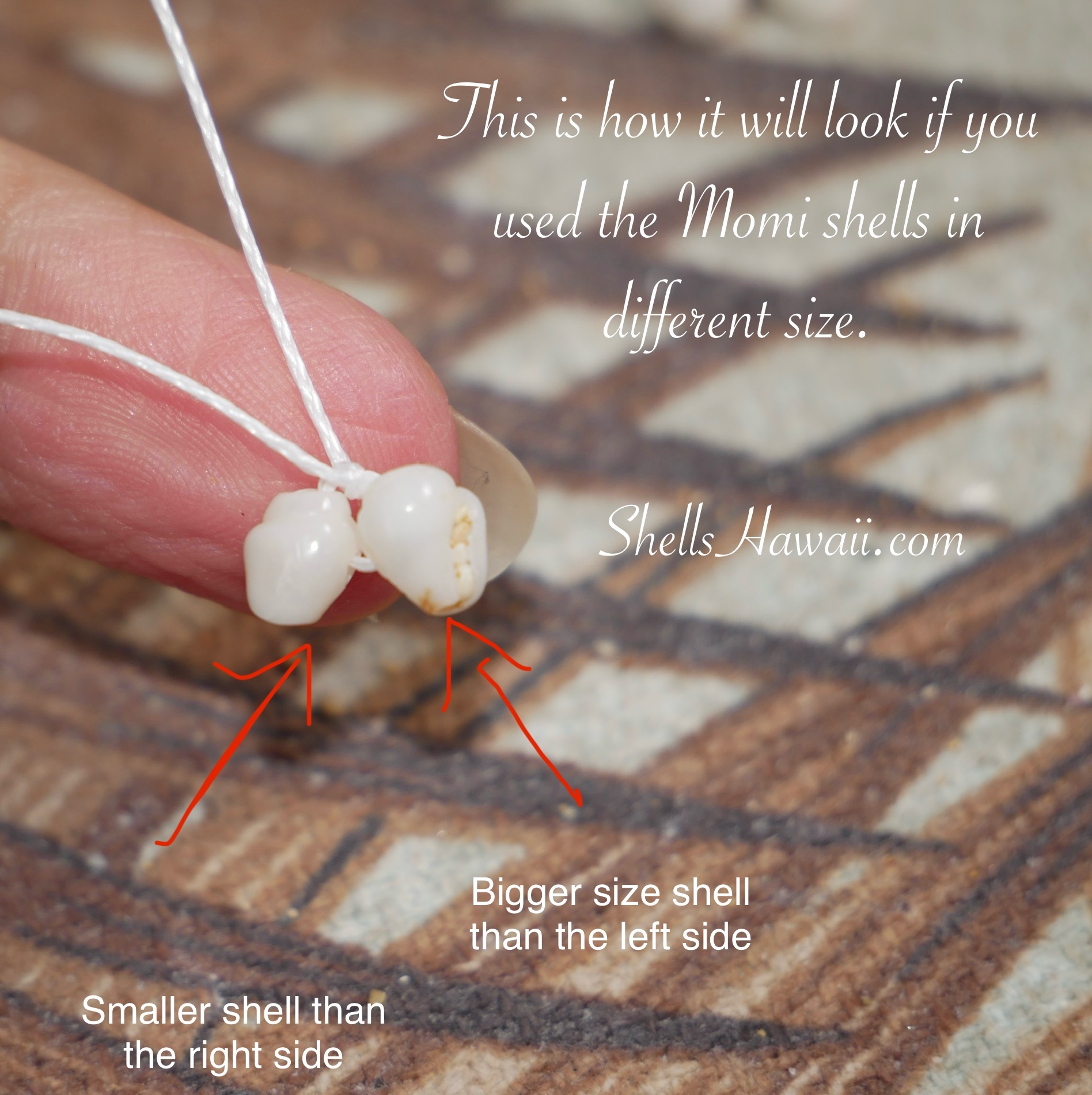
Sometimes when a section turns out a little loose, it isn’t always the tying like we first think. Quite often, it comes from the shells themselves. Even after careful sorting, there can still be tiny differences — one shell slightly bigger, another smaller, or the poke placement sitting at a different angle.
As I’ve mentioned many times throughout my blogs, hole placement and consistency are very important to how your finished piece will turn out. Even a tiny difference in where the hole sits can affect how the shells rest against each other once tied together.
When those little details line up nicely, your Pikake clusters naturally sit closer and tighter. When they don’t, the pattern can shift a little, even when you feel like you’re doing everything right.
Small Things You Can Practice to Help Avoid Loose or Uneven Pikake Style
• Try to keep your hole placement as consistent as possible
• Match shell sizes carefully before tying
• Avoid pulling the thread too hard
• Check how the shells naturally sit together before tightening the knot
• Practice keeping your tension steady from section to section
• Replace shells that continue sitting unevenly or leave too much space between clusters
• Take your time while sorting and pairing shells before stringing
These may feel like very simple steps, but they are actually very important parts of the process. Creating Niʻihau shell jewelry is all about attention to detail — not rushed work.
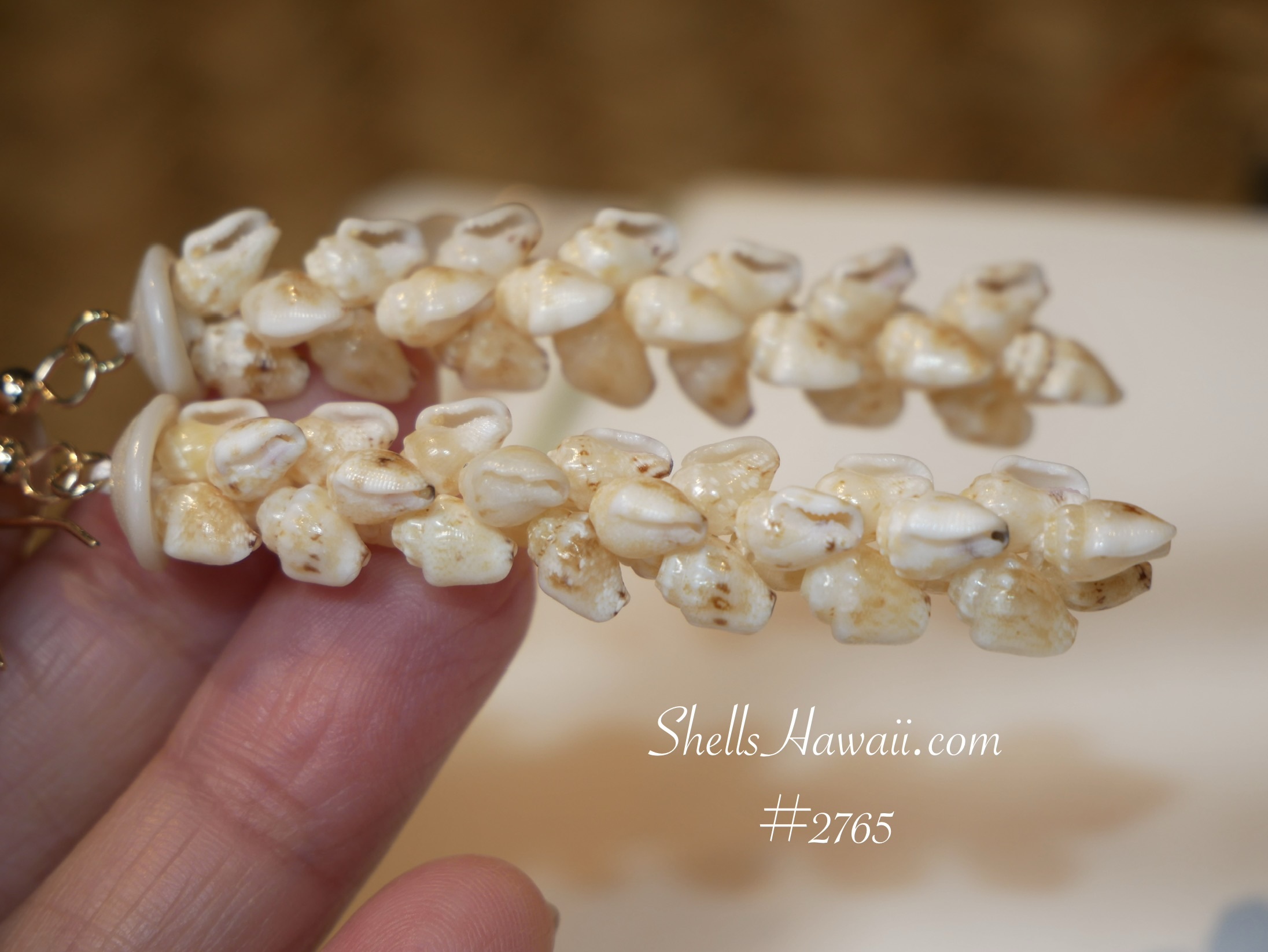
The Momi shell earrings in this photo show how finished Pikake style jewelry may look when shell sizes, matching, and hole placement line up more consistently together. Notice how the clusters sit closer and tighter with less space showing between the shells.
Sometimes you may look at a pair of Pikake earrings or a Pikake lei and think they look effortless or simple to create. But once you begin making your own, you slowly realize how much preparation, sorting, matching, consistency, and patience quietly happens behind the scenes before the finished piece comes together.
Closing
I hope this blog and the information I shared here help you better understand why Pikake style jewelry may sometimes feel loose or uneven, especially when first starting out.
Creating Niʻihau shell jewelry takes a lot of patience, practice, and attention to small details. Sometimes the smallest adjustments can completely change how your finished piece turns out.
Most importantly, I hope this encourages you not to get discouraged during the learning process. A lot of this style truly comes down to practice, repetition, and slowly training your eyes and hands to work together more naturally over time.
With each piece you create, you begin understanding the shells a little more — and little by little, your Pikake style starts sitting tighter, cleaner, and more balanced.
With aloha,
Janjira