 USD
USD


Aloha and welcome to ShellsHawaii blog everyone.
Today we will learn more about one of the lesser-known but very important shells used in traditional Hawaiian and Niʻihau shell lei — the beautiful dark Pōleho shell. While many people are familiar with colorful Kahelelani shells or glowing white Momi shells, Pōleho shells quietly play an important role in both the beauty and structure of many traditional lei designs.
Their rounded cowrie shape, rich natural colors, and slightly heavier structure make them both visually striking and important in many traditional Hawaiian lei styles.
While they may not be as widely discussed as Kahelelani or Momi shells, many shell artists deeply appreciate Pōleho for the balance, strength, and grounding beauty they bring into a creation.
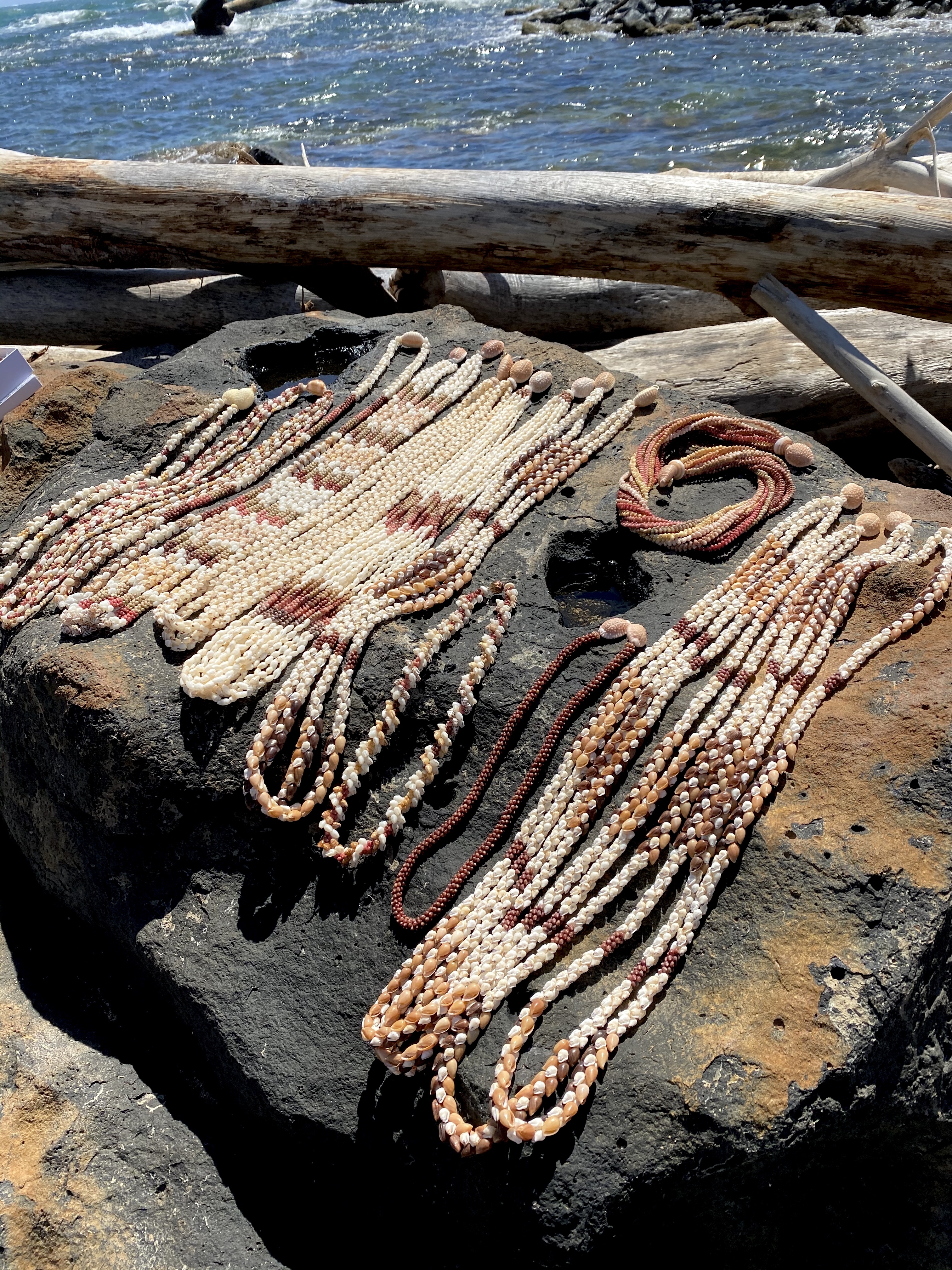
The Meaning Behind the Name “Pōleho”
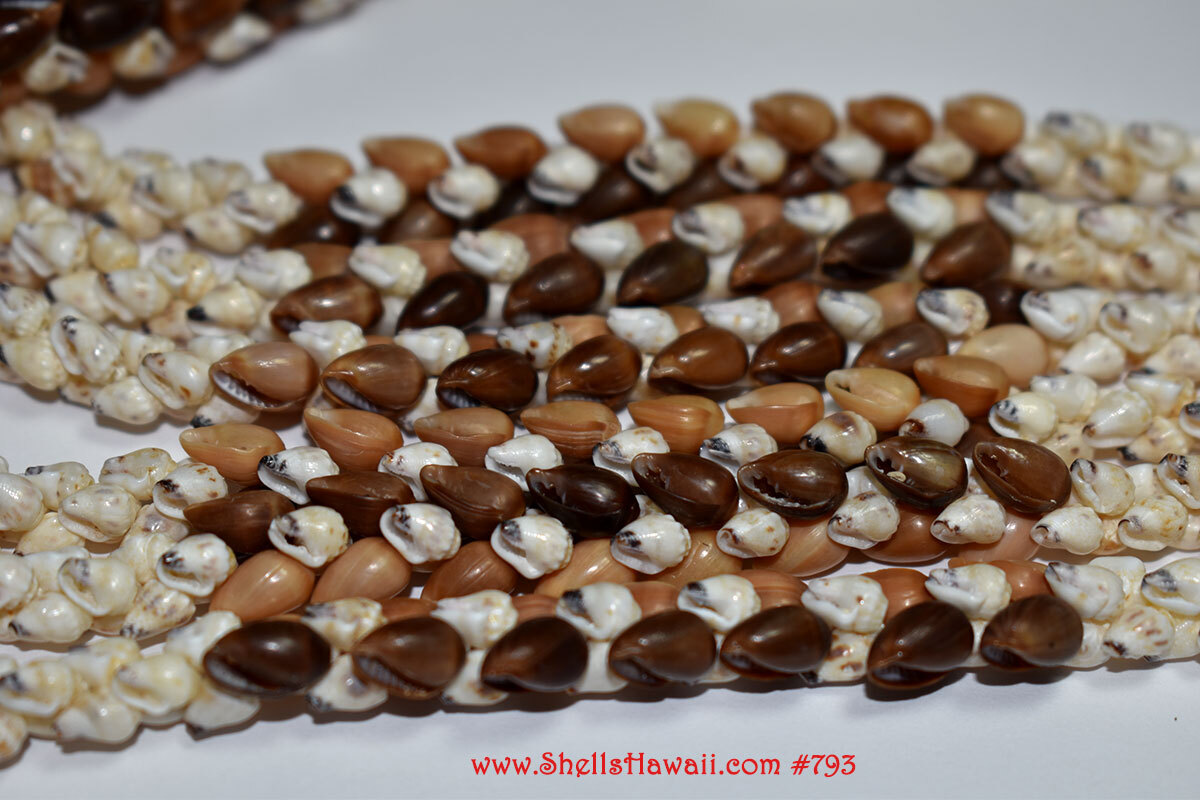
Pōleho shells are connected to the cowrie shell family, known in Hawaiian as Leho. Unlike many smooth glossy cowries, Pōleho shells are especially admired for their darker natural tones and rounded structure.
Collectors often describe their colors as deep chocolate brown, warm caramel, and dark coffee tones. Their rich natural coloring creates beautiful contrast beside different colors of Momi shells, as well as Kahelelani or ʻĀlīlea shells, making them popular for adding depth and flowing patterns within traditional Hawaiian shell lei.
Where Pōleho Shells Live
Pōleho shells are often associated with rocky shoreline areas where freshwater runoff or springs meet the ocean rather than open sandy beaches. Tiny shells can become hidden among rocks, seaweed, drift material, and natural shoreline debris, making collection slow and very detailed work.
Because these environments are more localized and difficult to access, finding matching shells in good condition can be challenging for both collectors and shell artists.
Why Pōleho Shells Are Important in Hawaiian Shell Lei
As mentioned earlier, Pōleho shells are commonly combined with Momi and Kahelelani shells to create stronger contrast, flowing patterns, and different visual effects within traditional Hawaiian shell lei.
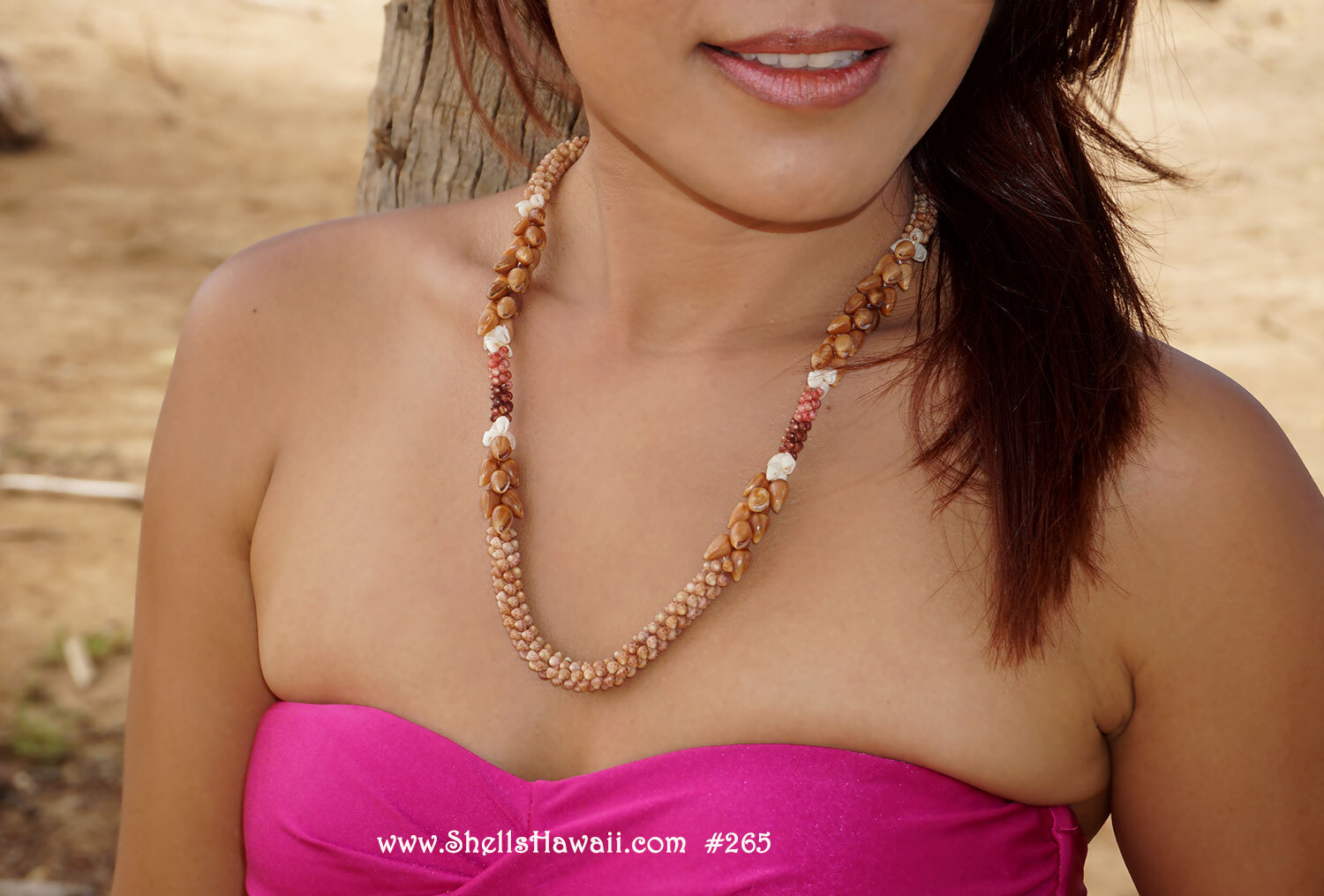
Long lei created with Pōleho shells can also make very bold statement pieces because of their naturally deeper coloration and strong visual contrast. Traditionally, many longer Pōleho shell lei styles were more commonly worn by men, especially in larger or heavier designs.
A Quiet but Powerful Shell
Pōleho shells may not always be the first shells people notice, but they can play an important role in a traditional Hawaiian shell lei. When thoughtfully incorporated into a design, they can bring balance and character to the finished piece.
Like many forms of Niʻihau shell jewelry, the beauty of Pōleho shells is not only in how they look, but also in the patience, craftsmanship, and thoughtful design behind how they are carefully used within each lei.
I hope with this blog you have learned more about what Pōleho shells are, how they look, and how they are used in traditional Hawaiian shell jewelry designs.
Mahalo so much for being here and taking the time to read my blog. If you would like to explore more blogs related to Niʻihau shells, Hawaiian shell jewelry, or behind-the-scenes stories, please feel free to click on the highlighted words throughout this blog. They will take you to related blog topics and product pages connected to the shells and styles discussed here.
I hope to see you again next time here at ShellsHawaii.com.
With aloha,
Janjira