Aloha and welcome to the ShellsHawaii blog,
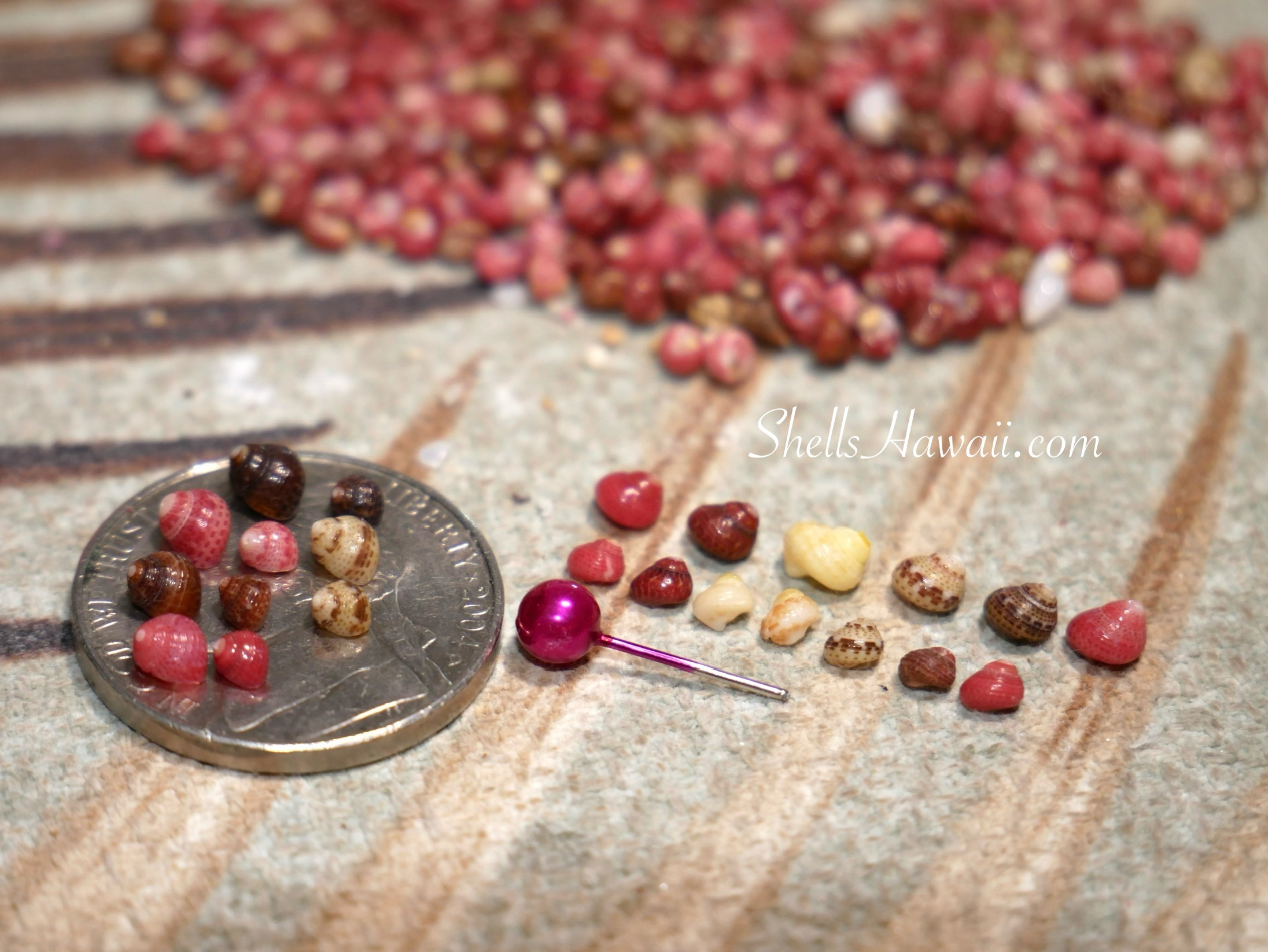
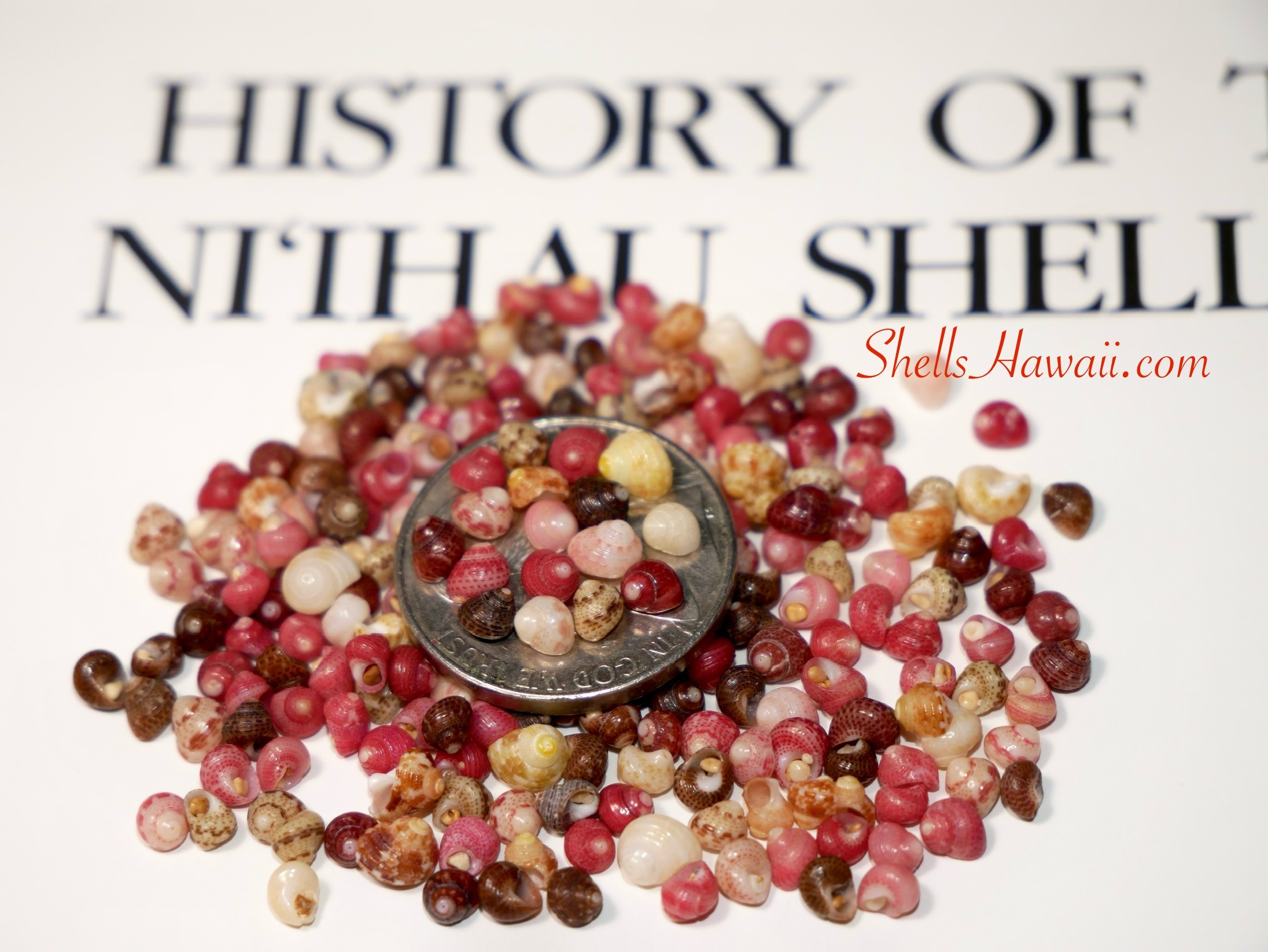
In this blog, we’ll talk a little more about the natural colors of Kahelelani shells used in Niʻihau shell jewelry and how these tiny sea shells are formed. In some of my previous ShellsHawaii blogs, we already explored a little about what Kahelelani shells are, and today we’ll continue learning more about the beautiful colors found in these tiny shells and some of the things that may influence their appearance over time.
The vibrance of life under the sea travels a long way, eventually becoming part of one of Hawaiʻi’s most beautiful art forms — Niʻihau shell jewelry. Some of the information shared in this blog comes from my own experience, observations, and general research I’ve read about sea snail families and shell formation. Because there is still limited exact scientific information available specifically about Kahelelani shells, some of this remains more open discussion and suggestion rather than proven fact.
How Kahelelani Shell Colors May Be Formed
Because Kahelelani shells are so tiny, it’s believed that the sea snails they come from begin life incredibly small, likely only a fraction of a millimeter in size. Over time, the shell slowly forms layer by layer as the snail grows within the ocean environment.
Many people believe their beautiful colors and patterns may be influenced by many different factors working together over time. Some of these may include:
• The snail’s genetics
• Minerals and ocean environment
• Type of algae or food source
• Depth of water and sunlight exposure
• Age of the shell
• Reef and sand conditions
• Long periods of natural ocean polishing
It is also suggested that patterns such as stripes, speckles, bands, or glowing color variations may form from changing pigment release while the shell grows within different ocean conditions.
Life Around the Reef
Some researchers believe environment and diet may also influence shell appearance. In some marine snails, lighter colors may help reflect sunlight while darker patterns may help the shell blend into reef or sandy environments for camouflage and protection.
The outer shell layer itself may also serve as protection against ocean wear, acid, predators, and environmental damage. Tiny sea snails living around reefs likely face many predators such as crabs, lobsters, fish, and octopuses. Like many sea snails, they may protect themselves using their hard shell and operculum — the small protective “door” used to close the shell opening.
Perhaps that mystery is also part of what makes Kahelelani shells feel so fascinating and full of life.
 USD
USD

