 USD
USD


Aloha and welcome to ShellsHawaii.com.
Today, I’d like to help answer one of the most searched topics about Niʻihau shell jewelry. Many people are curious about what goes into creating these tiny shell pieces and why they are considered so special. It’s a thoughtful question, and one I’m always happy to answer.
How hard is it to make Niʻihau shell jewelry?
If you ask me personally, my answer is simple:
yes — Niʻihau shell jewelry is hard to make.
That answer comes instantly, without a second thought. Not to discourage anyone, but to be honest about the care, time, and love behind each piece of Hawaiian shell jewelry.
Niʻihau shell jewelry is challenging because it is created using very tiny shells, all worked on by hand. That challenge is also what gives each piece its beauty, depth, and meaning.
Is it possible to learn?
Yes, it is.
You may not be able to learn every style right away, but there are Niʻihau styles that are more approachable and still create beautiful designs. Styles such as Pikake, Kipona, Manua Loa, and even some Poepoe styles allow beginners to learn step by step, without needing years of experience at the start.
The real question becomes how much time, care, and heart you want to put into the process of creating shell jewelry.
Why does it take so much time?
Niʻihau shell jewelry takes time because of the respect given to each shell and every step involved.
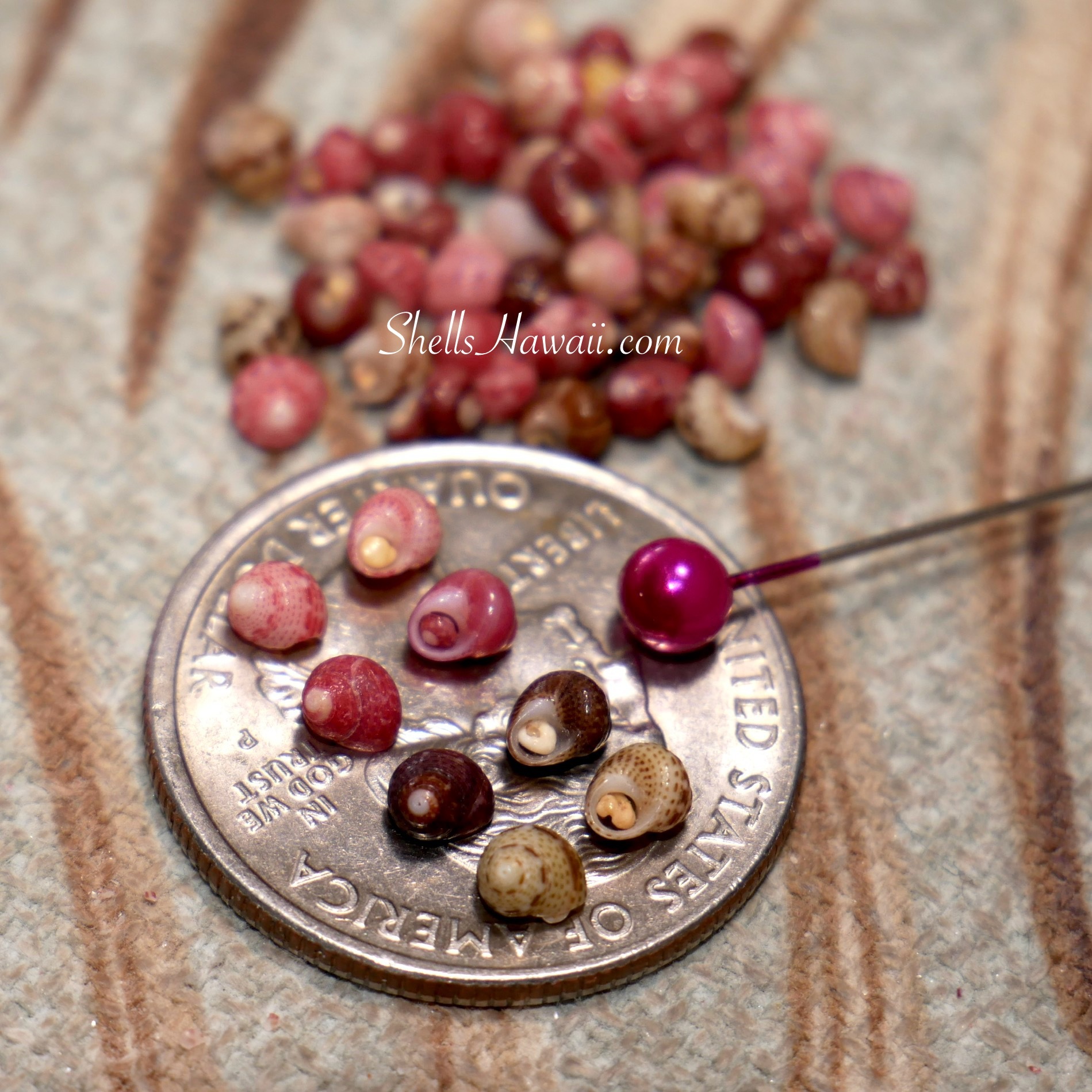
First, you are working with very tiny shells — and when I say tiny, I truly mean tiny. Finished jewelry can sometimes make the shells appear larger than they really are, but working with individual shells is a very different experience. Their size naturally requires patience, steady hands, and focus.
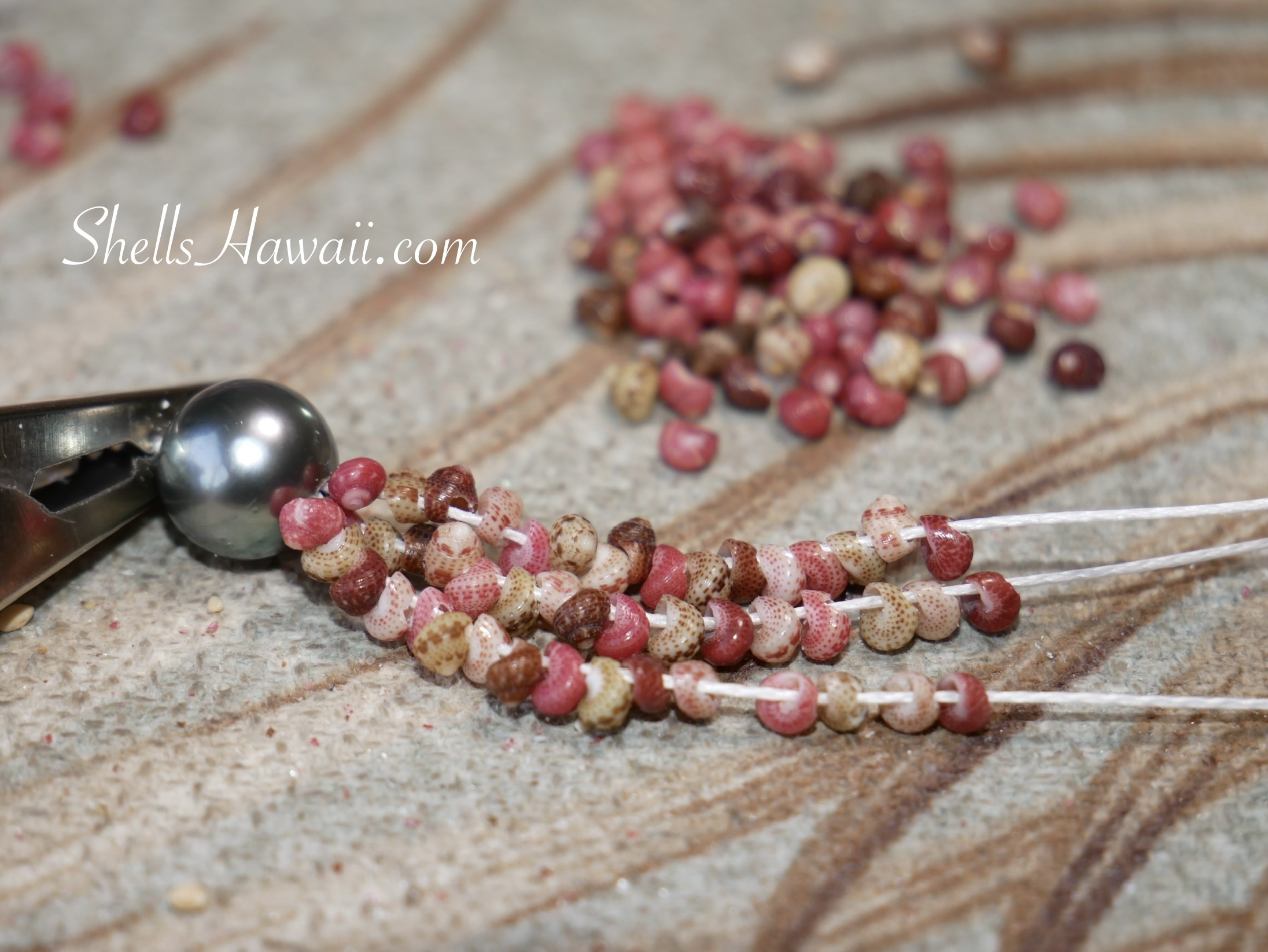
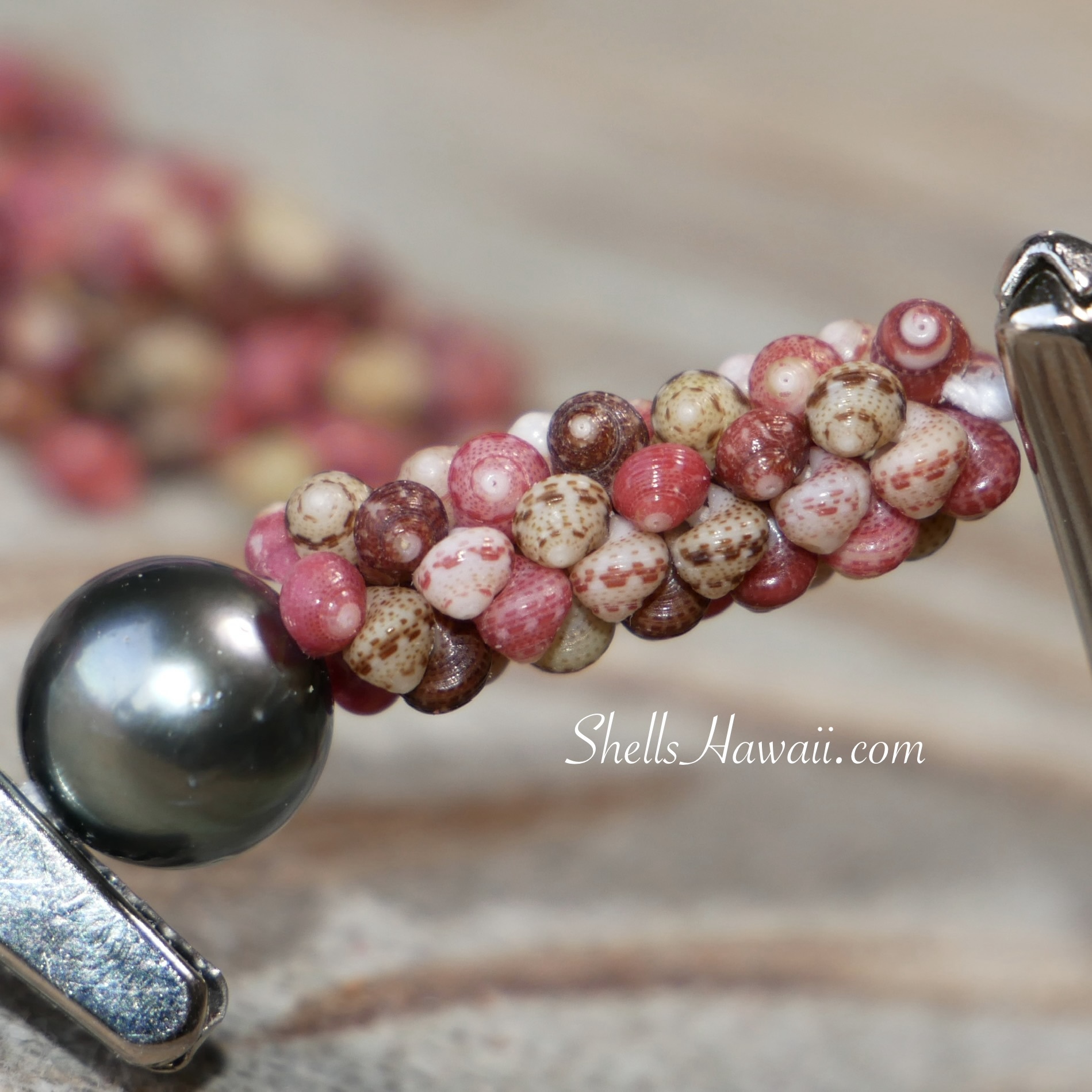
The shells themselves are also rare, precious, and costly, which means each one must be handled with extra care. Every shell is prepared one by one through sorting, poking, pairing, and stringing — all done slowly and intentionally. Knowing the value of each shell can naturally add a bit of pressure during the process, especially when poking holes or stringing, which is why this work asks for patience and steady hands. This process is not meant to be rushed.
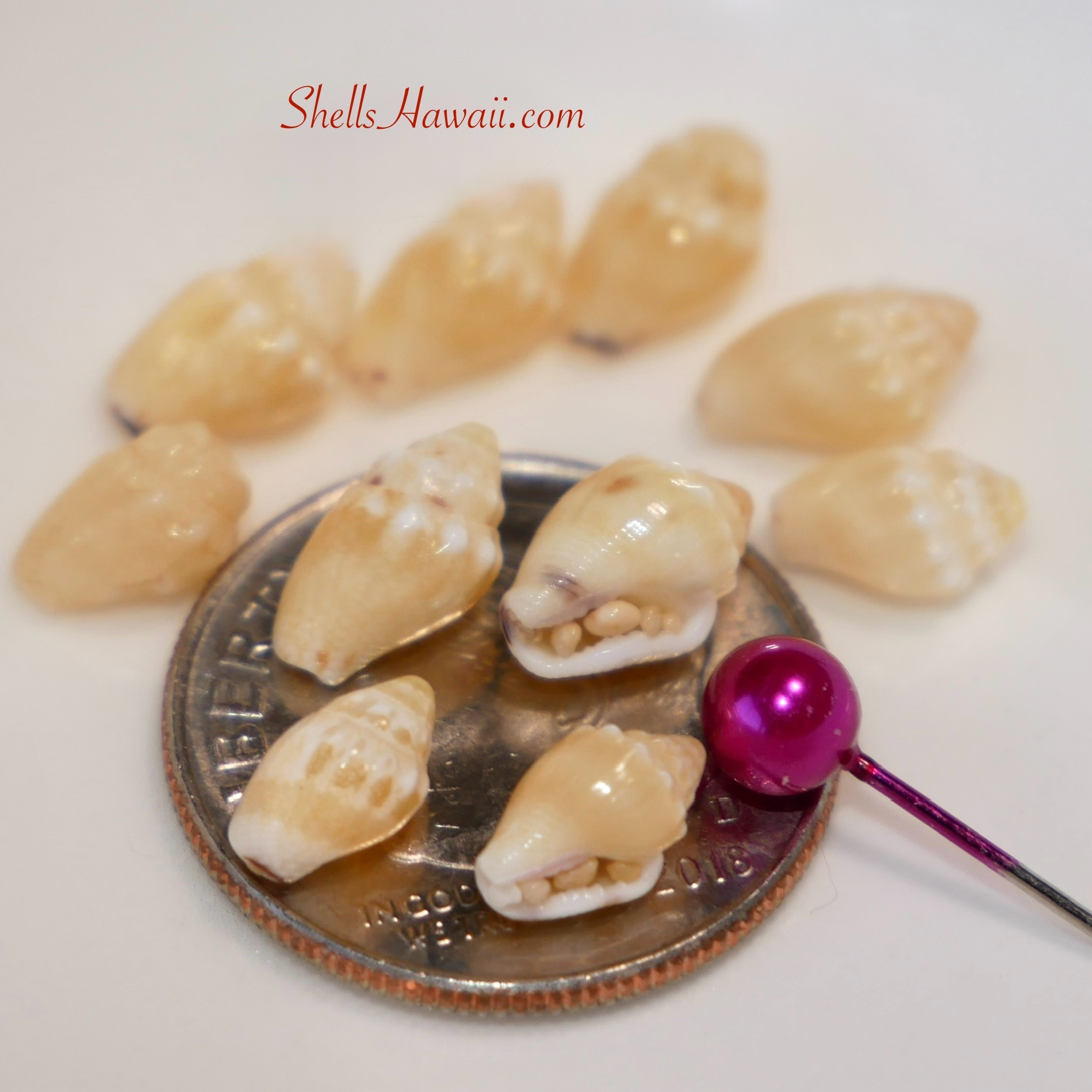
Most Niʻihau shells naturally have sand tucked inside the waha. Because that sand cannot simply be cleaned out beforehand, learning how and where to poke becomes a skill that develops over time. Short videos on social media may show the motion, but they rarely show the years of practice behind steady hands when creating traditional shell accessories.
Should you still give it a try?
Yes — the answer is yes.
I will never, ever tell someone not to try. I started from zero too — and I never gave up. Everyone has to start somewhere. If you’re willing to move forward step by step, growth will come in its own time.
At the same time, it’s important to be realistic and protect yourself from unnecessary frustration. This is not something to rush, and it’s not something you learn all at once. Slow down — just like I tell many of my customers. Learn what you can do first, enjoy it, practice it, and get good at it before moving on to the next design that is more advanced.
If you are new and would love to learn more about designs and the guidance I share, please visit my Beginner’s Guide. One thing I truly want to say to you is this: skill does not come overnight. Just because you see something you want to make doesn’t mean you can do it right away — and that’s okay.
It took me at least 7–8 years of practice before I could tell myself I was ready to work with shells from Niʻihau and create something truly beautiful, without fear of wasting my shells. That confidence came from time, patience, and learning step by step.
This is why Niʻihau shell jewelry is so unique and meaningful. Each piece represents patience, respect for the shells, and love for the tradition behind it. It is not rushed or mass-produced — it is created slowly, with intention.
Niʻihau shell jewelry is truly a labor of love — for the shells, for the tradition, and for the hands that bring each piece to life.
In the end, there is one gentle question worth asking:
Do you want to simply make Niʻihau shell jewelry — or do you want to create it?
In the end, that choice is what gives every piece its soul.
With aloha,
Janjira