 USD
USD


Aloha and welcome, everyone!
When we talk about Niʻihau shell jewelry, there are so many beautiful styles — each with its own Hawaiian name and meaning. At first, it can feel like a lot to take in, almost like learning a new language. But that’s also part of the beauty. Every name carries a little piece of Hawaiian history, culture, and tradition.
For today, let’s keep things simple and focus on one of the most common and beloved styles — the one you’ll often see in jewelry descriptions and titles.
So let’s get into it and learn about this beautiful design together, shall we?
Single Pīkake Style (Kui ʻŌlepelepe / Kui Lau) — What Does It Mean?
Before we dive in, let’s pause on the word Pīkake. In Hawaiian, pīkake means jasmine — the soft, fragrant flower known for its gentle, layered petals. Just like the flower, the Pīkake sewing style is all about softness, flow, and a slightly braided look.
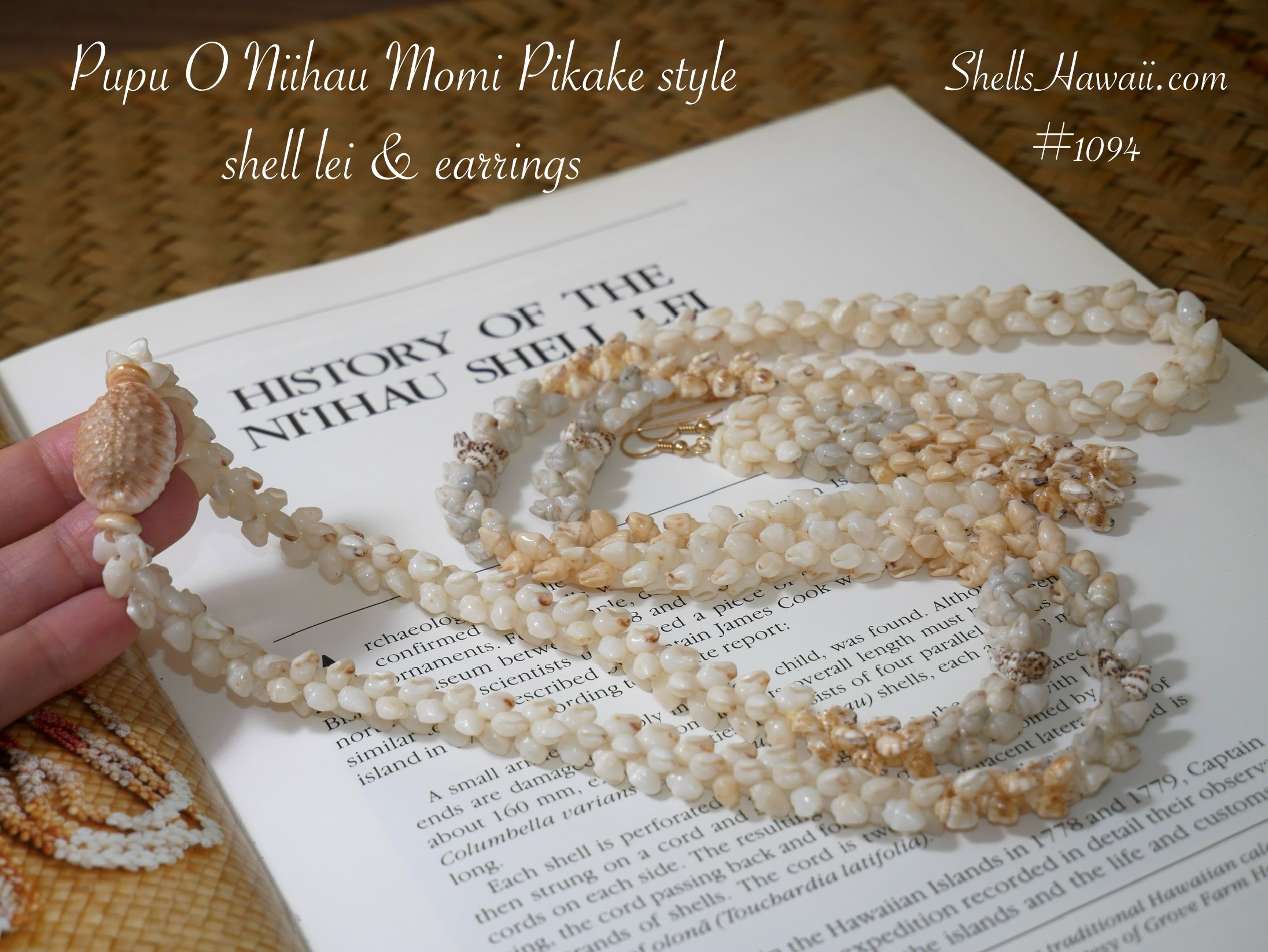
The Single Pīkake style (ピカケスタイル) is the most common and widely used pattern — the one you’ve probably seen countless times in photos, on display, or worn at Hawaiian events. It appears in earrings, bracelets, leis, and more. Simple, elegant, and timeless — it’s by far the most popular Pīkake variation to create.
The Meaning Behind Kui ʻŌlepelepe and Kui Lau
You may also see the Single Pīkake style described using the Hawaiian terms Kui ʻŌlepelepe or Kui Lau.
These names don’t describe steps or techniques — they describe the feeling of the pattern.
Kui ʻŌlepelepe refers to a gentle alternating movement, giving the design a subtle side-to-side rhythm.
Kui Lau means “leaf-like,” capturing the soft overlapping look that forms as the shells sit together, much like petals or leaves layered along a branch.
Together, these names help describe the visual flow of the Single Pīkake style — calm, organic, and naturally balanced.
How to Recognize the Single Pīkake
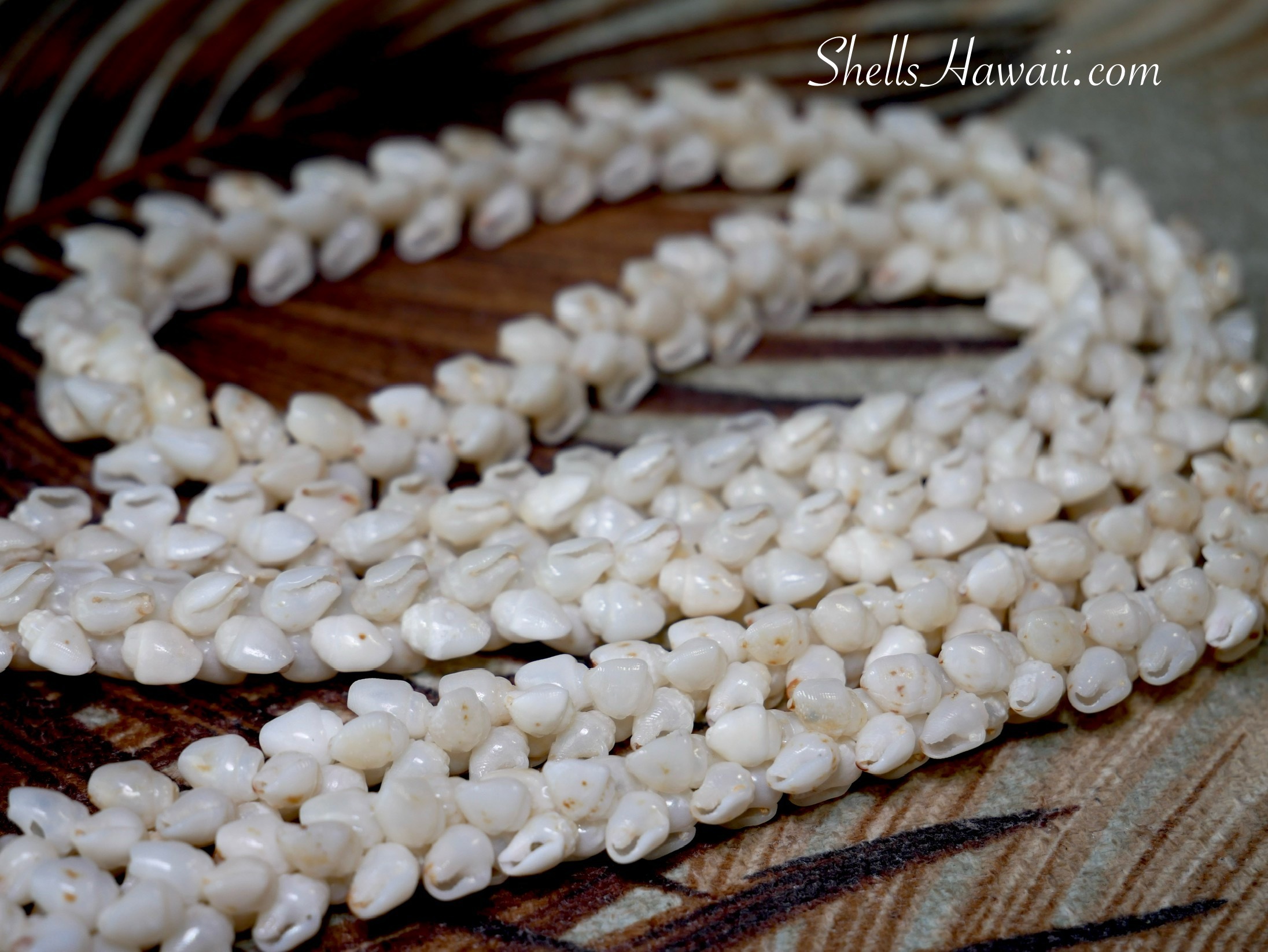
If you try to picture it, it’s the style that looks like a gentle braid — soft, even, and flowing, with shells sitting neatly side by side in two calm rows. I remember once trying to explain it with words, and nothing really clicked until I showed a photo. Then it was, “Ohhh… that one! I’ve seen that everywhere.” And that’s exactly how it works — once you recognize the Single Pīkake style, you’ll never forget it.
How the Pīkake Style Gently Comes Together with Momi Shells
When the Pīkake style is created with Momi shells, the overall look feels calm, soft, and beautifully balanced. The shells rest closely beside one another, forming a smooth, flowing pattern that feels natural and unforced.
There’s a quiet rhythm in the way the shells align — nothing sharp or crowded, just a gentle, floral movement that reflects the jasmine flower behind the name Pīkake. From a distance, the design looks light and graceful. Up close, you can see the care and consistency that give the piece its refined beauty.
This is why the Pīkake style with Momi shells is so timeless. It doesn’t rely on bold shapes or heavy texture. Instead, its beauty comes from harmony — each shell supporting the next, creating a soft, elegant flow that feels both simple and meaningful.
If you’d like to learn more about these creamy, elegant shells, you’re always welcome to read my blog “What Are Momi Shells?” ›, where I share more about their beauty and role in Niʻihau shell jewelry
And for those curious about trying this style themselves someday, I also share beginner-friendly shell kits and supplies using genuine Niʻihau Momi shells prepared for jewelry making.
More Fun to Explore from Here
Just like the jasmine flower that inspired its name, the Single Pīkake style carries a beauty that feels soft, natural, and unforgettable. Simple in appearance yet full of life, it’s often the very beginning of understanding the beauty and flow of Niʻihau shell jewelry styles.
If you’re curious to explore more, you’re always welcome to visit the Gift Guide for inspiration or the Buyer’s Guide for helpful tips on choosing your first authentic Niʻihau shell jewelry piece with confidence.
And this is only the beginning. In the next blog, we’ll step into the world of the Double Pīkake style — fuller, fluffier, and often the style many people picture when they hear the word “Pīkake.” I’ll share how it’s built, what makes it more advanced, and some of the little details that make this style both challenging and satisfying to create.
Stay tuned — there’s still so much more to discover together.