USD
USD


Aloha and welcome to ShellsHawaii blogs, everyone.
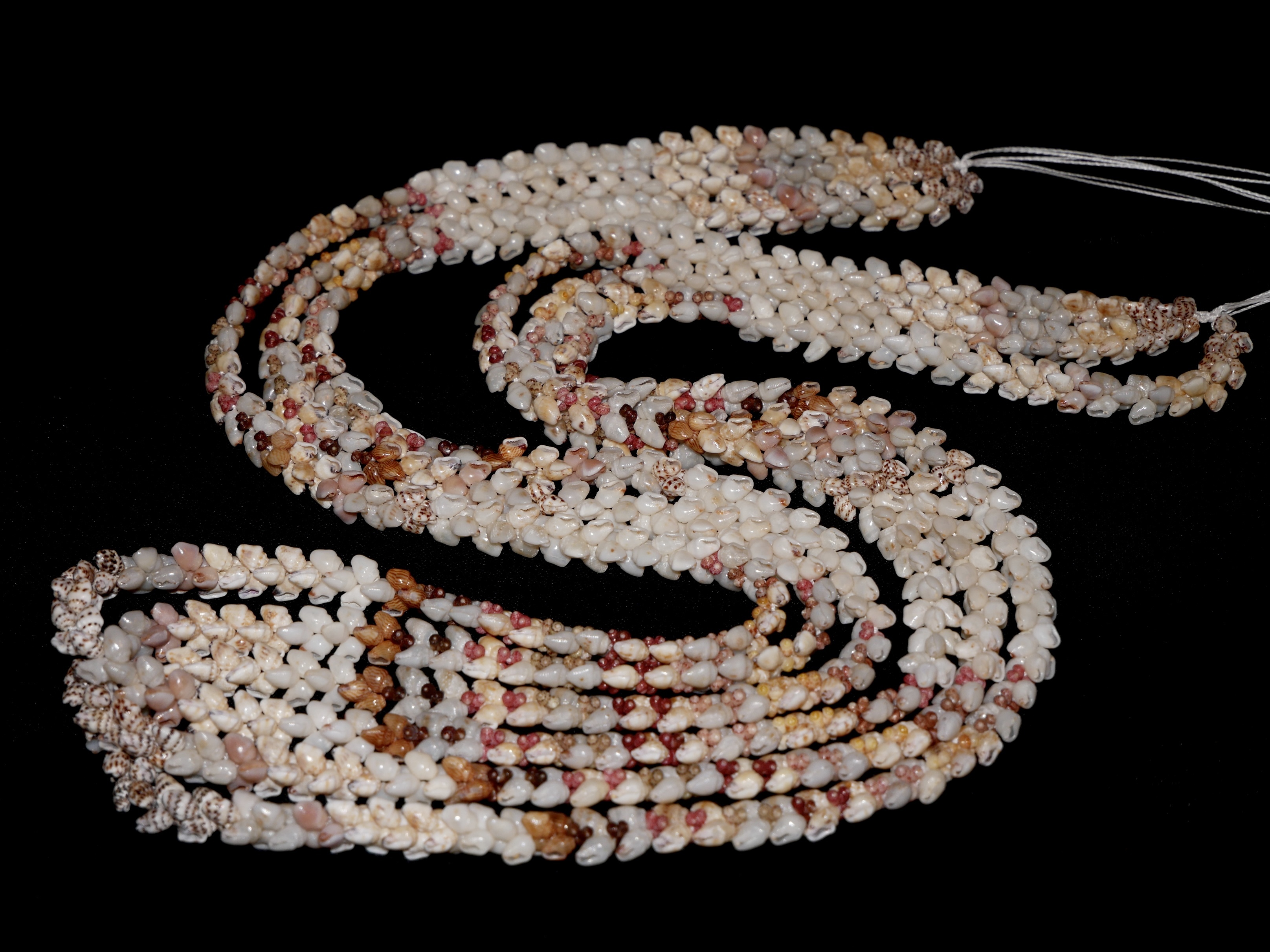
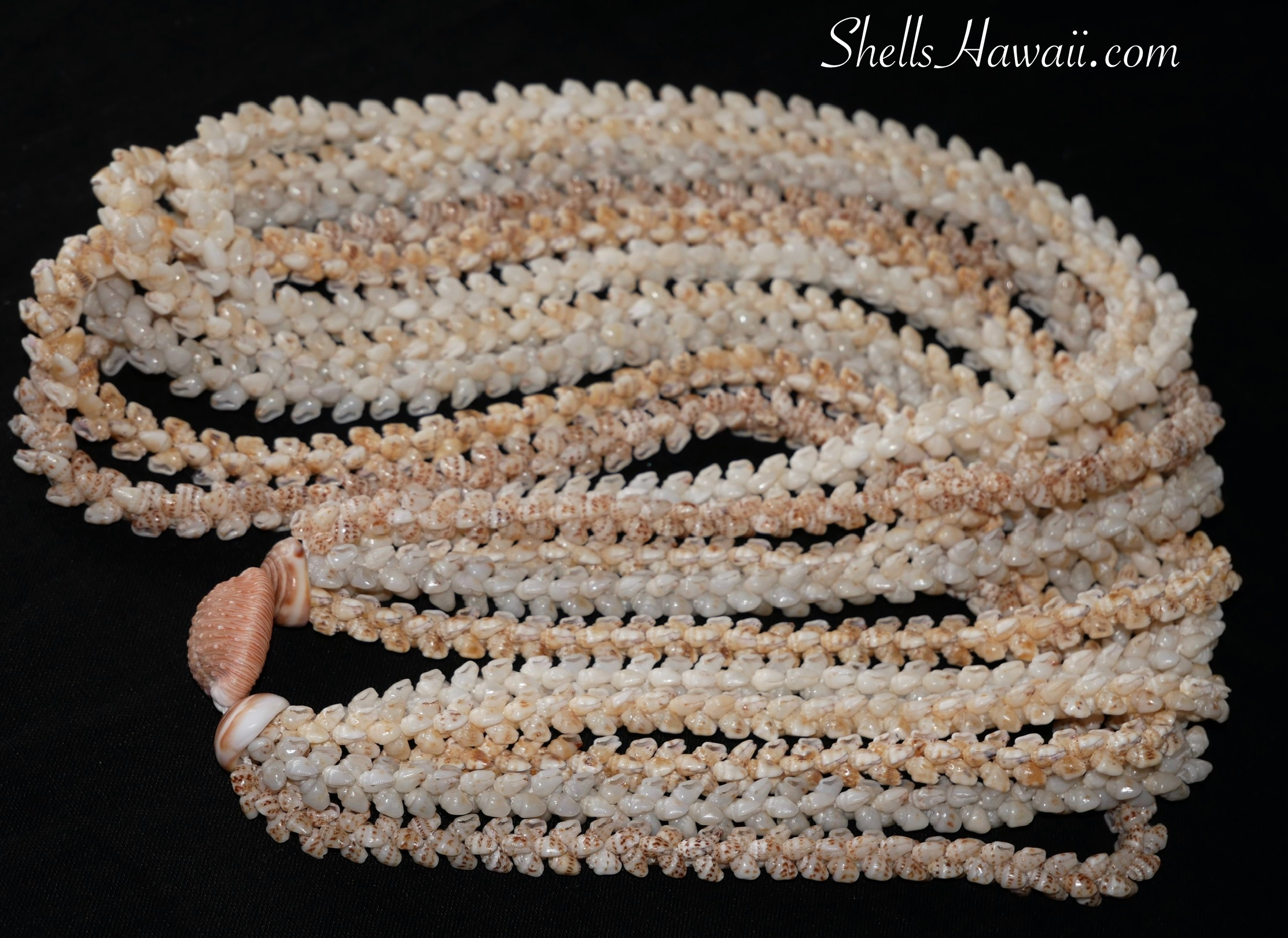
Today, I would love to share one of my favorite treasures of authentic Niʻihau shells — the beautiful Momi shells. These shells have been loved in Hawaiʻi for generations for their soft glow, natural strength, and timeless beauty. You’ll often see them featured in traditional Niʻihau shell lei, earrings, bracelets, and necklaces, sometimes paired with tiny Kahelelani shells in many of my designs.
If you’re curious about their sister shells, you’re always welcome to explore my earlier blog about Kahelelani shells — the tiniest authentic Niʻihau shells often used together with Momi shells in traditional Hawaiian shell jewelry.
Why Is the Hawaiian Name for These Dove Shells Called “Momi”?
The Hawaiian word momi means “pearl.” In Hawaiian culture, pearls symbolize something precious and cherished, which makes this name especially fitting for these beautiful shells.
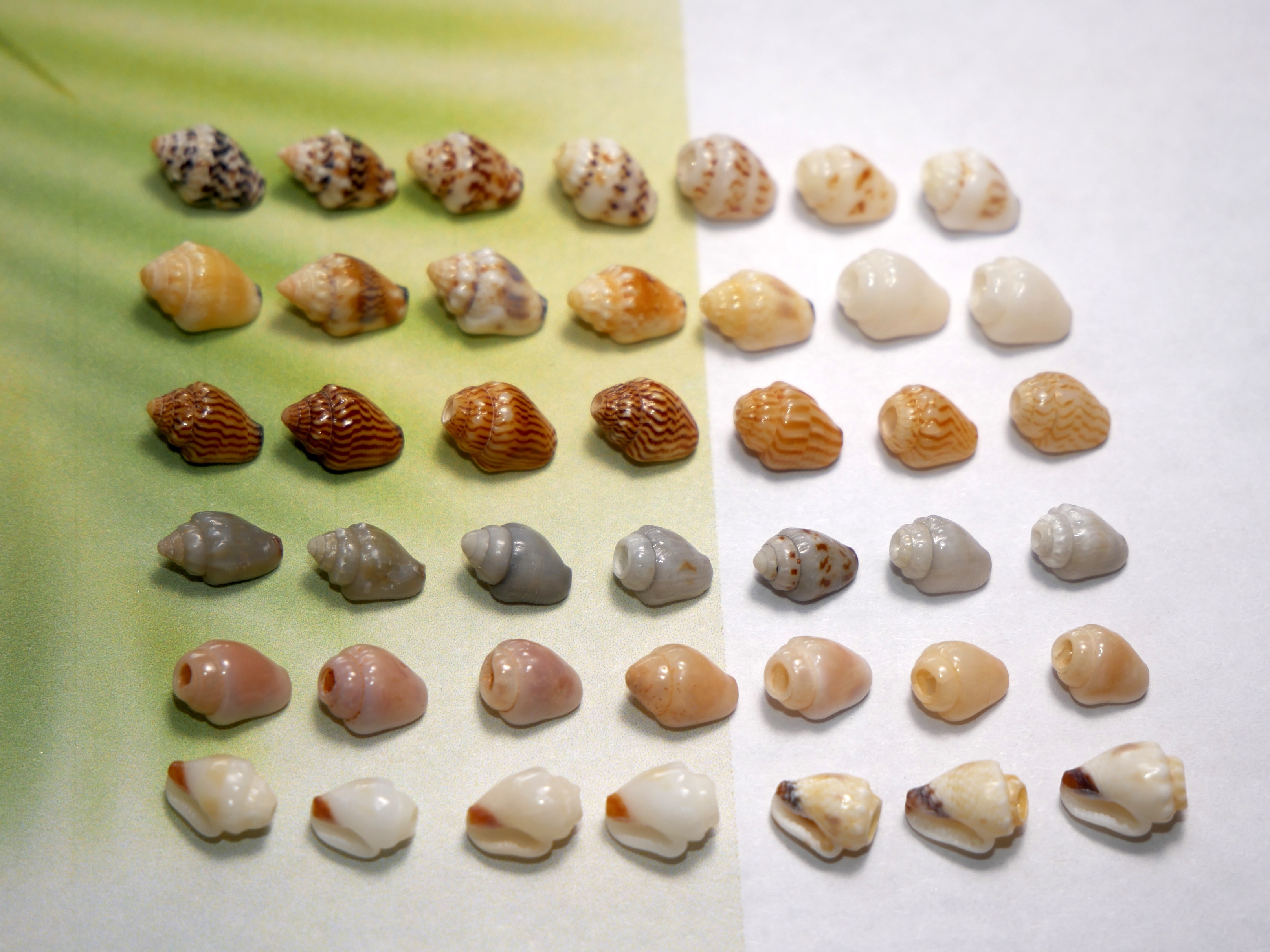
Momi shells come in many natural shades, from creamy white and golden yellow to spotted brown, black, and even soft blue-gray tones.
Over time, Hawaiian names were used to describe these natural colors, giving us names like Momi Keʻokeʻo (white), Momi Lenalena (yellow), Momi ʻŌnikiniki (spotted), and Momi ʻŪliʻuli (blue-gray).
Hawaiian is such a poetic language, full of layers and feeling. The name momi reflects the beauty and value these shells carry within Hawaiian culture.
Why Are These Dove Shells Called “Momi”?
The Hawaiian word momi means “pearl.” In Hawaiian culture, pearls symbolize something precious and cherished, which makes this name especially fitting for these beautiful shells.
Momi shells come in many natural shades, from creamy white and golden yellow to spotted brown, black, and even soft blue-gray tones. In Niʻihau shell jewelry, many of these colors and patterns also have their own Hawaiian names used to describe the shells more closely.
Some examples include Momi Keʻokeʻo (white), Momi Lenalena (yellow), Momi ʻŌnikiniki (spotted), and Momi ʻŪliʻuli (blue-gray).
What Do Momi (Dove Shells) Look Like?
If you hold a Momi shell in your hand, you’ll notice how tiny yet strong it feels. These little dove shells are usually oval to teardrop in shape, with a smooth glossy surface and a softly pointed tip at the top. Compared to Kahelelani shells, Momi shells are sturdier and fuller, giving them that tiny pearl-like look from the sea.
Some are silky smooth, while others have faint stripes or tiny freckles, making every shell feel unique in its own way. Their natural colors can range from creamy white and buttery yellow to beautiful black spotted patterns. Once in a while, you may even come across rare golden tones or rare blue-gray shades that are especially treasured by collectors and creators of Niʻihau shell jewelry.
Momi shells are one of the most used shells in many traditional Niʻihau shell styles, including Pikake and Kipona styles, often used alongside Kahelelani shells in earrings, bracelets, and lei.
The Beauty and Spirit of Momi Shells
After reading this blog, I hope you have a better vision of what Momi shells look like, why they are called Momi in Hawaiian, and some of the traditional Niʻihau shell jewelry styles these beautiful dove shells are used for. Next time you hear the name Momi shells, I hope you’ll already have a little picture of them in your mind.
If you would like to see some of my creations featuring these beautiful Momi shells, please feel free to take a little look around my shop. The Momi shells are strong, beautiful, and wonderful for many jewelry styles, from everyday earrings to larger statement lei.
Much aloha for visiting my blog. I truly hope this information has been helpful, and I hope to see you here again next time.
Janjira