 USD
USD


Aloha and welcome to the ShellsHawaii workstation, everyone. Today you’re joining me at my table as I sort genuine Momi shells for several new Heleconia style Niʻihau shell earrings (ハワイアンジュエリー・ニイハウシェルピアス).
If you’re new to Niʻihau shell jewelry styles and the common shells used in this design, I recommend starting with my blogs about Momi shells and Kahelelani shells first. And if you’d like to understand what Heleconia style means and how it’s built, you can begin there as well.
Now that you have a little background, let’s get back to our workstation and continue together.
How Many Shades of Lenalena Momi Can You See?
Let’s start with this fun little pile of yellow Lenalena Momi shells.
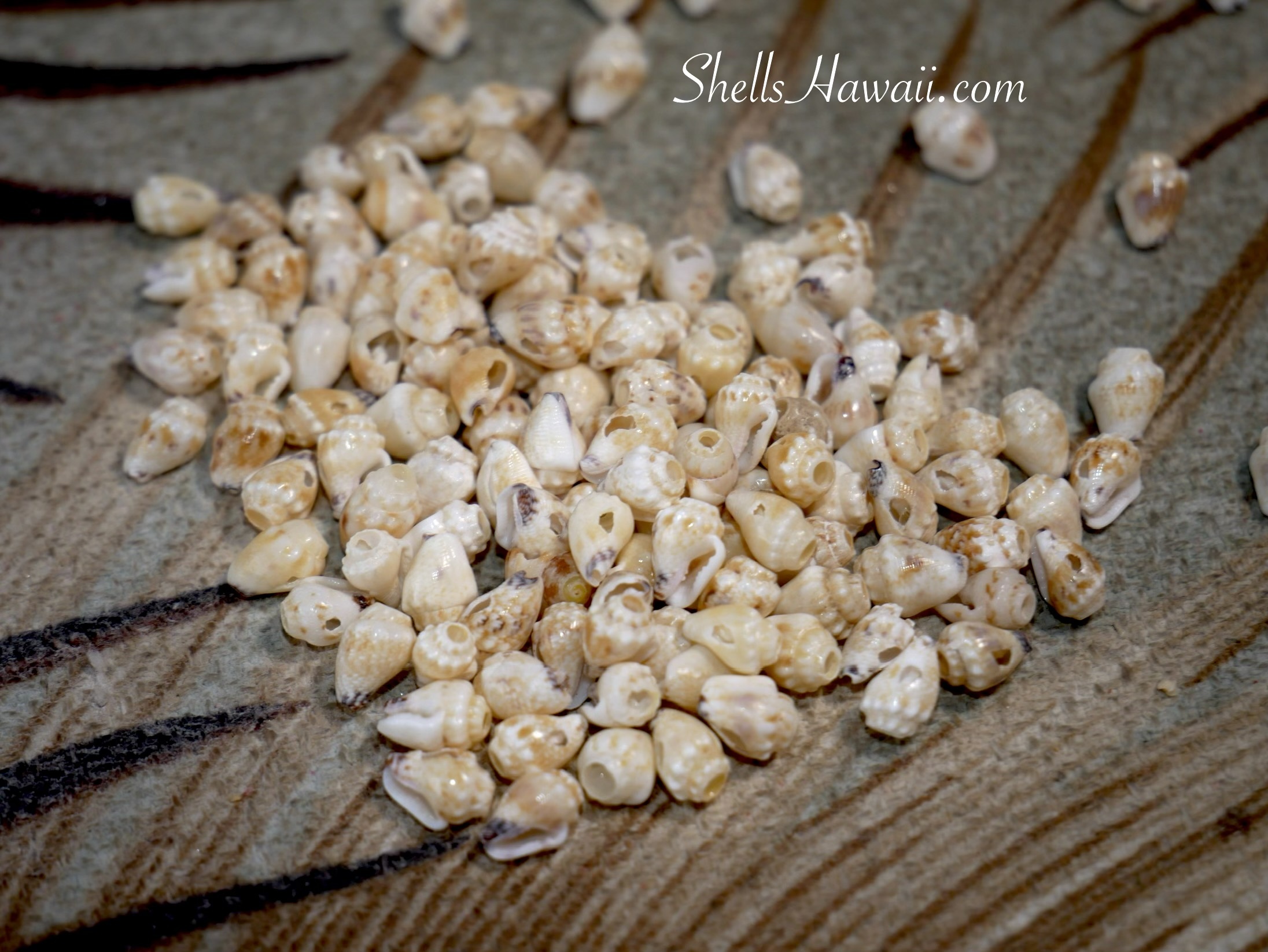
At first glance of these Momi shells, they may all look similar. But when you slow down and really look closely, you’ll discover how many different tones and tiny details are hiding inside this one small group. If you were sitting here with me, how would you sort them — and how many color families would you create?
As I continue sorting, this one Lenalena group naturally separates into several tone families — light cream, warm yellow, patterned, and marked shells. Careful sorting at this early stage makes a big difference later in the final Heleconia earring design.
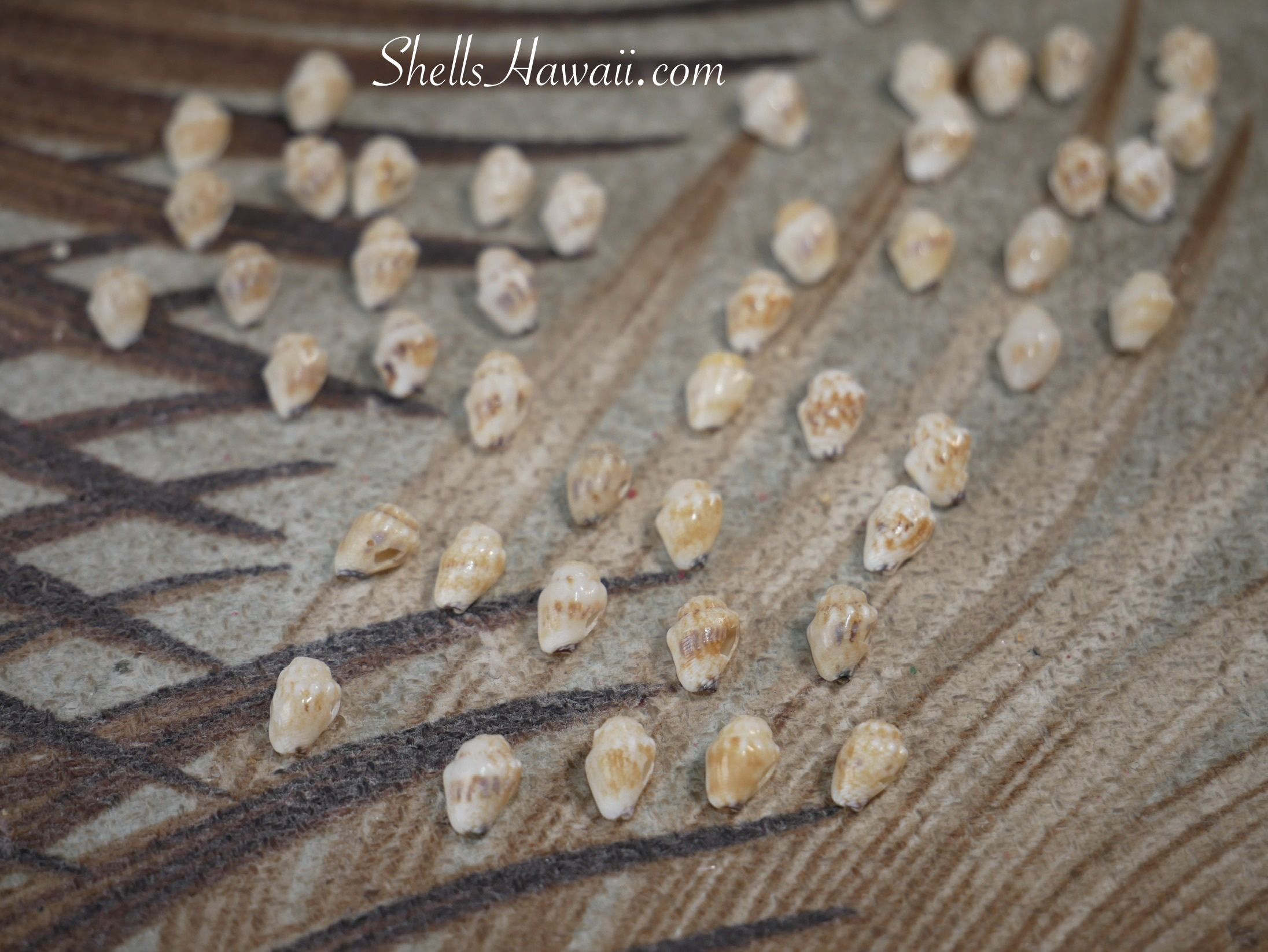
Looking Side by Side — Finding Black Waha Details
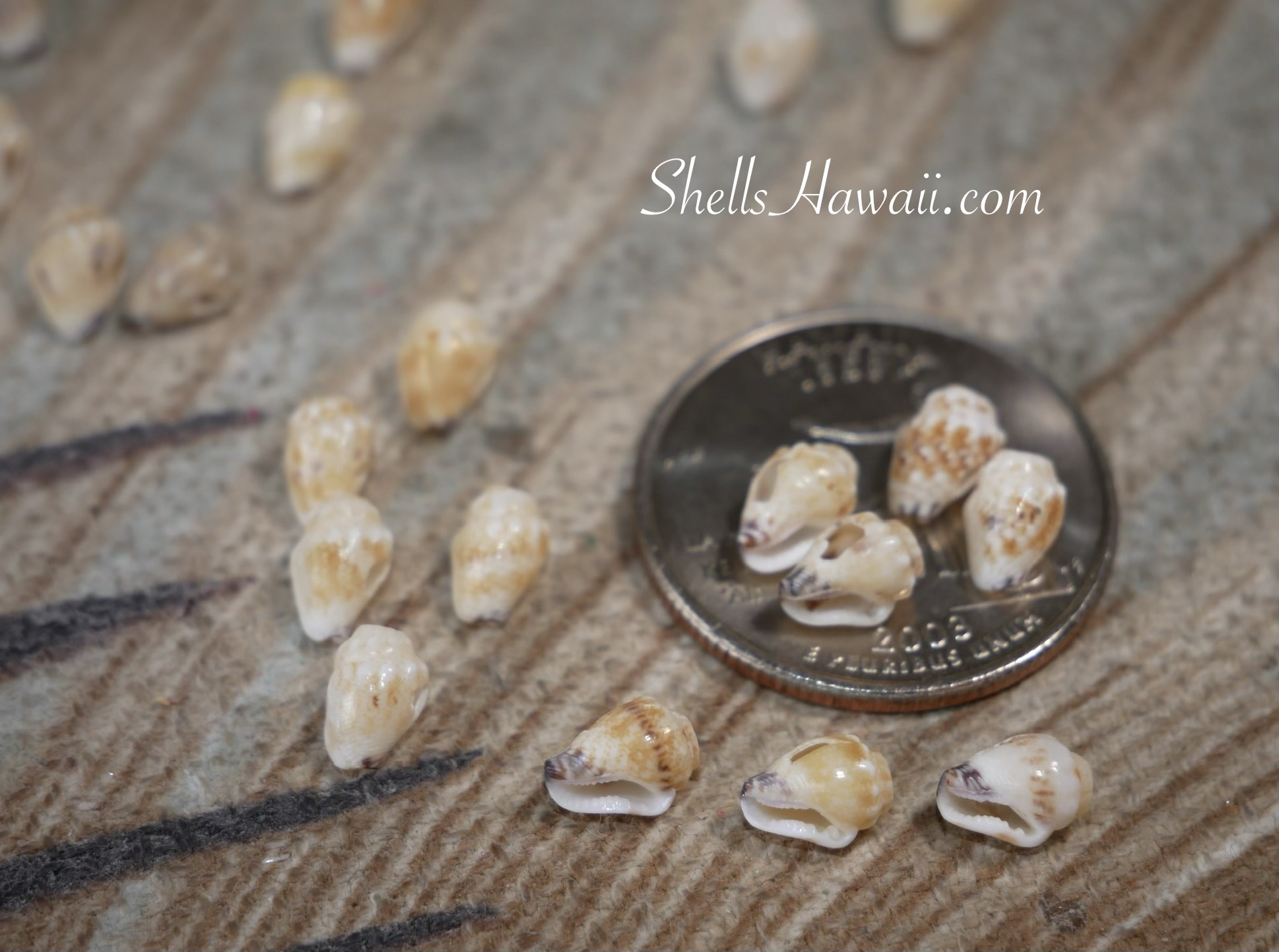
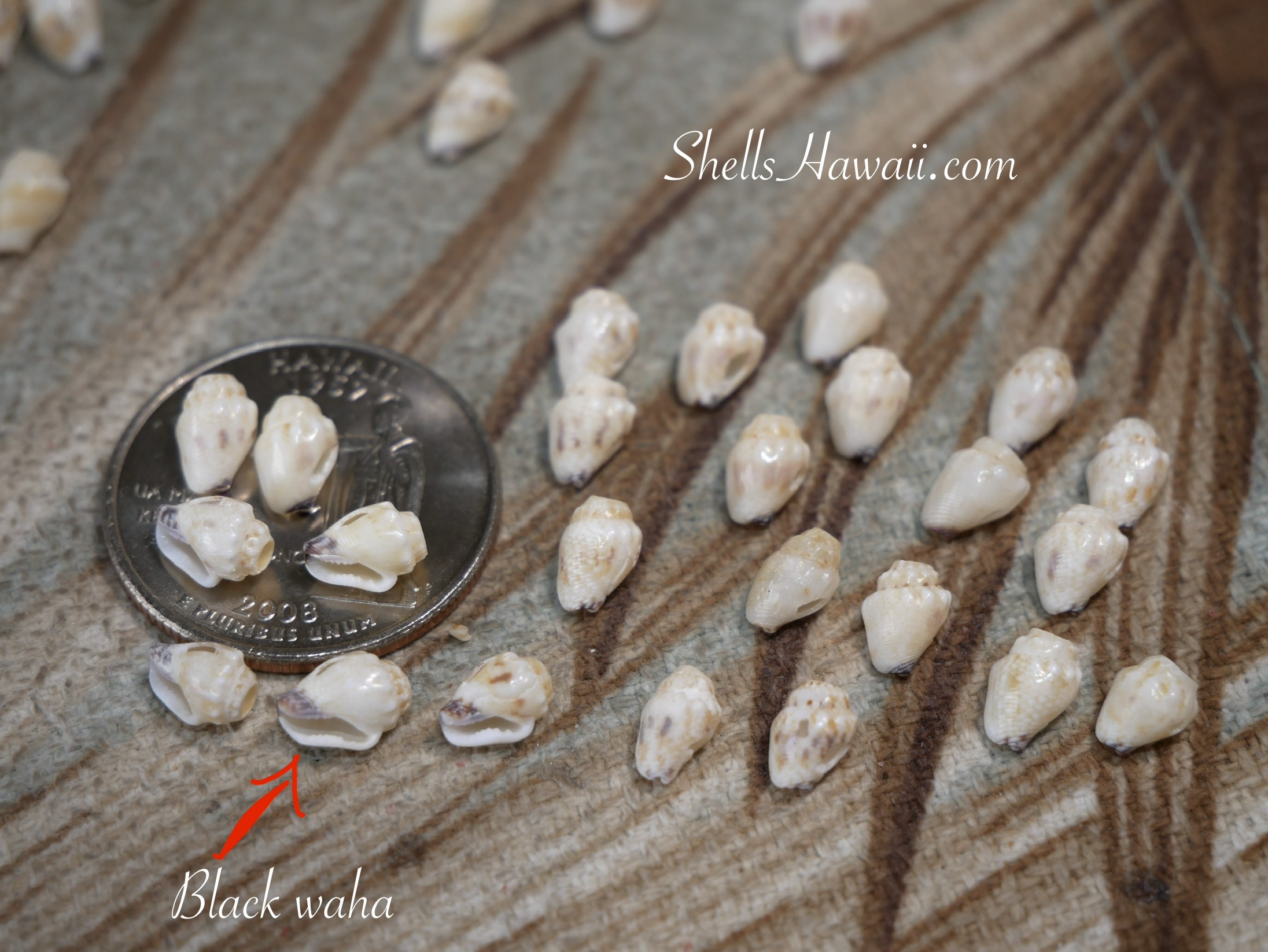
To build each color group, I place the shells side by side, one by one, comparing tones, markings, and overall feeling. I also flip each shell over to check the waha and see which ones show that beautiful black edge.
It takes a little more time — but honestly, this is one of the most enjoyable parts of creating Hawaiian shell jewelry. It’s quiet, focused, and a little bit like solving a tiny natural puzzle shell by shell.
The Cream-Tone Group That Stood Out
This group of Momi shells really caught my eye because they have thicker layers and a more solid cream tone. Most of them are smooth with very little pattern, but they share the same black waha detail.
I found myself quietly hoping I would have enough of this group to build a matching pair of Heleconia earrings. Sometimes the shells decide the design for me — and I just follow along.
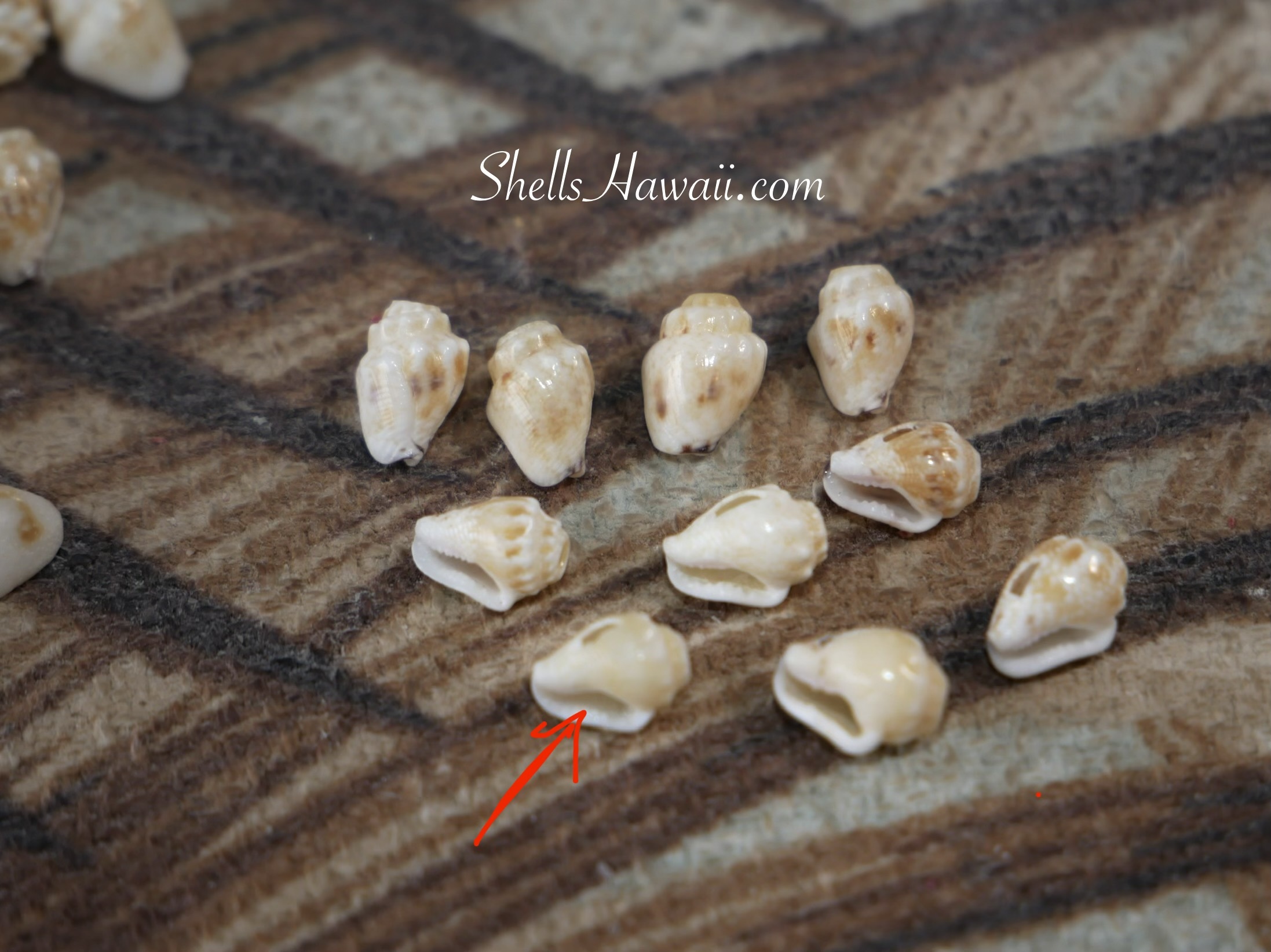
The Clean Yellow Group Without Dark Waha
After separating the darker Lenalena Momi with black waha and the thicker cream-tone group, we can clearly see what remains — the softer yellow shells without dark waha coloring.
This group creates a cleaner, brighter look when used in Heleconia style earrings. Each tone gives a slightly different personality to the finished pair.
Choosing Kahelelani Size for Heleconia Style
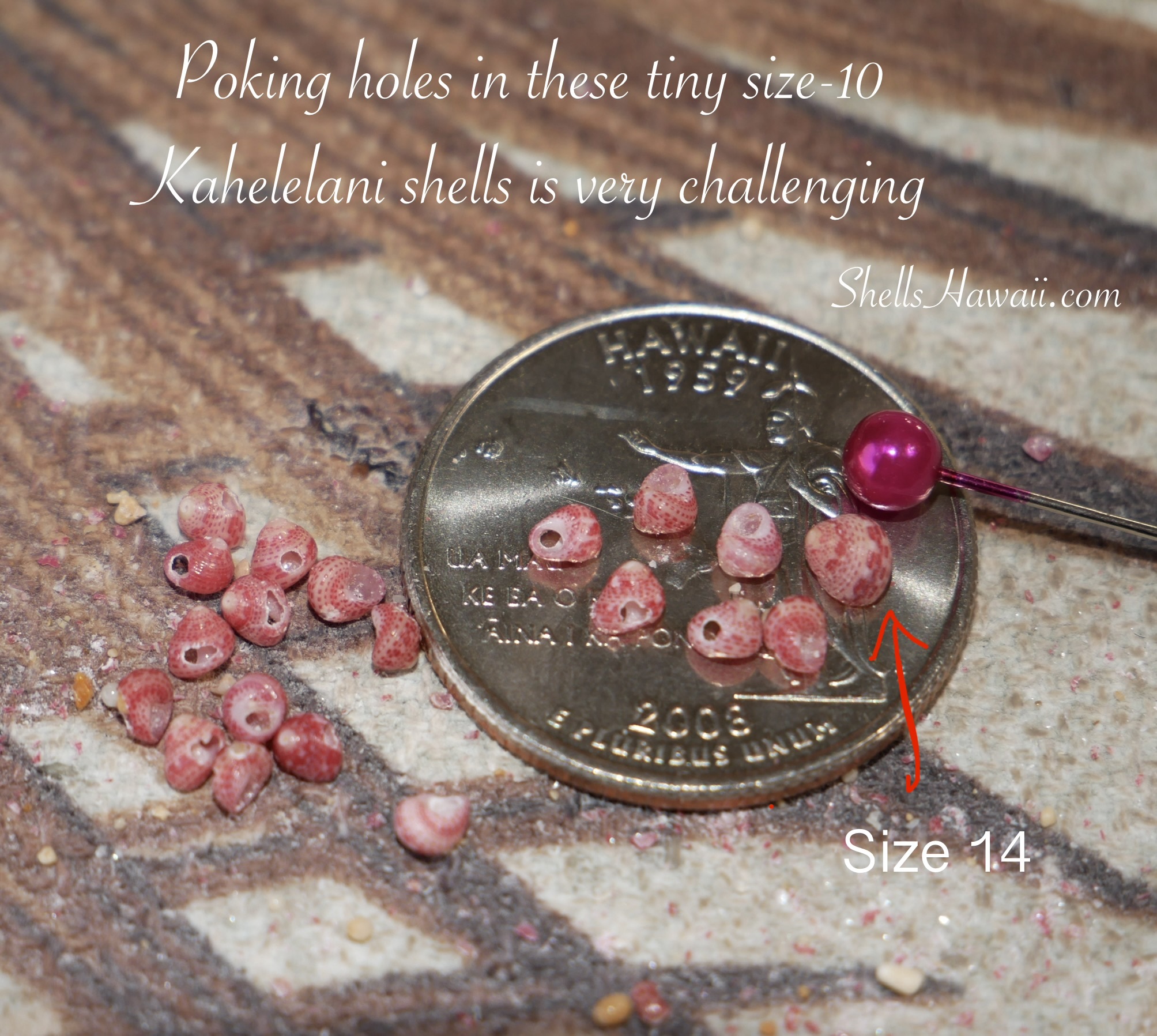
For Heleconia style Niʻihau shell earrings, the Kahelelani size I most often use is size 10–11. I personally love this smaller size because it gives the earrings a finer, more delicate feeling.
Of course, size 10–11 Kahelelani shells are very tiny — and yes, that’s exactly where the real challenge begins.
Next comes the poking stage. This is where patience, steady hands, and a deep breath become your best friends.
As you can see in the size comparison photos, this shows how far apart size 10 and size 14 shells really are. I mention this often in my blogs because it’s one of the most important things to understand before buying any loose shells or deciding to purchase Kahelelani shells. You really need to know how small these shells truly are — please don’t just guess the size. Seeing the comparison helps set the right expectations before you begin working with them.
Even though I do offer loose shell supplies, I always encourage customers to read my blogs first so they have a much better understanding of shell sizes. Try not to decide only from the beautiful colors at first glance — size matters just as much when you begin working with Kahelelani shells.
After we’ve finished finding and separating the Momi shell colors for my new creation, now it’s time for me to choose the Kahelelani shell color. To create a flowing Heleconia style pattern, you can play with many different Kahelelani shell colors to give the finished piece a different look or feeling each time.
In this case, because we’re using some yellow Lenalena Momi shells, I want the design to have a softer overall look, even though it includes the darker black waha details.
To build the Heleconia pattern, I now bring in Kahelelani shells. Many colors can pair beautifully with yellow, but I wanted something that would soften the look and balance the darker black waha details. After testing a few ideas, I chose pink flower Kahelelani — ʻĀkala pua — like a tiny flower accent inside the design. The pink adds warmth and gentle contrast without overpowering the Momi shells.
The Final Result — How This Two-Tone Momi Shell Heleconia Style Design Turned Out
Can you see the two different tones of Momi shells we separated earlier?
Here’s how the earrings turned out. I was able to complete the two-tone Momi shell colors we carefully sorted earlier, paired with the soft pink Kahelelani accents. I think they turned out very beautiful and give the Heleconia style a clean, balanced look.
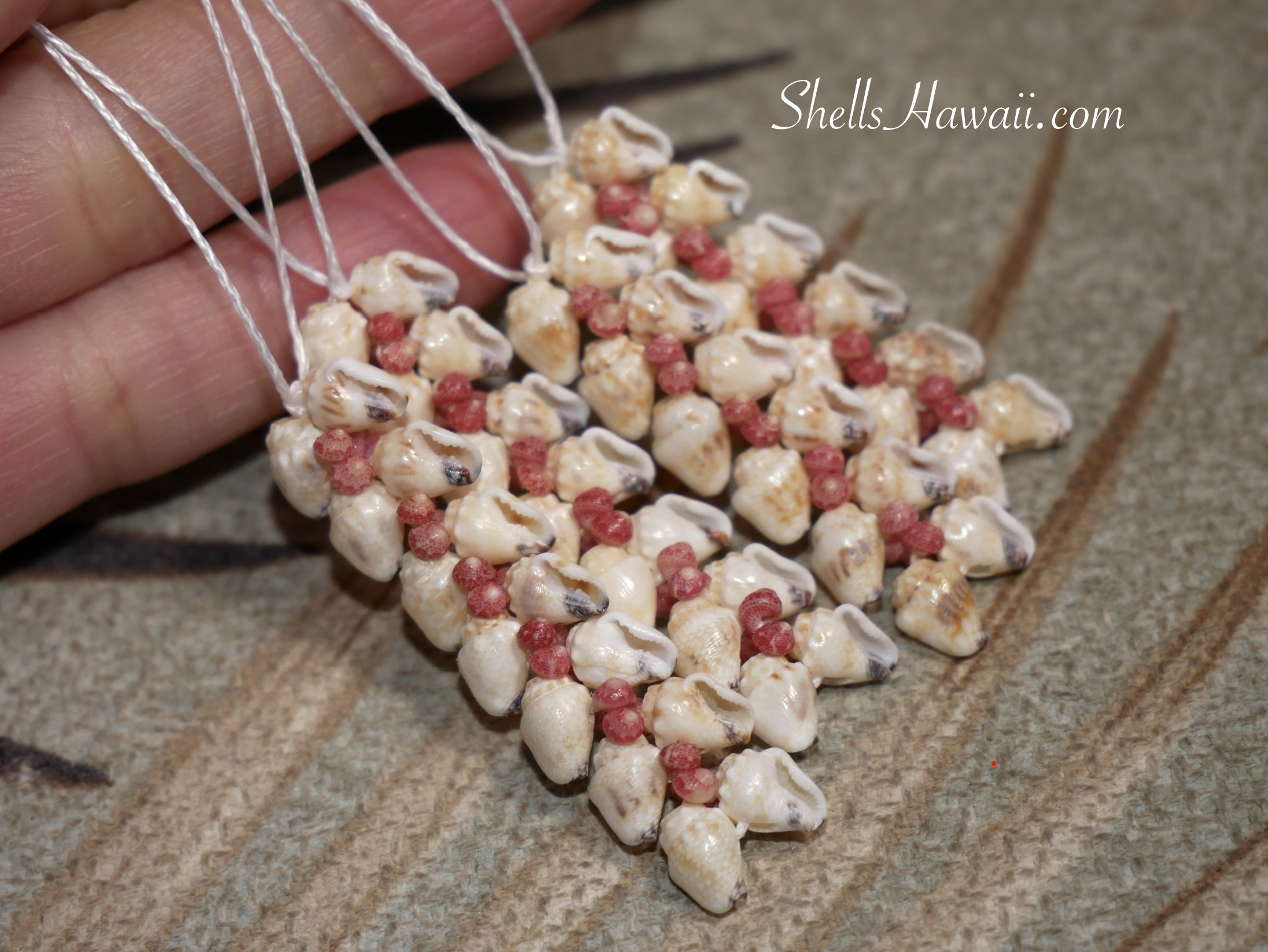
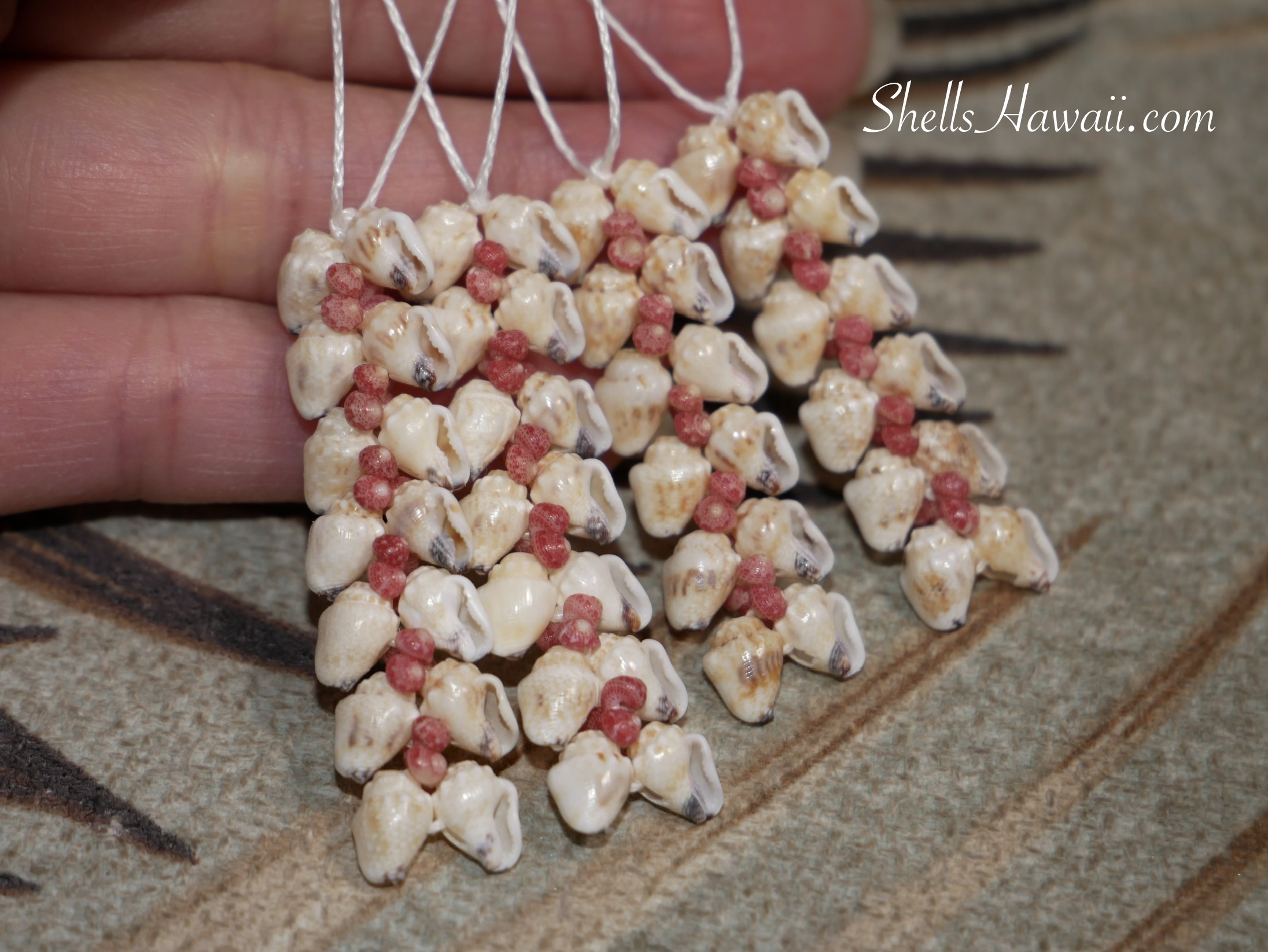
You can see how the lighter Lenalena Momi tones, the deeper marked shells, and the small black waha details add contrast and depth, while the pink Kahelelani brings a gentle softness into the pattern. Together, they create a flowing Heleconia style design that feels bright, delicate, and well-defined.
To Enclose This Beautiful Heleconia Style Design
Now we’re coming to the end of our creation day together, and I truly hope you enjoyed spending this time with me — seeing the behind-the-scenes steps, the sorting, the color choices, and how this Heleconia style design slowly came to life shell by shell.
If you’d like to see how the finished Heleconia earrings turned out, you’re always welcome to visit my Heleconia earrings section and take a closer look. And if you feel like wandering a little further, there are many more related blogs waiting for you to explore. If any questions come to mind along the way, please feel free to contact me anytime — I’m always happy to hear from you.
Before each piece finds a new home, you can see how many careful steps and how much time go into the process. That’s why every piece I create feels very personal to me. I truly hope each one finds its way to someone who will enjoy wearing it, feel connected to it, and cherish it for a long time.