 USD
USD


If you’ve ever picked up a tiny shell and found yourself wondering, “Is this really from Niʻihau?” you’re definitely not alone. It’s one of the most common questions people ask when searching for authentic Niʻihau shell jewelry or trying to learn how to tell if Niʻihau shells are real. I truly understand the curiosity. These tiny treasures are more than just shells — they are part of Hawaiian culture and artistry.
Over the years, I’ve learned that identifying real Niʻihau shells isn’t always easy. There is no little stamp that says “Niʻihau,” but there are clues — color, luster, texture, and a story behind every piece of authentic Hawaiian shell jewelry. Let’s take a closer look together.
Shell Types Used in Niʻihau Shell Jewelry
Niʻihau is famous for Kahelelani, Momi, and Laiki shells — the true stars of authentic Niʻihau shell jewelry.
You can sometimes find these shells on other Hawaiian islands too, but the ones from Niʻihau usually stand out. They often show a richer variety of colors, and the luster seems to jump right out at you even under soft light. Each shell feels alive, with deeper tones and natural shine that you rarely see in shells collected elsewhere. There is just that special “something” about them — a beauty that collectors and Hawaiian jewelry lovers often fall in love with right away.
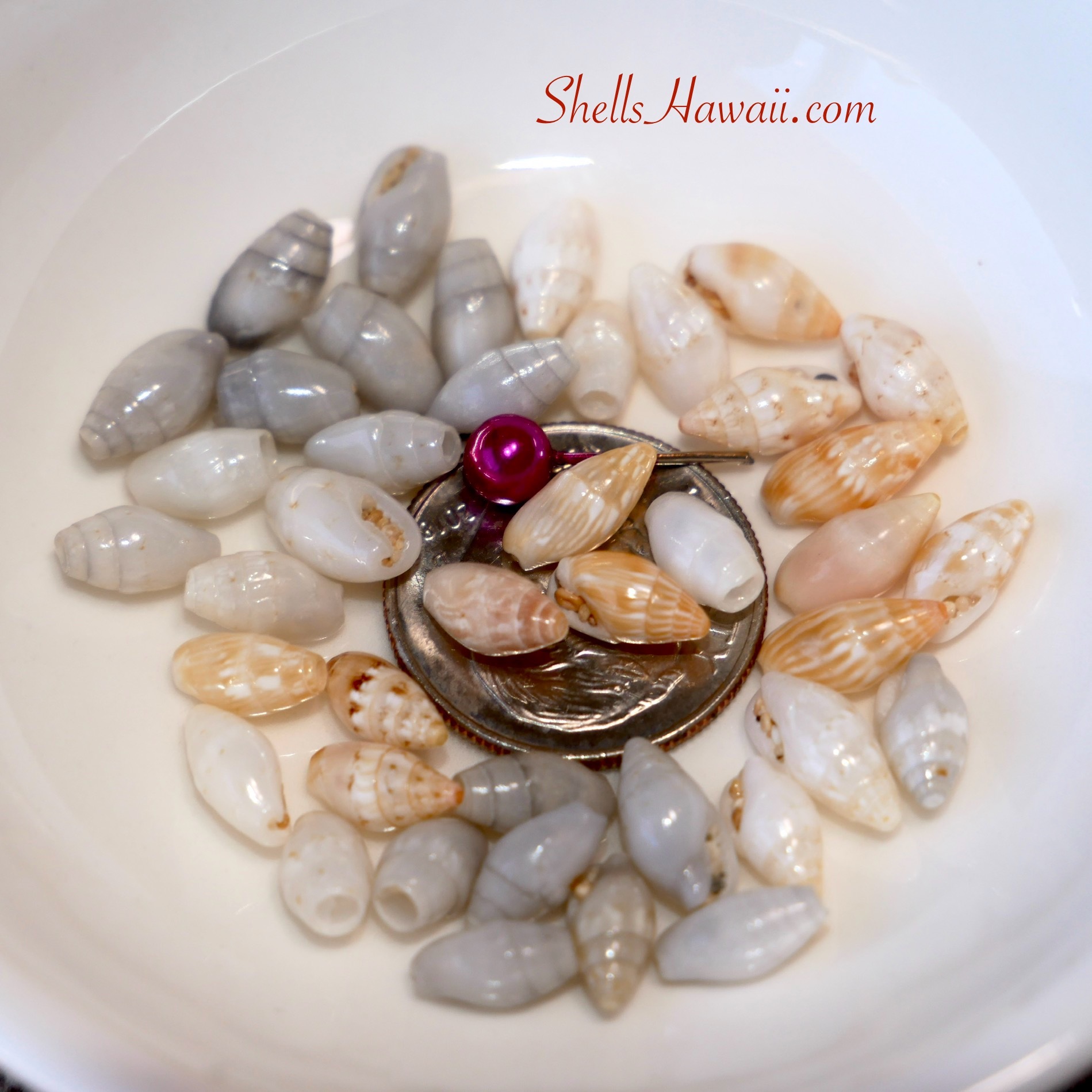
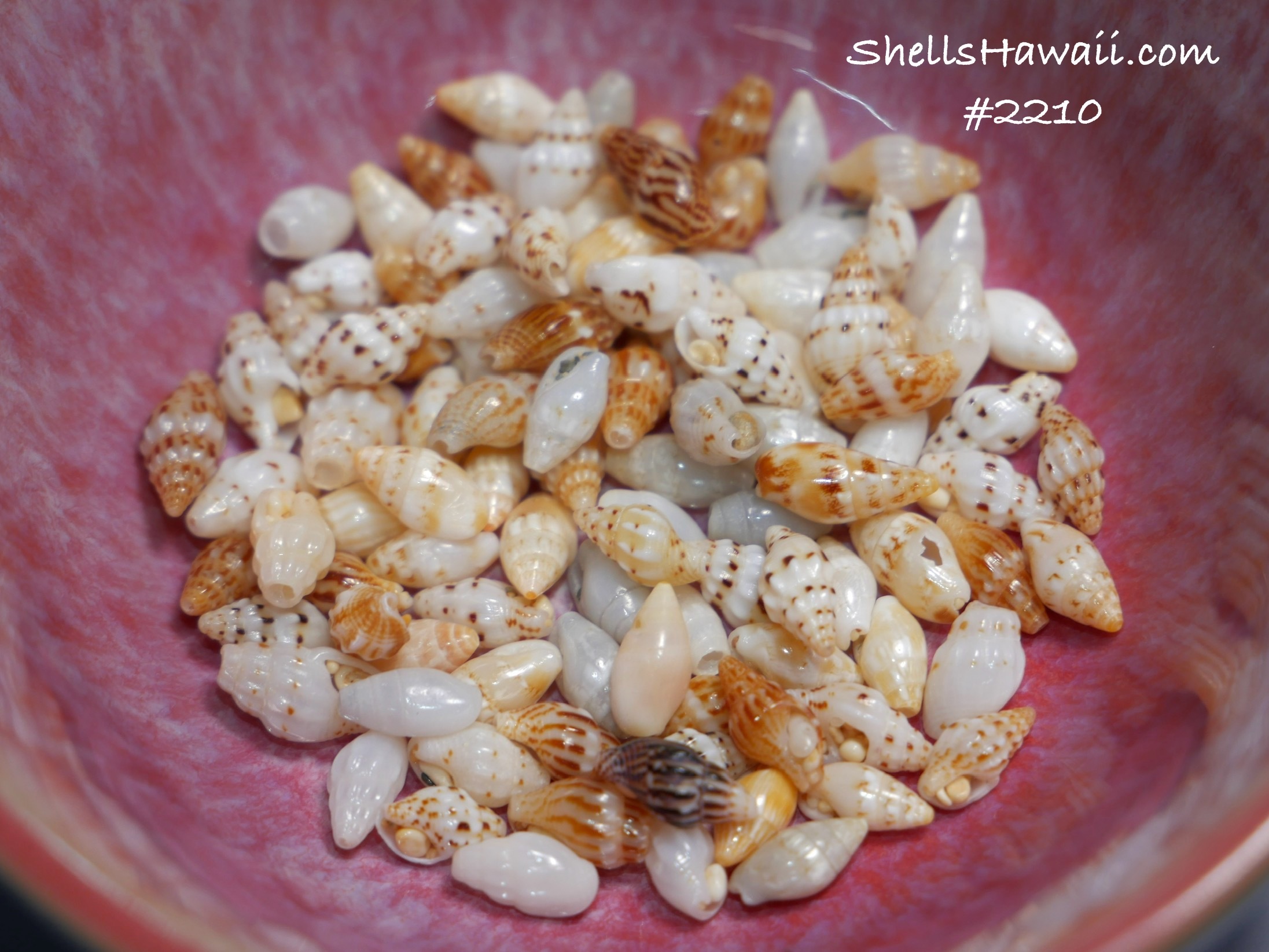
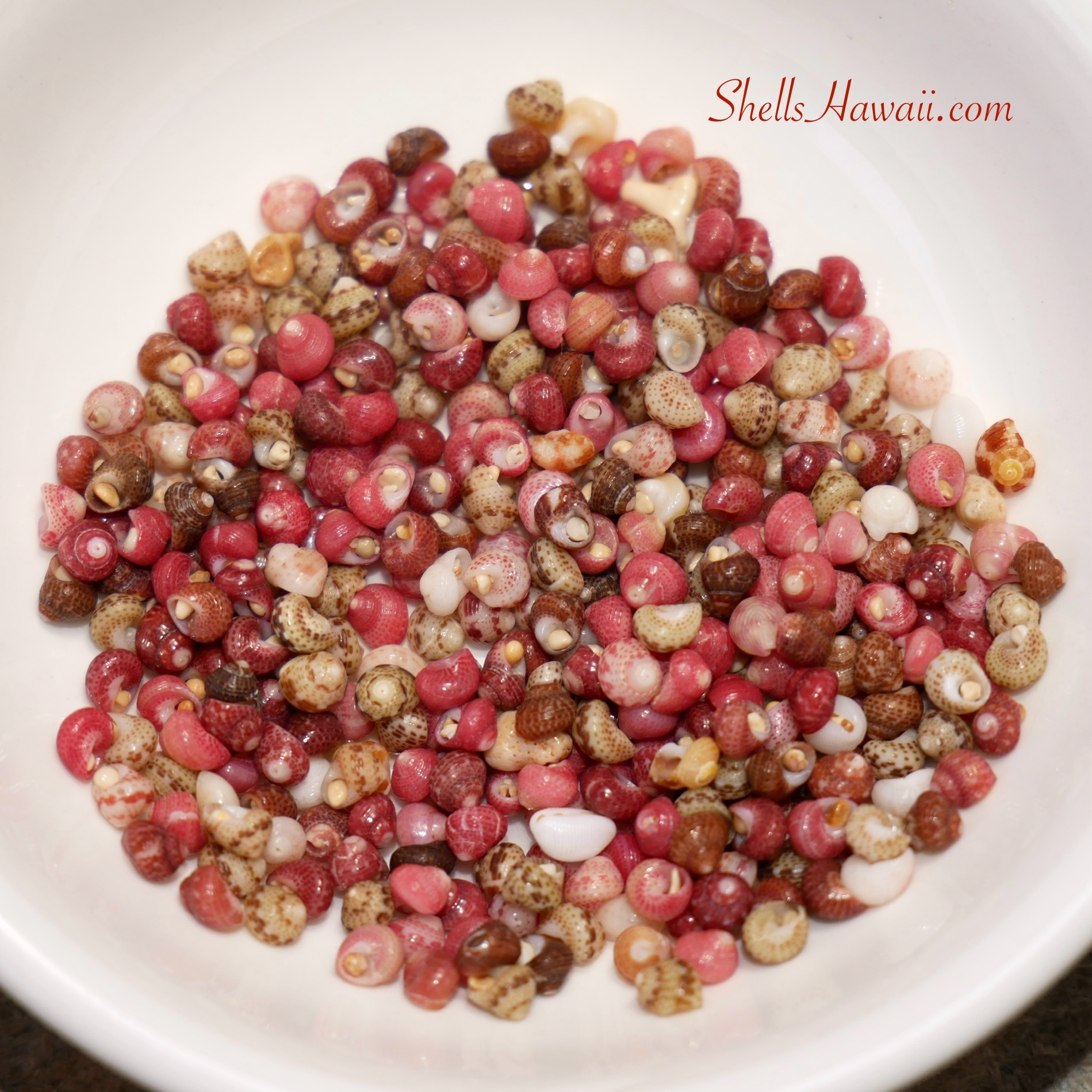
Kahelelani shells: Tiny, colorful Kahelelani shells from Niʻihau — one of the most prized shells used in traditional Niʻihau shell jewelry.


Momi shells: Smooth and luminous Momi shells, known for their natural shine and beautiful range of colors used in Hawaiian shell jewelry.

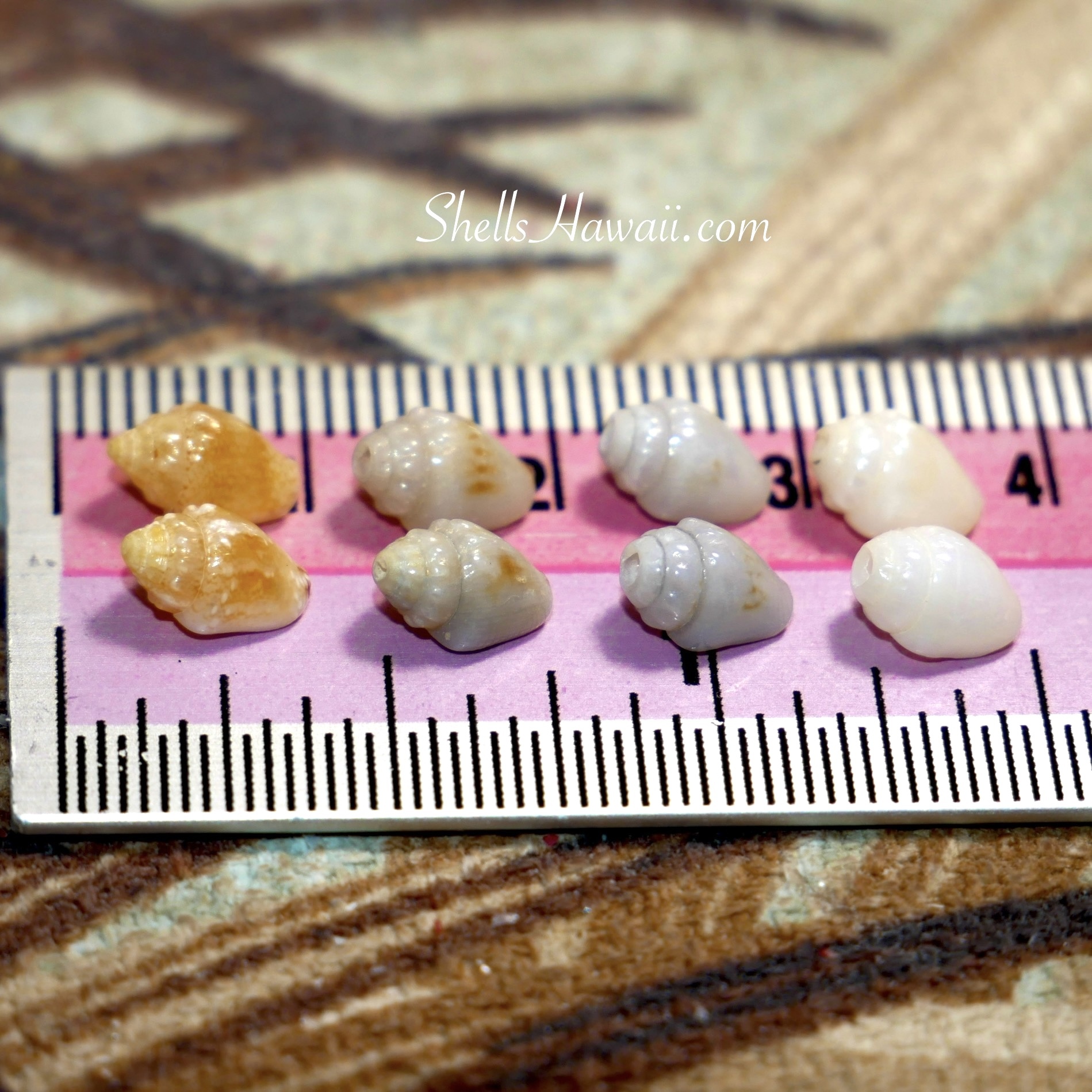
Laiki shells: Small rice-shaped Laiki shells from Niʻihau, often used to create elegant multi-strand lei and traditional Hawaiian jewelry designs.
The Colorful Shades of Shells — Like a Hawaiian Rainbow After the Rain
One of the most magical things about Niʻihau shells is their incredible range of colors — from soft pearl whites and golden Momi, to pink, red, and burgundy Kahelelani, along with deep greens and even jet black.
It feels a little like walking past rows of leis at a Hawaiian craft fair, each strand showing off its own small rainbow. Every shell carries its own natural shade, and together they create a tapestry of colors that is hard not to admire.
Shells from other islands can sometimes look a bit sun-faded or pale because the sand, ocean currents, and sunlight are different. But when a Niʻihau shell catches the light just right, you can see it sparkle in a way that collectors and Hawaiian shell jewelry lovers recognize immediately.
For those searching for authentic Hawaiian shell jewelry or trying to understand how to tell if Niʻihau shells are real, these color differences can sometimes be the first clue of origin.
Side-by-side comparison of Kahelelani shells from Niʻihau and Kauaʻi.
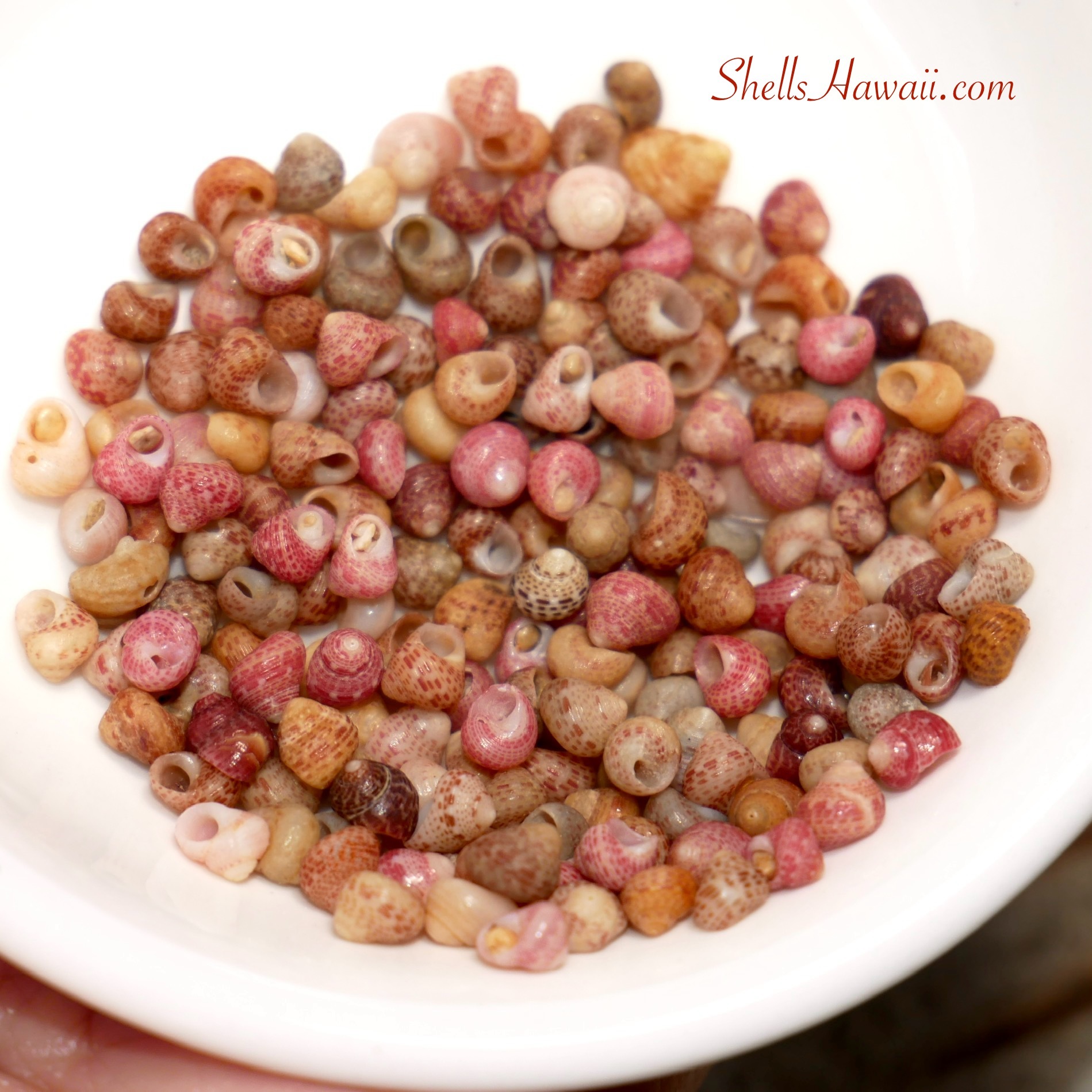
Shell Quality — What to Look For to Identify If Shells Are Truly from Niʻihau
Another thing that makes Niʻihau shells so special is their natural shine. They often look polished, but that glow is all from nature — nothing artificial. Even the sand that sometimes gets caught in the shell’s mouth sparkles softly, showing how strong the luster is on those tiny surfaces.
Niʻihau shells usually have fewer pits or chalky spots than shells found on rougher beaches — and that’s where the sand makes a difference. On many Niʻihau beaches, the sand is incredibly fine, almost silky, helping the shells stay smooth and glossy. Even the sand itself glimmers with luster.
When you look closely, each authentic Niʻihau shell carries clues to its origin. These small details can help you tell whether a shell truly comes from Niʻihau:
-
Luster: Real Niʻihau shells glow with a deep, natural radiance — not glossy like polish, but smooth and full of life.
-
Texture: The surface feels strong and smooth, never thin or brittle. The shell should feel well-formed, not fragile.
-
Color: Authentic Niʻihau shells show natural depth and warmth in their color — from soft whites and golden yellows to pinks, greens, and rich burgundy tones. They rarely appear dull or faded.
-
Shape & Consistency: For lei and Hawaiian jewelry, shells are chosen for uniformity and harmony. Even when designs use gradual size changes, Niʻihau shells tend to align beautifully.
-
Inside of the Shell: A true Niʻihau shell often has a glossy, smooth interior when seen under light. Even sand caught inside may shimmer slightly — a small but distinct sign of the island’s silky beaches. Shells from other islands often show darker, rougher interiors and coarse, matte sand.
Side-by-side comparison of finished jewelry made with Kahelelani shells from Niʻihau and Kauaʻi.
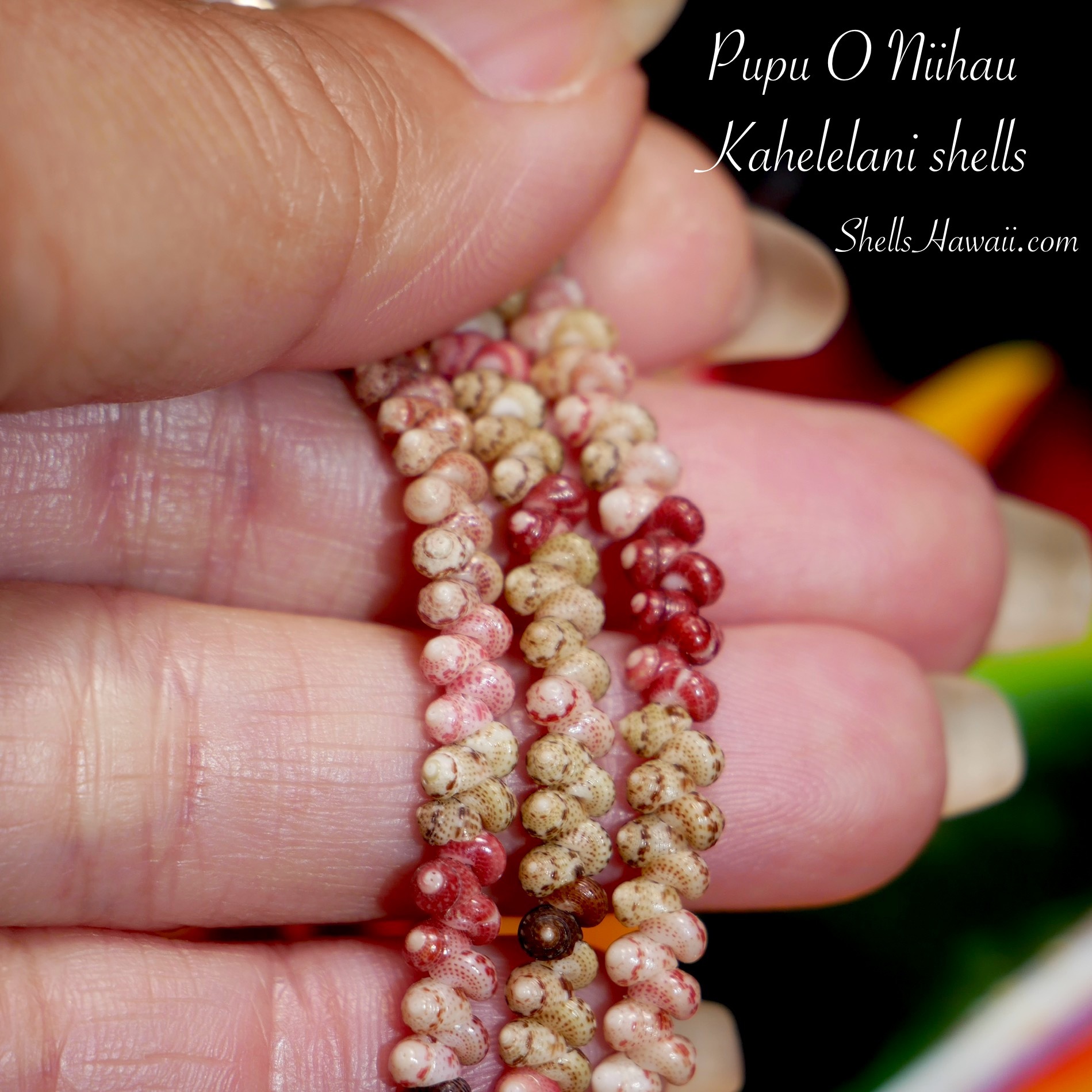

Proof Matters
In Hawaiʻi, the law says you can only call something “Niʻihau shell jewelry” if 100 percent of the shells were gathered from Niʻihau or its small offshore islets.
Over the years, the phrase Niʻihau shell jewelry has sometimes been used more loosely to describe Hawaiian shell jewelry made with the same types of shells. Technically that is not correct by Hawaiian law, but it helps explain why the name is often used this way.
Many people first learn about Hawaiian shell jewelry by hearing the term “Niʻihau shells.” When customers ask, “Are these Niʻihau shells?” it can sometimes be easier for sellers to simply say yes — even if the shells were gathered on Kauaʻi or another island.
Understanding how Niʻihau shell authenticity works can help anyone searching for real Hawaiian shell jewelry feel more confident about what they purchase.
Are These Niʻihau Shells? The Famous Question!
Let’s imagine you’re visiting one of the Hawaiian Islands, and on your list of things to do is a stop at a local farmers market or Hawaiian craft fair — one of the most famous and memorable experiences for visitors. You’ll find handmade treasures everywhere: wood carvings, lauhala baskets, tropical fruits, and local foods that fill the air with sweet scents.
And then, as you walk a little further, you notice a table that sparkles with color — jewelry made from the tiniest, most vibrant shells. It looks just like my booth at the island craft fairs I used to attend (one of my absolute favorites, and something I truly miss dearly).
You stop to look more closely. Every strand and pair of earrings seems to shine with light. You may not know the Hawaiian shell names yet, or exactly what to ask, so you smile and ask the question I hear almost every time:
“Are these Niʻihau shells?”
It always makes me smile, because I know it’s coming. And my answer is always honest:
“They are the same type of shells used in Niʻihau shell jewelry, but because they weren’t collected from the beaches of Niʻihau, you can’t call them Niʻihau shell jewelry.”
The reaction is usually the same — a polite “ahhh…” followed by a quiet pause, like they’re not quite sure what to think. And I completely understand that feeling. If you’re hearing it for the first time, it can be a little confusing!

If you ask me this question, I’ll always take the time to explain — where the shells come from, how each island shapes them differently, and why it matters. But what I’ve often heard from my customers is that not every seller takes that extra step. Some may simply say “yes,” and that’s it. It’s not always meant to mislead; it’s just the easiest way to answer a complicated question.
So here’s a small but important tip: if you truly want to know, don’t ask “Are these Niʻihau shells?” Instead, ask —
“Were these shells collected from the beaches of Niʻihau?”
That small change in wording makes all the difference. It opens the door to a truthful answer — and usually to a much clearer, more honest conversation.
Sometimes, I even ask back gently:
“Do you prefer jewelry made only with shells collected from Niʻihau beaches? Or would you be just as happy with shells from Kauaʻi or other islands? They’re the same type of shells — the same species — the only difference is where they were collected.”
Most of the time, though, this just adds to the confusion — and that’s why many sellers simply say, “Yes, these are Niʻihau shells.” It’s easier, it’s what people recognize, and it avoids the long explanation. But I believe sharing the truth, even in simple words, helps people appreciate the beauty and origin of every shell more deeply.
Many Hawaiian shell jewelry buyers ask this same question when learning how to tell if Niʻihau shells are real, and that curiosity is such a beautiful first step into Hawaiian culture and the story behind each shell.
After All We’ve Learned About Niʻihau Shells
Even with all these tips, it can still be tricky to tell where shells come from. After years of collecting and creating authentic Niʻihau shell jewelry, I’ve learned that the difference often shows itself not just in how a shell looks — but in how it feels. It’s something that comes only with time, patience, and countless hours of sorting tiny treasures under a bright lamp.
If you truly want Niʻihau shells, the best way is always to buy from someone you trust.
I’ve been blessed to learn from, and purchase shells through, very respected gatherers — people who know Niʻihau’s waters and beaches better than I ever could. Many of them also create Niʻihau shell jewelry themselves, and most are true masters of the craft.
Kahelelani poepoe style shell earrings — a comparison of shells from Niʻihau vs. Kauai
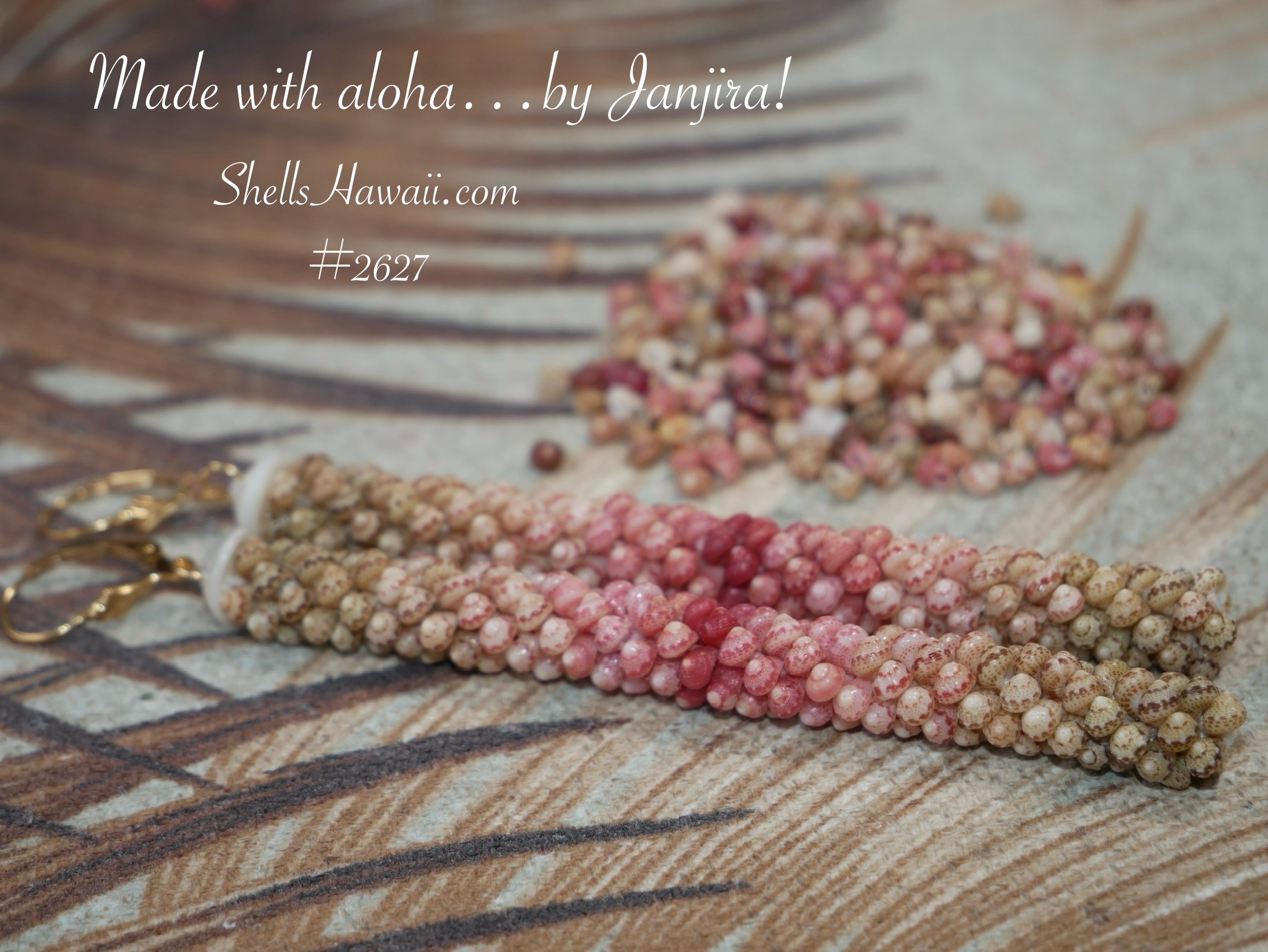
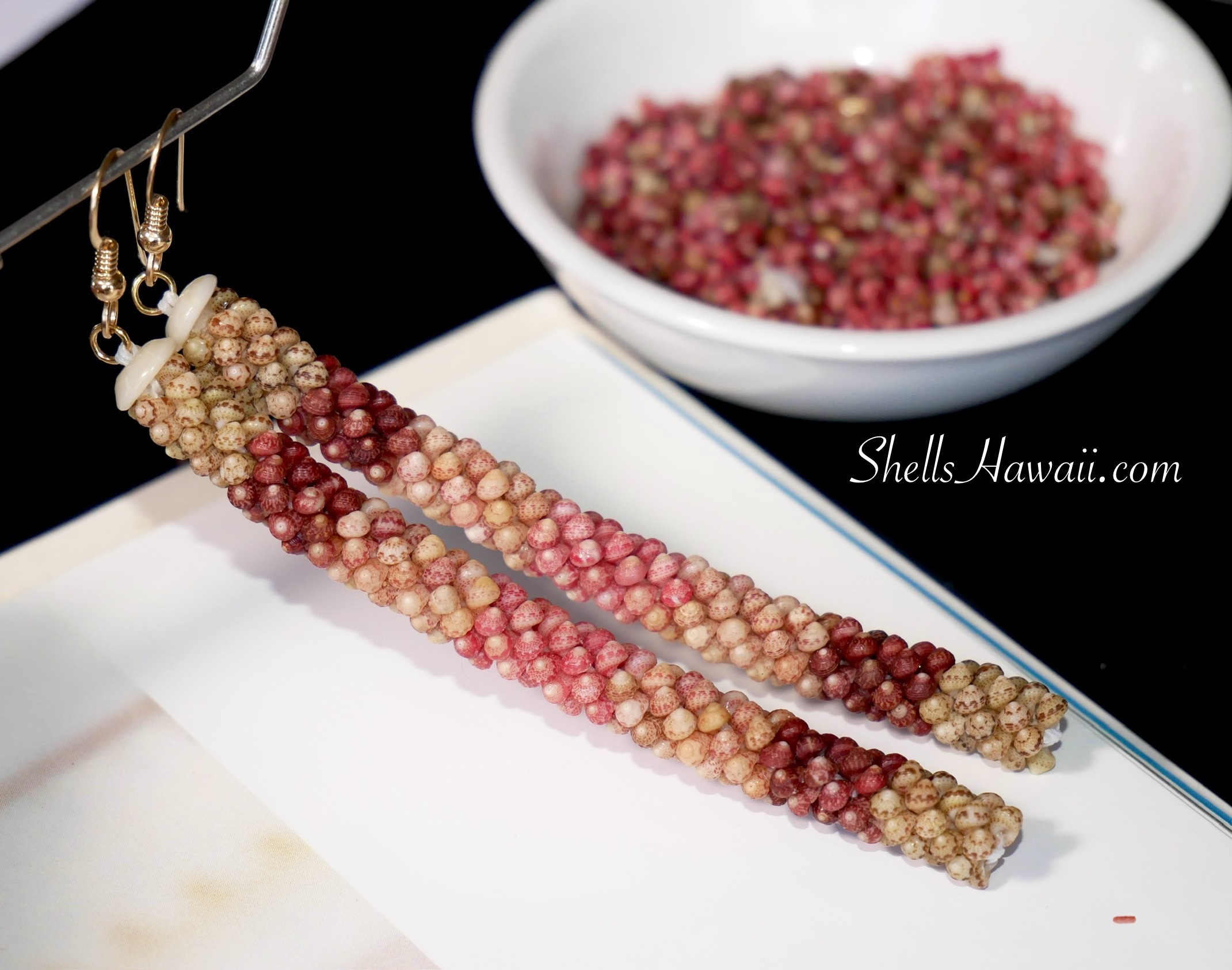
I can promise you this:
I will never advertise shells or jewelry as Niʻihau if they were collected from another island. Every shell I use is described truthfully, and every piece of authentic Hawaiian jewelry. I create honors its island of origin.
All shells deserve to be celebrated for where they come from — and I want my customers to always feel confident, knowing exactly where their shells were gathered and being able to share that story with pride whenever they wear their jewelry.
Each shell I use comes from trusted connections, and I’m deeply grateful for the relationships that make it possible to share these treasures with you.
In the end, it’s not just about spotting the difference — it’s about respecting the craft, the culture, and the people who keep this tradition alive.
And maybe, just maybe, smiling at the famous question along the way.
— Janjira