 USD
USD


Aloha and welcome back to the ShellsHawaii blog, everyone.
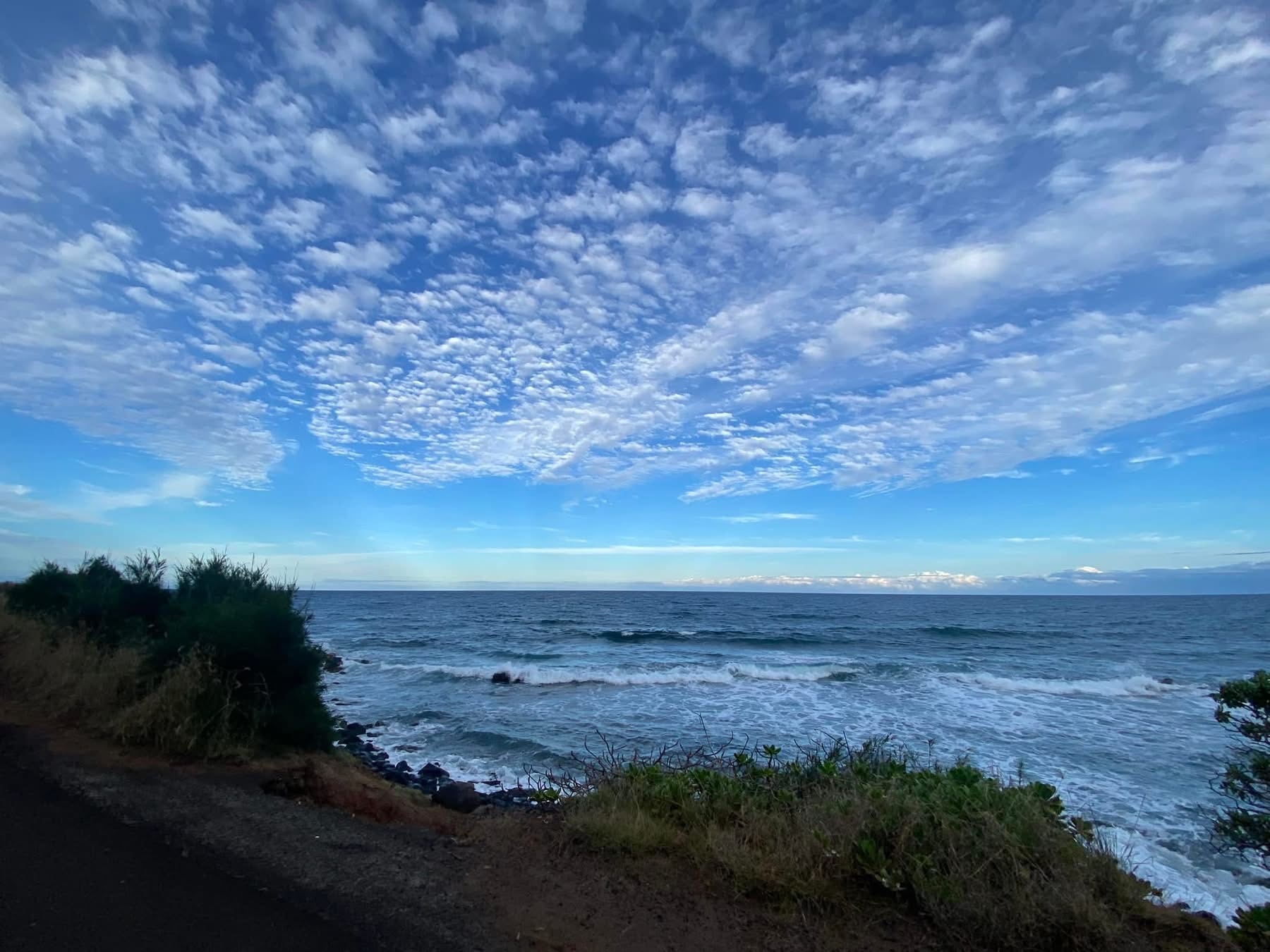
When you hear the color blue, what is the first thing that comes to mind? For many people, it may be the sky. And if you have ever been to the Hawaiian Islands, you may remember the beautiful blue skies, the ocean, and the clean beaches. The blue sky in Hawaiʻi always feels a little different — it sits so beautifully next to the rich green mountains and the soft colors of tropical flowers. Everything feels alive, fresh, and full of warmth.
I miss Kauaʻi dearly, the place I will always call home after 19 years of living there. I’m sure many people that used to live in Hawaiian island and have to move away after many years on the island feel the same way.
And maybe that feeling is what brings me back to the ocean. The endless blue — calm, open, and peaceful. The way the water changes color as it moves, touching the sand, reflecting the sky, and blending with everything around it. Blue feels gentle, steady, and full of quiet depth.
Today, at my work table… I find myself reaching for one of my favorite colors of Momi shells. I like to call it ocean blue. It feels like such a beautiful name for this shade. So today, let’s take a closer look together and get to know these ocean-blue Momi ʻŪliʻuli shades a little more.
What Are Ocean-Blue Momi ʻŪliʻuli Shades?
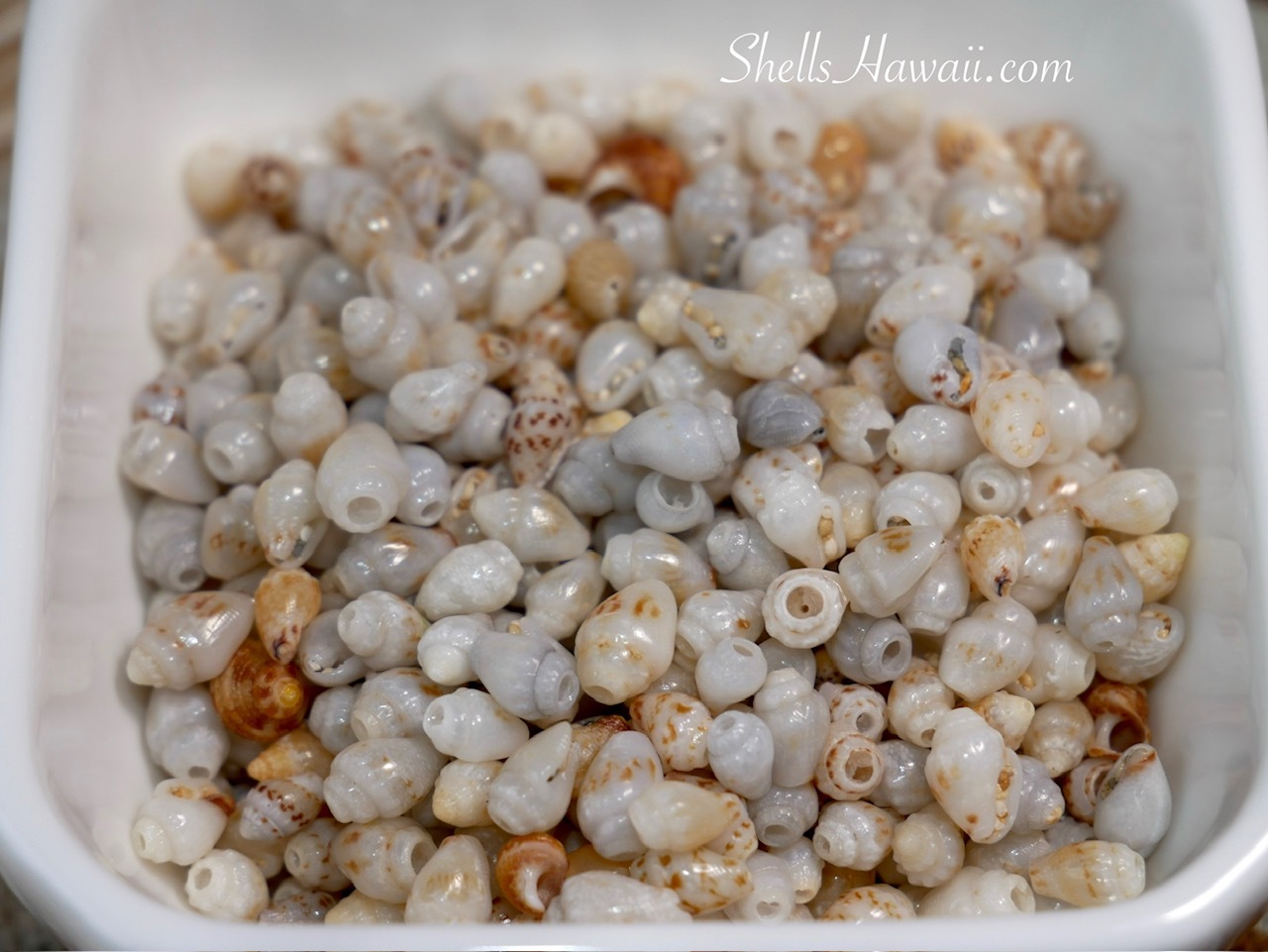
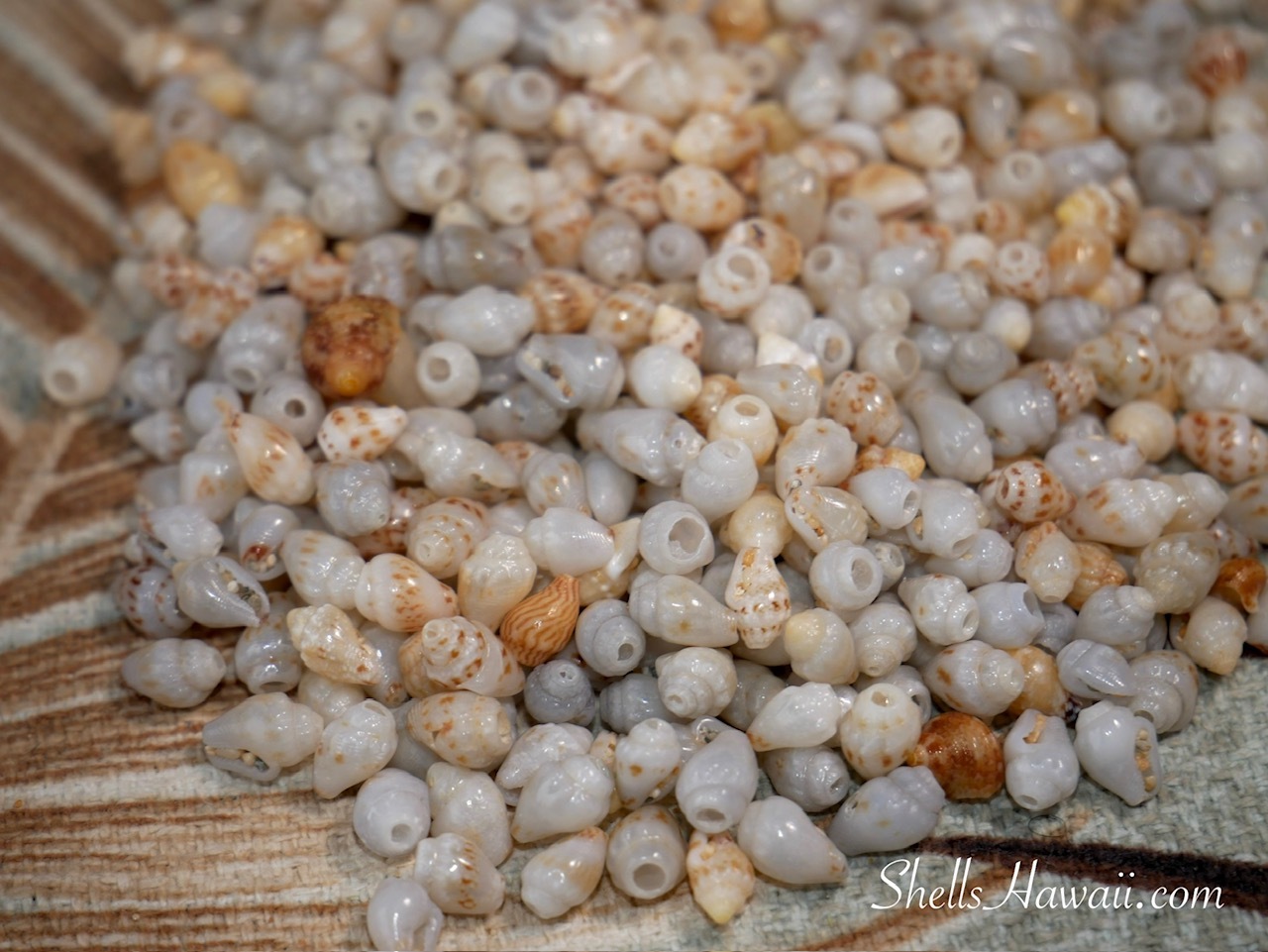
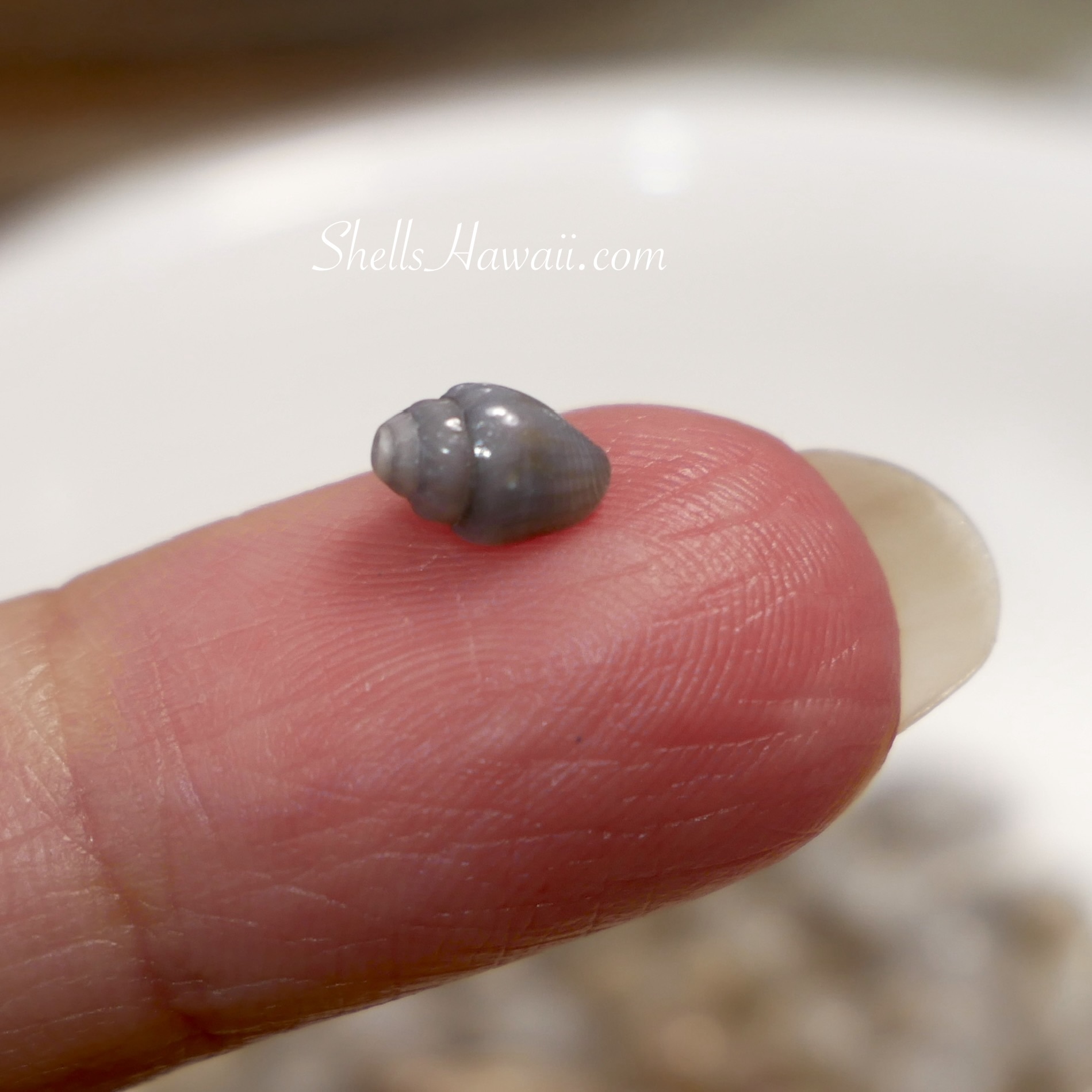
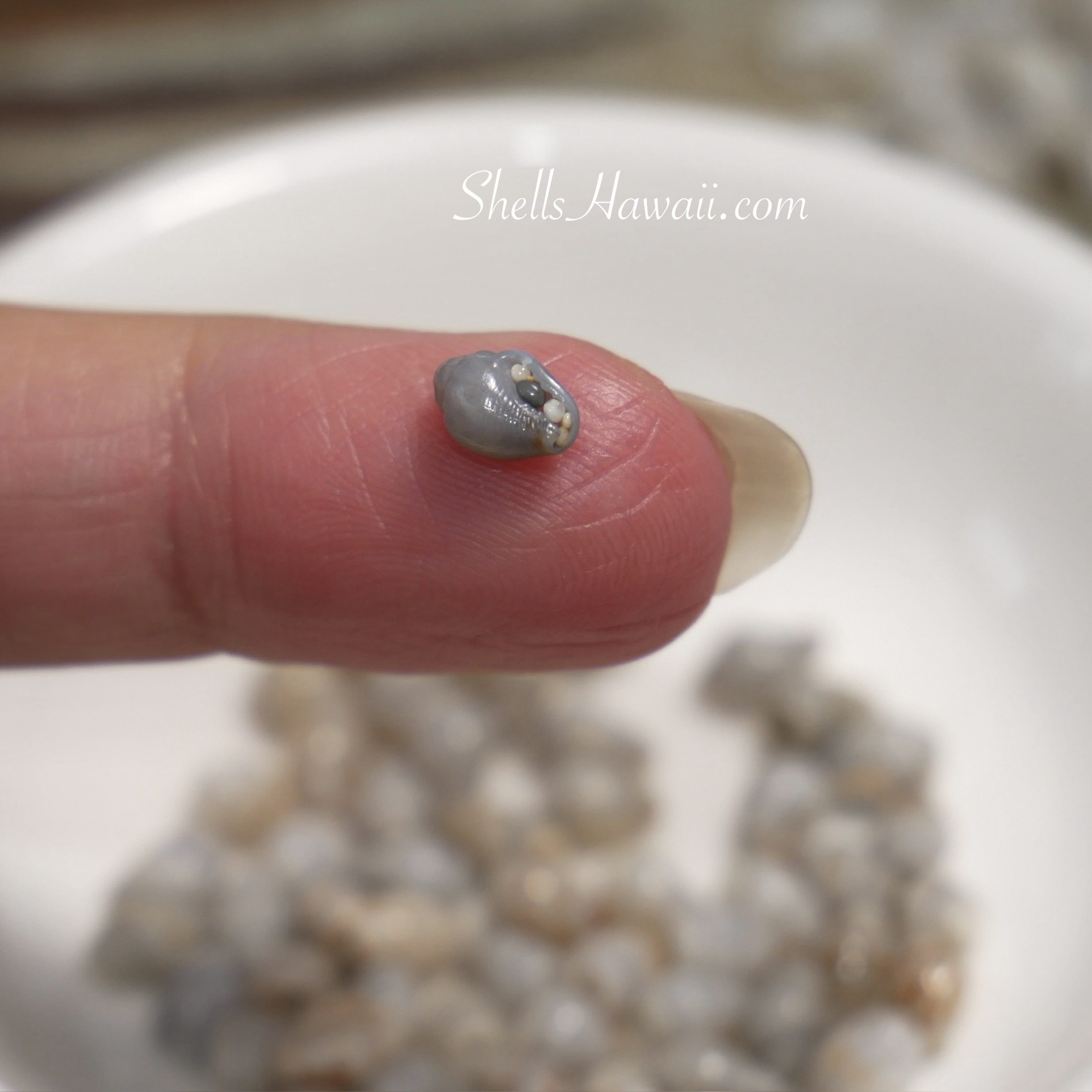
Momi shells are one of the most loved shells used in Niʻihau shell jewelry. They are known for their smooth surface and soft natural shine, and they come in many different colors. Among all these colors, the ocean-blue Momi ʻŪliʻuli shades carry a very gentle feeling. They are not a bright or bold blue, but lean into soft blue-gray tones, sometimes with a hint of green — almost like the ocean when the light shifts across the water.
When you look closely, each shell begins to feel a little different. Some are light and airy, while others are deeper and more settled in tone. This natural variation is part of what makes Momi shells from Hawaiʻi so special, especially when they are used in traditional Niʻihau shell jewelry where every small detail matters.
Are Shells Born Blue?
Many people wonder if these ocean-blue Momi ʻŪliʻuli shades were always this color. In rare Momi shells, and sometimes even in Laiki and Puka shells, the ocean leaves behind its own blue — formed slowly beneath the sand over a long period of stillness. These shells were not born blue. They earned it quietly, long before they ever reached the surface again.
In most cases, shells begin with much lighter natural tones, and what we see later is shaped by time, environment, and the conditions they rest in. I remember many years ago, when I first became curious about why some Momi shells appear blue, I spent time reading different shell and ocean-related articles. One idea that stayed with me was that the sand, minerals, and surrounding conditions may slowly influence how a shell’s color changes over time.
From what I have seen over the years, these blue shells carry a softer, deeper tone compared to freshly collected ones. The exact reason why some shells develop these ocean-blue Momi ʻŪliʻuli shades is not always clear, and it may simply be part of how time and the ocean quietly shape them. They may not be born blue — but somewhere along their journey, they slowly become it.
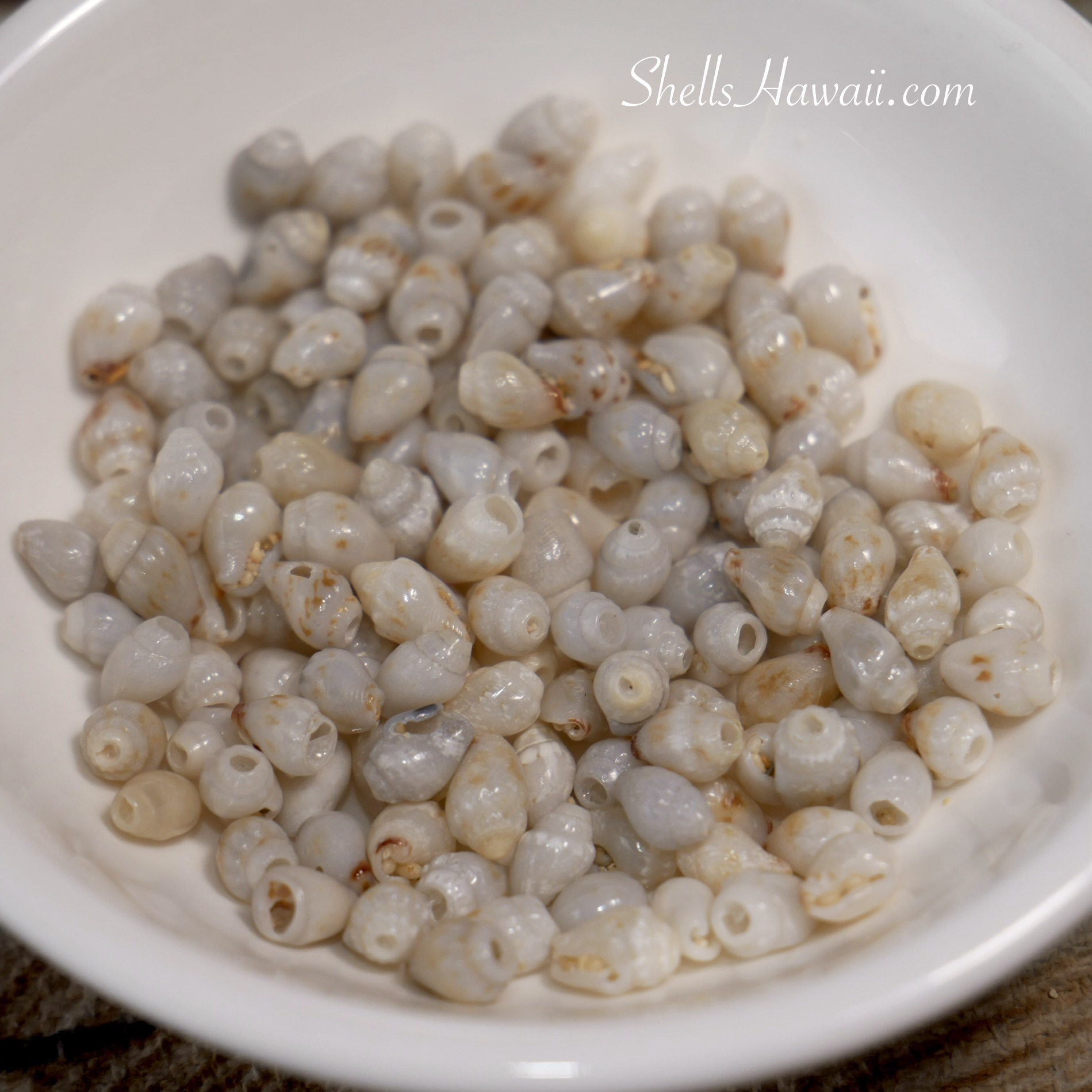
Light blue undertone Momi shells — notice the soft ocean-like tint in each shell. Next to it, you can see how this gentle color comes together in a finished earring design, creating a calm and elegant look.
The Different Blue Shades I See
As I spend time working with these Momi shells, I find myself slowing down and noticing the color more carefully. Over the years, after going through so many shells, I began to see these shades in a different way. What first looked like just “blue” slowly became something much more layered.
Some Momi shells carry only a very light hint of blue — almost like a soft tint resting over an off-white base. These are what I think of as momi ʻūliʻuli ʻāhiehie, a delicate and quietly beautiful shade. As I continue looking through them, the color deepens into soft blue-gray tones, sometimes with patterns, sometimes smooth, sometimes covering the whole shell, and sometimes appearing only in certain areas.
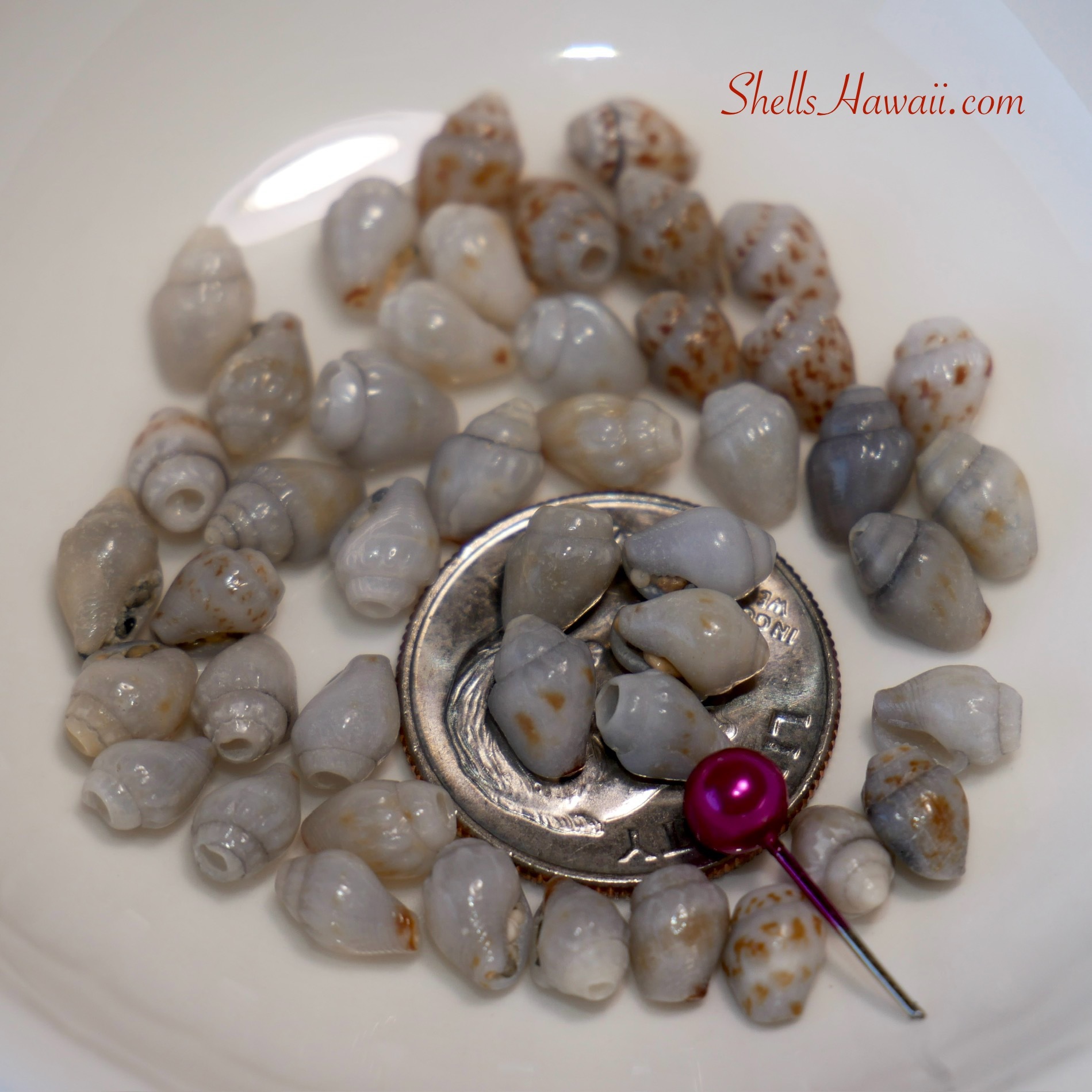
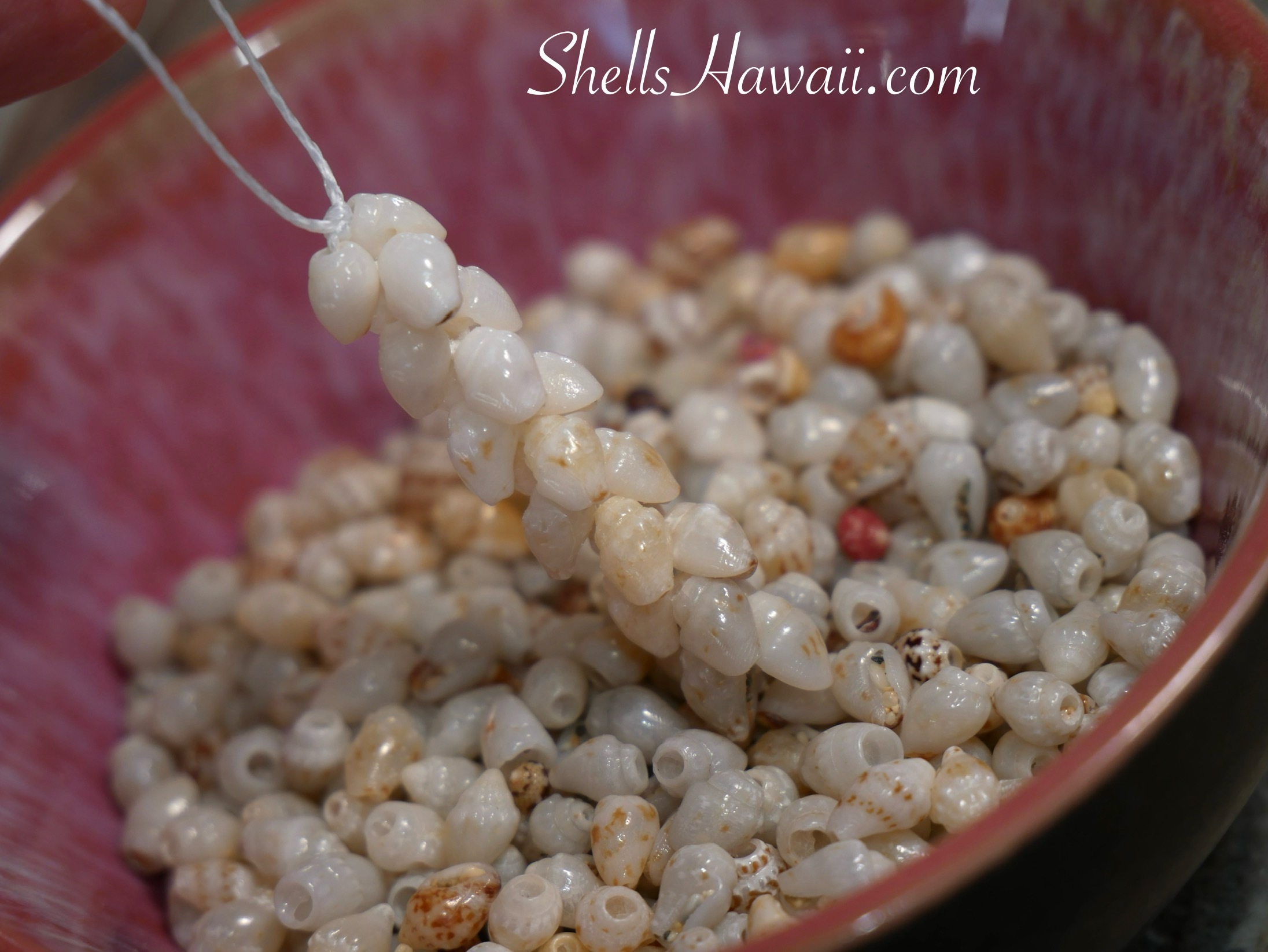
Medium blue Momi shells — a deeper ocean tone that stands out more. You can see how this richer blue brings contrast and detail into the finished earring design, giving it a more defined and elegant look.
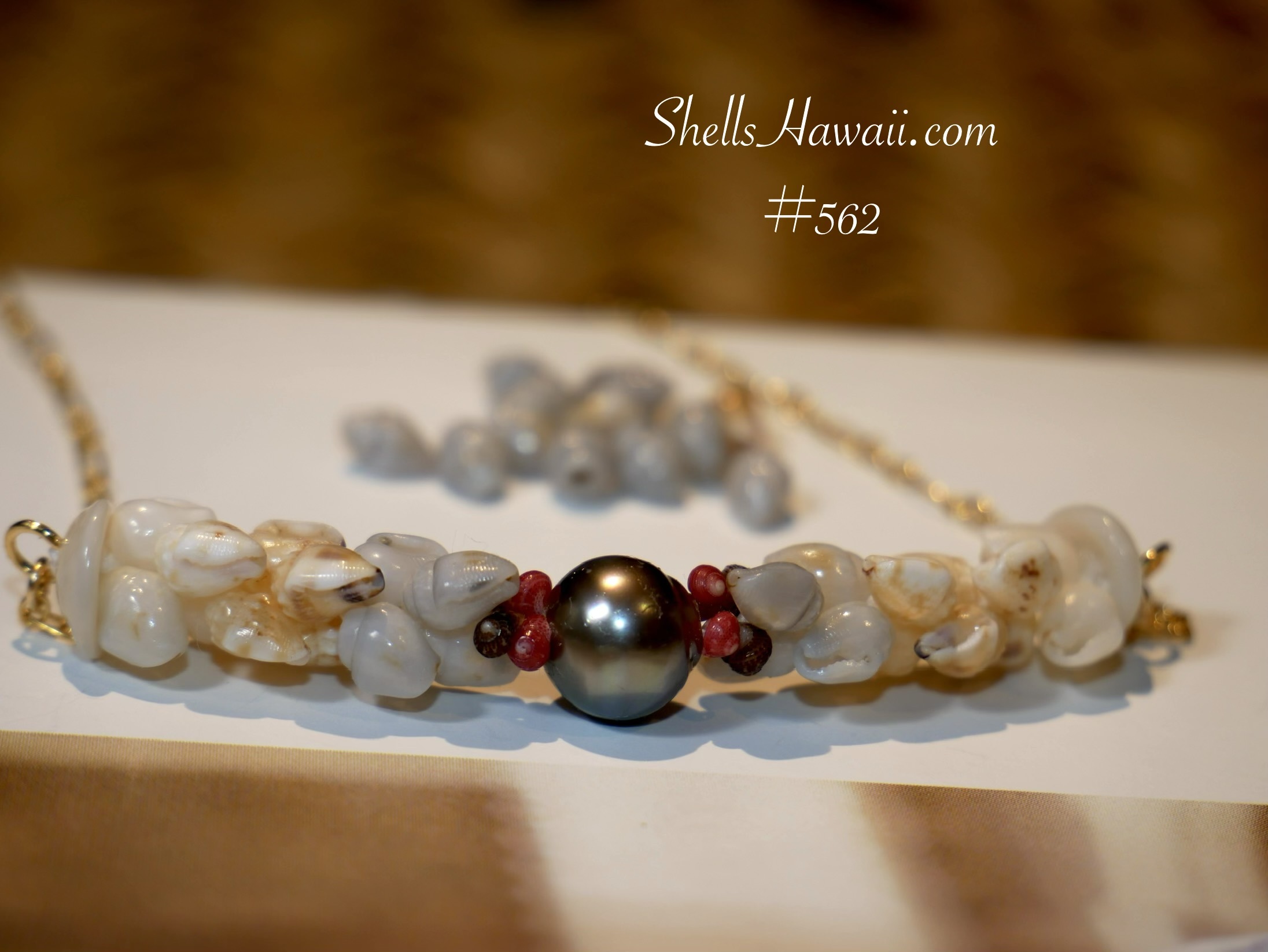
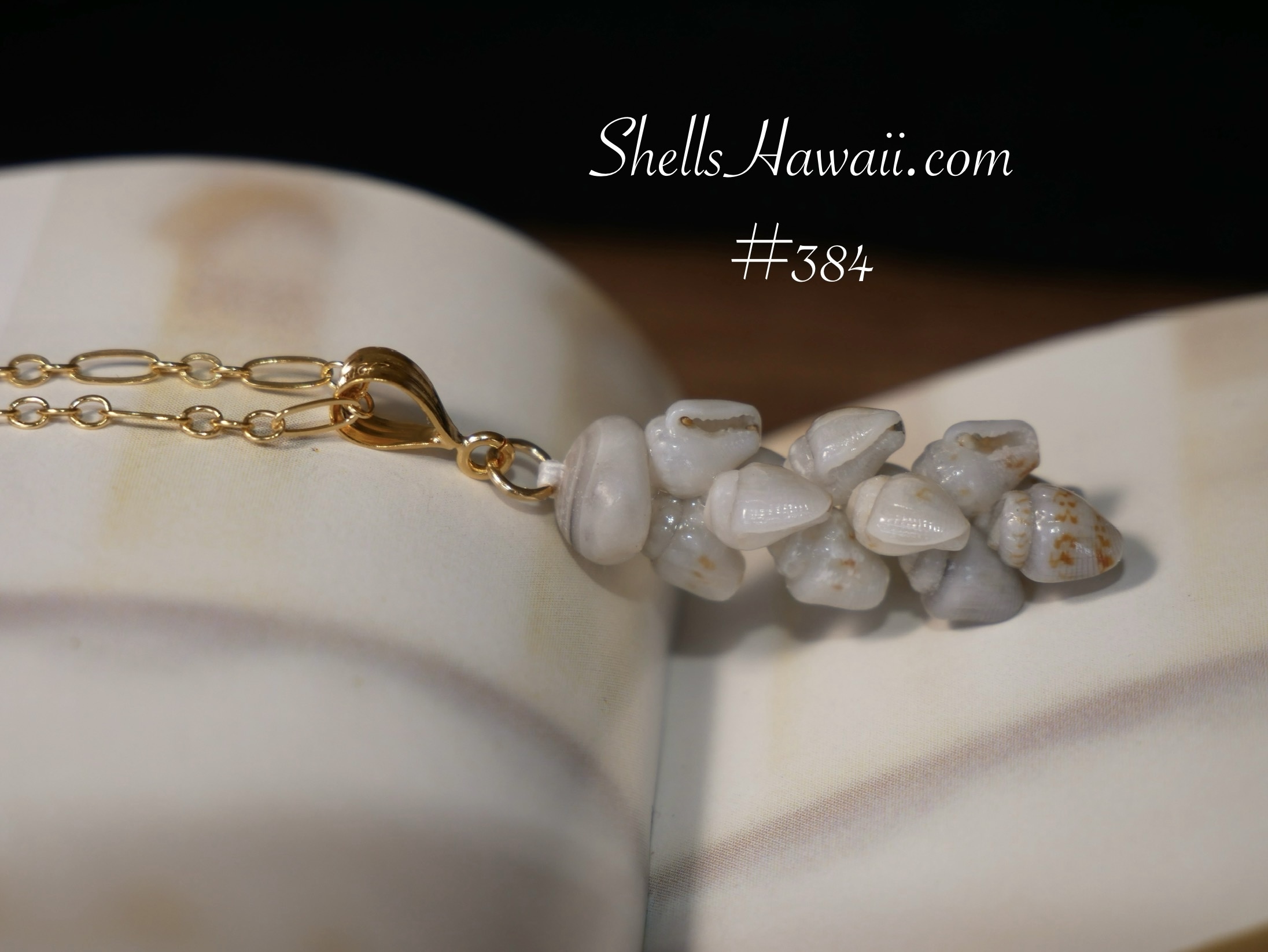
Then there are the deeper tones — Momi ʻūliʻuli ikaika — stronger, richer, and more settled in color. And once in a while, I come across one that is even darker, a shade I do not see very often, which makes it feel even more special. I also notice that this blue does not belong only to Momi shells. It appears in Laiki and even in some Puka shells too, each one carrying the color in its own quiet way.
How Rare Deep Ocean-Blue Shells Truly Are
Among Niʻihau shells used in jewelry — Momi, Laiki, and even Puka — most blue shells you will see fall into a softer, medium blue range. And even that is not something you come across often.
From what I have seen over the years, these medium tones already feel special. They show subtle changes that happen slowly over time. And then, once in a while, there are deeper ocean-blue Momi ʻŪliʻuli shades — darker, more settled, and much less common. These shells stand out in a quiet way, with a presence that feels naturally formed rather than bright or bold.
Working with these ocean-blue Momi ʻŪliʻuli shades adds something very unique to a design. The color brings balance and contrast, blending softly with other shells while still giving the piece its own character.
As I continue working with these shells, I feel there is still so much to learn and share. In a future blog, I would love to take you a little closer into how I sort these Momi shells — how they look when I first receive them from Niʻihau, what I begin to look for, and what I discover along the way.
A Closing Thought on Ocean-Blue Momi ʻŪliʻuli
As you’ve seen throughout this blog — through the different shades and some of the designs I’ve created — I love working with and blending this beautiful ocean-blue Momi ʻŪliʻuli color into Niʻihau shell jewelry. It brings a quiet balance to each piece while still carrying its own presence.
Blue ʻŪliʻuli is one of the most rare colors found in Momi shells. It is not something you come across often, which makes it even more meaningful when it becomes part of a design.
Nature has a beautiful way of shaping even the smallest things. Through the Hawaiian tradition of Niʻihau shell jewelry, these tiny shells are carefully gathered and transformed into wearable art — something that carries both natural beauty and cultural meaning. I feel very grateful and fortunate to be able to purchase some of these special shells directly from trusted shell collectors. Because of that, I’m able to create beautiful pieces of Niʻihau shell jewelry and share them with people who also love Hawaiian shells and this art.
With aloha,
Janjira