 JPY
JPY


Aloha and welcome back, everyone. I’m really happy you’re here, and if this is your first time visiting, thank you so much for finding your way here.
Today, I’d love to talk story with you about one of the most graceful — and surprisingly fun — styles in Hawaiian shell jewelry: Heleconia style. It’s a design that flows in one smooth, elegant direction, almost as if each tiny shell already knows where it belongs. There’s a gentle rhythm to it, a soft movement that feels calm and intentional, and that feeling is what draws so many people to this style and to Hawaiian shell jewelry as a whole.
Heleconia / Heliconia Style
Heleconia style is one of my favorite techniques to work with when I want the shells to feel connected — moving together in a single line with balance and purpose. The result is quiet, natural beauty, never loud or forced, just steady and graceful in its own way.
Before we go further, I want to share a small but important note about the name. In Niʻihau shell jewelry, the original name is Heleconia style. Over time, because of pronunciation and familiarity with the tropical flower, many people have also come to know it as Heliconia style.
I personally use both spellings — Heleconia style, honoring the original name, and Heliconia style, which may feel more familiar to some people when they’re searching or just starting to learn about this design. Both spellings refer to the same flowing technique. I use both simply to avoid confusion and help those who are still getting familiar with the style, especially since the original name isn’t widely known yet.
Now, let’s talk story about where this style comes from.
The Flower Behind the Name
When I think about Heleconia style, I always think of the tropical Heliconia flowers you see growing in Hawaiʻi’s gardens — tall, layered, and flowing so naturally along their stems.
If you’ve ever stopped to really look at one, you’ll notice how each layer leans just slightly to the side of the one before it. That soft, staggered movement is what inspired this shell style in the first place. It’s not stiff or forced — it simply follows the direction it wants to go.
Unlike crown flower style, which has a fuller, puffed-out look, Heleconia style stays flatter and moves in one gentle direction, almost as if the shells are quietly falling into place, one after another. That calm, flowing feeling is a big part of why this style has long been loved in traditional Hawaiian shell jewelry.
What Shells Are Used in Heleconia Style Jewelry?
The shells most often used to create Heleconia style jewelry are Momi and Kahelelani shells. Their natural shapes and sizes make them especially well suited for forming that layered, flowing effect that gives this style its gentle movement.
I most commonly work with Momi and Kahelelani shells, but every once in a while I’ll also use Laiki shells, horn shells, or even Poleho shells when creating a lei.I use the same Heleconia technique and simply adjust it depending on the design and the feeling I’m hoping to bring out in the piece.
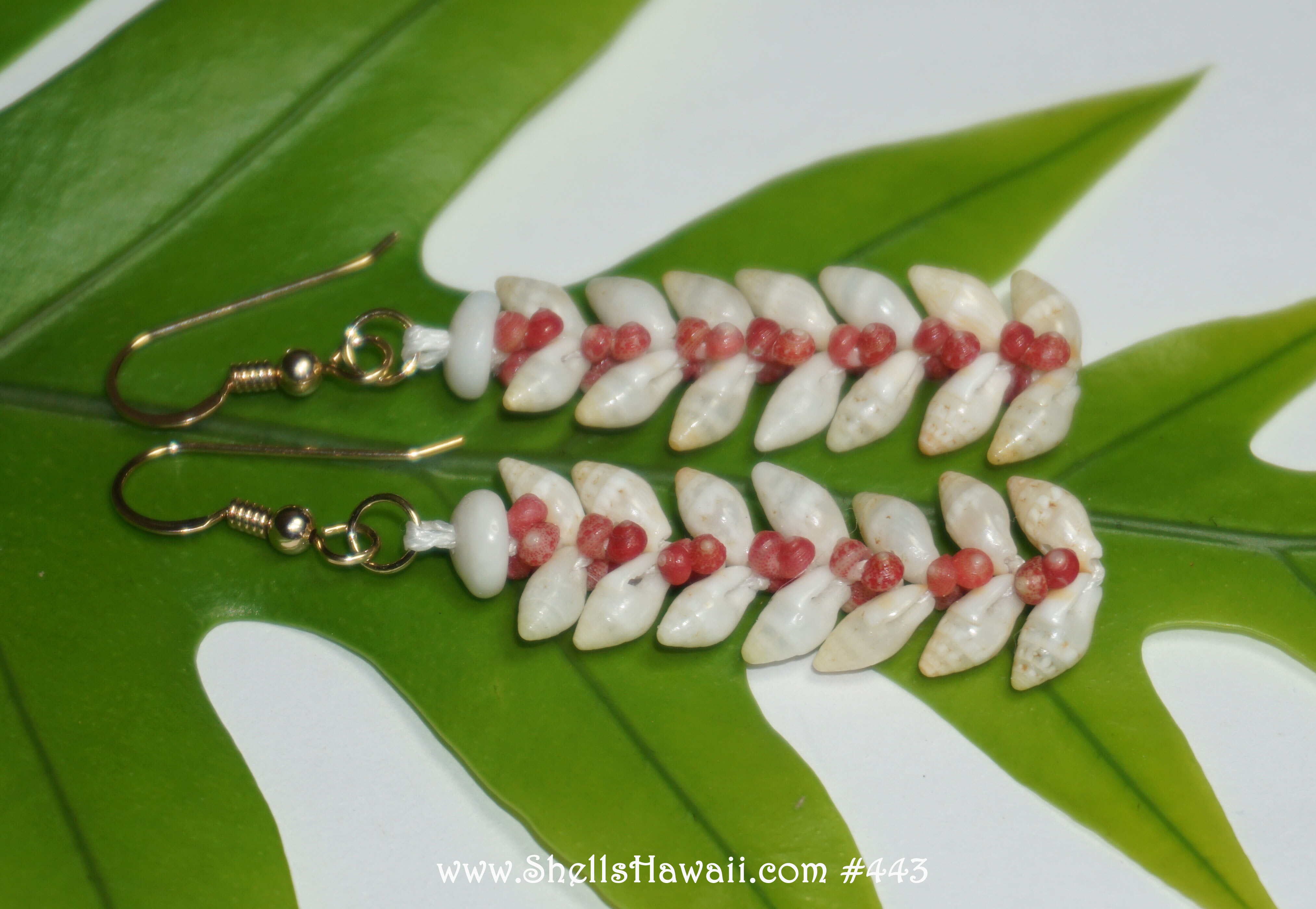
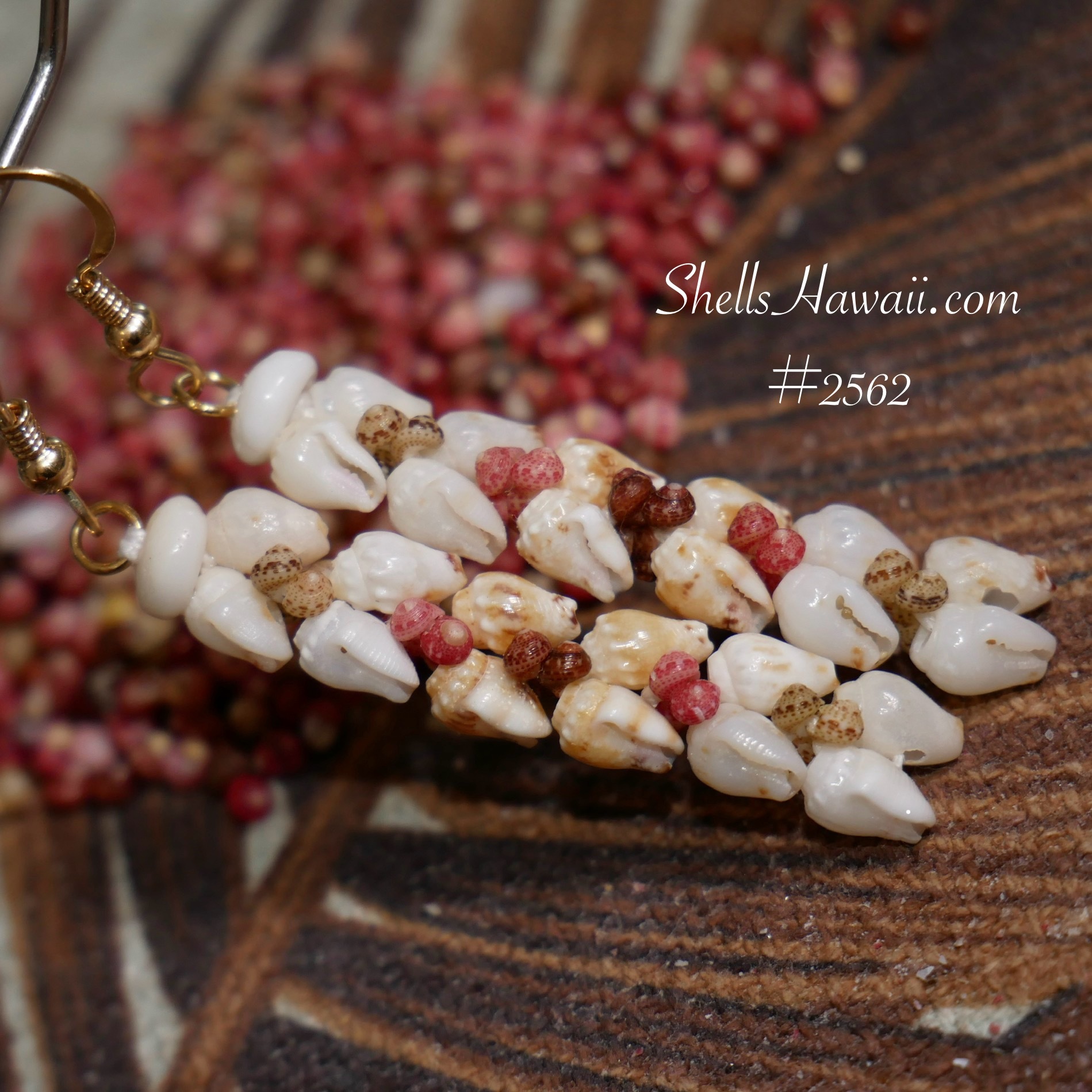
This pair is created using Laiki shells with pink Kahelelani accents in a Heleconia style arrangement. The pointed Laiki shells stack in gentle layers like tiny leaves, creating a natural cascading flow, while the pink Kahelelani shells add a soft line of color through the center.
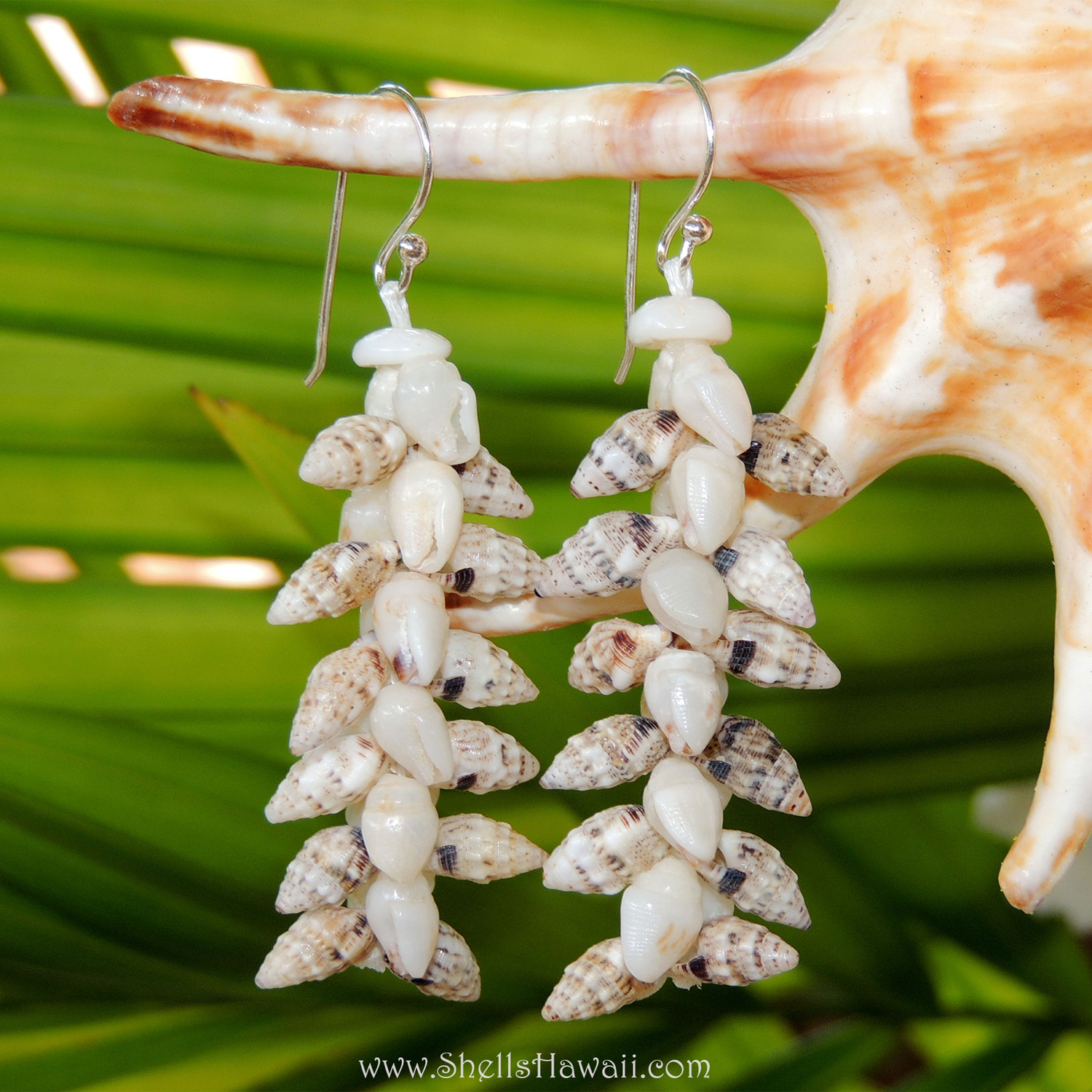
This pair is made with Momi shells combined with Paʻalima (horn) shells in a Heleconia style arrangement. The Paʻalima shells bring a slightly bolder, curved texture, while the Momi shells soften the pattern, creating a balanced layered flow with more visible movement and depth.
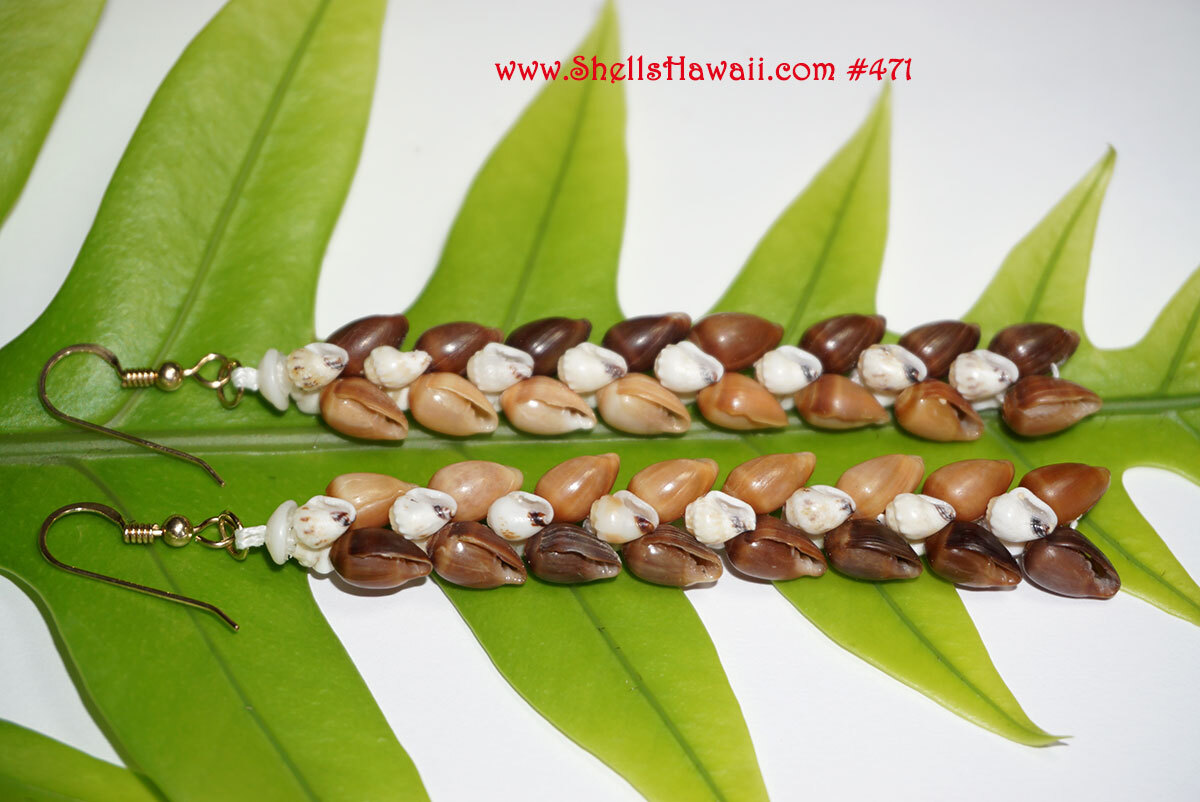
This final pair is created using two-tone dark brown and caramel Pōleho (night cowrie) shells combined with Momi shells that have black waha. The rich Pōleho tones give the design a deep, warm contrast, while the black-edged Momi shells add definition and structure, creating a layered Heleconia flow with a bold, grounded character.
That’s really the beauty of Hawaiian shell jewelry. There’s no right or wrong way to create. What matters most is the care you put into your work, and how you bring the shells together in a way that feels true to you and the story you want to tell.
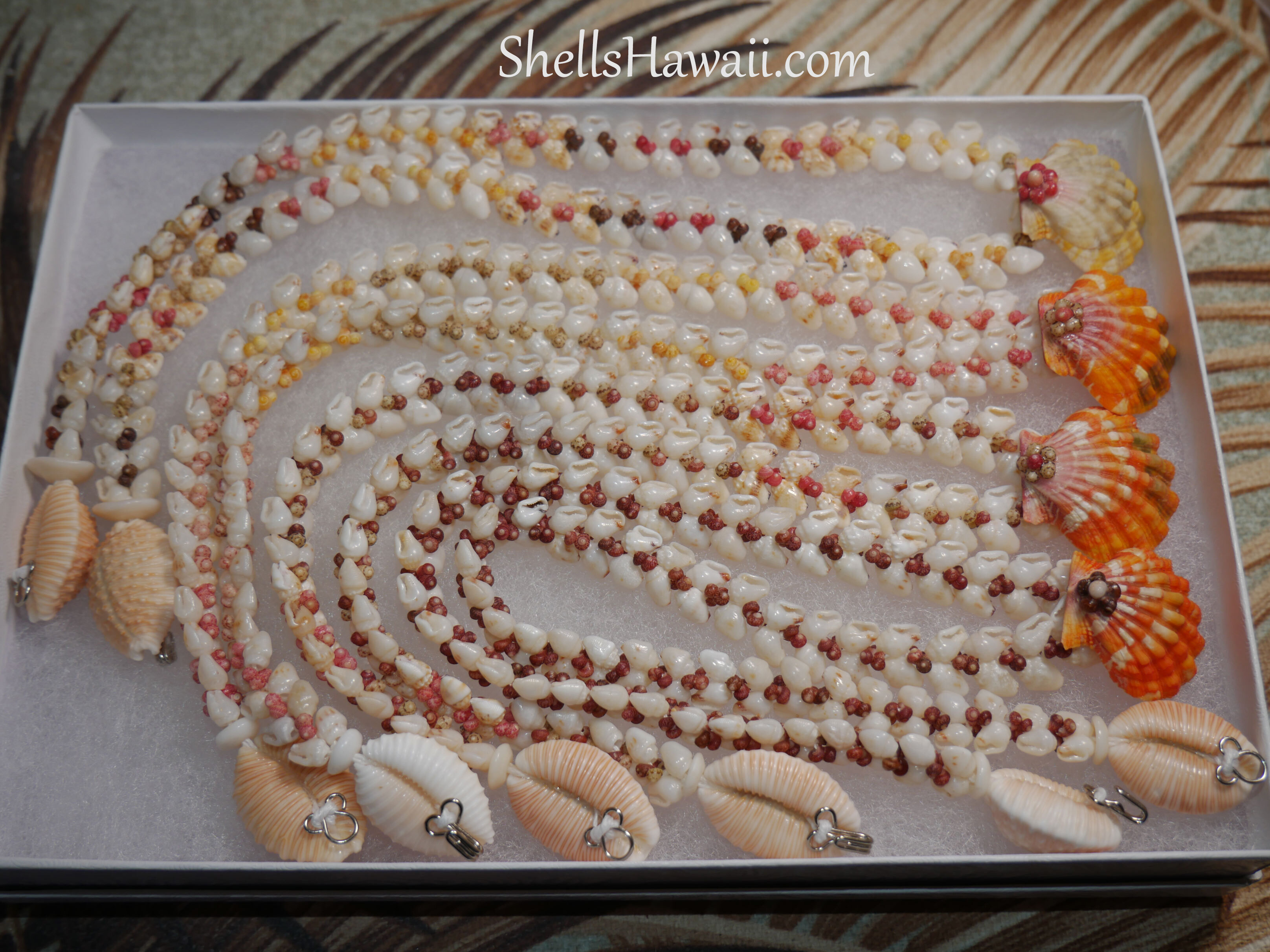
How Heleconia Style Creates Flow in Hawaiian Shell Jewelry
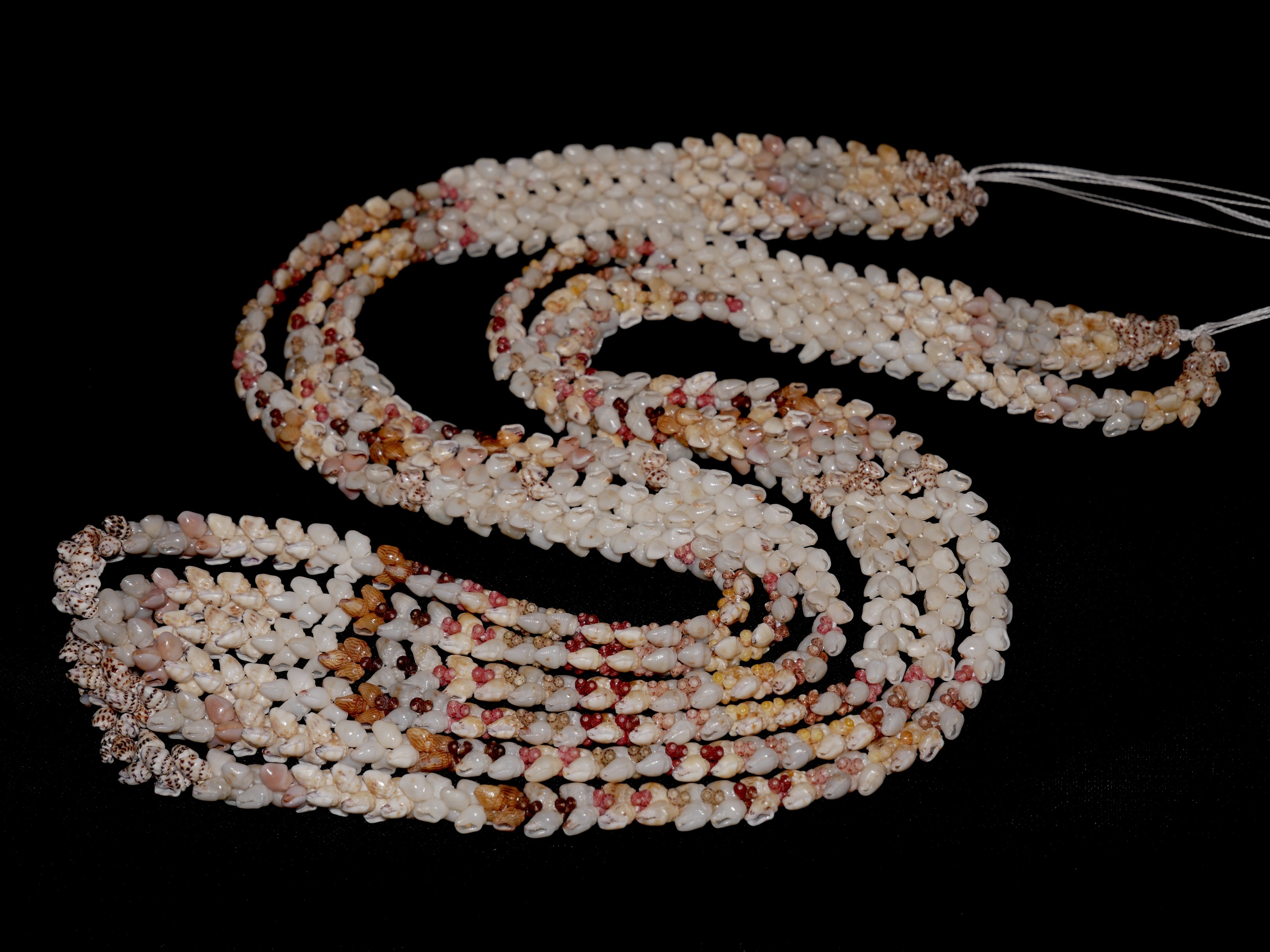
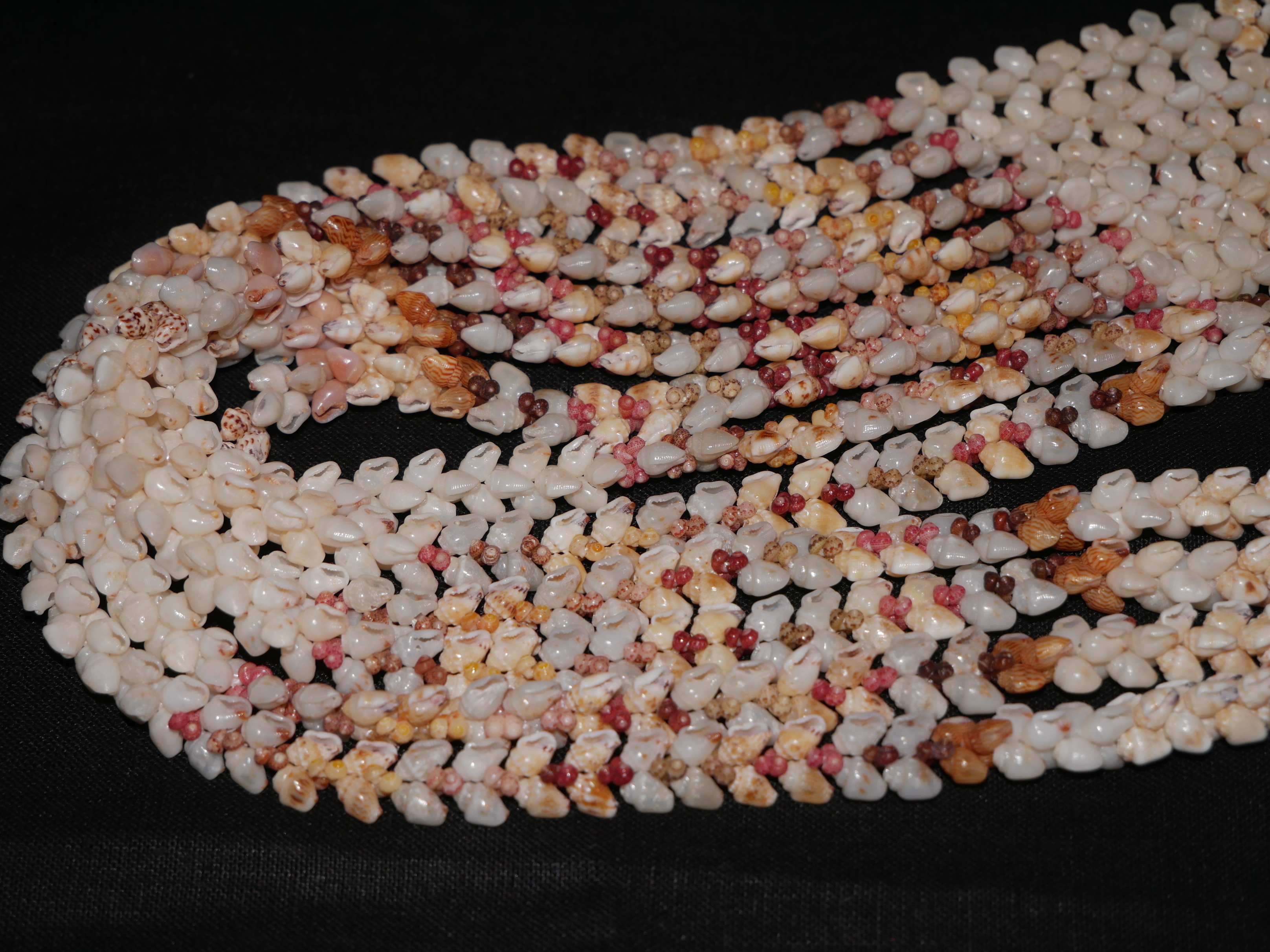
What makes Heleconia style feel so special is the way the shells are placed. Each one follows the same direction, creating a smooth, graceful line — almost like a gentle wave moving through the piece.
When the jewelry is finished, it carries a clean, flowing movement. It’s softer than Crown flower style, yet still quietly eye-catching in its own way. There’s a sense of intention and balance to it, calm and unhurried, much like walking through a tropical garden in Hawaiʻi where Heleconia flowers grow naturally along the path, layered and leaning gently as they rise.
How Different Poking Angles Change the Look of Heleconia Style Jewelry
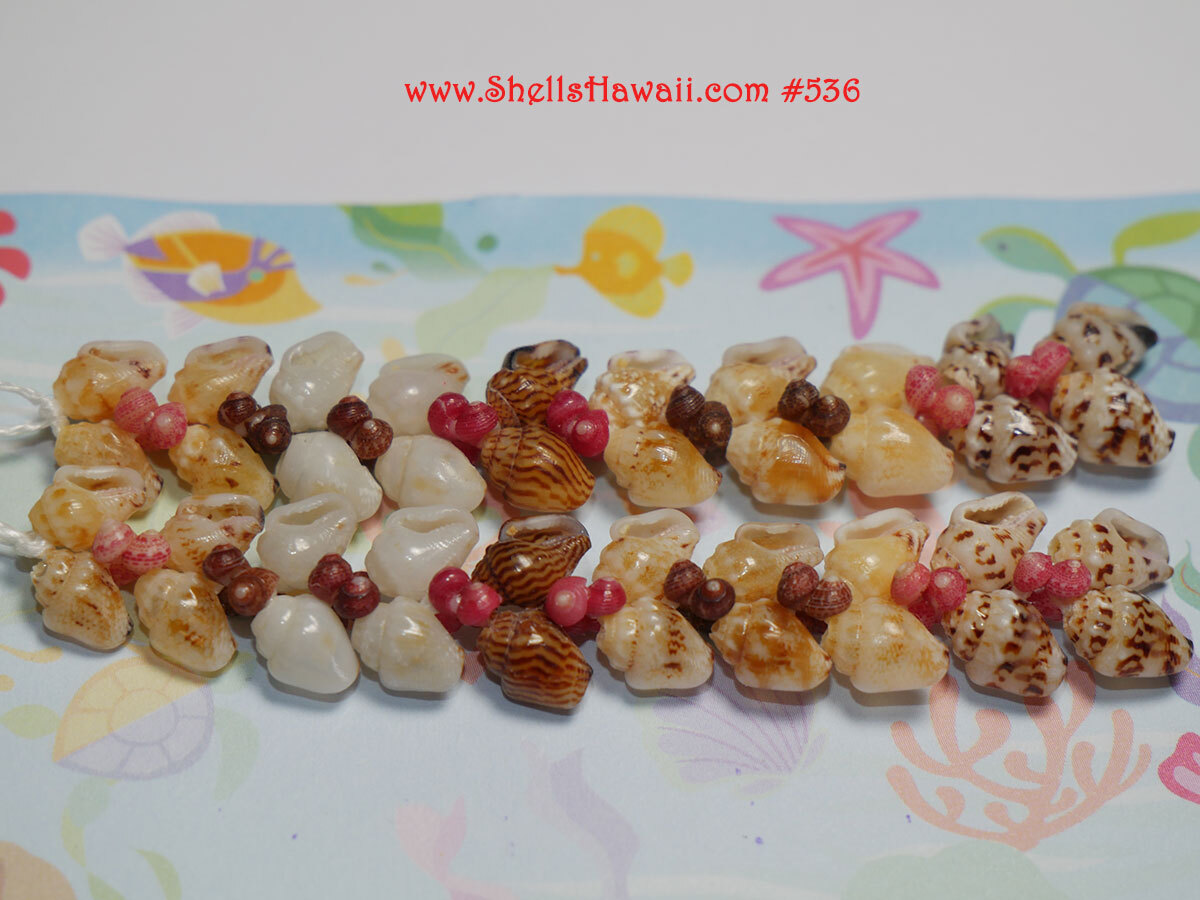
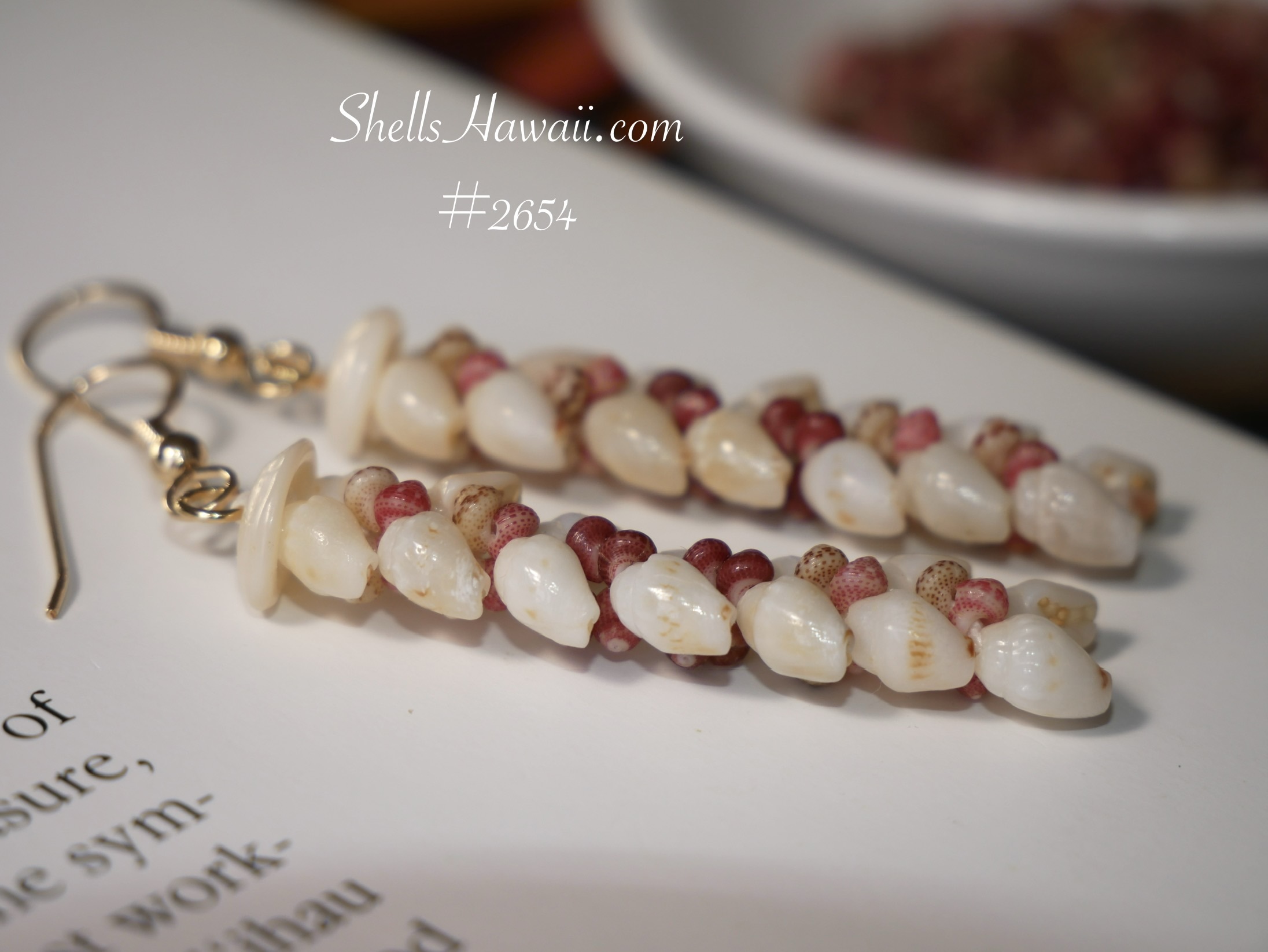
When I’m working with Heleconia style, one of the things I love most is that — like all art — it’s never limited to just one way of doing things. Small choices, such as the angle you poke the shell or where the hole is placed, can naturally shift the look, pattern, and movement of the finished piece.
There really aren’t fixed rules here. As you explore and develop your own techniques, you may start to notice new ways the flow takes shape — sometimes softer, sometimes bolder, sometimes more relaxed or a little more structured, all while still honoring the Heleconia design. Each variation carries the hands and heart of the maker, and that’s a big part of what makes this style so special.
A Quiet Closing Thought
Heleconia style is all about flow — shells moving together in one gentle direction, guided by balance, intention, and feel rather than strict rules. It’s a style that invites patience and awareness, allowing each shell to settle naturally into place and become part of a larger rhythm.
If you feel curious and would like to try this style, I do offer Momi shell supplies, including some pre-poked options, which can make it easier to focus on learning the flow and enjoying the process. For Kahelelani shells, customers will need to poke their own holes, and it’s important to have a good understanding of shell sizes and proper handling before working with them. This is something I truly encourage you to learn about ahead of time, as it can help avoid disappointment or frustration when deciding to purchase loose Kahelelani shells.
Like all Hawaiian shell jewelry, Heleconia style is a journey — one that unfolds slowly, with practice, care, and time. However you choose to explore it, let it be something you move into gently, at your own pace.