 USD
USD


Aloha and welcome to the ShellsHawaii blog, everyone!
Today, I would like to share a little information about some of the beautiful pearls I use in my Niʻihau shell jewelry designs. Over the years, I have worked with many different types of pearls, including Tahitian pearls and freshwater pearls. Today, I would like to introduce another beautiful cultured pearl called the Edison pearl.
As I continue designing one-of-a-kind jewelry, I am always looking for materials that complement the natural beauty of genuine Niʻihau shells. This particular set of Edison pearls immediately caught my attention because of their exceptional luster, generous size, and unique appearance. I thought they would pair beautifully with my shell jewelry while still remaining an affordable option compared to many larger pearls.
Before I use these pearls in one of my newest creations, I thought it would be fun to share a little more about Edison pearls, how they are grown, what gives this particular set its beautiful appearance, and why I chose them for my upcoming designs.
Tahitian Pearls
Over the years, I have used many beautiful Tahitian pearls in my Niʻihau shell jewelry. You will find them in many of my one-of-a-kind creations, including lei, earrings, bracelets, and pendants. I love how their rich natural colors complement the delicate beauty of genuine Niʻihau shells.
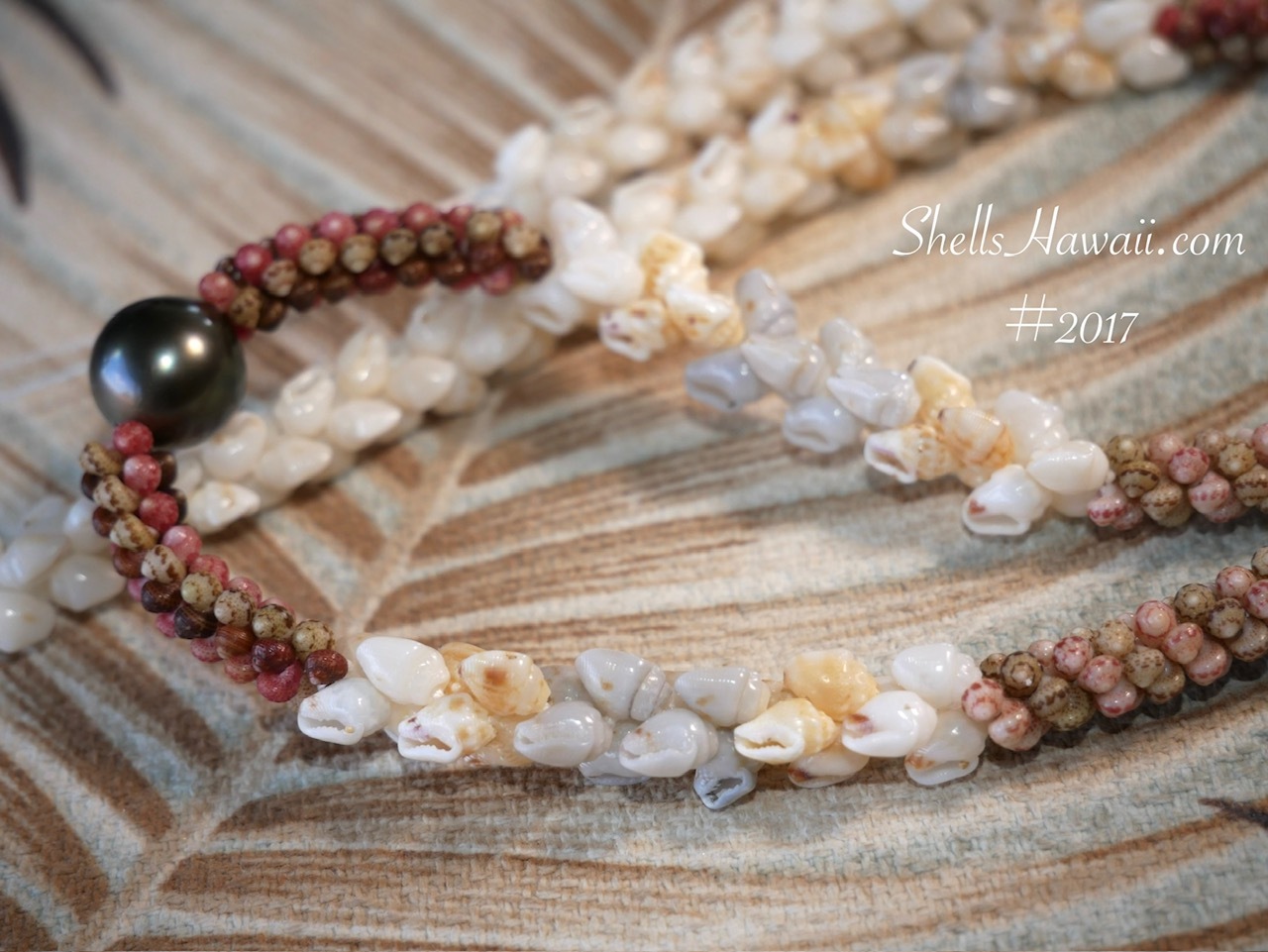
Tahitian pearls are cultured saltwater pearls grown primarily in the warm waters of French Polynesia. They are produced by the black-lipped oyster (Pinctada margaritifera) and are admired for their beautiful natural colors and exceptional luster.
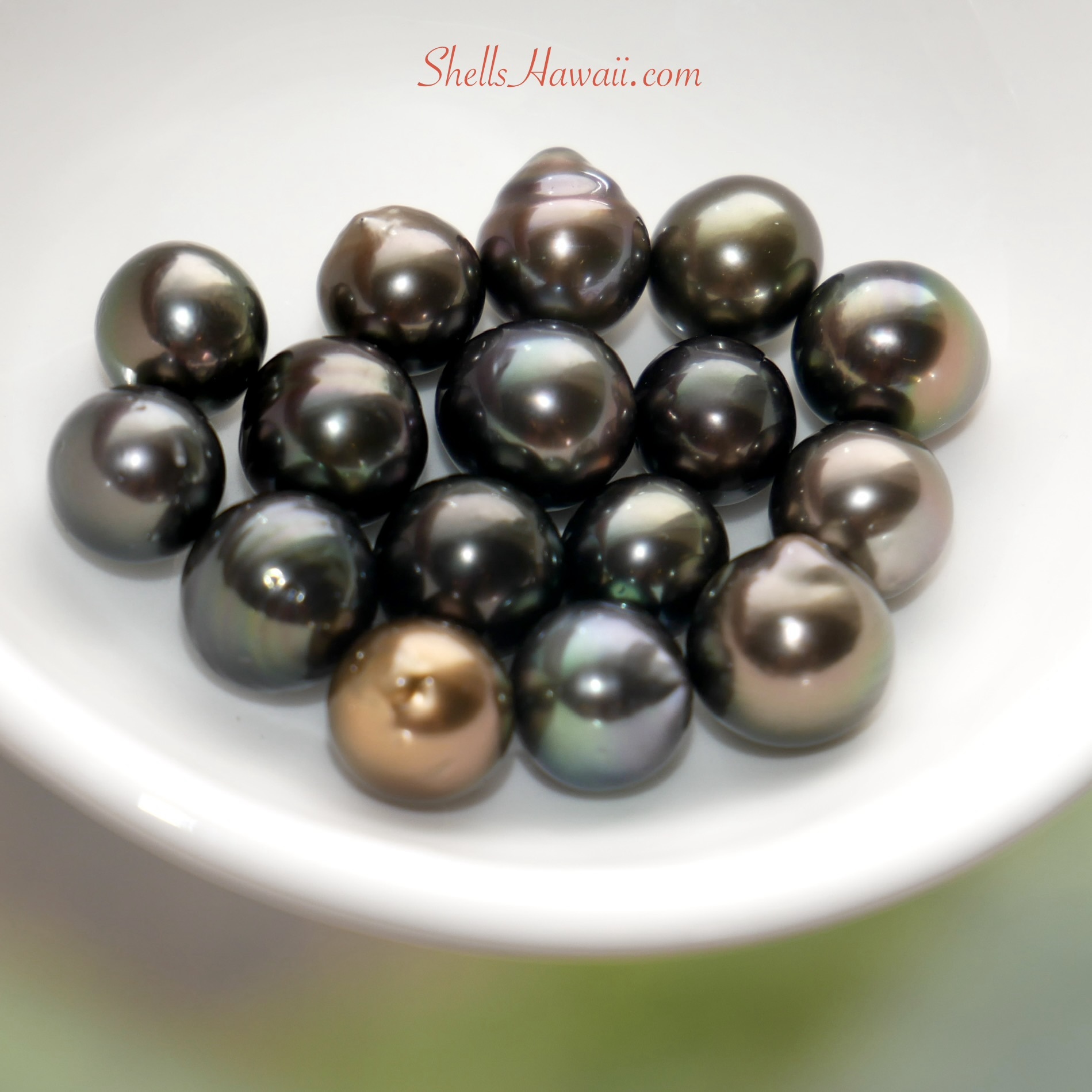
Natural Tahitian pearls are available in a wide variety of colors, including black, gray, silver, green, olive, pistachio, peacock, aubergine (deep purple), and bronze. As light reflects across the surface, you may also notice beautiful overtones that make each pearl unique.
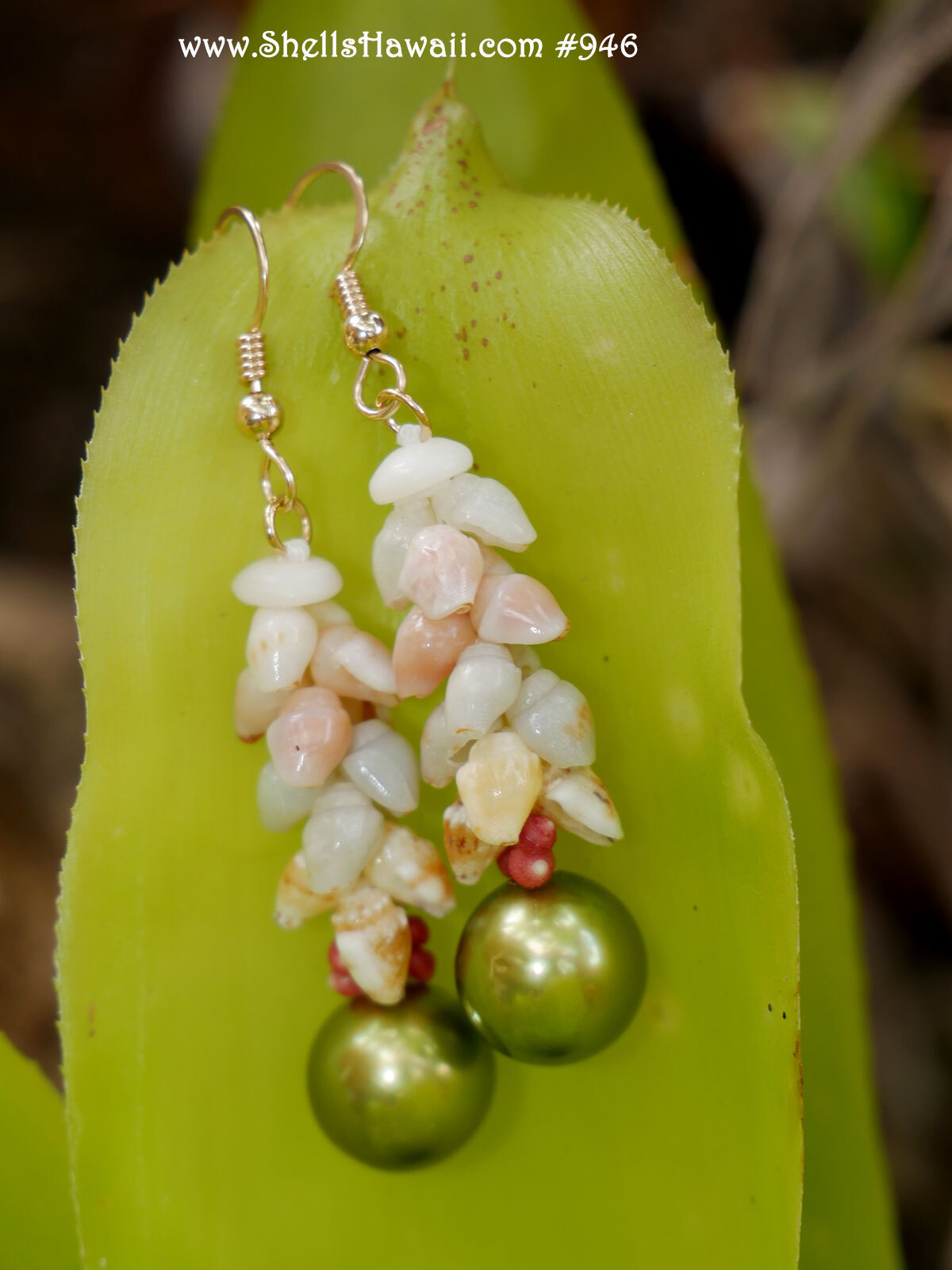
Tahitian pearls are found in many different shapes, including round, near-round, oval, drop, button, circle, and baroque. While perfectly round Tahitian pearls are generally the most valuable, every shape has its own unique beauty and is often selected to complement different jewelry designs.
One of the things I enjoy most about working with Tahitian pearls is how each one is unique. No two pearls are exactly alike, and each has its own natural color, shape, luster, and character. I think that individuality pairs beautifully with genuine Niʻihau shells, making every piece of jewelry truly one of a kind.
What Are Edison Pearls?
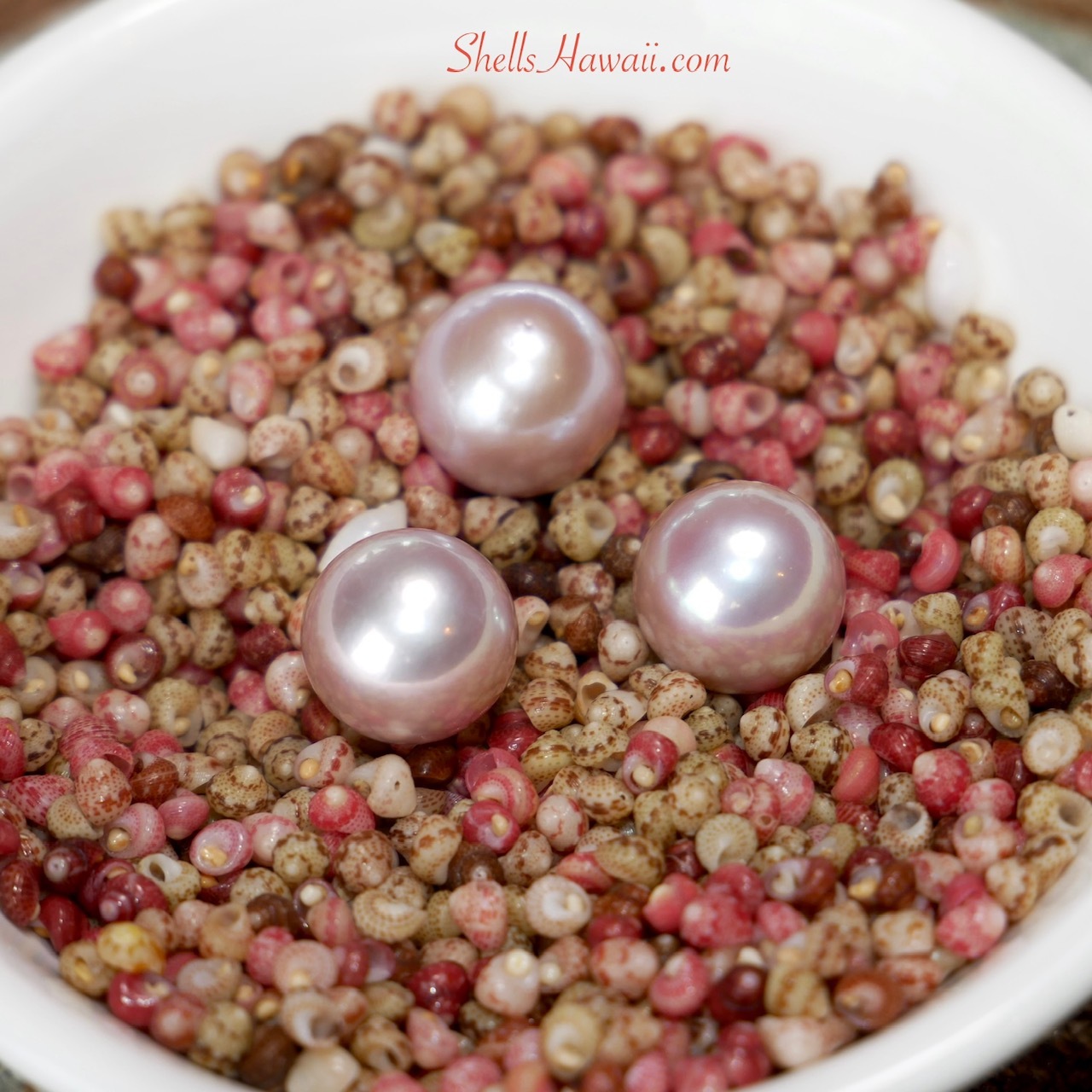
Edison pearls are cultured freshwater pearls that are primarily grown in China. Unlike traditional freshwater pearls, Edison pearls are grown using a bead nucleus placed inside a freshwater mussel. Over time, the mussel coats the nucleus with layers of nacre, producing a pearl that is often larger than traditional freshwater pearls and known for its exceptional luster.
Natural Edison pearls are available in a variety of beautiful colors, including white, cream, peach, pink, lavender, bronze, and purple. Because of their excellent luster and larger size, they have become a popular choice for fine jewelry designers around the world.
Like Tahitian pearls, Edison pearls are also available in several shapes, including round, near-round, oval, drop, button, and baroque. Their beautiful luster and generous size make them especially attractive when used as the focal point in a jewelry design.
Why Do These Edison Pearls Have Such Beautiful Dark Colors?
The Edison pearls I will be using in my newest creations are a little different from the natural colors mentioned above. This particular set has been color treated (dyed) after the pearls were harvested to achieve their beautiful dark appearance.
One of the things I love most about this particular set is its beautiful iridescent overtones.
The word iridescent describes the way light interacts with the pearl's surface, causing different colors to appear as the pearl is viewed from different angles. Rather than displaying just one color, these pearls can reveal flashes of blue, green, peacock, and sometimes even hints of purple, making each pearl appear slightly different as it moves in the light.
This beautiful effect is created by the pearl's layers of nacre, which reflect and refract light. Combined with the dark color treatment, the pearls have a rich and elegant appearance that I think pairs beautifully with genuine Niʻihau shells.
Although the pearls share a similar dark body color, each one displays its own unique combination of iridescent overtones, giving every pearl its own individual character.
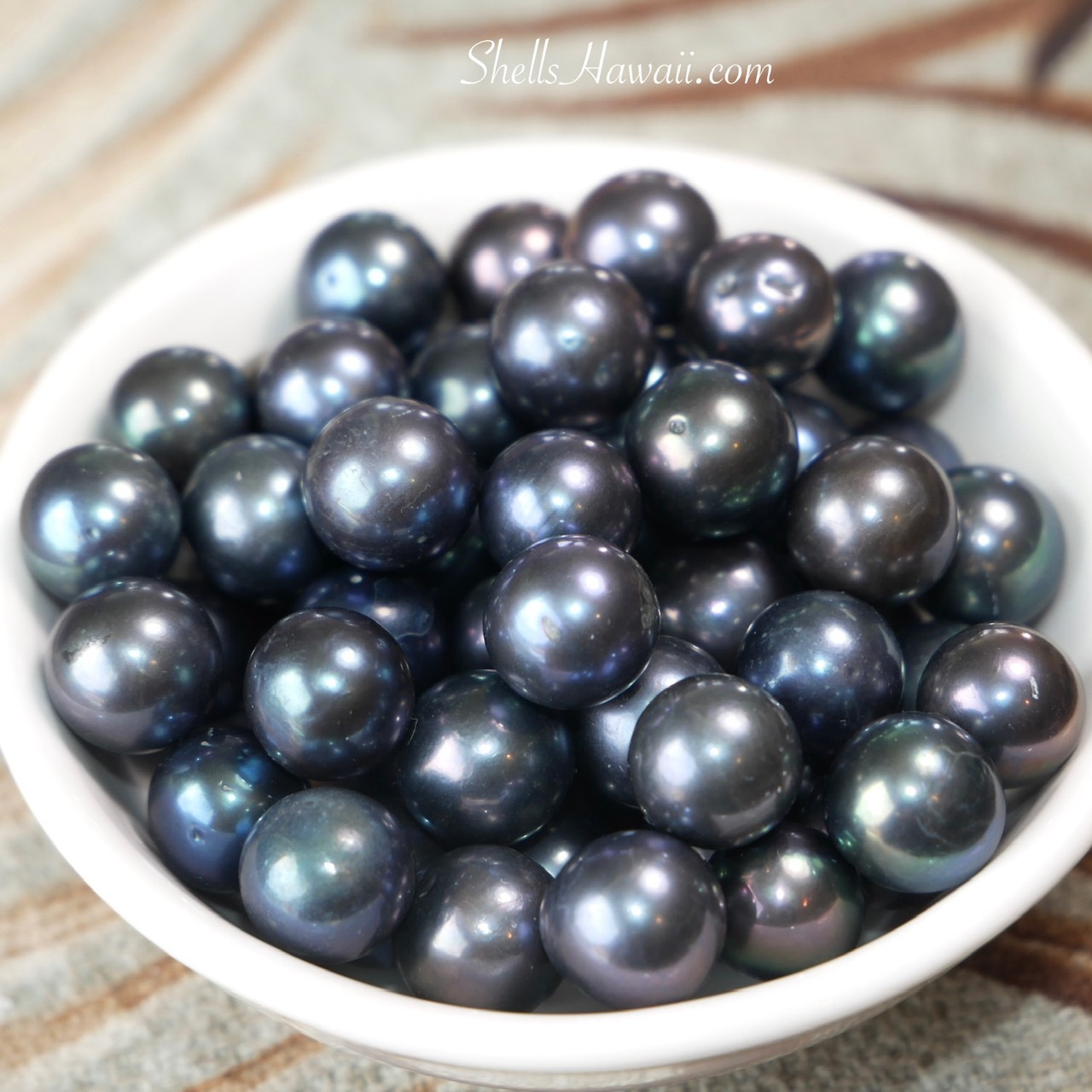
One question people often ask is whether the color will wear off over time. Under normal wear and with proper care, professionally color-treated Edison pearls should retain their beautiful color for many years. The color treatment is designed to be stable and long-lasting—it is not simply painted onto the surface.
Like all cultured pearls, whether natural in color or color treated, Edison pearls should be protected from harsh chemicals such as perfume, hairspray, chlorine, bleach, and household cleaners. These products can damage the pearl's nacre, which gives the pearl its beautiful luster.
To help keep your pearls looking their best:
- Put your pearl jewelry on after applying perfume, lotion, or hairspray.
- Wipe the pearls gently with a soft, clean cloth after wearing them.
- Store them separately from harder jewelry to help prevent scratches.
Even though these pearls have been color treated, they are still genuine cultured Edison pearls with the same beautiful luster and natural characteristics that make Edison pearls so popular.
What Do I Plan to Use These Pearls For?
As you can see from the photos, this new set of Edison pearls is unlike any I have used before. Most of these pearls measure 10 mm+, making them an excellent size for a variety of jewelry designs.
While they are not perfectly round, they have a beautiful near-round shape, and I am very excited to pair them with both Momi and Kahelelani shells. I can already picture using some of them to create beautiful earrings, while others will become the centerpiece of a bracelet, lei, or even a pendant. I look forward to seeing how each finished piece comes together.
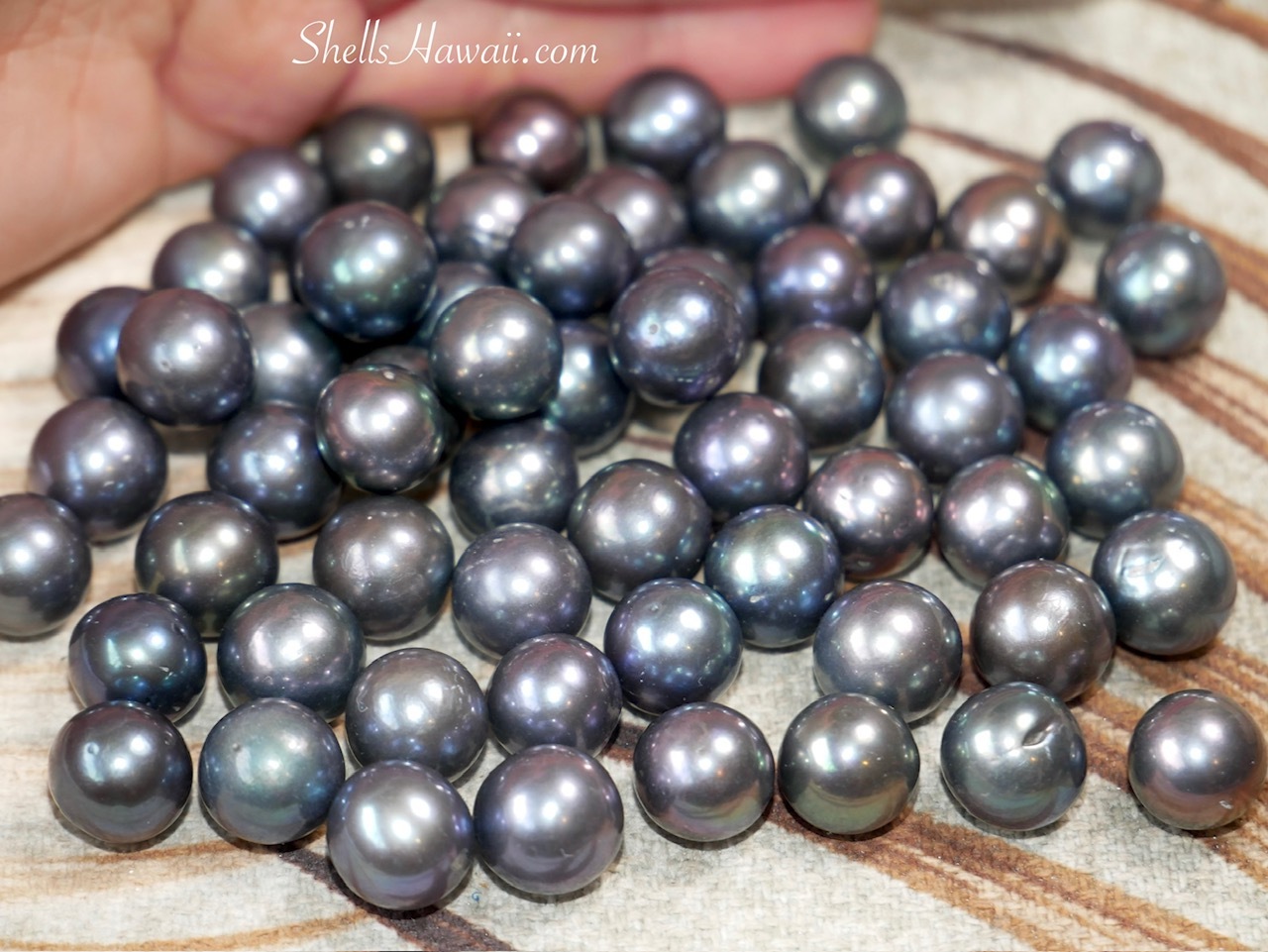
Before I begin creating, I will first decide which pearls are best suited for each design I have in mind. Once I have a plan, I will carefully drill each pearl so it can be incorporated into the finished jewelry. Just like every shell I use, I enjoy taking my time and choosing the right materials for each one-of-a-kind creation.
Please stay tuned and visit the ShellsHawaii blog often, as I will slowly be sharing these new creations over the coming weeks and months. I look forward to showing you how these beautiful Edison pearls come together with genuine Niʻihau and Kauaʻi shells.
Much aloha for visiting my ShellsHawaii blog. I truly appreciate your support, and I hope you found this information helpful. I also hope you'll find something you love on my website, whether it's a special piece of jewelry, loose shells for your own creations, or one of my many educational blogs about the beautiful shells of Hawaiʻi.
With aloha,
Janjira