 USD
USD


Aloha and welcome to my work table today.
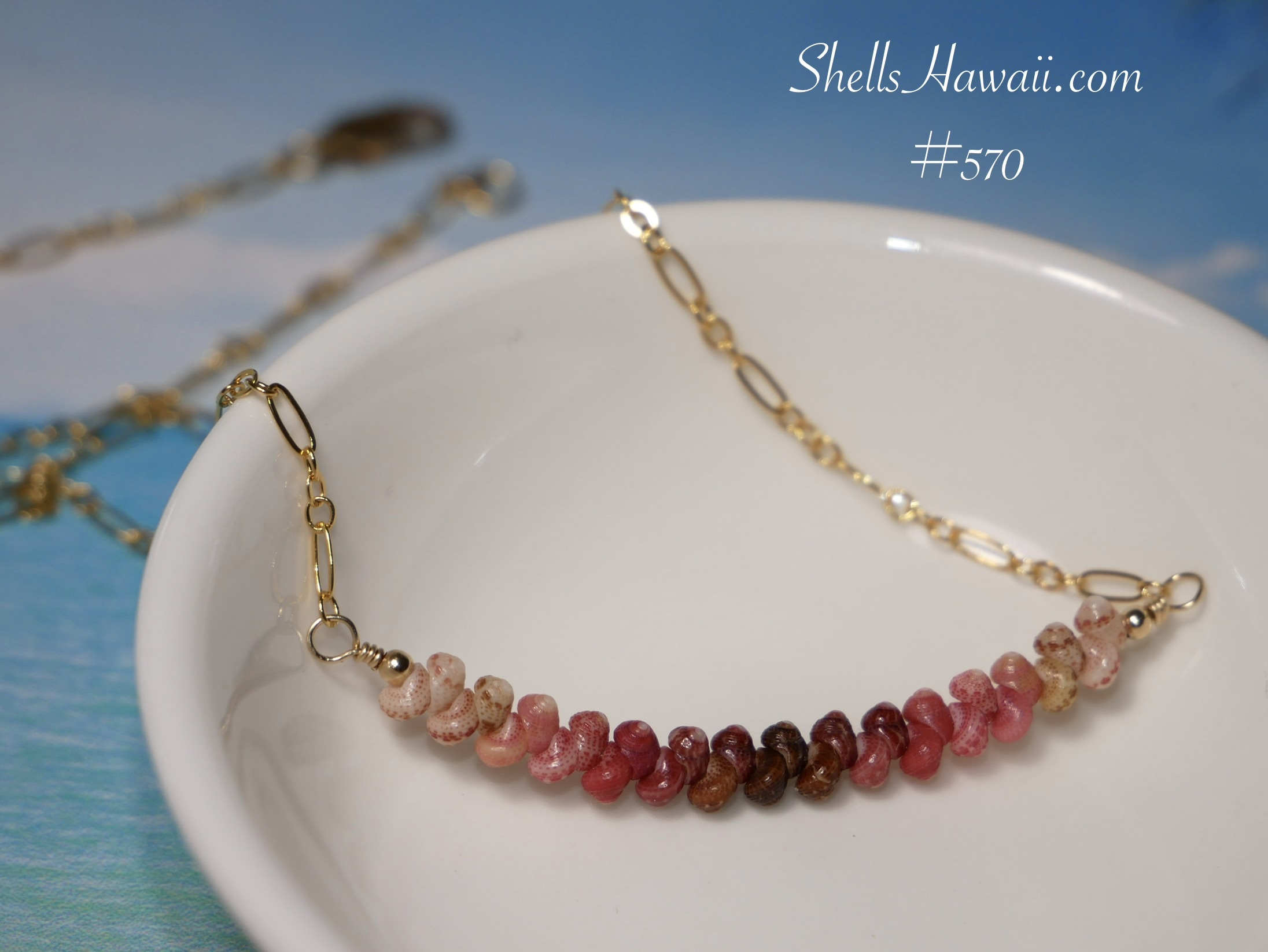
Over the past couple of months, I have been adding a new minimalist collection to my jewelry designs. These pieces are a little more modern, lightweight, and easy for everyday wear while still featuring beautiful Hawaiian shells such as Kahelelani shells, Momi shells, and Sunrise shells. In the future, I also hope to add some Puka shell pieces to this collection as well.
If you have been following some of my blogs, you may already know a little more about different shell types, how they look, shell sizes, and some of the color rarities. Throughout this blog, I will highlight and link certain topics to other blogs if you would like to explore and learn more along the way.
A lot of people may not realize how much little detail and calculation these minimalist designs actually require. When I first started, I honestly thought it looked pretty simple and easy from all the YouTube videos showing people working with wires. I quickly learned how important the wire gauge is and how much extra wire you may need to make the work easier.
A challenge I quickly discovered during my early practice stage — before I figured things out well enough to meet my own standards — was the shells twisting and not laying flat on the wire. I really did not care for that look at all. So I kept practicing, practicing, and practicing until I figured out what I needed to do to help the shells stay in place and lay flat the way you now see in my pieces. It really comes down to paying attention to details, a lot of practice, and not rushing the work.
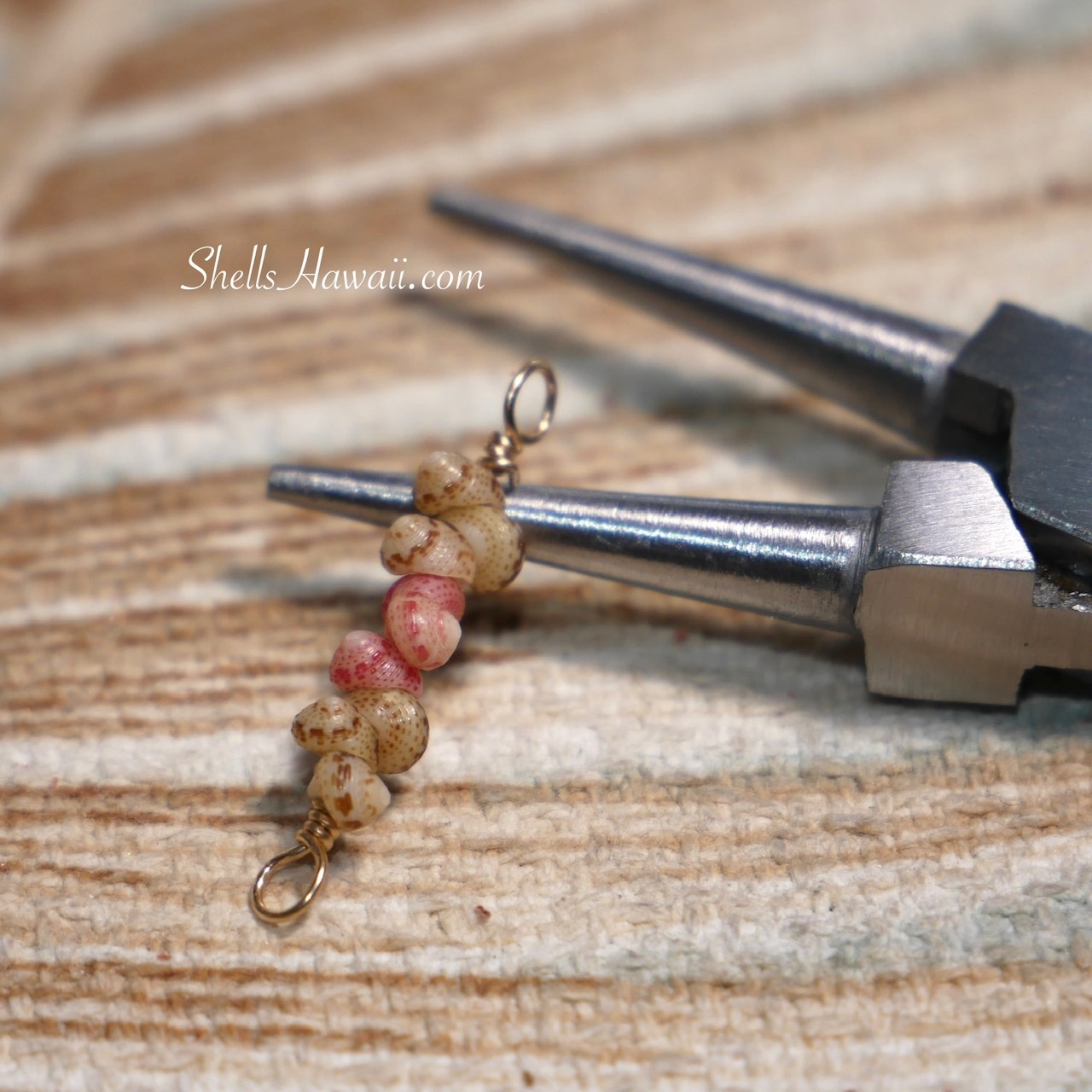
Whenever you see some finished pieces that look effortless and clean, please know there is usually much more happening behind that craft than people may realize. If it were truly that easy and simple, everybody would probably be doing it, right? But with handmade work like this, every creator develops different techniques, experience, patience, and attention to detail over time, which is also why finished pieces can vary in style and quality.
Another important thing I had to learn was how to poke the shell holes so the wire would fit properly. Even a very small difference in the hole placement or size can completely change how the shells sit on the wire.
Because the idea behind these minimalist and dainty pieces is not to create a bold statement look, I personally find size 10–12 shells to be the perfect size for this style. But here comes the big challenge — those shell sizes are still considered very small, so the poking still needs to be done very carefully and properly.
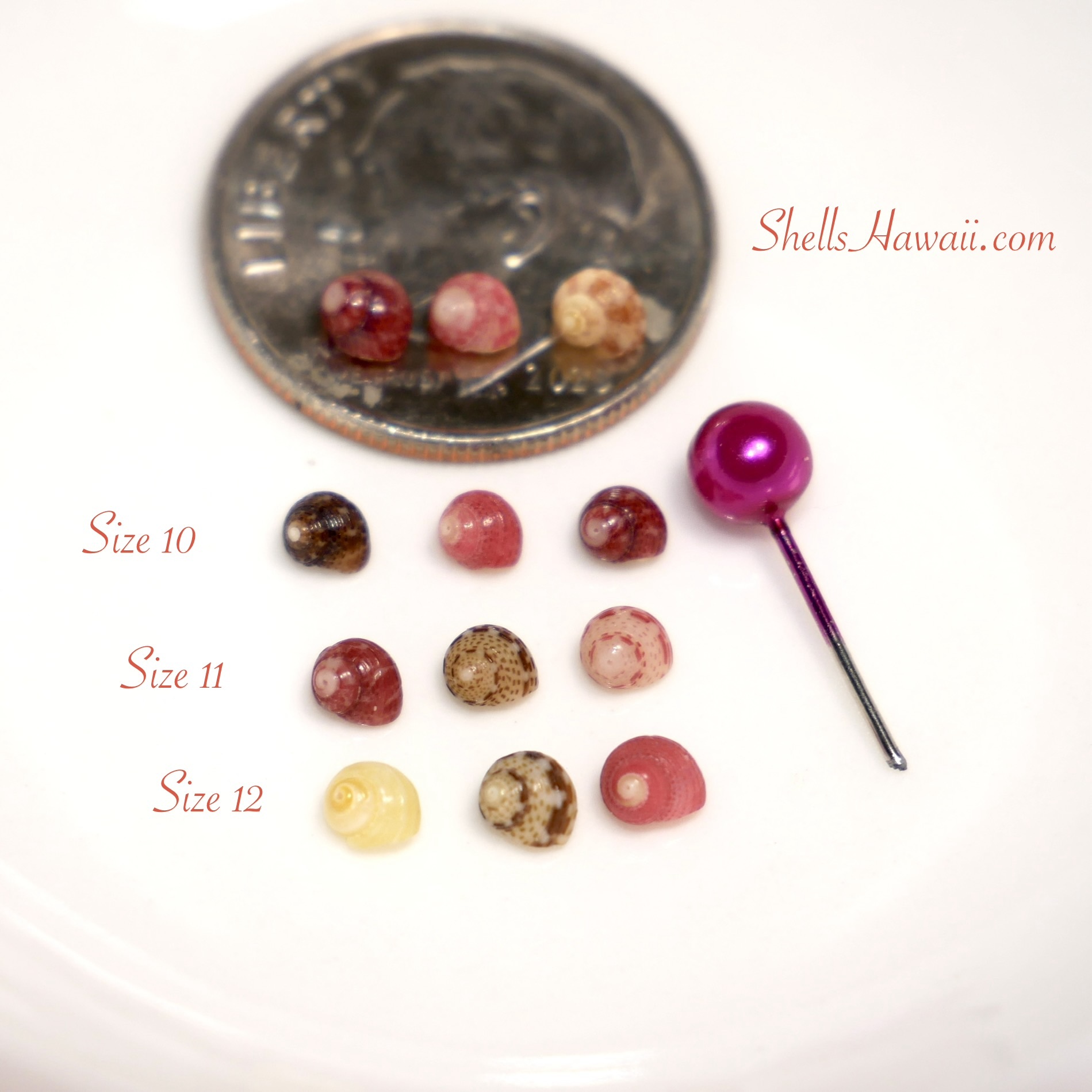
When you receive your jewelry piece, I hope you are not too surprised by how tiny the shells actually are. Instead, I hope you are more surprised thinking, “How in the world did the local collectors find shells this small, and how did creators carefully sort them, put tiny holes into them, and turn them into finished jewelry pieces?”
To me, this is part of what makes Niʻihau shell jewelry so special, meaningful, and artistic. It is an art form created with tiny natural shells, careful handwork, patience, and many small details coming together in one piece — with much aloha and respect for the Hawaiian artists and families who first created this beautiful art and carried it through generations. I also hope this helps answer some of the questions people may have about why Niʻihau shell jewelry can be expensive and highly collectible.
Before purchasing Niʻihau shell jewelry, I really do encourage people to learn more about shell types and shell sizes — not just the colors or styles. It is important to understand beforehand that true Niʻihau shell jewelry is often created using incredibly tiny shells, especially in finer detailed work.
As I mentioned earlier in this blog, another thing many people may not notice right away is how much the overall balance and flow of the shells affects the final appearance of the jewelry. When everything comes together properly, the shells tend to sit smoothly and naturally on the wire. When shells look uneven, twisted, or have gaps between them, it is often because the holes were not positioned correctly, the shell sizes are inconsistent, or there is too much spacing between different shell sizes. These little details may seem very small, but they can make a surprisingly big difference in how clean, balanced, and natural the finished piece turns out.
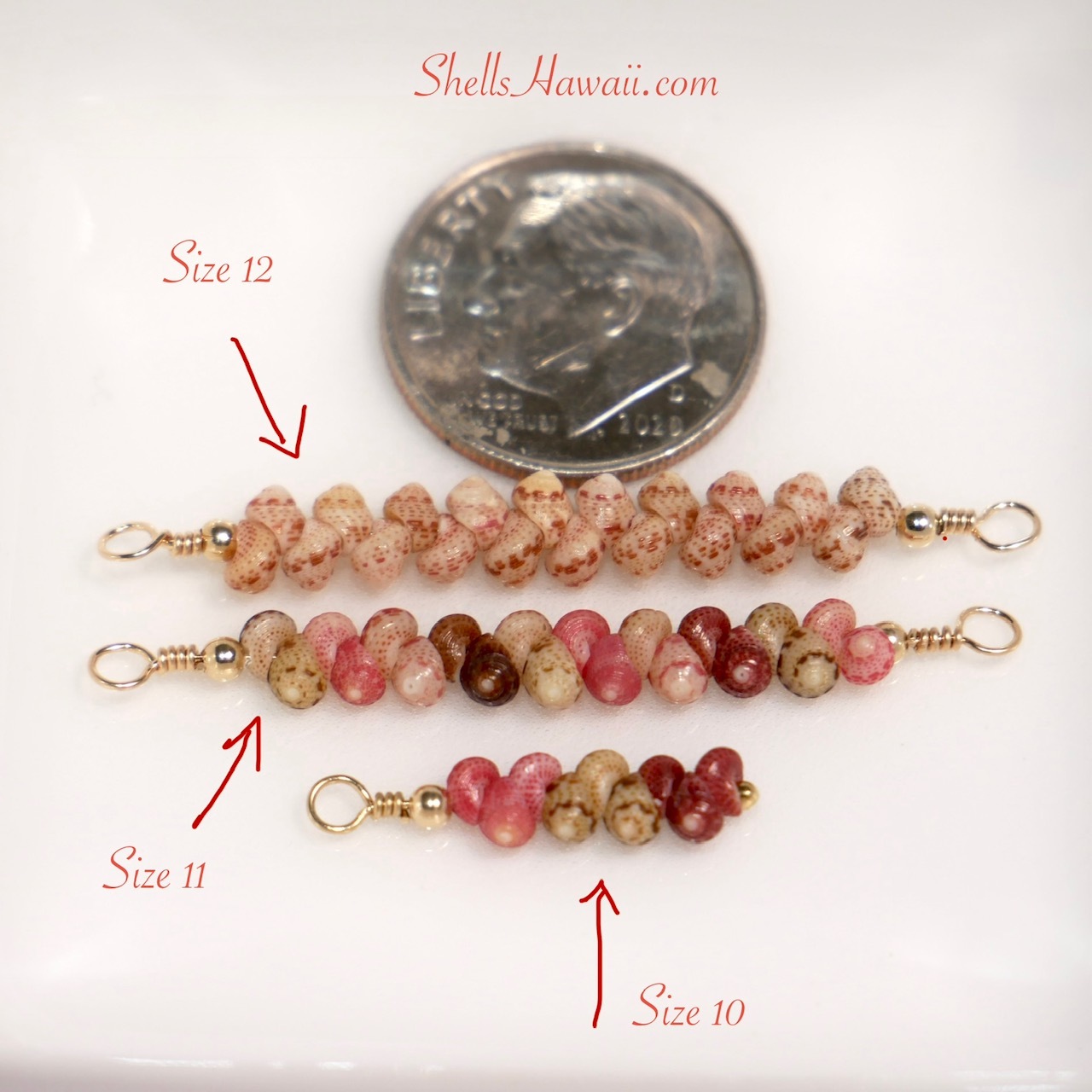
There really is no right or wrong in art. Every creator naturally develops their own style, techniques, and personal standards over time. Some creators may prefer a more organic and natural look, while others, like myself, may spend extra time focusing on details such as shell placement, spacing, and how evenly the shells lay on the wire.
Personally, I just really enjoy working with these tiny shells. Over time, as I continued learning and noticing all the small details in both the shells and the work itself, I naturally developed my own standards and practices to help maintain the quality of my pieces.
Because of that, every piece I create feels very personal to me. Small minimalist pieces or larger lei, they all receive the same level of care, patience, and attention along the way. I hope when you look at my jewelry, you can feel the care, patience, and love I put into each piece.
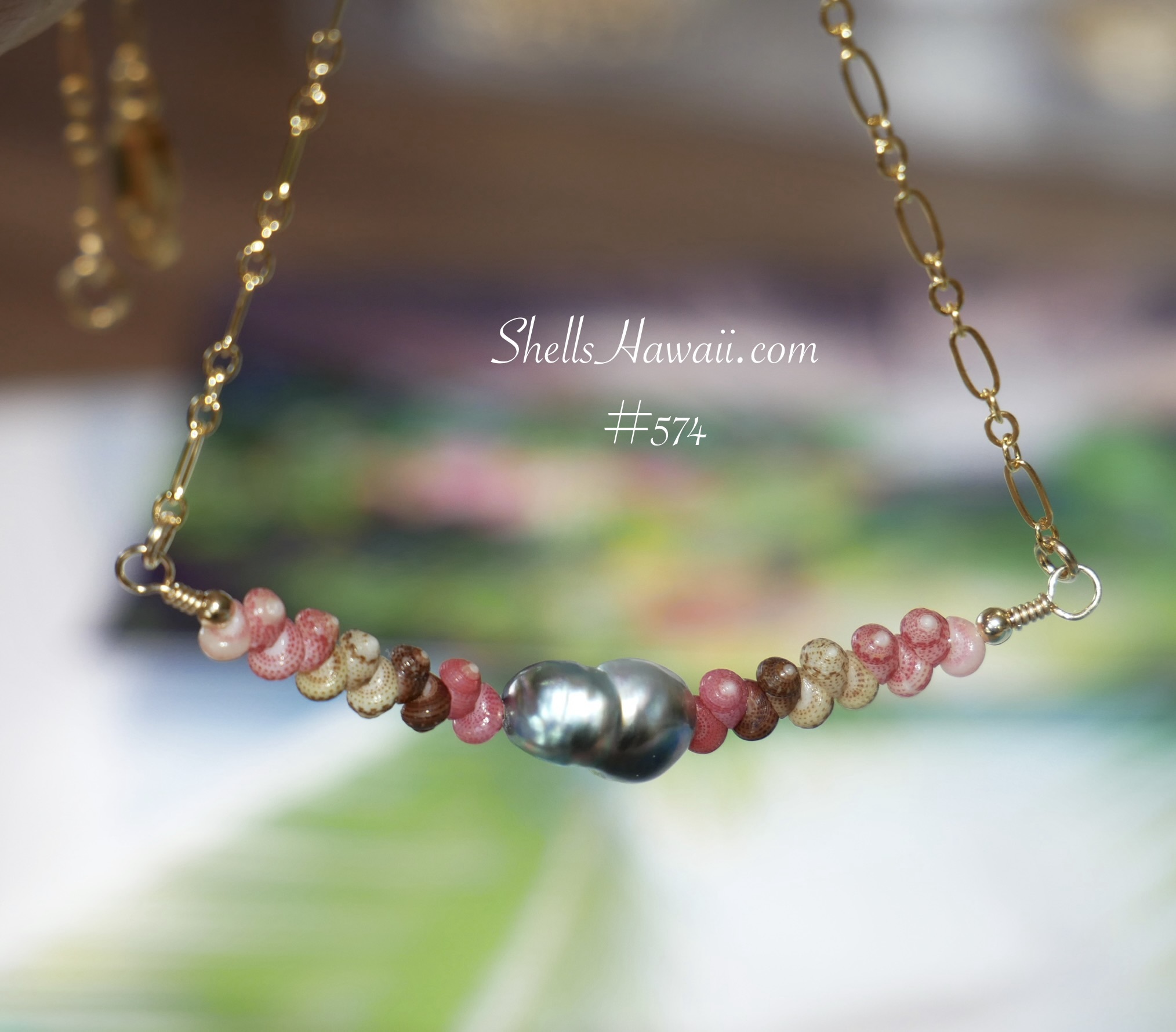
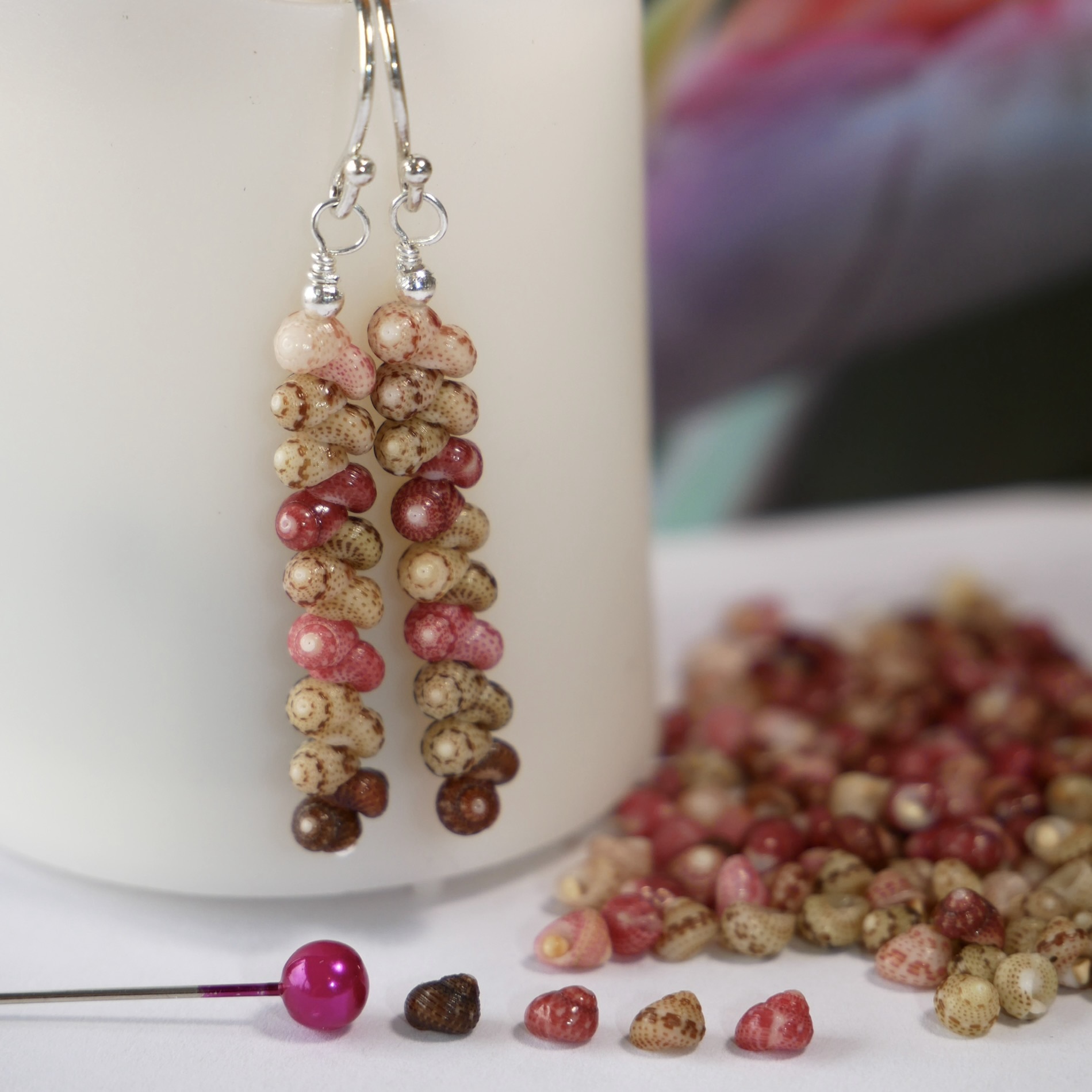
These modern minimalist designs have become one of my newest enjoyments to create, and I hope you enjoy them too. I have also been slowly adding minimalist pendants, delicate bracelets, minimalist earrings, and other everyday wearable designs to this collection because I truly enjoy creating these smaller pieces with tiny shells. I also offer some made-to-order necklace designs where you can choose the shell section design you love along with the necklace length you prefer.
At the same time, I will continue creating traditional styles of Niʻihau shell jewelry as well because this art form is incredibly beautiful and important to me. Please check back from time to time because I am already planning to create more Momi shell lei and some larger lei pieces to add to my collection later this year.
Much aloha for being here, supporting my work, reading my blogs, and leaving kind feedback along the way. It truly means the world to me. See you next time at my work table.
Janjira