 USD
USD


Welcome back, everyone!
I hope you’re still with me after learning about Single Pikake, Double Pikake and Double-Double Pikake… haha! Today, we’re moving into a completely different world — a style that’s round, strong, and full of personality. This is Lei Kui Poepoe, the classic Poepoe (Round) sewing style of Niʻihau shell jewelry.
Many of you have seen Niʻihau shell jewelry created in the Poepoe style and wondered how it’s made. I remember feeling the same way when I first started. Back then, there wasn’t much guidance or instruction available, so I learned through trial, patience, and many mistakes along the way.
Poepoe Style Niʻihau Shell Jewelry: The Design Everyone Wants to Try
So, what is Poepoe style?
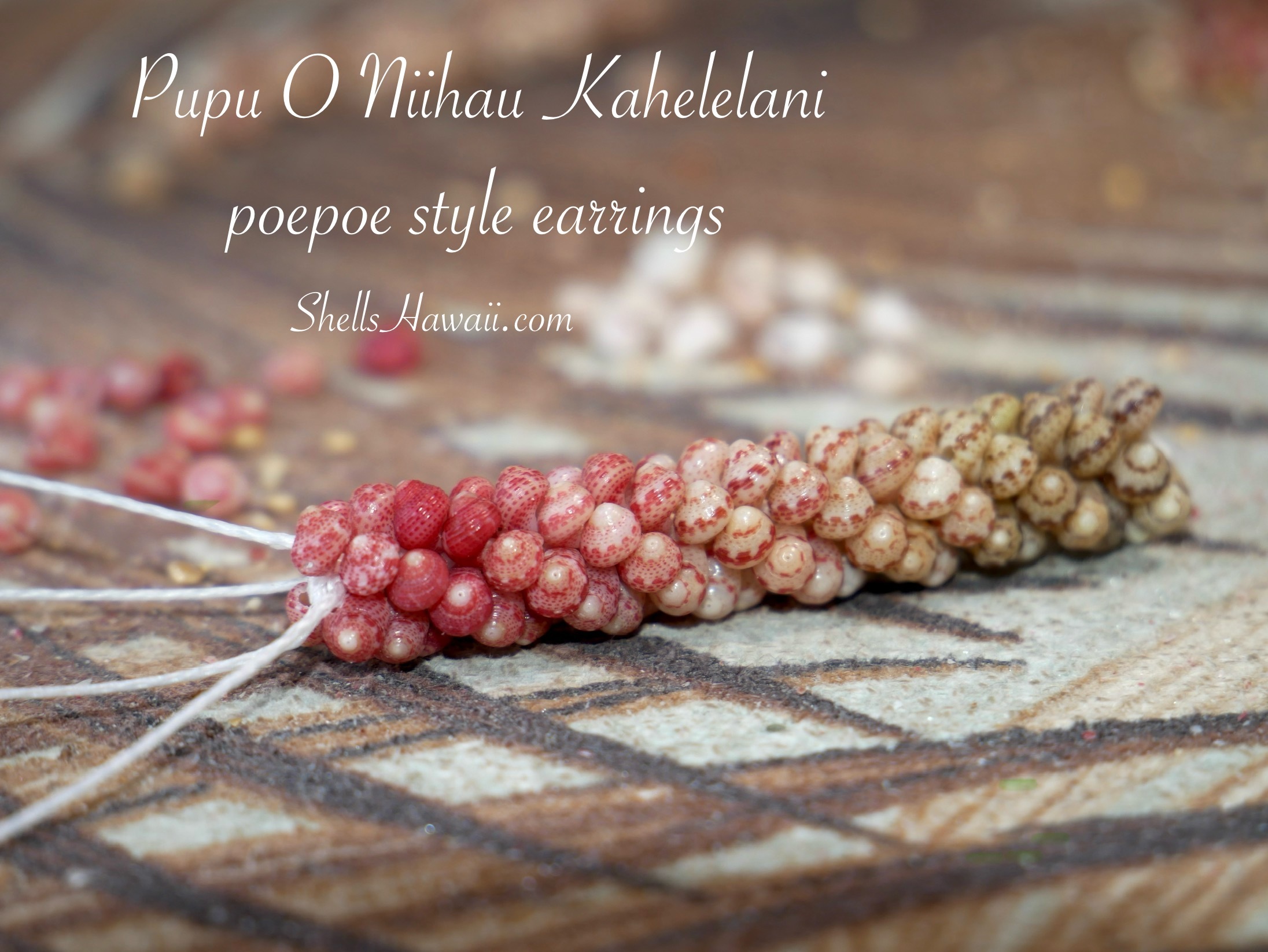
Poepoe style in Niʻihau shell jewelry refers to a rounded, rope-like design created by tying multiple strands of shells together, or by twisting and weaving the strands with additional string so they stay securely in place as the pattern forms.
Unlike flat styles such as herringbone (mauʻaloa style), Poepoe has a full, dimensional look — soft, balanced, and alive with movement.
The final appearance depends on the number of strands used, how they are tied or woven, and how evenly the shells line up as the piece comes together. In twisted Poepoe styles — such as two-, three-, or four-strand designs — extra string is used to weave the shells so the twist holds its shape. This technique requires very accurate hole placement, closely matched shells, and a lot of practice. Even with instructions, it can take years of experience to truly understand and create this style successfully.
Because of this, even small adjustments — in poking, shell selection, or tension — can completely change the look and feel of the finished design. This is why the four-strand tied Poepoe style is often my first recommendation. It’s a little more forgiving and allows you to focus on understanding the structure and flow before moving on to more advanced techniques.
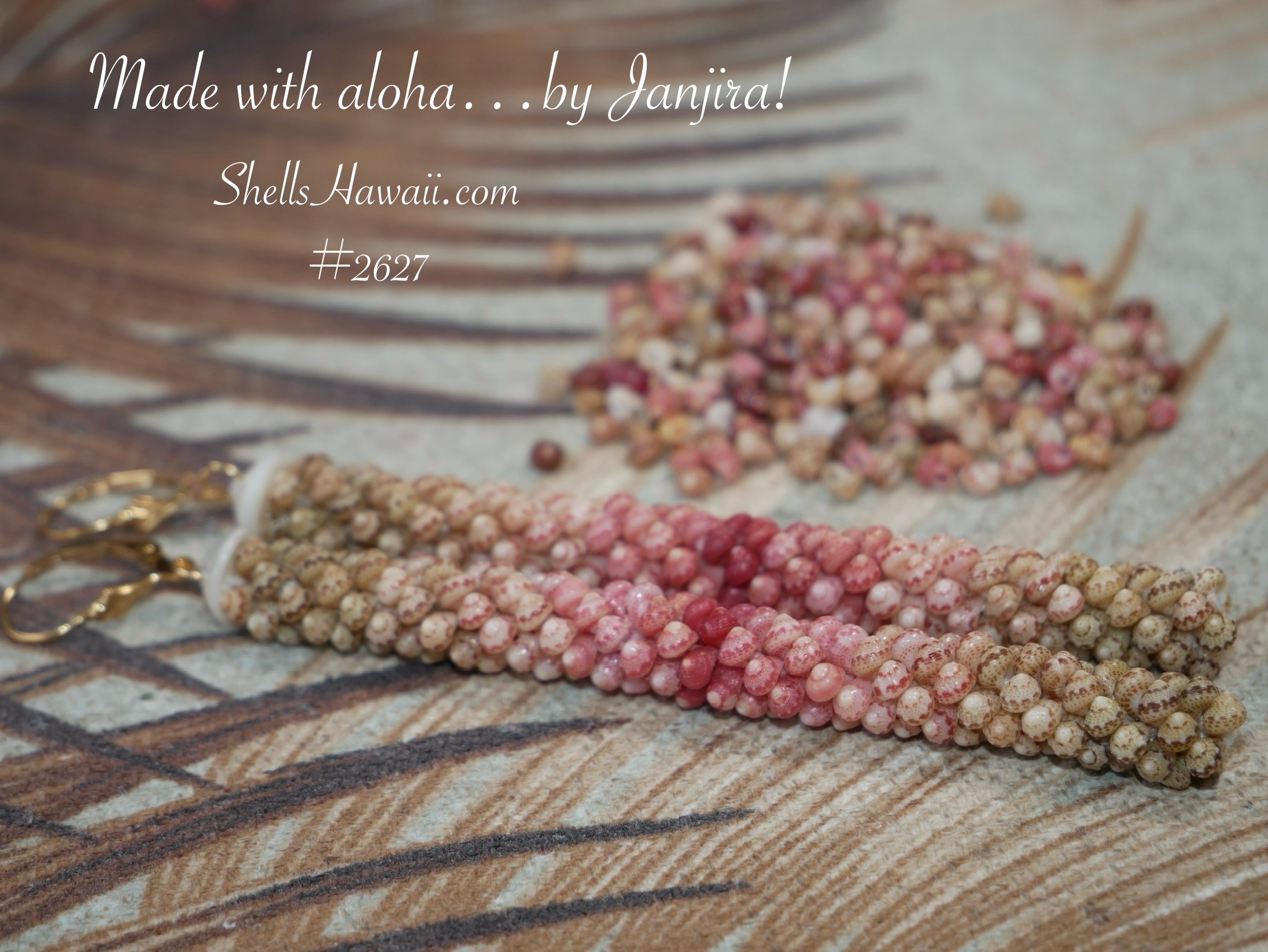
The earrings shown in above pictures are available in my shop as item #2627, if you’d like to take a closer look.
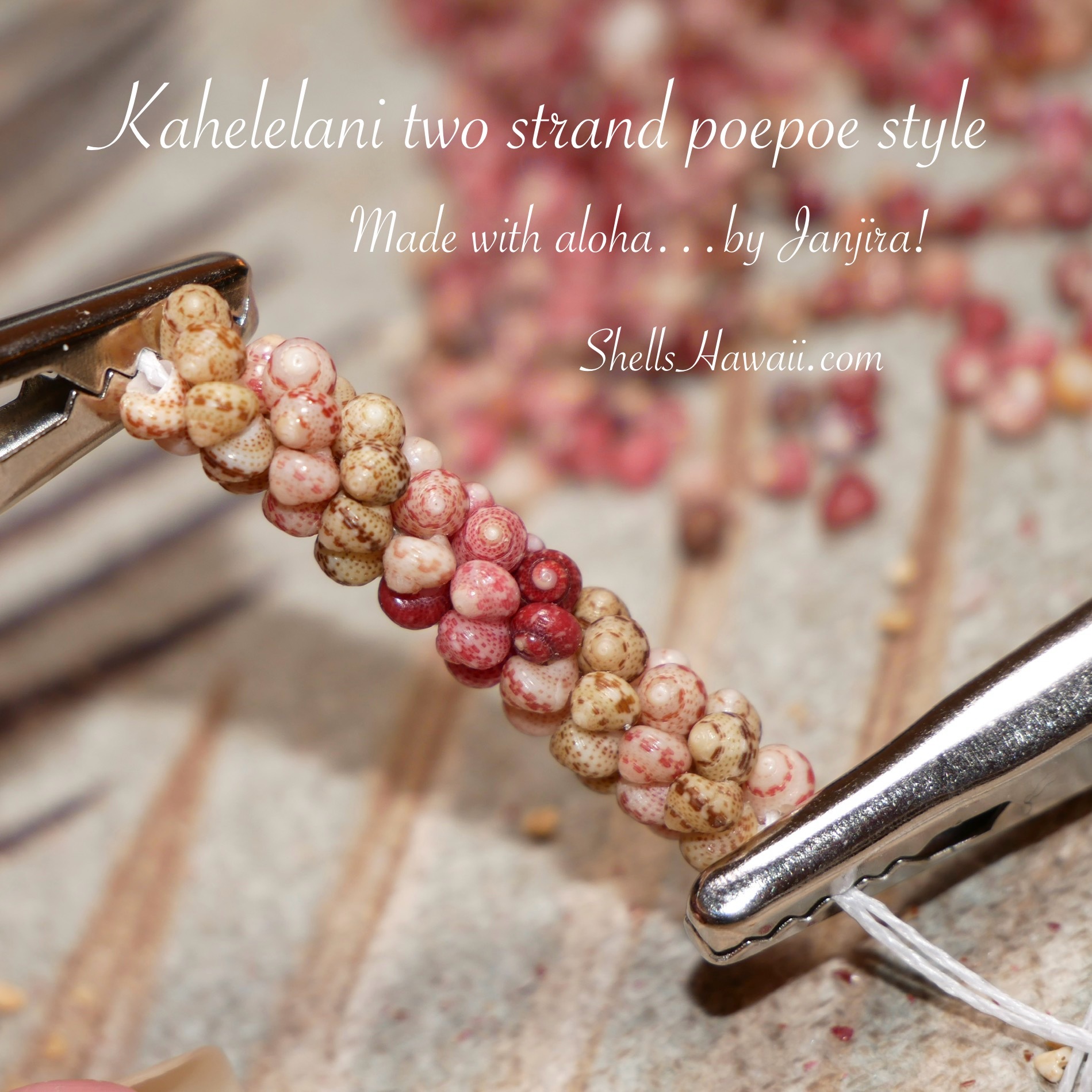
Some Poepoe variations — such as two-, three-, or four-strand twisted styles — are shown here to give you a visual sense of how the design changes as the strands twist and tighten. Each variation creates a different rhythm and structure, even when the same shells and technique are used.
The earrings and pendant shown below are created in the two-strand twisted Poepoe style. We’ll explore this technique together in an upcoming blog, so stay tuned.

This is how the three-strand poepoe style looks — full, rounded, and so beautiful with Kahelelani shells. We’ll learn more about creating this three-strand design in a future blog, so please stay tuned.
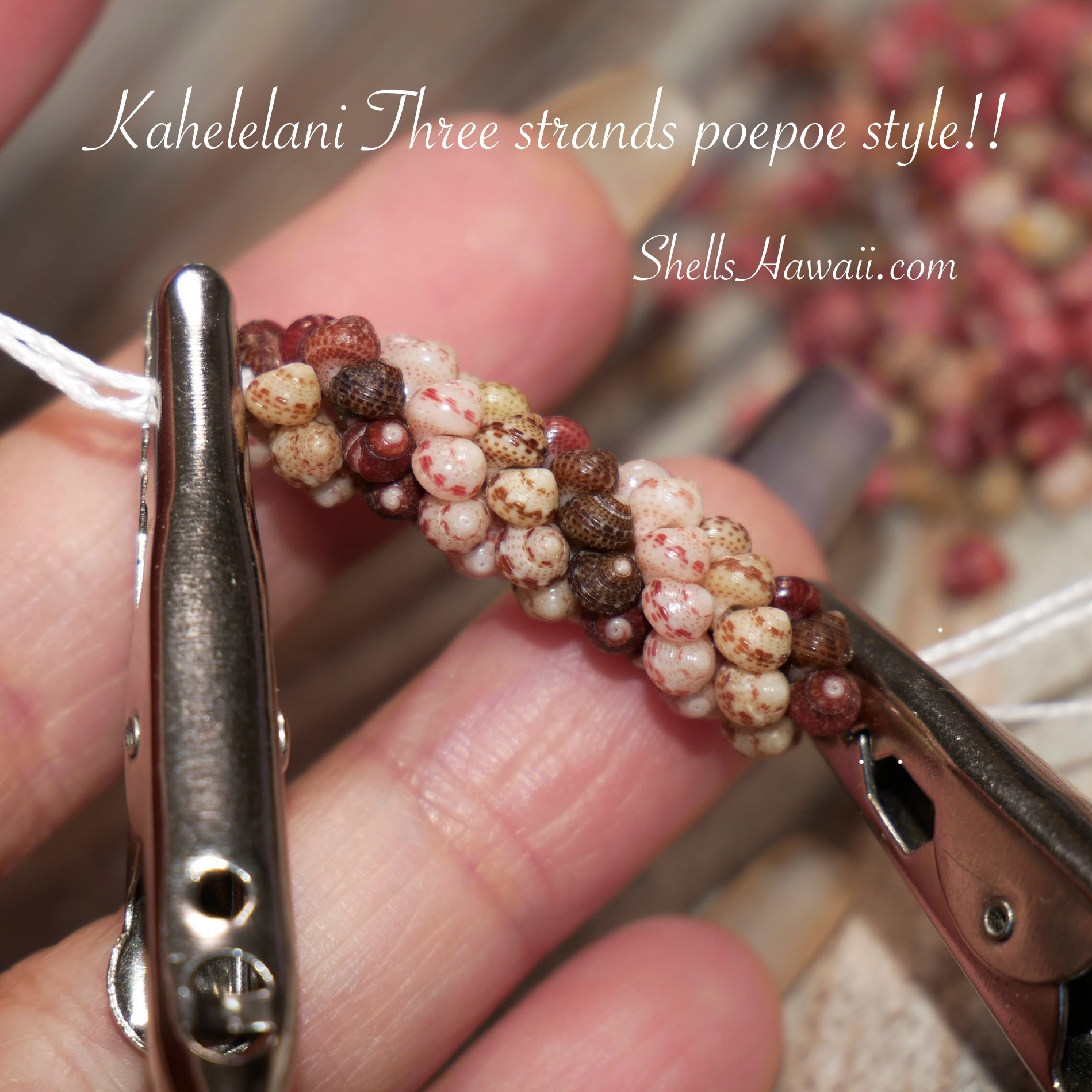
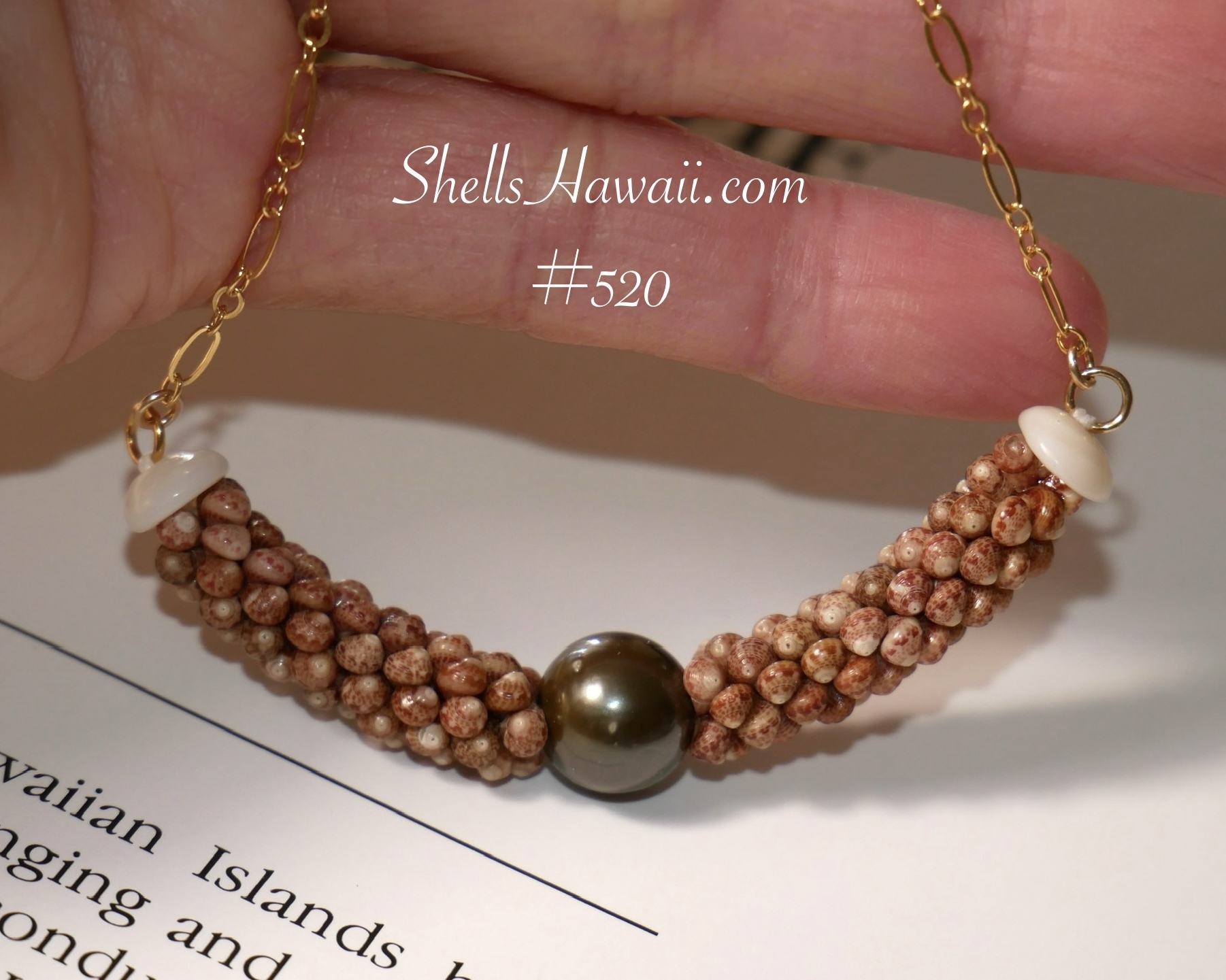
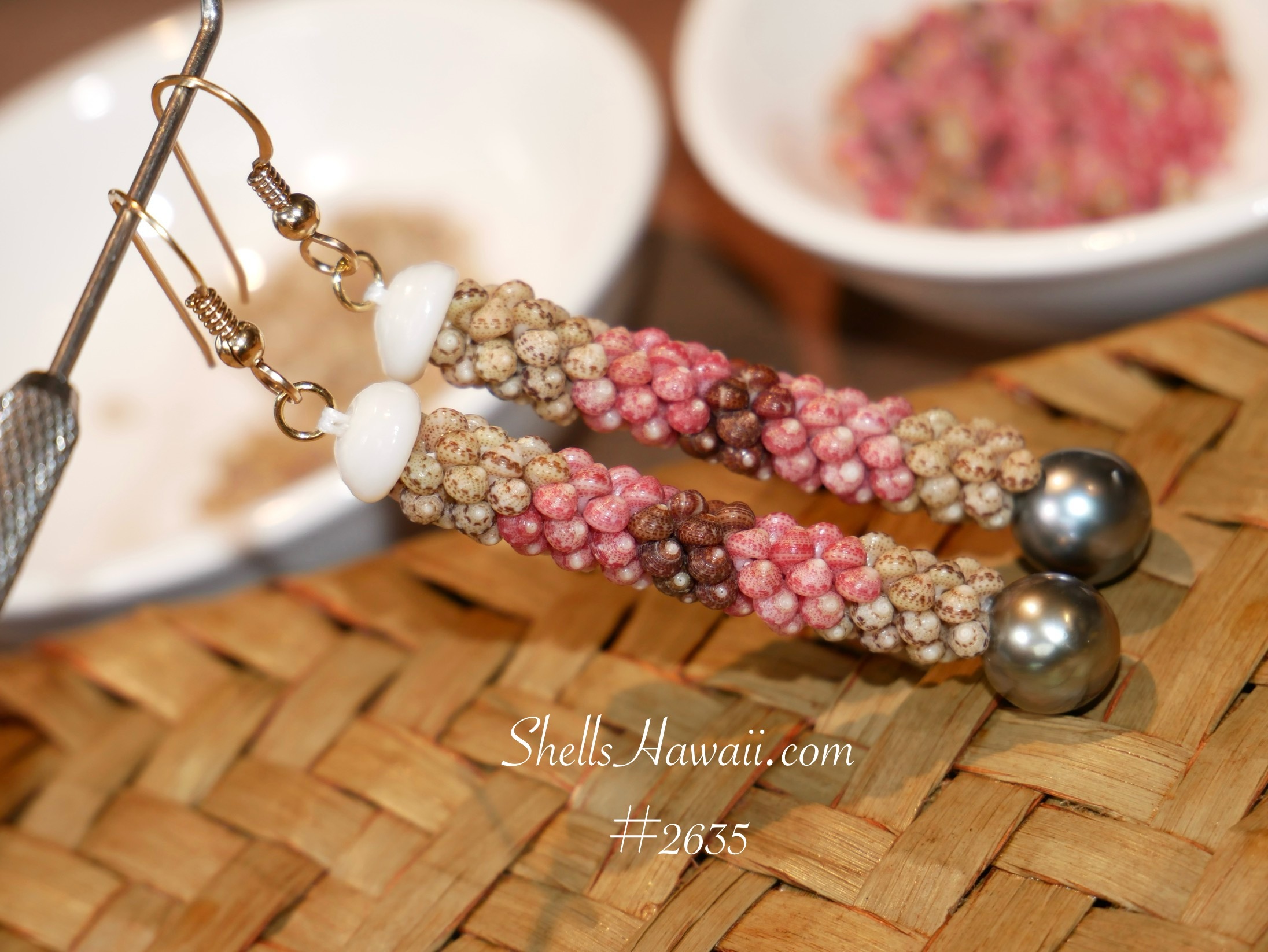
If you’d like to see finished earrings made in the three-strand poepoe style, you can click the item code #2635 or #2636

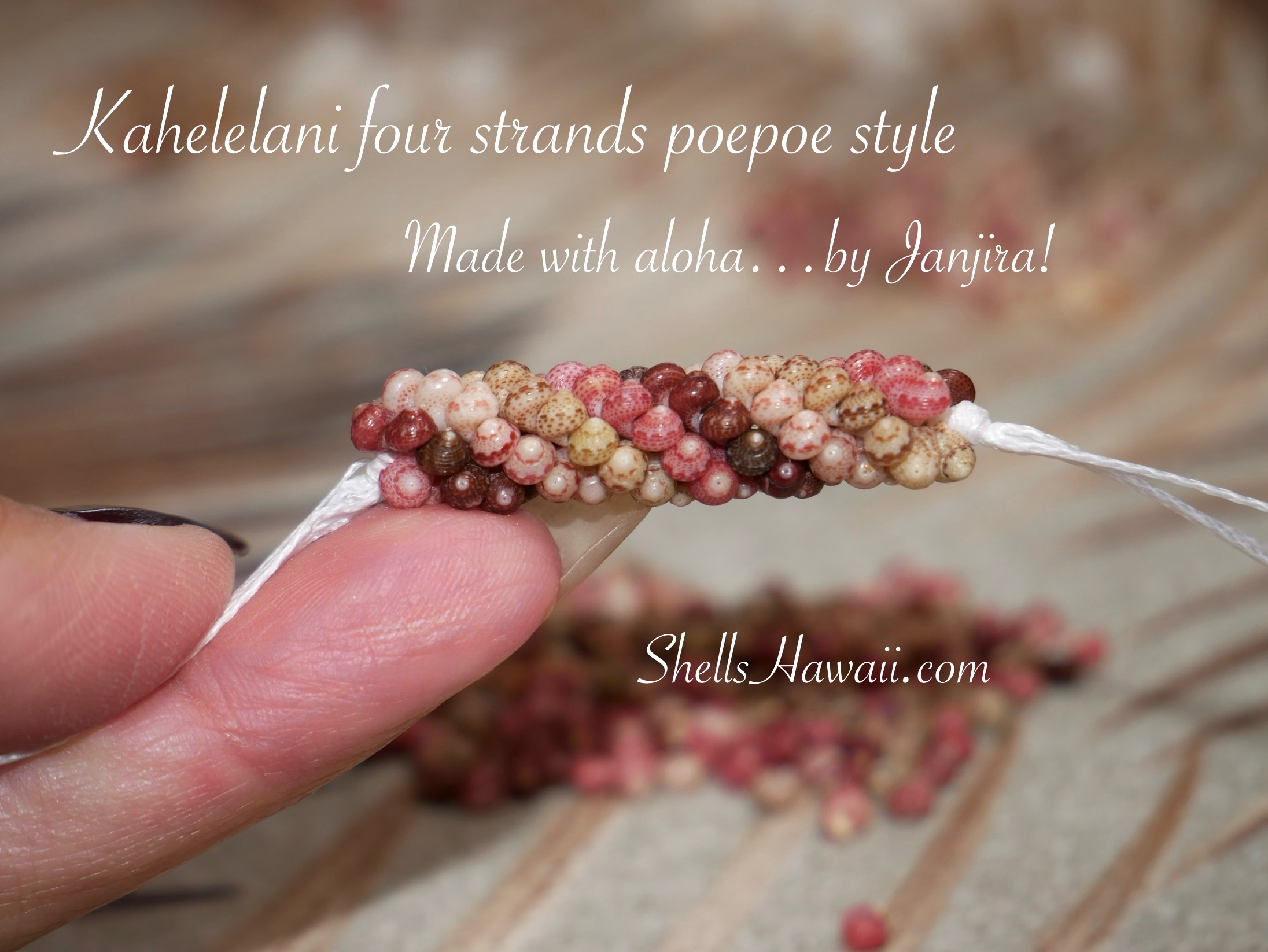
Here’s the four-strand twisted poepoe style — one of the fullest and most beautiful variations of poepoe. Please stay tuned, as we’ll explore this design more in an upcoming blog.
I hope this blog helps you better understand what the Poepoe style is, and how its look changes when different techniques and different numbers of strands are used to create it. If you’d like to learn a little more, please check out some of my blogs in the links below:
LEARN MORE — SHELLSHAWAII BLOGS
• Hawaiian shells
• Niʻihau shell styles
• Behind the scenes
• Beginner guides for Hawaiian shell jewelry
• Customer testimonials
• FAQ blogs
If you need more information, you can also read my blog Buyer’s Guide or please contact me anytime for further assistance.