 USD
USD


Aloha and welcome back to ShellsHawaii blogs everyone. If you’ve already read my blogs on the Single Pikake style and the Double Pikake style, then you’re ready for the next beautiful step in this traditional Niʻihau shell jewelry journey.
The Double-Double Pikake is one of the most eye-catching styles created with genuine Momi shells. It has more volume than the Double Pikake, more movement than the Single Pikake, and a soft, rounded shape that feels elegant and full when finished.
I still remember the first time I heard the name “Double-Double Pikake.” I thought, Wait… is that really a real style? Or is someone just being funny? But no — it’s very real, very traditional, and incredibly beautiful when done correctly.
Whether you’re a collector of authentic Niʻihau shell jewelry, someone who loves handmade Hawaiian gifts, or a beginner curious about how these styles are created, this is one of those techniques that makes you stop and say, “Wow… so that’s how they do it.” Now that you understand how Pikake clusters begin in the Single style and expand in the Double style, this blog will show how those foundations come together to create one of the fullest styles in the Pikake family. Let’s explore how the Double-Double Pikake is formed — step by step, shell by shell — and why this style holds such a special place in traditional Niʻihau shell artistry.
The Shape and Flow of the Double-Double Pikake Style
The Double-Double Pikake, often called the Coconut Style, has a soft, full, and quietly complex appearance. Two rounded rows sit closely together and move as one, creating a gentle flow that feels natural and effortless. What makes this style so special is the balance, spacing, and the way everything settles softly into place. When done well, the lei feels alive without trying too hard to stand out.
The name “Coconut Style” comes from the way the finished piece resembles the long blossoms of the male coconut flower. Unlike the Single Pikake, this style opens outward instead of staying in a single line, creating a fuller, rounder, more dimensional look. The result has a soft floral presence that feels calm and warm, like coconut blossoms swaying in the island breeze.
Understanding the Difference Between Single, double and Double-Double Pikake
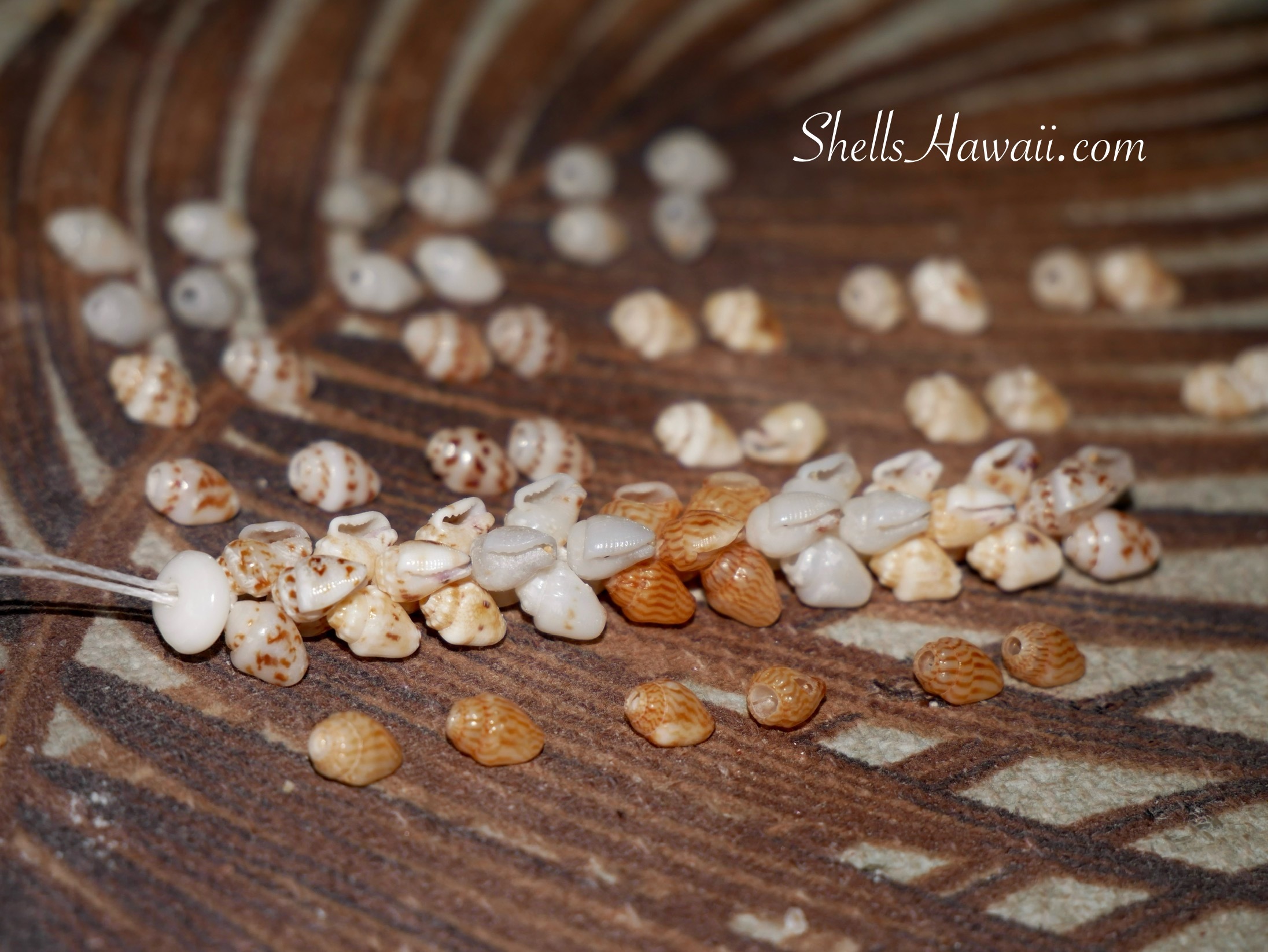
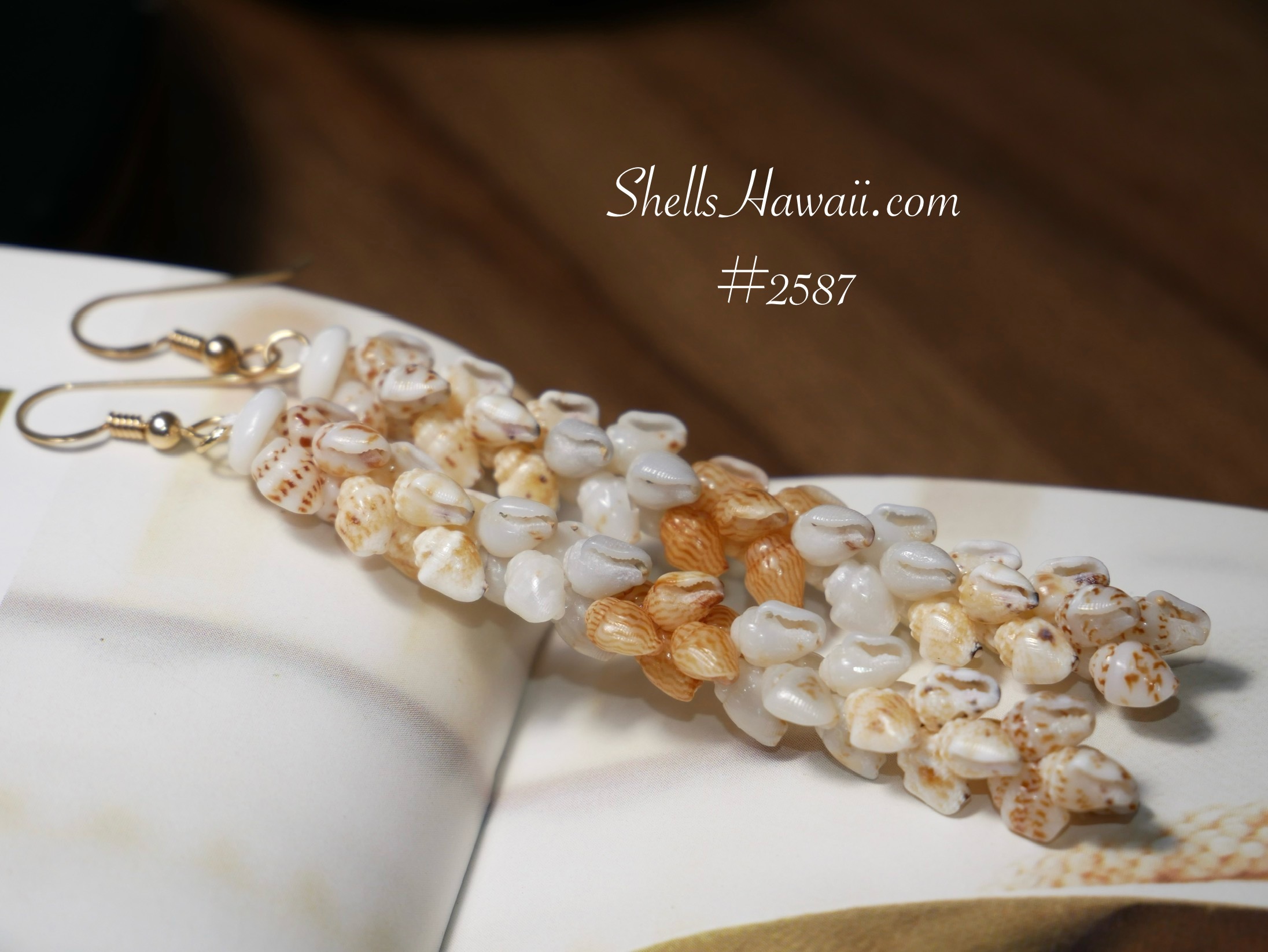
Double-Double Pikake — How It Turns Out If You Poke the Holes in Different Angles
In Niʻihau shell jewelry, the angle of how each shell is poked — whether Kahelelani, Momi, or Laiki — plays a big role in how the final piece turns out. The direction of the hole, along with the technique you use, changes everything about how the shells align and flow together.
In this case, we’re getting to know the Single Pikake, Double Pikake and Double-Double Pikake styles that use Momi shells to create their distinctive shapes. Below, you’ll see a few side-by-side photos showing three different poking angles, all using the same technique — one for the Single Pikake and one for the Double-Double Pikake — so you can see how the direction of the hole completely transforms the look of each piece.
Here’s a side-by-side look at Single Pikake and Double Pikake. Both are poked at the exact same angle and use the same Pikake technique — the only difference is the number of strands used, which changes how full the final piece looks.
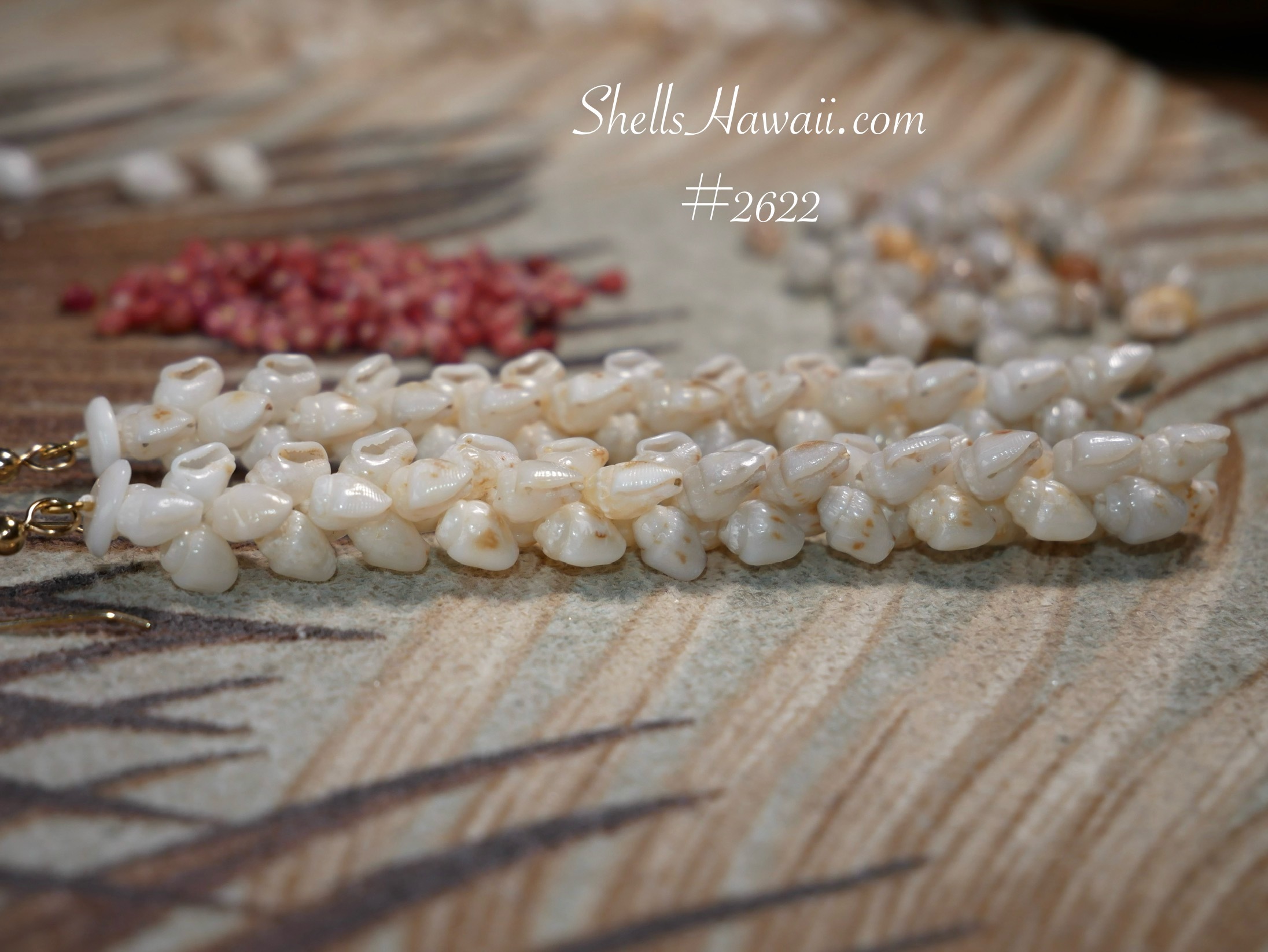
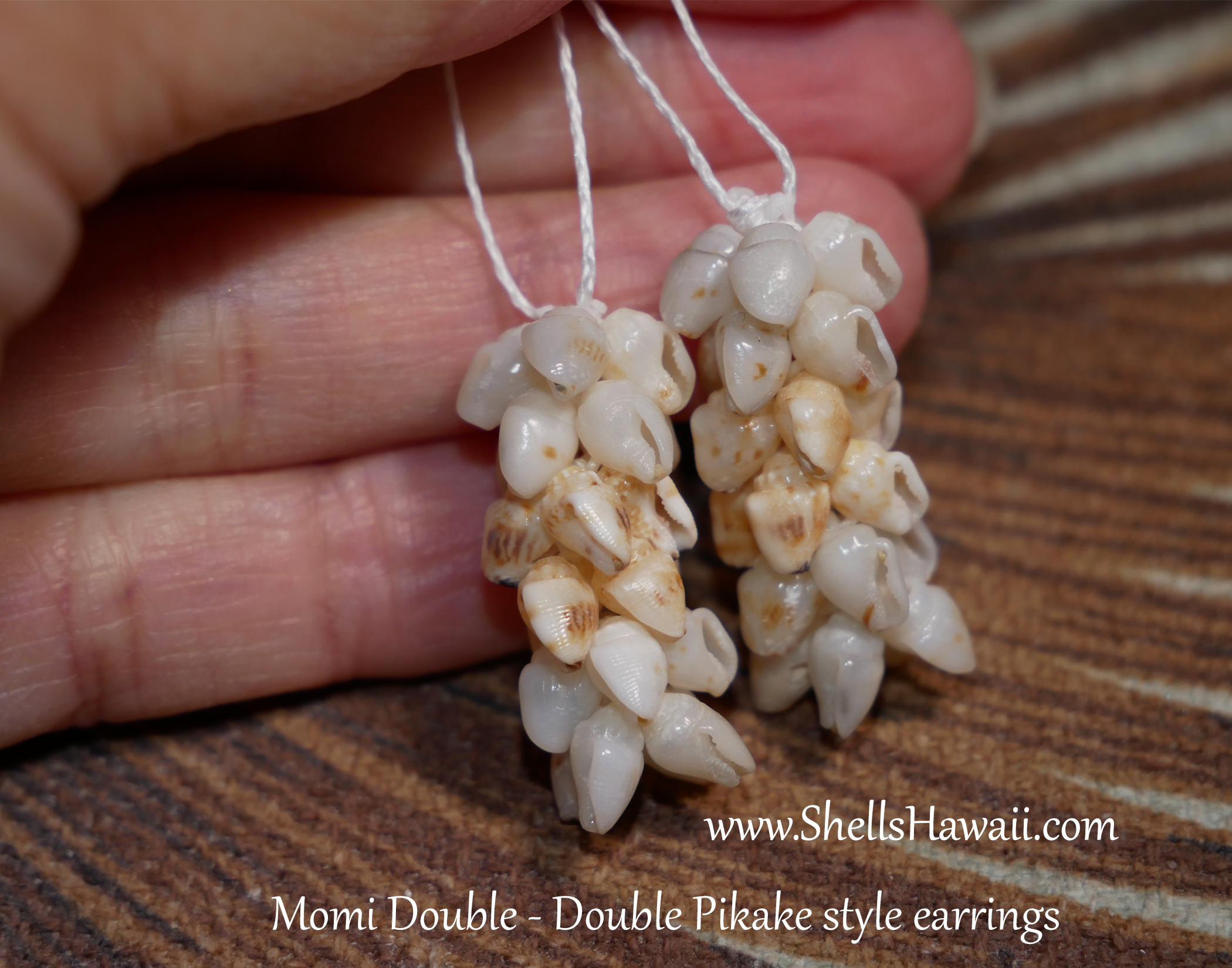
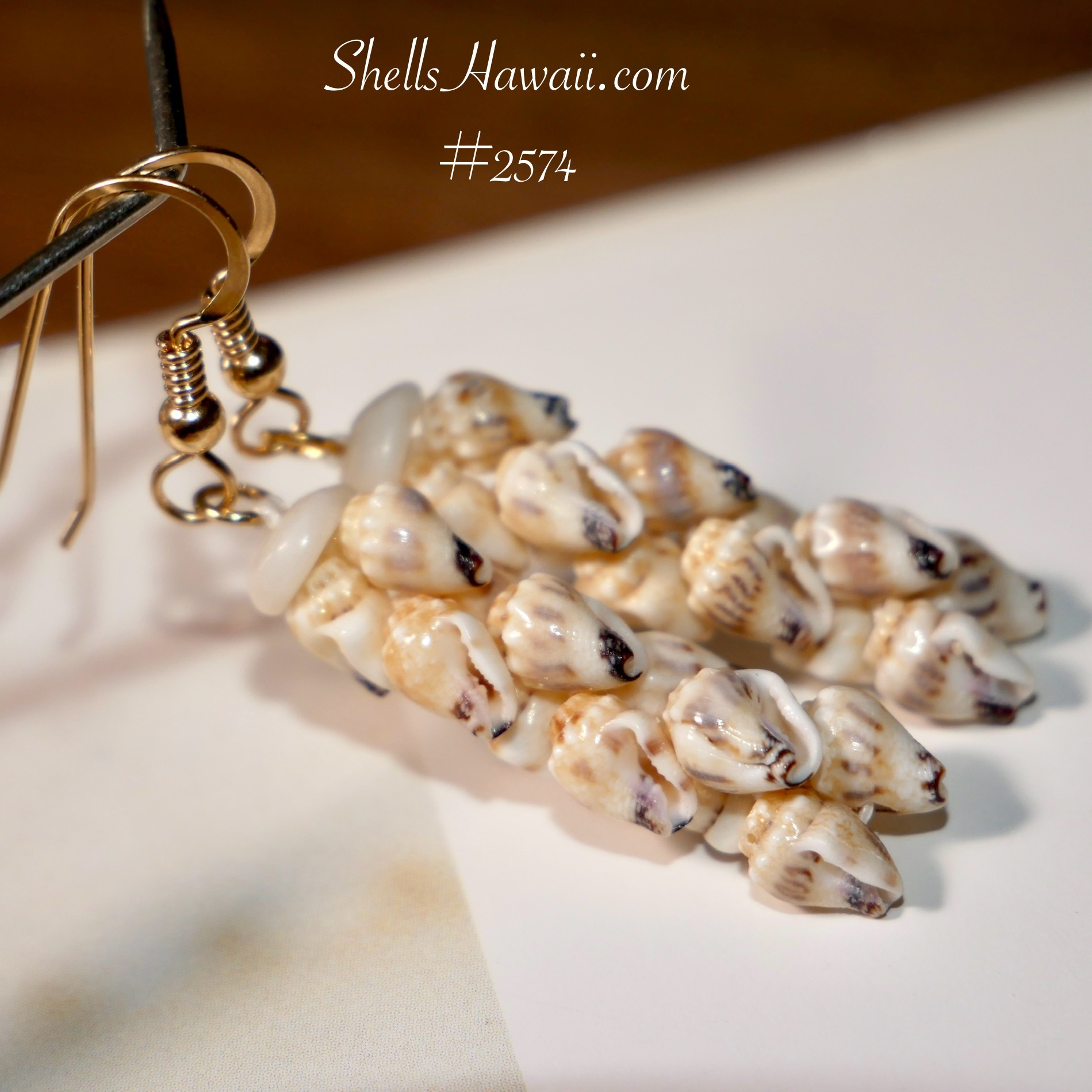
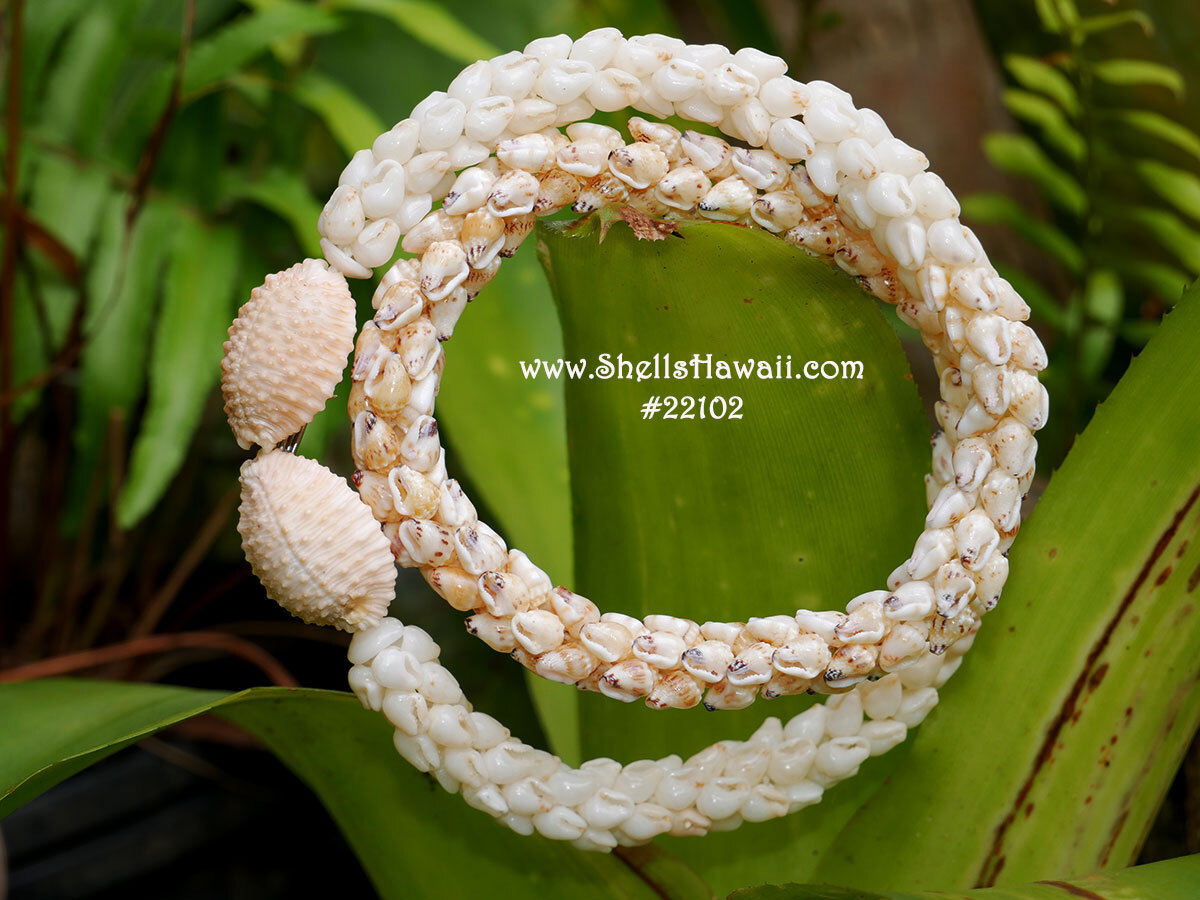
When you string the Double-Double Pikake, the result is a lei that looks beautifully full, rounded, and softly layered — almost like two Pikake rows woven side by side. Each shell sits neatly next to the other, creating a continuous, flowing texture that’s thick but flexible.
If you’d like to take a look behind the scenes and see how I made Lei #2005, you can click here.
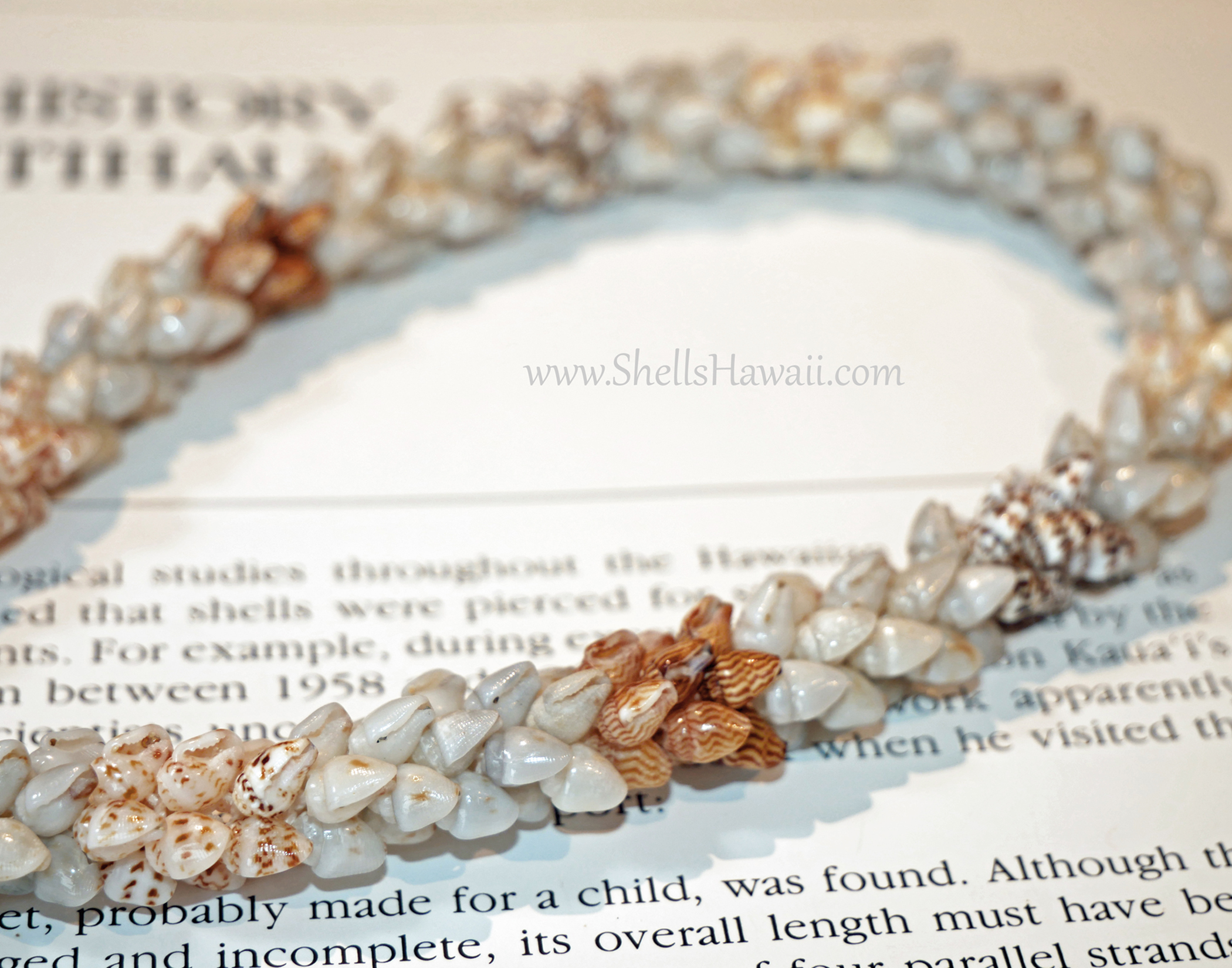
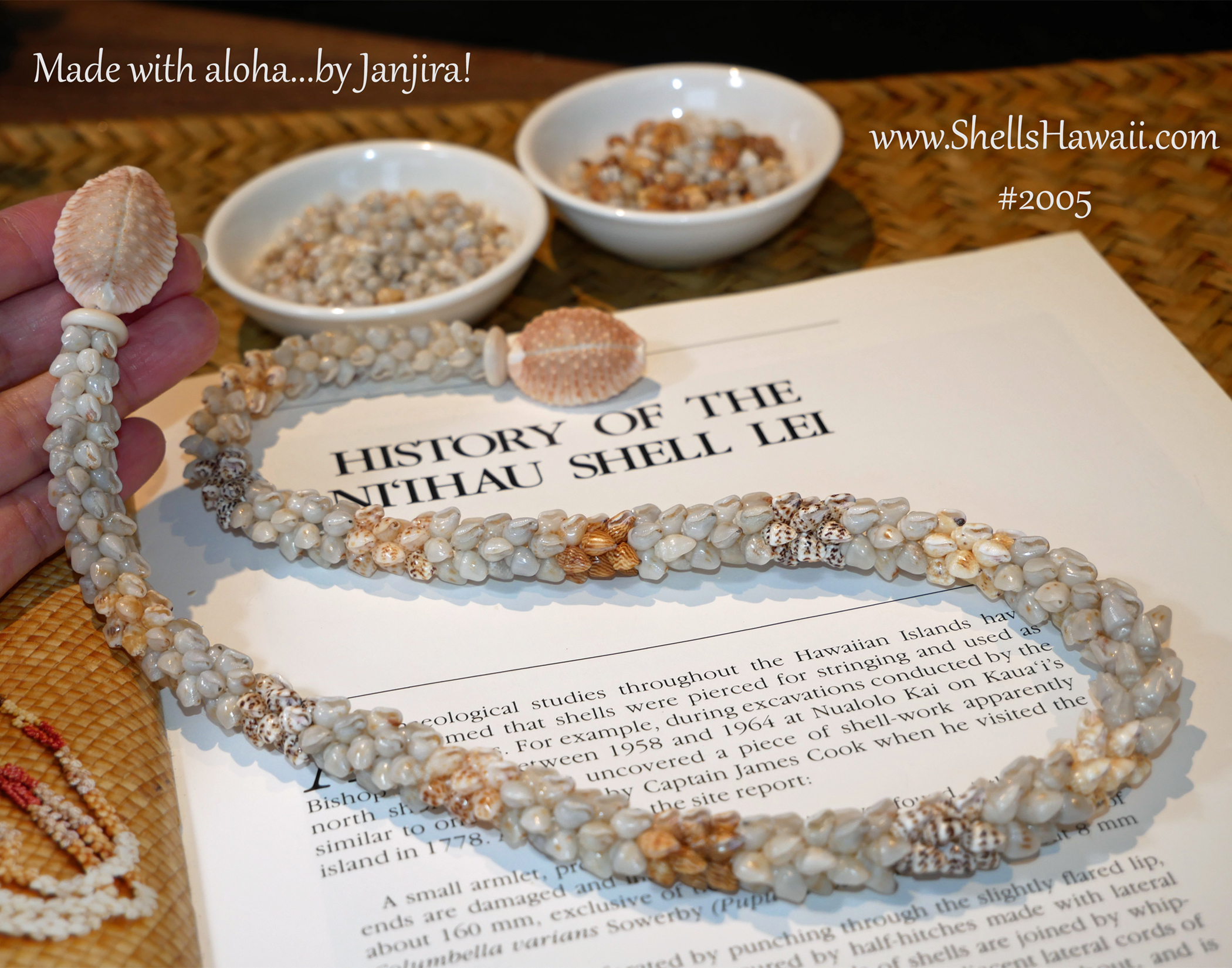
If you look closely, you’ll notice how the shells overlap slightly, forming gentle curves that move together like soft waves. That’s the signature of the Coconut Style — the way each strand joins together to form one full, elegant body.
⤵️ Side by side: Single Pikake vs. Double-Double Pikake — both poked at the same angle, using the same Pikake technique.
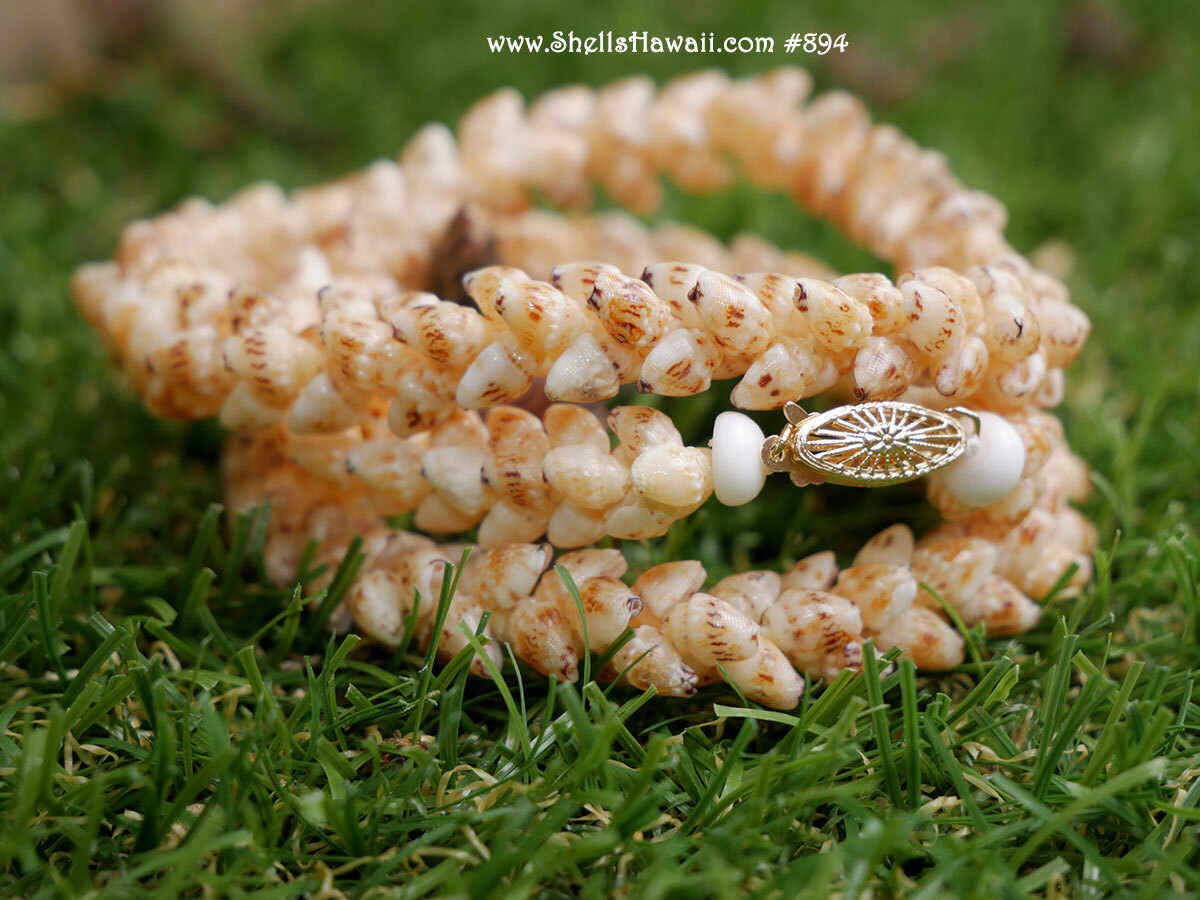
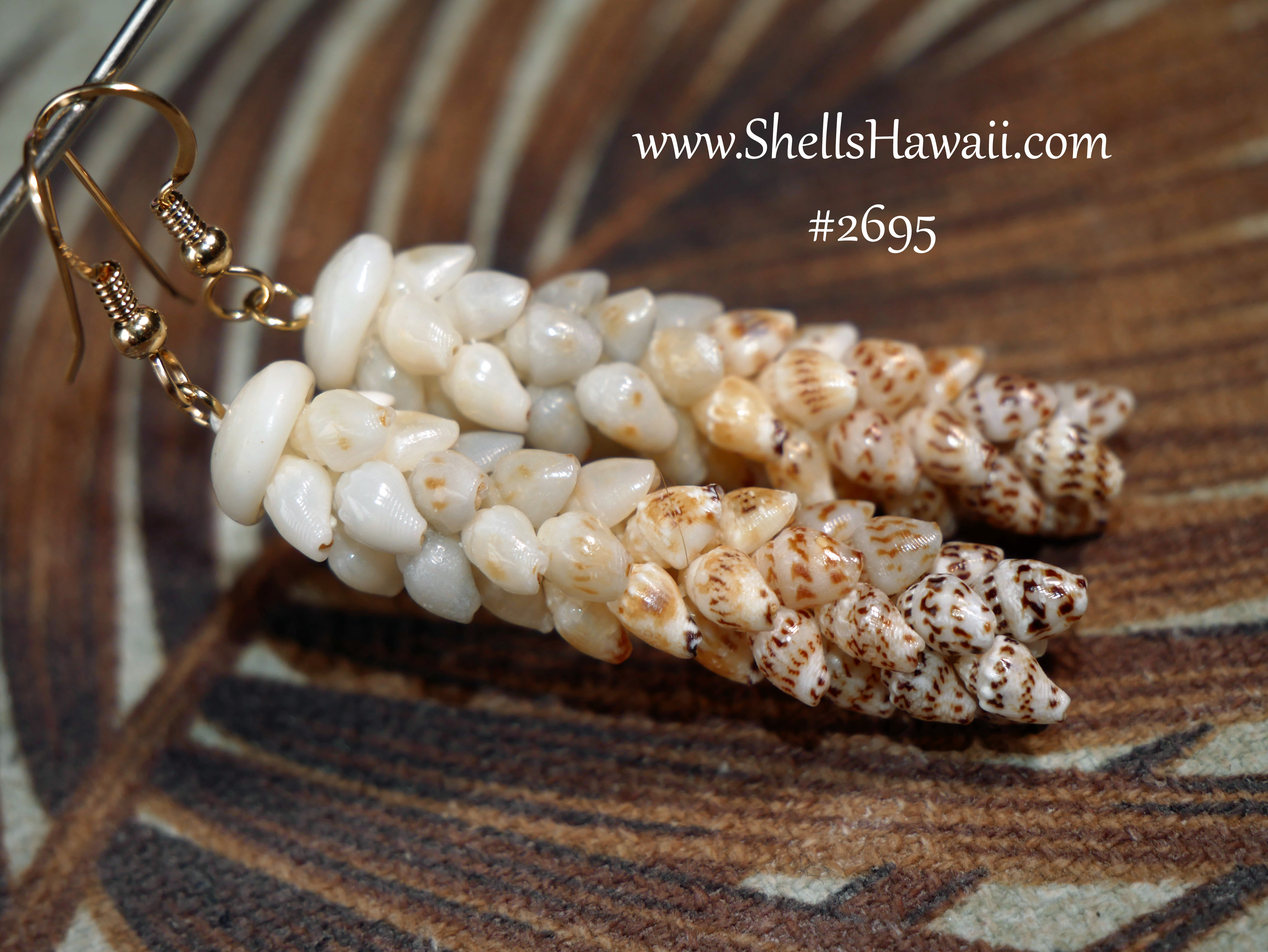
When the holes are poked at a slightly different angle, the shells begin to face outward, changing how the lei opens and curves. This subtle shift gives the piece its own character — sometimes a little looser, sometimes more compact — depending on the natural curve of the shells and the direction of the poke.
⤵️ Side by side: Single Pikake vs. Double-Double Pikake — both poked at the same angle, using the same Pikake technique.
Closing Thoughts
I hope that now, when you hear Single Pikake, Double Pikake, or Double-Double Pikake, you can picture how each style looks and better understand how they are formed. While every design has its own rhythm and personality, they all share the same soft, flowing spirit that makes Niʻihau shell jewelry so special.
Niʻihau shell jewelry includes many traditional styles and techniques, and even the angle of how a shell is poked can completely change the final appearance. I know the Hawaiian names and terms can sometimes feel confusing or difficult to remember, especially for those who are newly discovering this beautiful art. That’s why I try my best to explain everything in the simplest way possible — so when you hear these styles mentioned again, you can picture them clearly and feel more confident understanding the jewelry you love or hope to purchase.
Everything I share here comes from both my own experience and the research I’ve gathered over the years, hoping to pass along a little of what I’ve learned along the way. I hope you enjoyed learning more about these Pikake styles, and next I’ll be sharing another favorite — the Kipona Style — known for its beautiful blend of color, texture, and movement.
If you’re looking for a meaningful Hawaiian gift, you may also enjoy reading my Niʻihau Shell Jewelry Buyer’s Guide for ideas and tips on choosing something special. And if you’re interested in learning to create your own jewelry, my Beginner’s Guide shares helpful basics about sorting, poking, and stringing authentic Niʻihau shells. If you have any questions or need advice, please feel free to contact me anytime — I’ll be more than happy to help.
With aloha,
Janjira