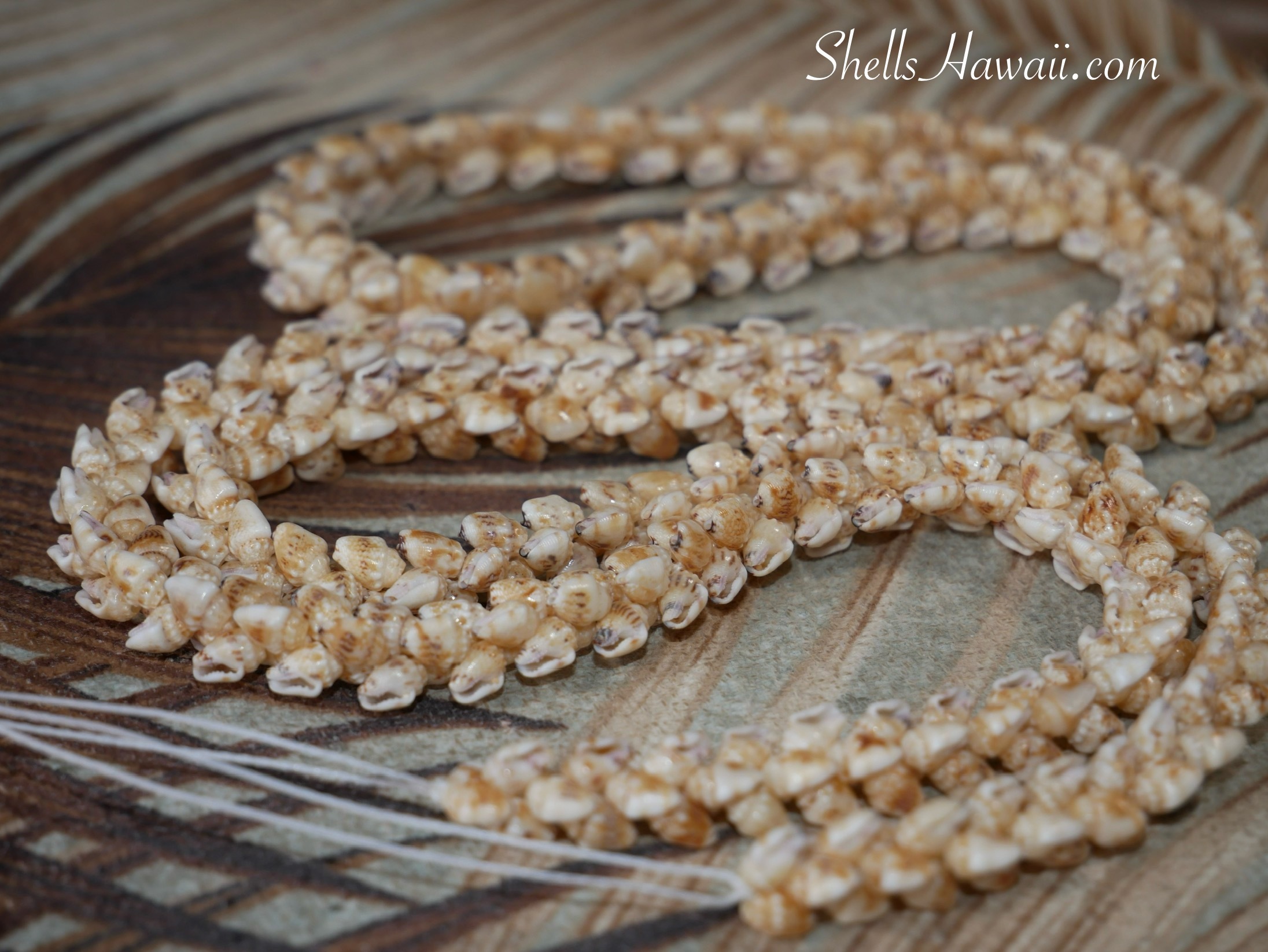
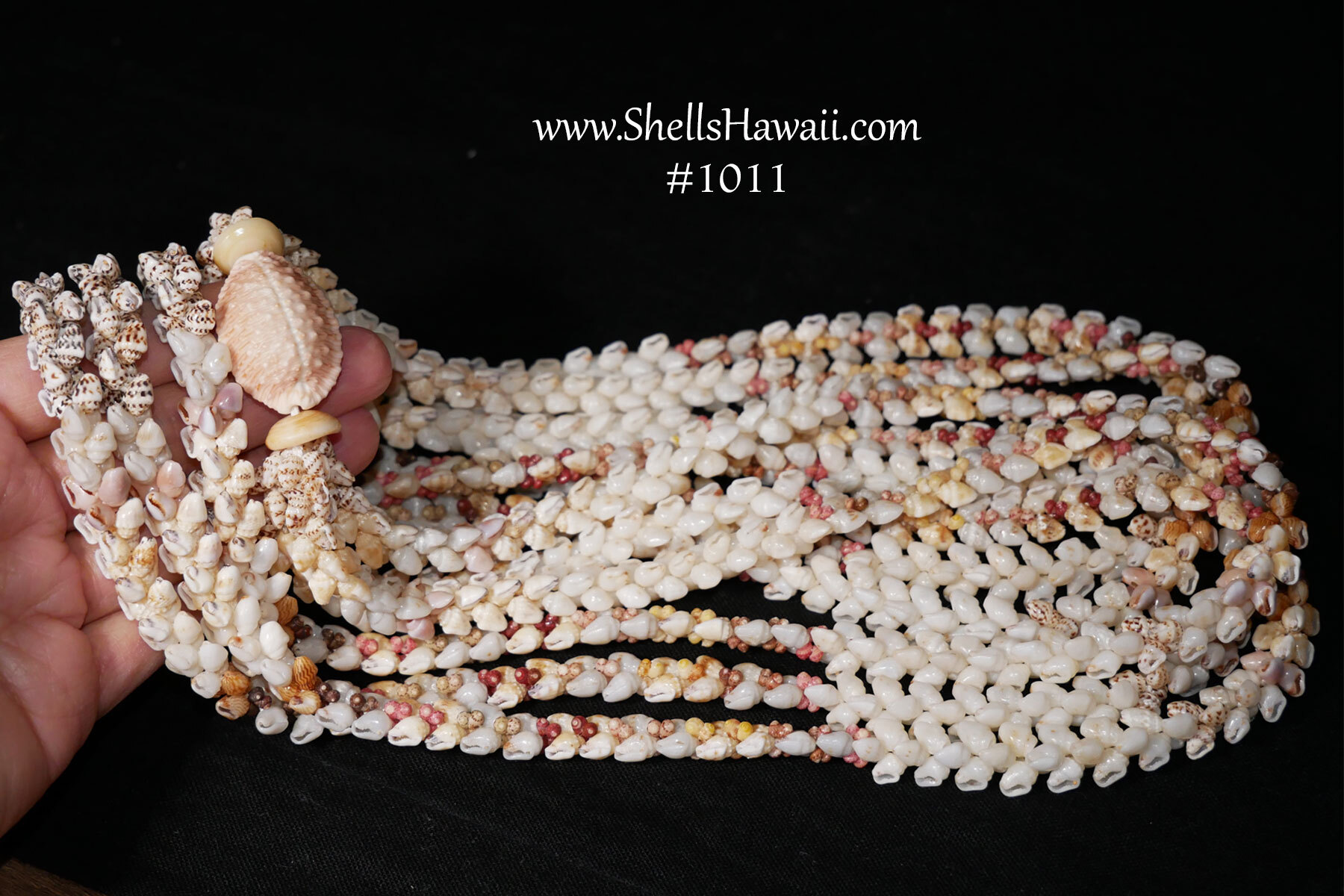
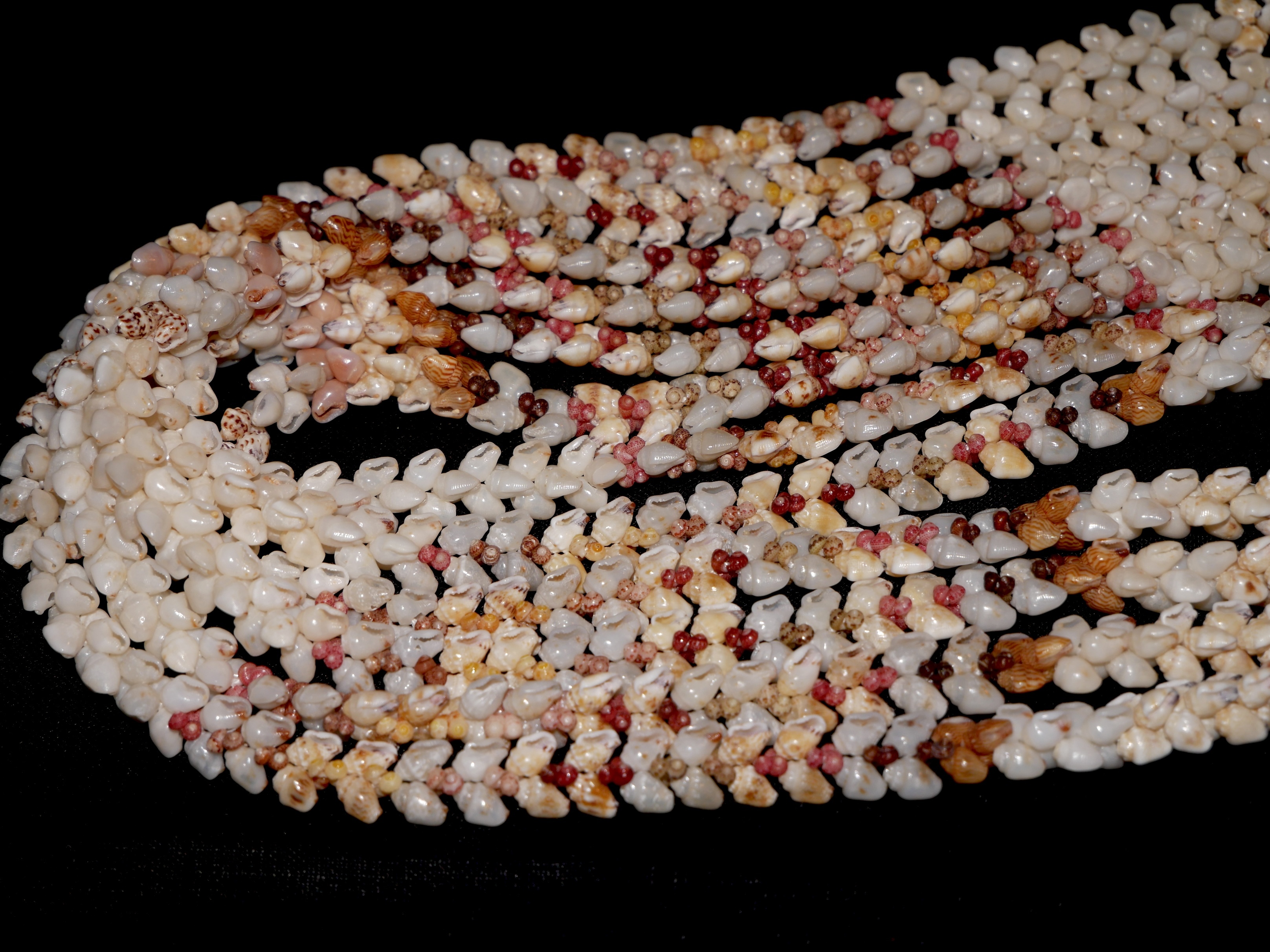
Aloha and welcome to ShellsHawaii.
Thank you so much for being here and taking a little time to read along with me.
Momi shells are the most commonly used shells in Niʻihau shell jewelry, and they’re often the first shells people come across when learning about this art. If you’re new to Momi shells, I invite you to take a little time to get to know them before continuing this journey with me.
Today, I’d love to talk a little more about Momi shell grading.
You can read about Momi shells in many places — through research, online articles, Google, or even AI. There is a lot of information out there describing shells and how they are graded.
But even when you read all of that, it can still be hard to really picture what those descriptions mean. That’s why today I’d like to talk a little more about it, based on my own experience.
This blog is not meant to be technical or perfect. It’s simply me sharing what I’ve learned through hands-on experience — sorting shells, poking holes, stringing them, breaking some along the way, and slowly understanding what works and what doesn’t. I hope this helps you feel more comfortable and confident as you learn more about Momi shell grades.
Momi shells come in many sizes and colors, and some colors are much harder to find than others. If you’d like to explore that side of Momi shells, you can always visit the Shells Information section of the blog.
How I Look at Momi Shell Grades
When people ask me about Momi shell grades, I always like to slow down a little — because grading shells isn’t as simple as it sounds.
There isn’t an official system that says this is A, this is B, and this is C. Most grading comes from experience — years of touching, sorting, poking, stringing, and sometimes breaking shells along the way.
For me, grading isn’t about deciding whether a shell is good or bad. It’s about understanding what that shell is best suited for.
When I’m working with Momi shells, there are a few things I naturally pay attention to.
Luster (shine)
Some Momi shells have a deep, natural glow — almost like they’re softly lit from within. Others have a quieter, more gentle shine.
Brighter, more even luster is often seen in higher-grade shells, while softer or more worn shine usually comes from shells that have spent more time tumbling in the ocean. Neither is wrong — they simply serve different purposes.
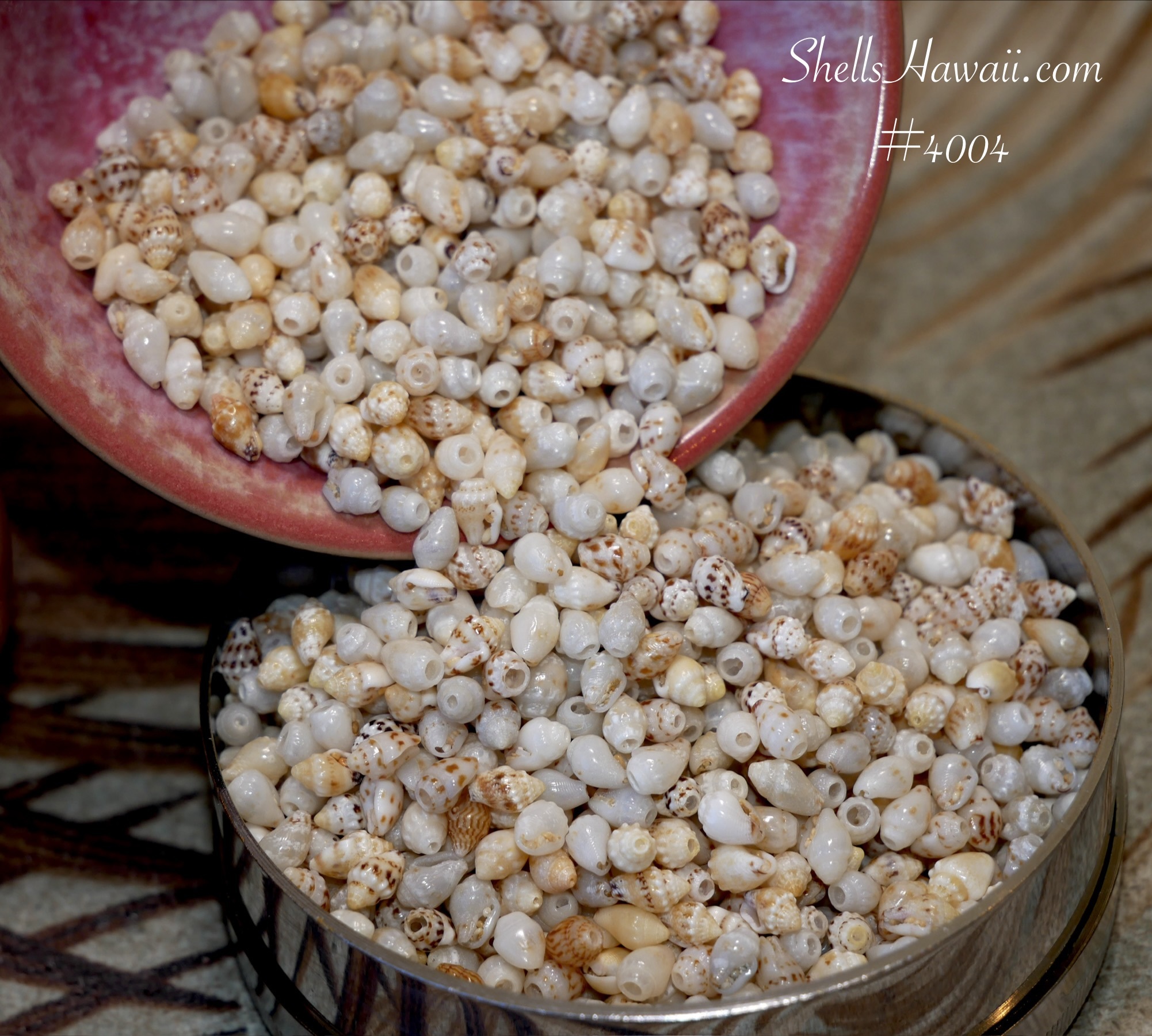
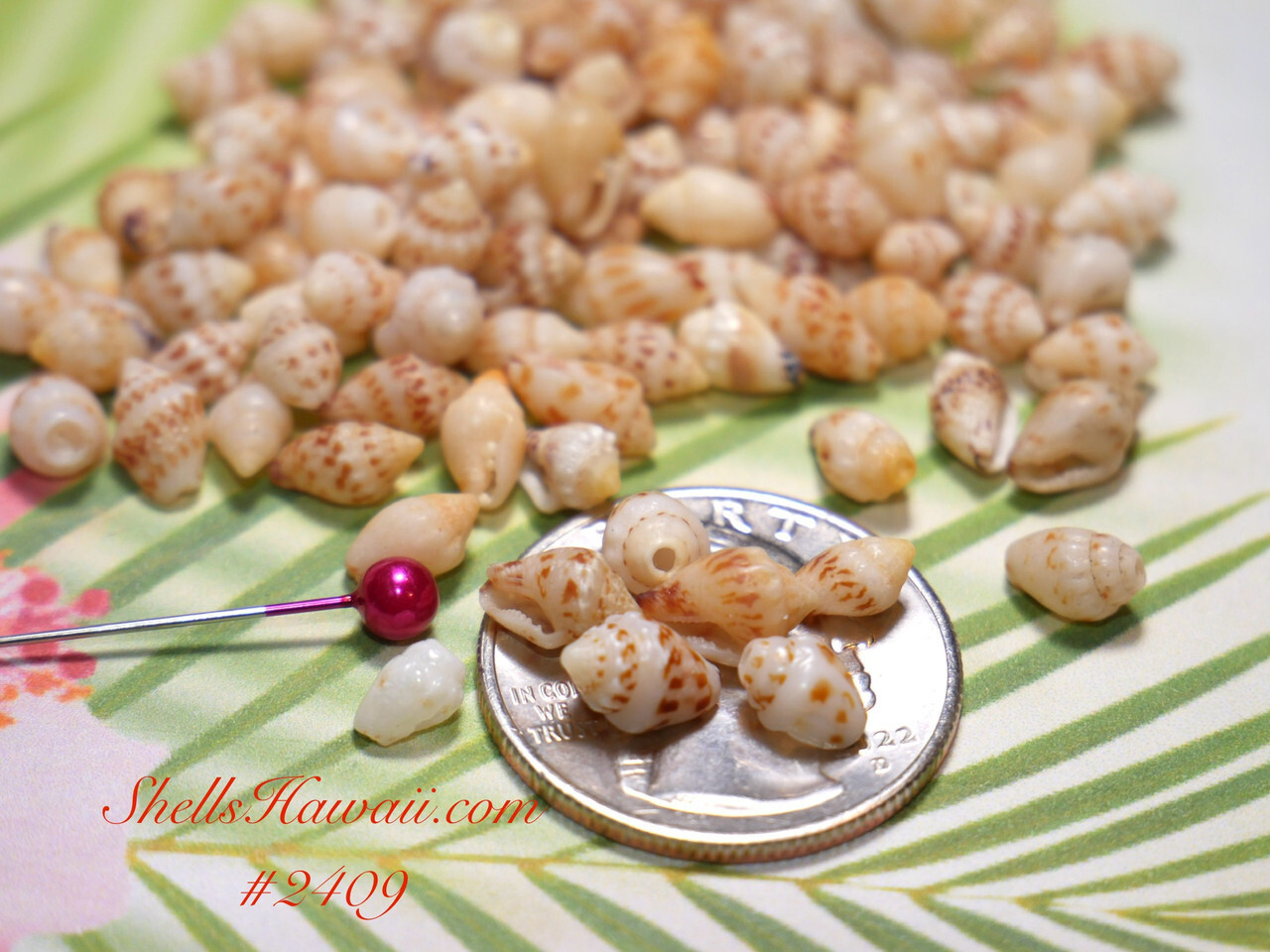
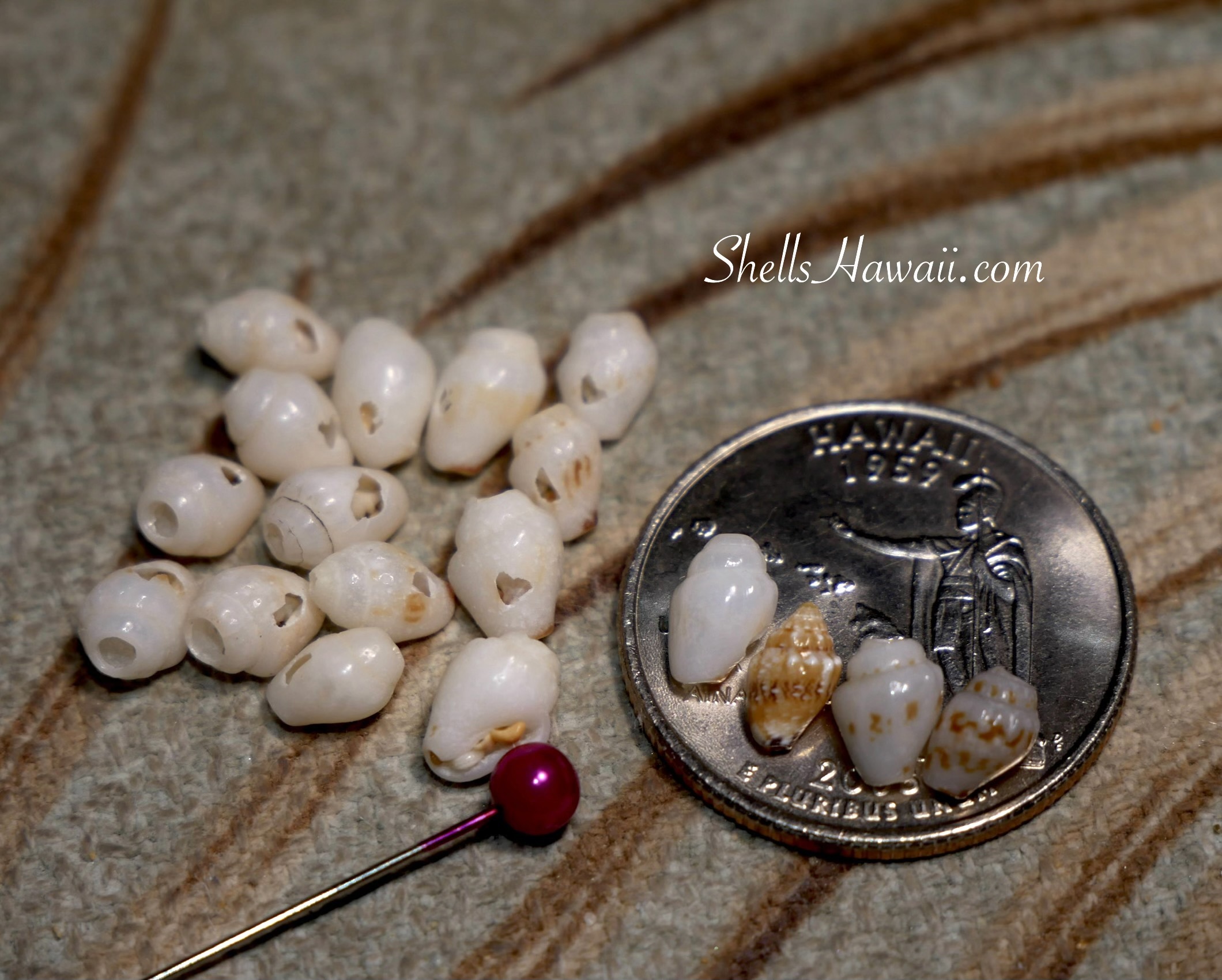
When you look at the photos below, you’ll see three different levels of luster to help compare Momi shell grades.
The first group shows Momi shells with a beautiful, high luster. These shells are in excellent condition and have a deep, natural shine. This is what I consider A-grade quality.

The second group has less luster, though you can still see some natural shine on the shells. The glow is softer and not as even as the first group, and this is what I refer to as B-grade.

The last group appears almost matte, with very little natural shine. These shells have spent more time tumbling in the ocean, and I classify them as C-grade.

When browsing my listings, I always clearly note whether the shells are A, B, or C grade. I encourage you to read the description carefully and zoom in on the close-up photos so you know exactly what you are purchasing.
Surface and texture
When I handle Momi shells, I pay close attention to how they feel. From my experience, high-quality shells feel smooth, almost like silk.
With B- or C-grade shells, you can really feel the difference. The surface isn’t as smooth, but it doesn’t feel totally rough either — you can sense the natural wear from the ocean. These shells may also feel a bit thinner or show more surface wear, which can matter when it’s time to poke or string them.
This is something you really learn through experience, often after a shell breaks in your hands.
Color depth, consistency, and rarity
Color matters, but not just how bright it looks.
After the Momi shell is no longer alive, it may spend a long time moving under sand or resting beneath it before reaching the shore. During this time, the shell does not grow or develop new color. Waves, sand, and ocean conditions slowly wear the surface.
In some cases, when shells remain buried under sand for a long period, minerals and ocean conditions can tint the shell. This is how some Momi shells take on blue or blue-gray tones. At the same time, that same movement can also wear color down unevenly.
When I sort shells, I look closely at how consistent the color and pattern are, and whether the color feels like it reached its full potential or was worn down in certain areas. This plays an important role in how the shell is graded and how it’s best used.
Some colors are much harder to find, and in those cases rarity can sometimes outweigh small inconsistencies. Learning how to balance color consistency, natural wear, and rarity comes with experience.
In a future blog, I’ll be sharing more about ocean blue Momi shells — how they form, what makes them special, and why they’re so fascinating. Please stay tuned.
Uniformity and how shells work together
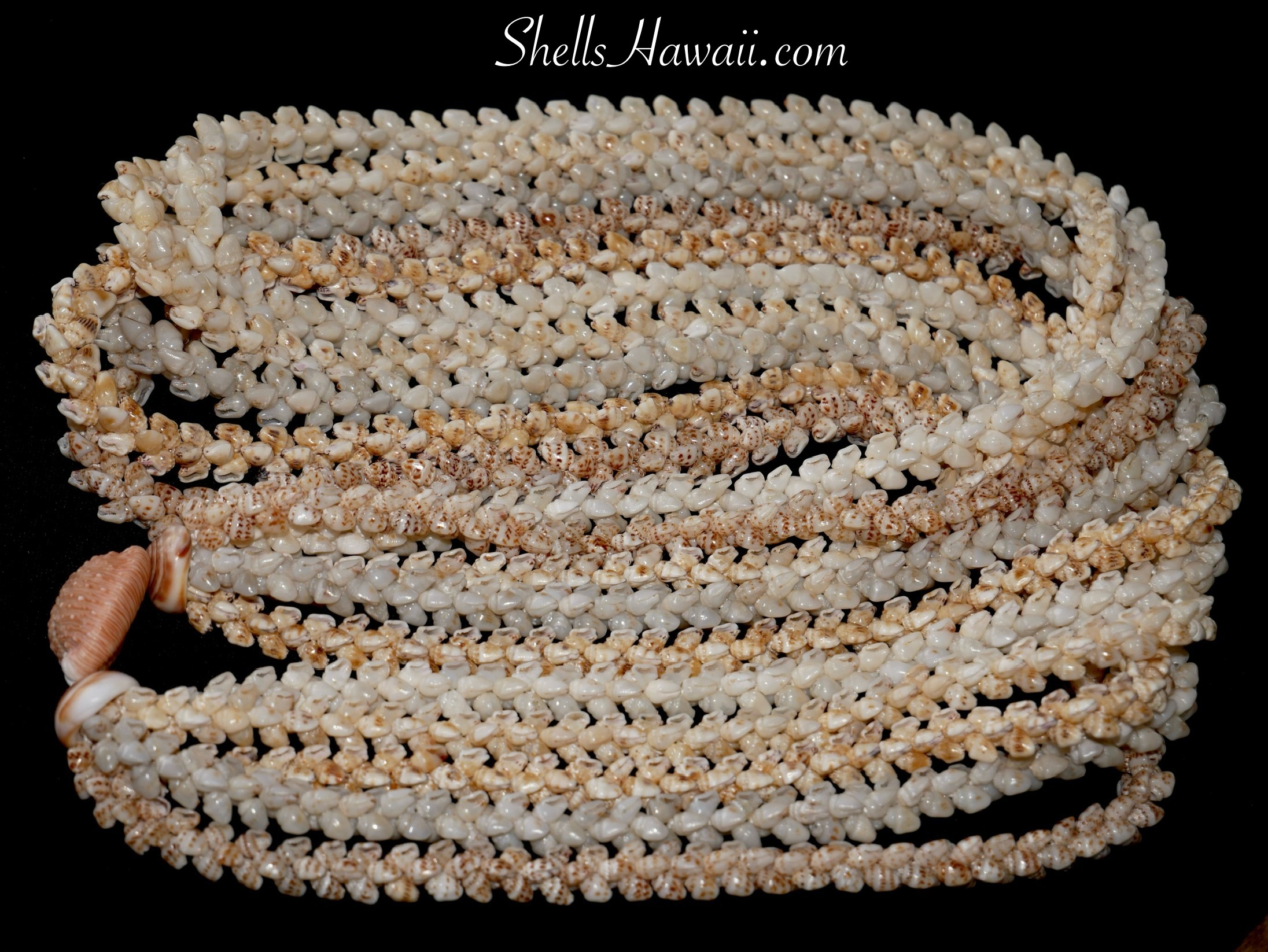
A shell can be beautiful on its own, but when you’re creating professional jewelry — especially lei — how shells work together really matters.
Shells are carefully selected for a consistent oval shape and size so they lie smoothly and evenly when strung. Balance, thickness, and overall flow are just as important as individual beauty.
When you see a very fine piece of Niʻihau shell jewelry, it’s never just about beautiful color. Rarity plays a role too — and when I say rarity, it’s not only about shell color. Shell size also plays a big role. Not all shells survive long enough to reach their full adult size, which makes larger, well-formed shells much harder to find and more valuable.

Along with size and rarity, luster and overall shell quality are just as important. And beyond the shells themselves, craftsmanship plays a major role — the skill developed over many years, the patience, and the attention to detail required to bring everything together into one finished piece.
This is why truly well-made Niʻihau shell jewelry carries the value it does — it reflects the balance of shells working together, the quality of materials, and the care taken at every step of the process.

Imperfect Momi Shells
Not every Momi shell comes out of the ocean smooth and even. Some shells show more natural wear, a softer or uneven shine, or a surface that doesn’t feel as silky to the touch. These shells are still authentic Momi shells — they simply reflect a different part of the ocean’s journey and are often what you’ll see in B–C grades.
Sadly, in the real world of nature, not all living life in the ocean makes it safely to shore or becomes a beautiful piece of jewelry that finds a new home and is loved. Many shells complete their life cycle in the sea and never reach the beach at all. And even among the shells that are carefully collected, some later turn out not to be suitable in quality for jewelry.
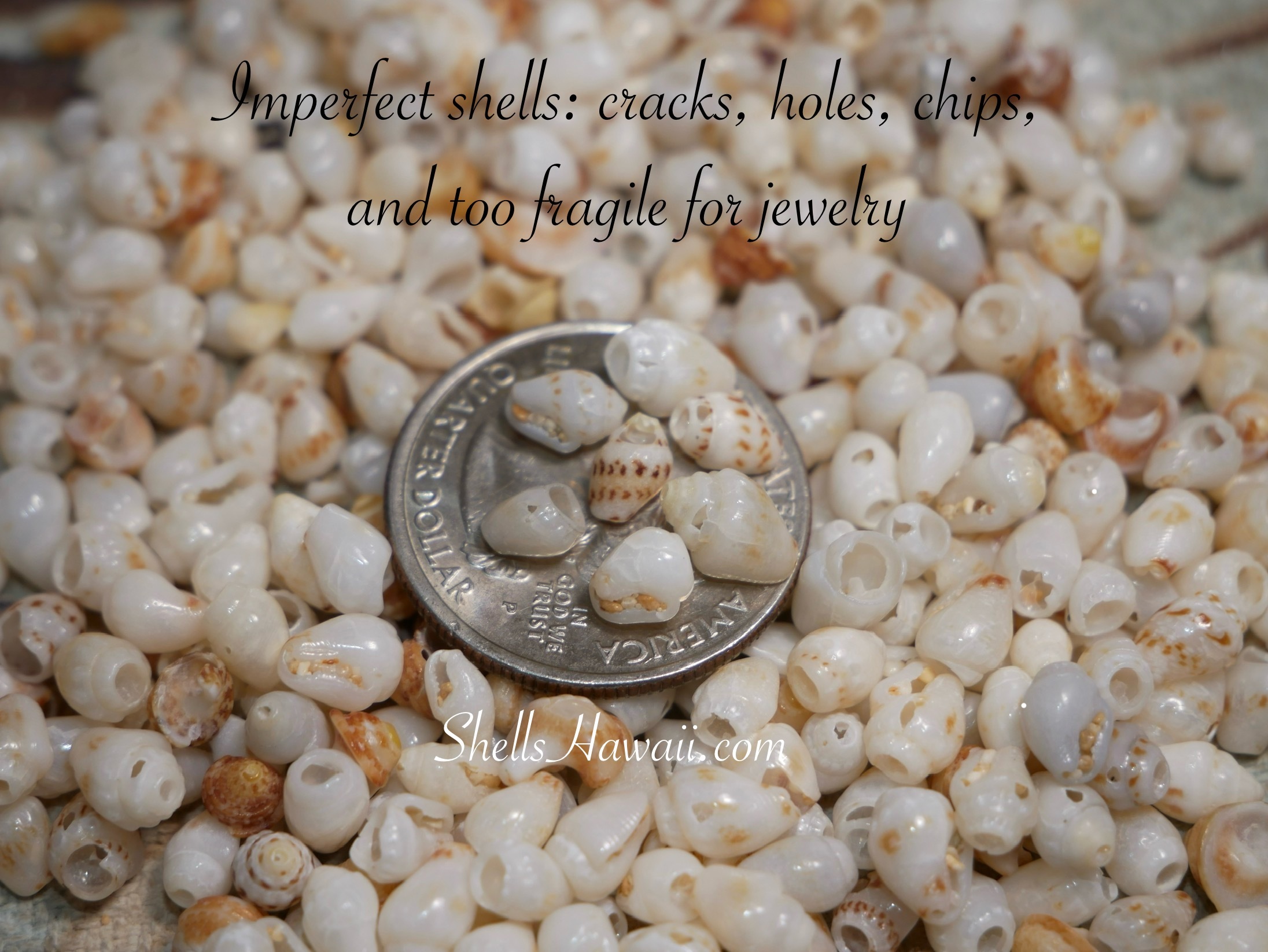
When it comes to Momi shells, imperfections usually come down to very simple things you can see with your eyes — cracks, chips, or small holes. Because Momi shells are larger than Kahelelani or even Laiki shells, these issues can often be noticed more easily when you’re holding one shell at a time.
However, when shells are still in a pile, it’s difficult to tell how many are imperfect. It’s only when you slow down and examine each shell closely, one by one, that those details begin to show. The shells that can’t be used for fine or heirloom-quality jewelry are usually the ones with visible cracks, chips, or weaknesses, and these are the shells that should not be used in high-quality pieces.
That said, imperfect shells are not without value. They still have a purpose, and each one carries part of the ocean’s story — even if it isn’t meant to become jewelry. If you’ve ever wondered what I do with those shells, you can learn more in this blog:
Imperfect Niʻihau Shells — Something Many Don’t Realize
The Time, Skill, and Labor Behind the Art
The skill behind Niʻihau shell jewelry takes many years to develop. It begins with patience — long hours under the hot sun at the beach, collecting shells one by one. It continues with hours spent sorting shells by quality and size, carefully poking them, and taking time to design and refine each piece until everything comes together naturally.
All of this time, care, and attention plays a role in the final price of a piece.
When people search online to understand why Niʻihau shell jewelry is rare and expensive, they often come across a short list of reasons — things like color, time, or skill. While those points are true, they only touch the surface. In reality, creating a piece from beginning to end involves far more detail and labor than most people realize.
If you’d like to explore this topic in more depth, I share more in this blog:
Why Are Niʻihau Shells So Rare and Expensive
That work begins with time under the sun collecting shells, followed by hours spent sorting, preparing, designing, and carefully bringing each piece together. All of that effort, patience, and experience is reflected in the finished work.
This is more than just jewelry.
It is an art form.
It is something passed down from generation to generation.
A Final Reflection on Respect and Responsibility
For those who hope to one day offer their work for sale, I gently invite a moment of reflection. Niʻihau shell jewelry is more than something made to list or sell — it represents generations of Hawaiian artists, long hours of work, patience, and deep respect for both the shells and the tradition they come from.
Creating this art asks for time — time spent learning, practicing, and understanding the responsibility that comes with working with shells from Niʻihau. It’s about honoring the shells, respecting the process, and valuing the tradition, not just the finished piece.
I share this from personal experience. I am self-taught, but before I ever felt ready to offer my work to others, I spent many years practicing, learning, and improving — out of respect for the shells, the art, and the Hawaiian tradition itself. And even today, I am still learning.
This is how I honor the shells, the art, and the tradition behind it.
A Gentle Reminder
Shell grading is meant to guide you, not limit you.
Each grade has its place. Each shell has its purpose.
Whether you’re learning, practicing, or investing in a finished piece, understanding these differences can help you choose what’s right for you.
Everything I’ve shared here comes from years of working with shells and learning from them along the way — and I’m still learning every day.
Thank you so much for being here. I hope this blog helps you feel more confident as you continue your journey with Momi shells.
JPY