 JPY
JPY


Aloha and welcome back to the ShellsHawaii blog. Whether you are a first-time visitor or a long-time collector, I am so happy you’re here. Today, I want to talk about one of the common questions people often ask when working with authentic Niʻihau shells — should you clean the sand out from the waha, or leave it inside?
If you ever get the rare chance to see loose Momi, Laiki, or Kahelelani shells before they become a finished piece of Hawaiian jewelry, you might think the first thing you’ll notice is their size or shape. But no—it’s their color and natural luster that catches your eye. They truly glow, even without polish.
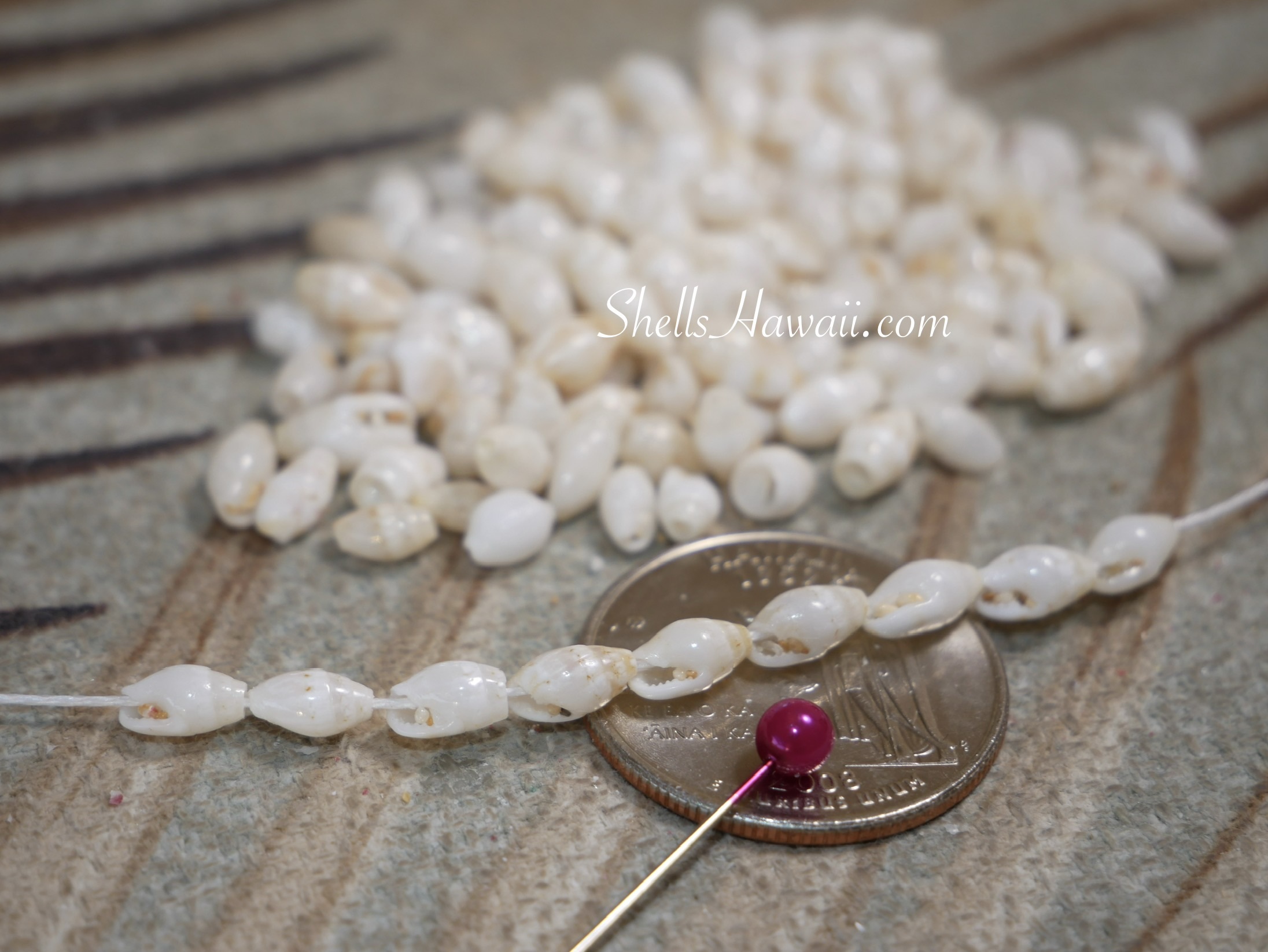
Then, if you lean in for a closer look… you’ll discover a little “Niʻihau secret.” Almost every single shell’s waha is packed with tiny grains of sand. These tiny shells spend years — sometimes even decades — rolling and tumbling in the surf, and over time their natural shape traps the sand inside like a tiny pocket.
Because of that, finding shells with no sand inside the waha can feel like discovering a tiny treasure, because it means you can skip one of the most time-consuming parts of shell preparation — carefully cleaning out the sand before you can begin poking the hole.
Does Cleaning Niʻihau Shells Make a Difference in Finished Jewelry?
After many years of working with these shells and spending countless hours with them, I have learned how small details can make a very big difference in the finished jewelry — especially certain steps that are better done properly rather than left undone.
One of the biggest differences I notice is between shells with the sand still left inside the waha and shells that have had the sand carefully cleaned out. It may seem like a very small detail, but from my experience, I have clearly seen how much cleaning the sand from the waha can affect the overall appearance and balance of a creation.
Cleaning the waha is a personal choice, but taking the extra time to clean the sand and pay closer attention to the small details can truly show in the finished piece. Because of that, I’m willing to spend the extra hours it takes to carefully clean each shell to honor its natural beauty properly.
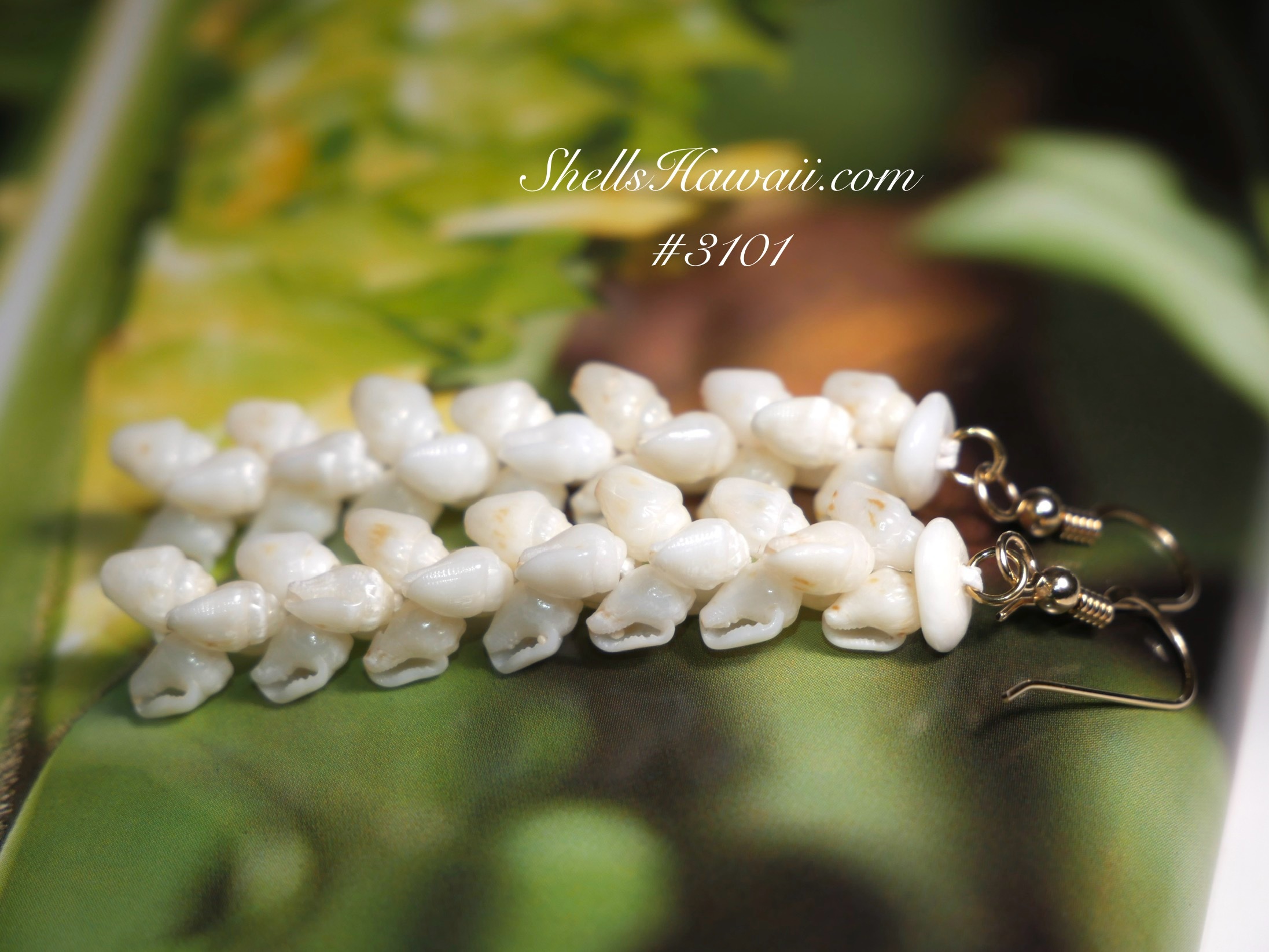
When sand is left trapped inside the waha, the shells can appear darker or less clean, even if the jewelry itself is beautifully made. Instead of your eyes focusing on the shell colors, natural luster, and overall design, they are often drawn toward the tiny dark grains of sand sitting inside each shell. Over time, this can dull the overall appearance and hide some of the shell’s true brightness.
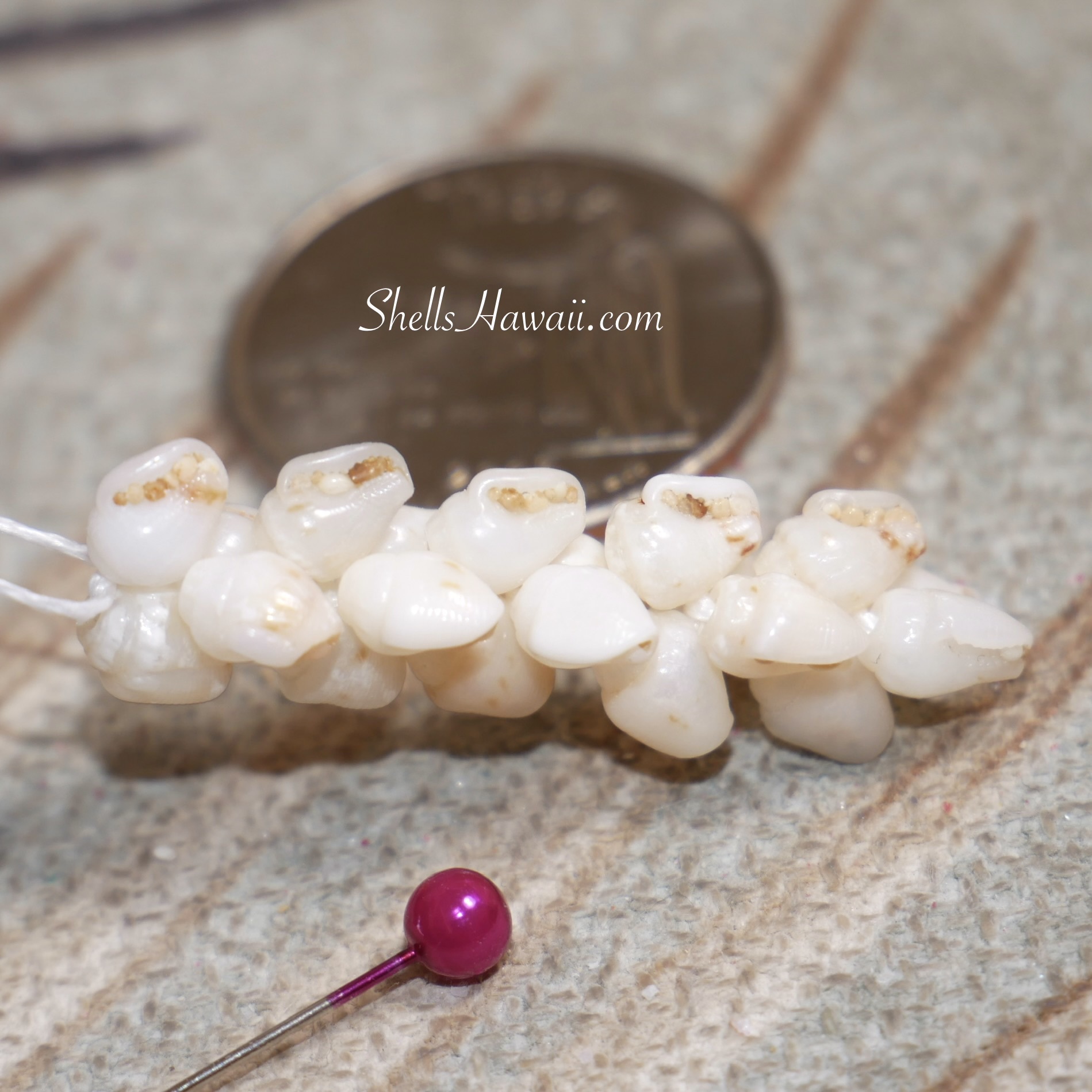
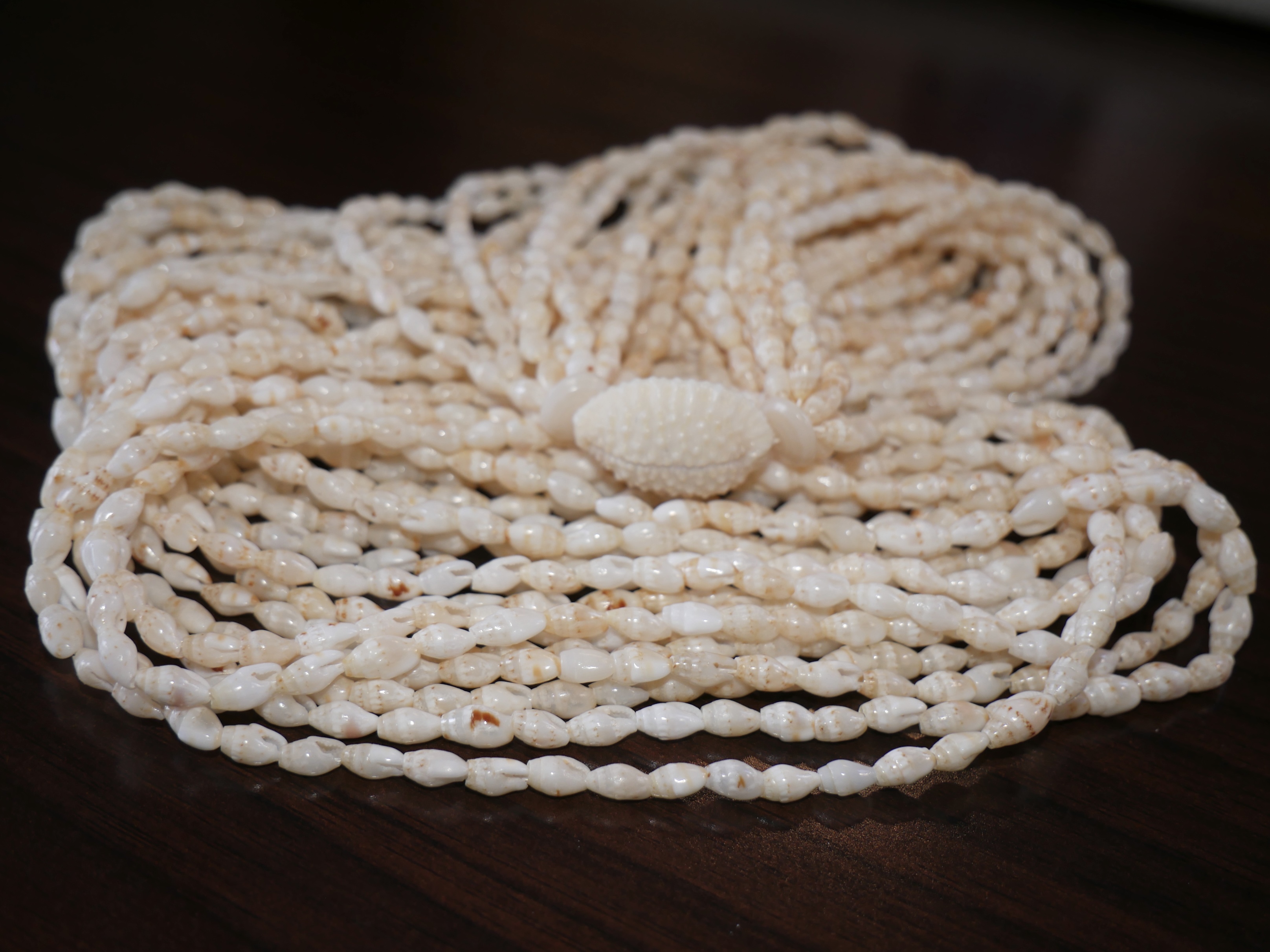
When the sand is carefully cleaned from the waha, everything changes. The shells look fresher and more polished, allowing their natural beauty to shine more clearly. The colors appear more vivid, the luster becomes easier to see, and the design itself becomes the focus — not the grains of sand inside the shells.
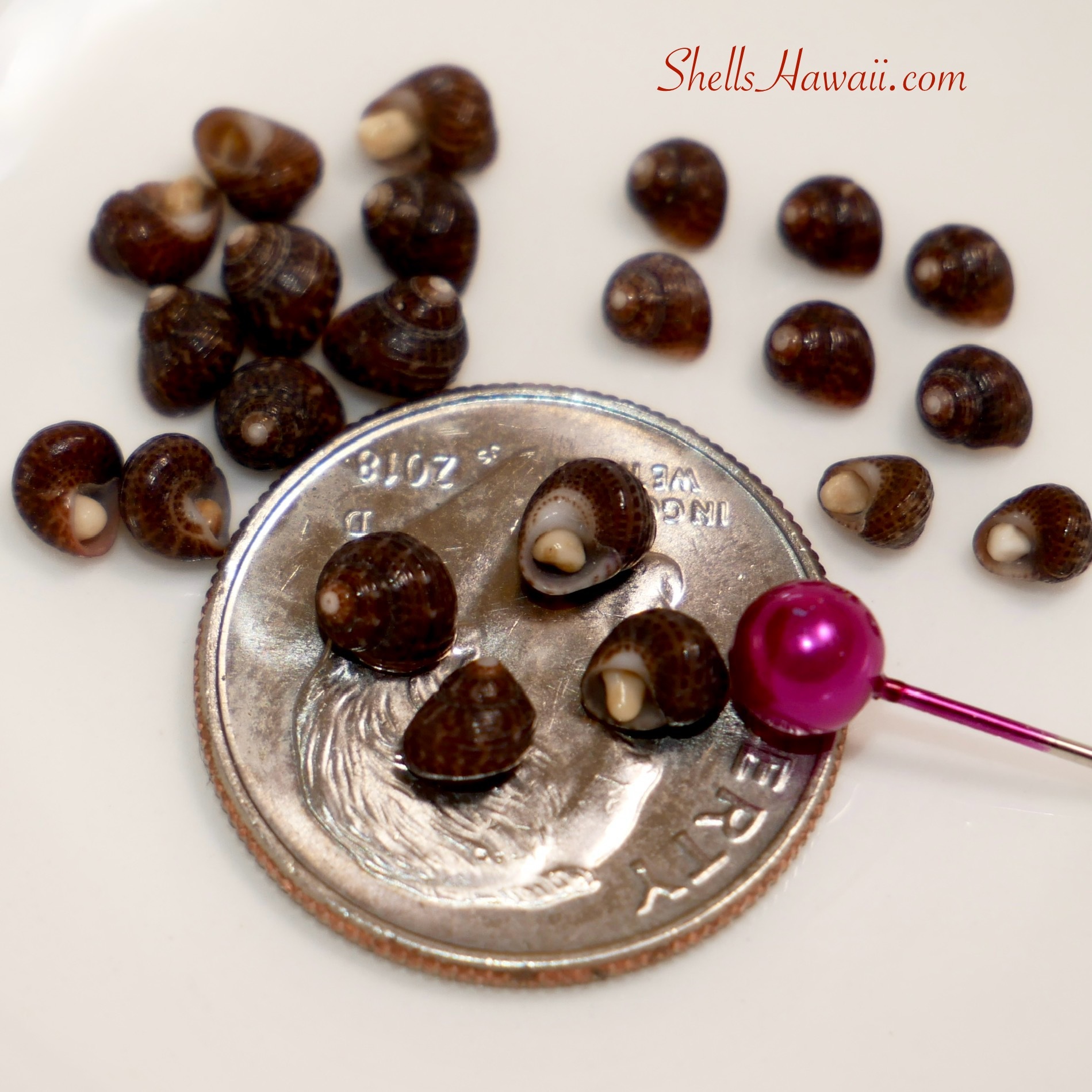
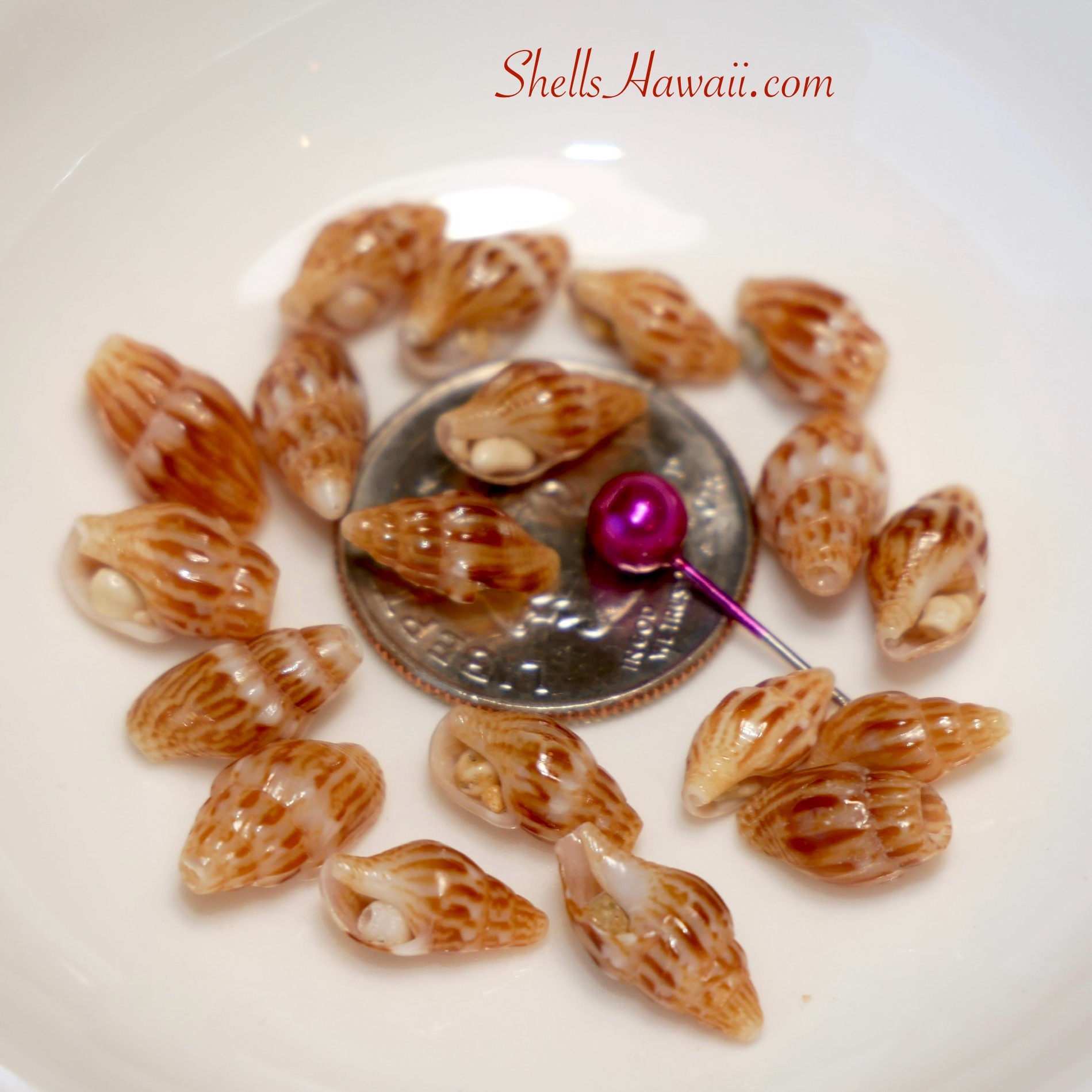
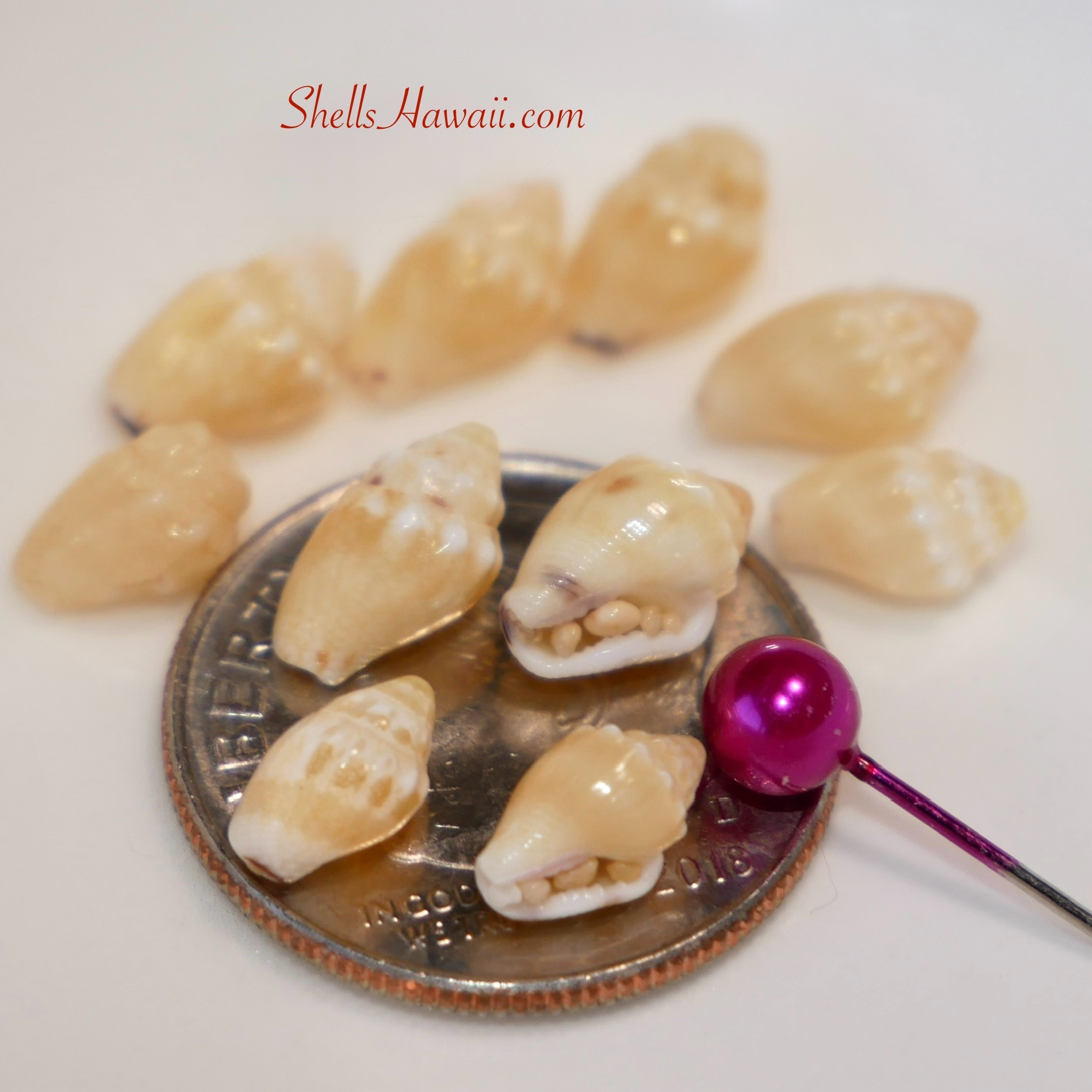
What Happens When Sand Is Left Inside the Waha?
Even beautifully made Niʻihau shell jewelry can lose some of its sparkle if the waha is not cleaned before stringing. Dark specks of trapped sand can pull your attention away from the beauty of the design and soften the shell’s natural luster.
Cleaning the sand from the waha is a very slow and detailed process because it often must be removed carefully, one shell at a time. How tightly the sand becomes trapped can also depend on which beach the shells were collected from. Beaches with very fine sand can cause the grains to pack much tighter deep inside the waha compared to beaches with larger grains of sand.
Because of that, cleaning must be done very carefully. If too much pressure is used while removing the sand, it can sometimes crack or damage part of the shell’s mouth. Sometimes shaking the shells may loosen a little sand, but in many cases the grains remain tightly trapped deep inside the shell, and the sand must still be carefully cleaned out one shell at a time.
After cleaning the sand out from Momi or Laiki waha (mouth), extra care is needed when poking the hole so it does not become too large. The consistency of hole placement and hole size can greatly affect how the shells align once they are tied or strung together. Too much space can cause the string to move unnaturally once the jewelry is finished, while keeping the hole smaller helps the shells align and sit together more naturally in the final piece.
Closing
For me personally, taking the extra time to clean the sand from the waha is worth it because I truly see a difference in the finished piece once the shells are fully cleaned. The colors appear clearer, the natural luster becomes easier to see, and the overall jewelry feels more refined and polished once the sand is removed.
Of course, every creator has their own methods and personal preferences, and there is no right or wrong way to work with these shells. But for me, even though cleaning the sand out from the waha can take much more time, it is simply the approach I personally prefer when creating my jewelry.
I hope this blog helped answer one of the common questions many people have when working with Niʻihau shells — whether cleaning the sand is really necessary, and why some creators choose to spend the extra time doing it.
Much aloha for being here and taking the time to read my blog. If you would like to see some of my work or take a peek at the loose shells I currently have available, please feel welcome to click on the words “loose shells,” and it will take you directly to that category.
Mahalo,
Janjira