 USD
USD


Aloha and welcome back everyone.
In Part 1 of this Beginner’s Guide series, we talked more about what beginners should know before starting their journey into creating Niʻihau shell jewelry — from understanding shell sizes and beginner shell classes to some of the common struggles people face when first learning this craft.
Now in Part 2, we’ll learn more about shell quality — especially how to recognize the difference between A, B, C, and imperfect grades of Kahelelani shells.
Again, this is not meant to be a strict grading rule. I’m simply sharing from my own personal experience working with, sorting, and grading shells over the years. My hope is that this guide helps you better understand how I personally describe shell quality in my loose shell supplies and finished jewelry, so you can more easily recognize the general differences between A, B, and C grades when viewing shells yourself.
Now, let’s get started together.
A-Grade Kahelelani Shells
From my own experience working with both Niʻihau and Kauaʻi shells, here are some of the main differences and details that help set them apart.
Niʻihau vs. Kauaʻi Shells — Side by Side
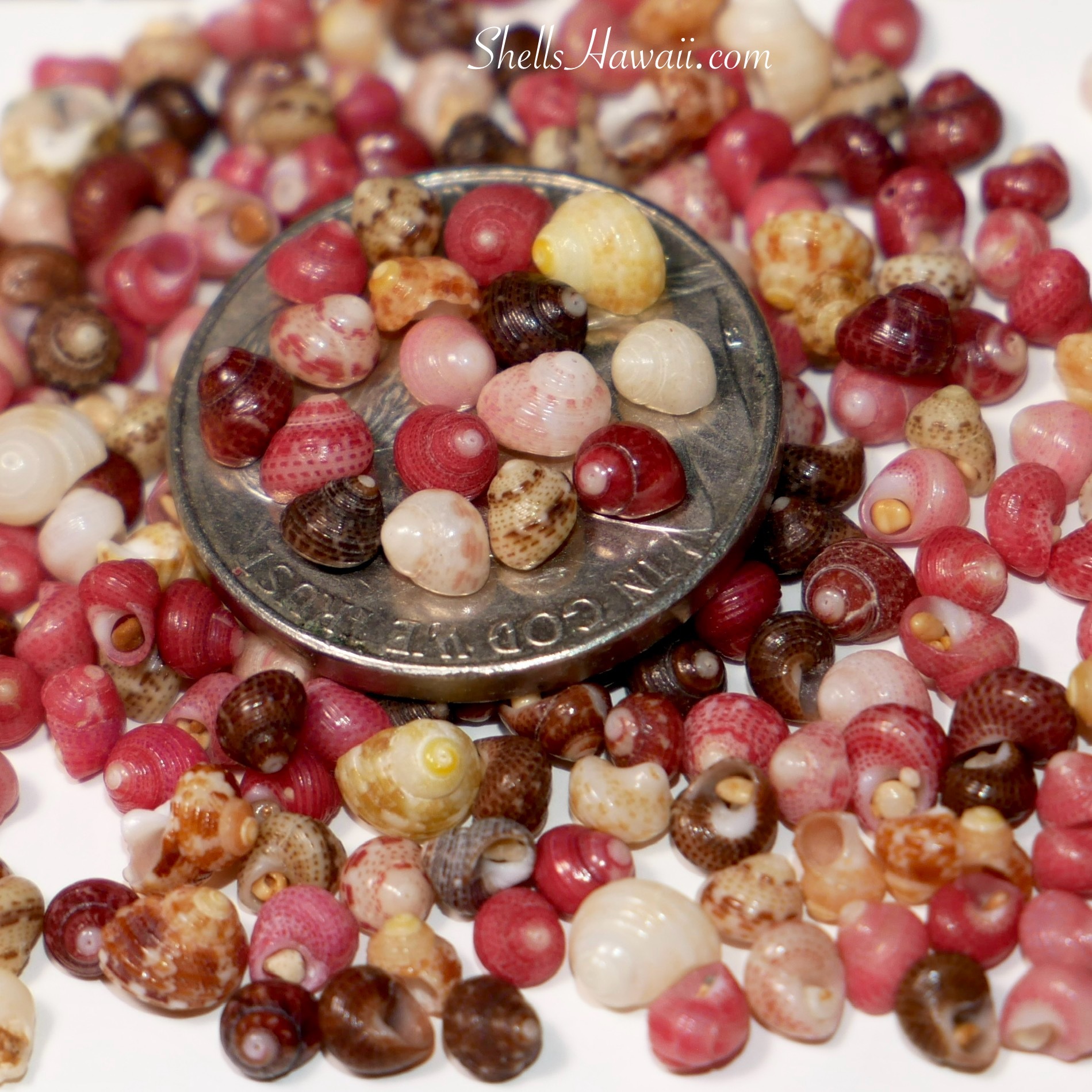
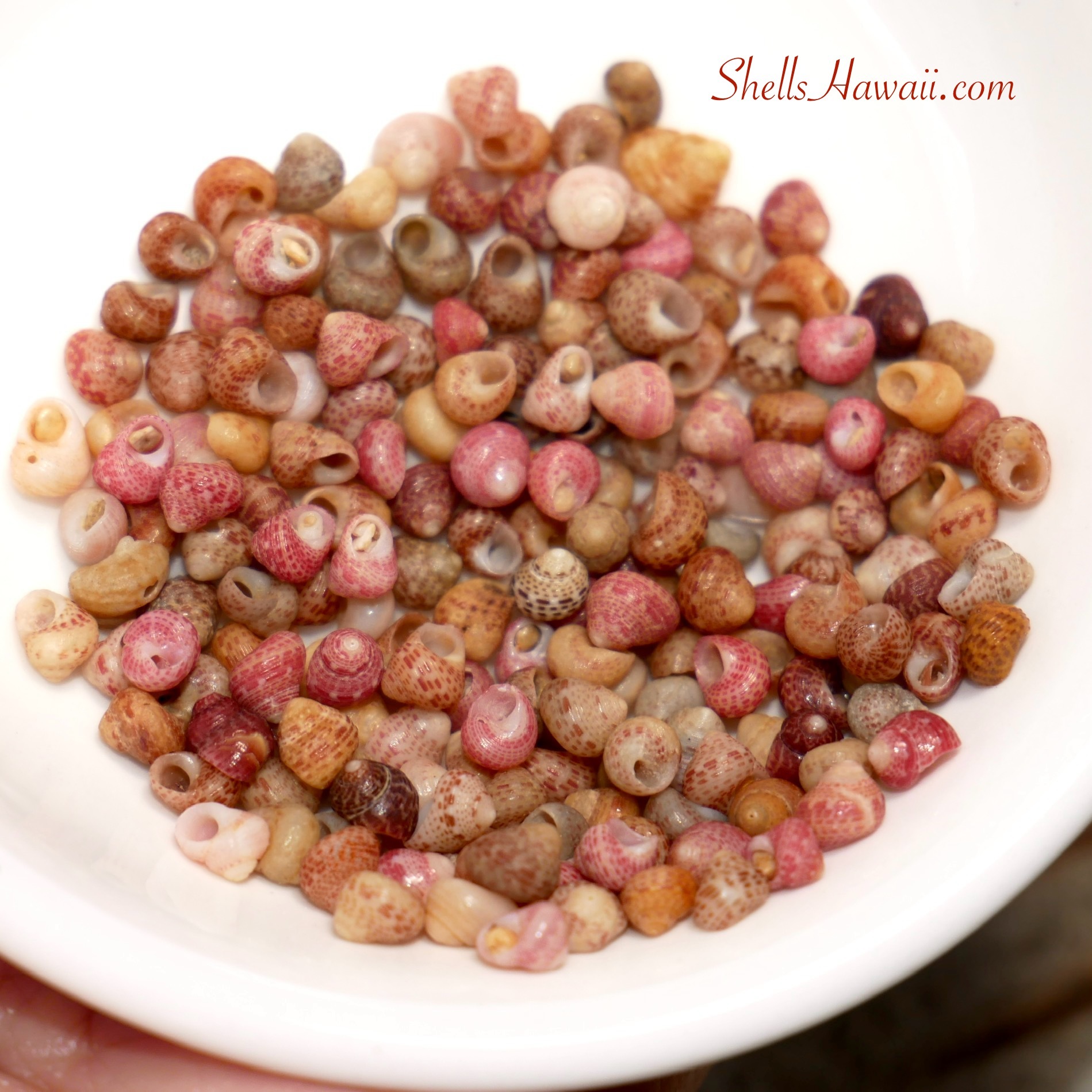
Luster
Niʻihau shells are known for their rich, glossy shine that reflects light beautifully. That strong luster is one of the clearest signs of A-grade Niʻihau shells and part of what gives them their reputation as Hawaiian gems. Kauaʻi shells are still very beautiful, but often appear softer, more matte, or gently glowing instead of highly glossy, with some shells looking slightly chalkier compared to the polished shine of Niʻihau shells.
Color & Pattern
Niʻihau shells are often known for their vibrant natural colors — deep reds, glowing pinks, golden yellows, creamy whites, and rich browns — along with rare patterns shaped by Niʻihau’s unique environment. Kauaʻi shells, on the other hand, usually appear softer or more muted in tone, with dusty pinks, beige-browns, spotted markings, or mottled designs. Even though the colors are often gentler, Kauaʻi shells still display beautiful patterns and tones that make them special in their own way.
Condition
A-grade shells from both Niʻihau and Kauaʻi should have strong shell walls, balanced shape, and minimal wear or damage. The biggest difference is usually the shine and color intensity rather than the shell strength itself.
Shape & Size
The shape itself is the same for both islands since they are all Kahelelani snail shells. A-grade shells usually have clean spirals and balanced forms, while the visual differences mostly come from the environment that shaped their color and luster over time.
Size Note: Shell size depends more on survival than island location. If a snail lived long enough, the shell grew larger; if predators reached it early, the shell remained small. Smaller shells do not mean lower quality — they simply require more patience and skill to work with.
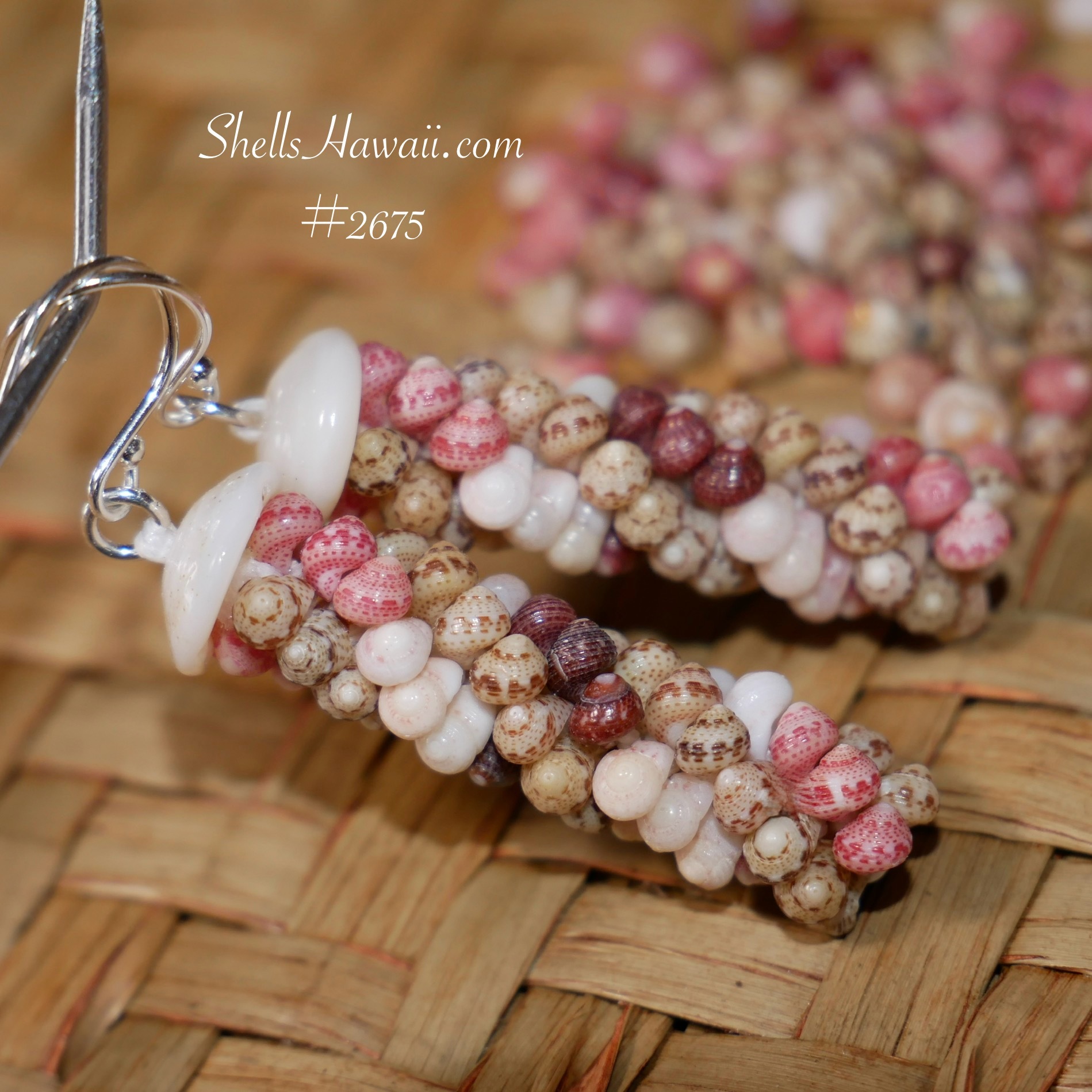
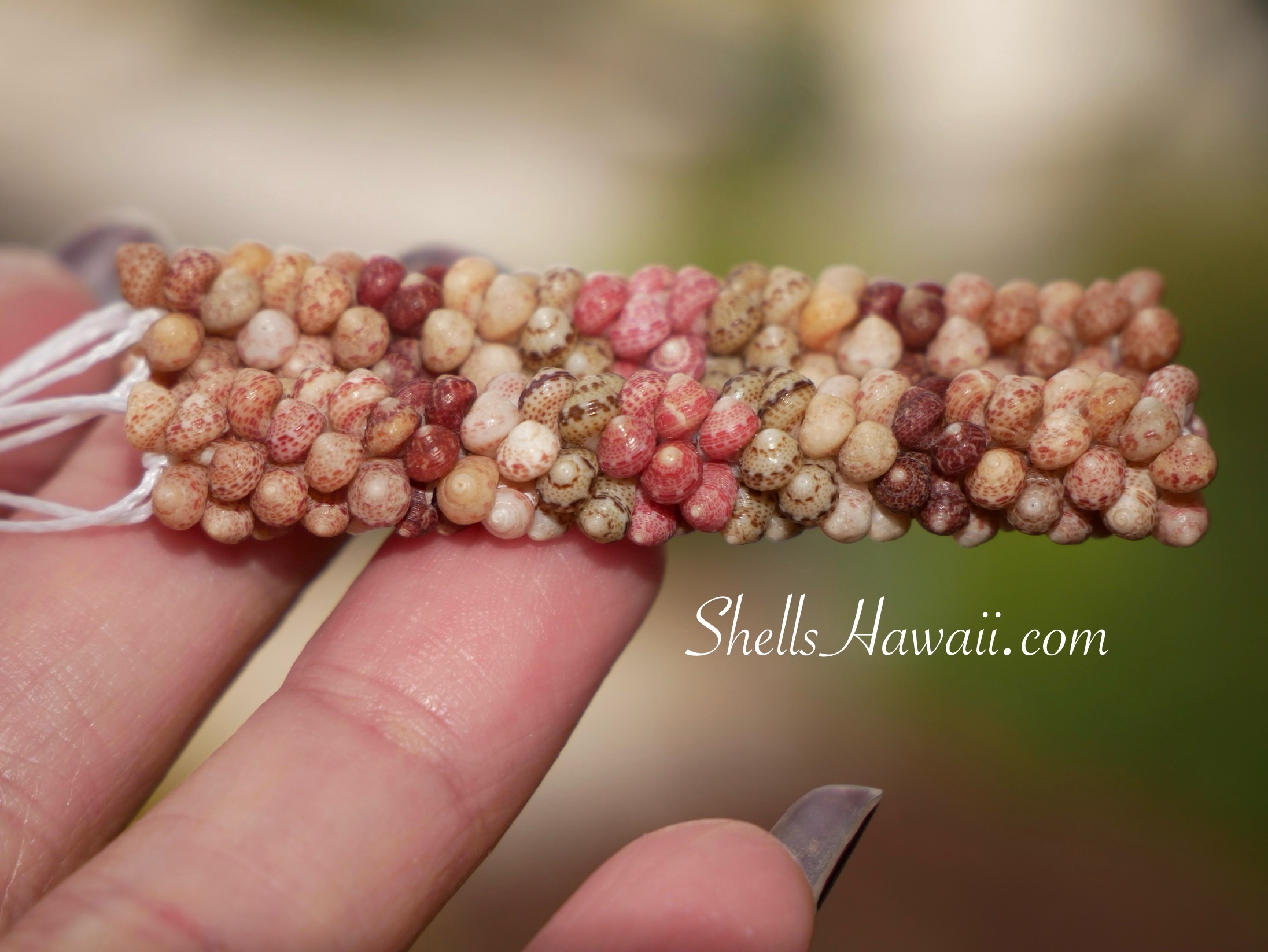
From Understanding to Appreciation: Seeing the True Beauty of A-Grade Shells
If a shell meets the expectations of A-grade quality — strong walls, clean surface, and no major flaws — then it is A-grade, whether it comes from Niʻihau, Kauaʻi or the neighbors island. The difference is simply the origin. Niʻihau shells carry a rare beauty because of the island’s unique land and traditions, but Kauaʻi shells or the neighbors island shells also have their own beauty shaped by their ocean, sand, and food source.
Just because they didn’t come from Niʻihau doesn’t make them any less special. They were still born in the Hawaiian sea, and they deserve to be honored for what they are. Each shell carries its own story of survival and the ocean’s touch — and when we respect that, every piece of jewelry made with them becomes meaningful and unique.
And now that you’ve learned how to recognize A-grade shells, in the next part of this guide we’ll go further. We’ll talk about B & C grade shells, imperfect shells, and how to spot them — whether you’re looking at jewelry in person or buying loose shells online. This knowledge will give you the confidence to know exactly what you’re seeing before you make a purchase.
You May Also Enjoy Reading
• ShellsHawaii What Are Kahelelani Shells
• ShellsHawaii What Are Momi Shells
• ShellsHawaii Where Do You Get Your Niʻihau Shells
• ShellsHawaii Custom Orders & Repairs
Thank you for taking the time to learn with me. I hope this guide helps you see the beauty in every shell — not just the perfect ones, but all the little pieces that carry aloha from our islands.