 USD
USD


Aloha and welcome back to ShellsHawaii blog everyone,
In Blog 7 Part 2, I shared how collecting Niʻihau shells can be very seasonal and how the ocean, tides, and waves play a huge role in what collectors are able to find. That natural rhythm is part of what makes shell collecting feel so special and unpredictable.
Now before we move into our next topic about just how tiny Kahelelani shells truly are, I wanted to pause and answer one of the questions I get asked the most:
“Where do you get your Niʻihau shells?”
A Simple Answer Built on Trust and Aloha
When I first started learning how to create Hawaiian shell jewelry, I did collect many of my own shells — especially Kahelelani shells from Kauaʻi. Since I lived on Kauaʻi for many years, I spent countless hours walking the shoreline, slowly learning how to search for these tiny treasures myself.
But Niʻihau is a very different story.
Niʻihau is a private and protected island, often called the “Forbidden Island,” and most people cannot simply visit its shores to collect shells.
So how did I begin working with Niʻihau shells?
After many years of practicing and learning with the shells I personally collected from Kauaʻi, I eventually felt ready to challenge myself and continue improving my skills by working with shells from Niʻihau.
Many shells from Niʻihau are known for their incredible natural luster, beautiful color varieties, and overall quality. The more I learned about them, the more I told myself, “One day I would love to work with those shells, create something beautiful, and honor this art.”
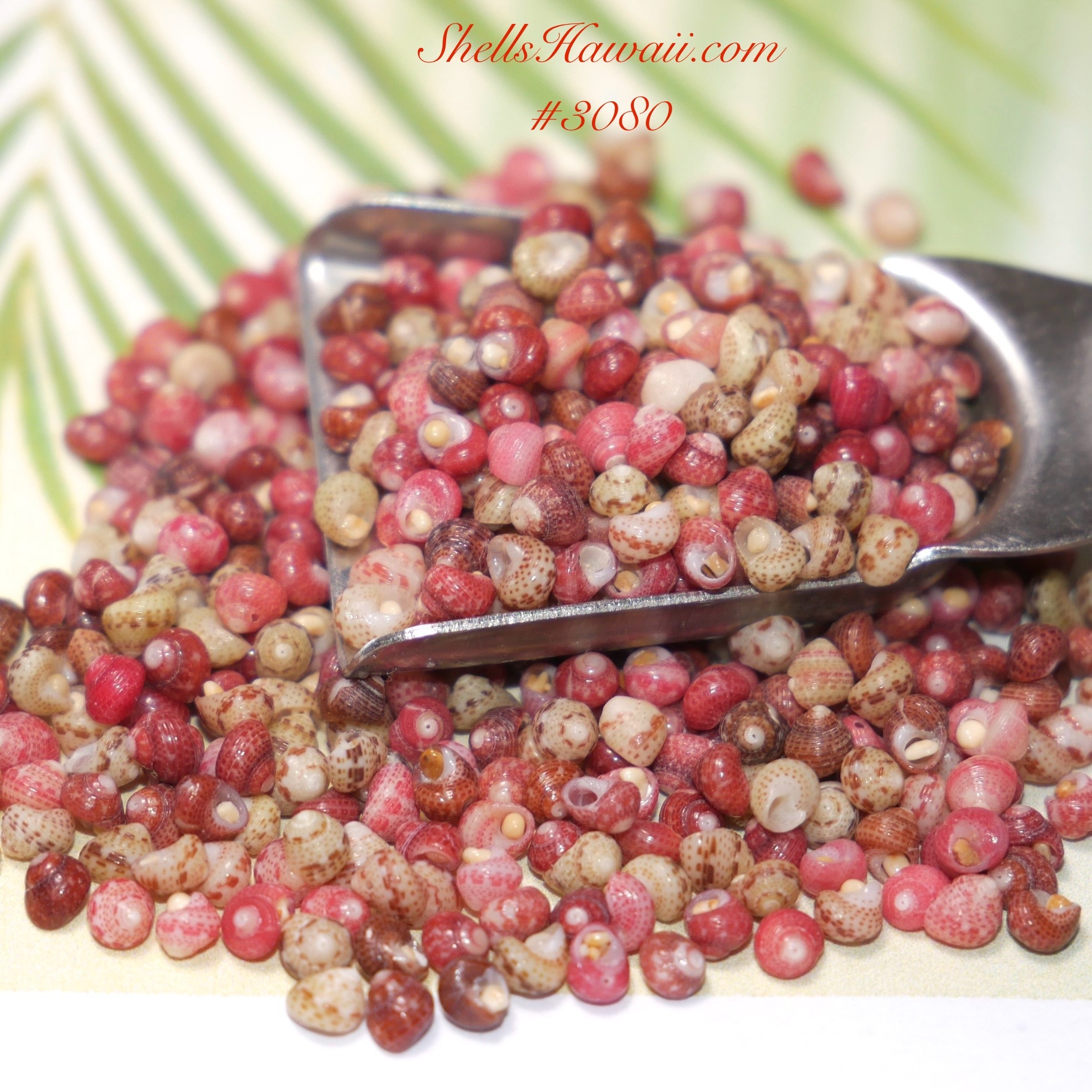
Over time, I met kind and generous people who had access to shells such as Kahelelani, Laiki, Momi, and even Puka shells collected from the island of Niʻihau. They saw the care I put into my work and slowly began sharing these special shells with me through trust, friendship, and aloha.
Those relationships became an important part of my journey and something I will always deeply appreciate. They have helped me find good quality shells for my creations and continue growing the love I have for this art.
Through this work, I’ve been able to help support my family while also supporting the shell collectors and families connected to this tradition. Creating Niʻihau shell jewelry and selling it for a living takes a great deal of time, patience, and work.
Sometimes collectors may need money right away and may have extra shells available to sell. In many ways, this also becomes part of how families help support one another — helping pay for food, supplies, and everyday needs.
I’m truly grateful that we’ve been able to support each other through this beautiful Hawaiian art.
Respecting the Shells and Their Origins
Other than respecting the privacy of the people I work with, one thing that has always been very important to me is being honest and transparent about where my shells come from and the quality of the shells I use.
If shells come from Kauaʻi, I will always say they are from Kauaʻi. If they come from Niʻihau, I will always say they are from Niʻihau. I also try my best to honestly describe shell quality, grading, colors, and natural imperfections whenever possible, because I want people to truly understand and appreciate what they are purchasing and working with.
To me, every shell deserves to be respected for its true origin, natural beauty, and story.
What I can promise is that every shell I use has been carefully and responsibly sourced, and every piece I create is made with deep appreciation for the islands, the collectors, and the traditions connected to this beautiful Hawaiian art.
Supporting the Art and the People Behind It
Creating Hawaiian shell jewelry is not only about making something beautiful. Behind every finished piece is respect for the local collectors, families, and artists who help keep this tradition alive, along with many hours of sorting, cleaning, matching, poking, designing, and careful handwork.
Sometimes people may only think about the finished jewelry itself, but even loose shell supplies can help support artists and families connected to this tradition. Those shells may later become part of someone else’s beautiful creation and continue the art in another way.
That’s one of the things I love most about this community — people supporting one another through a shared appreciation for these tiny Hawaiian treasures.
In future blogs, I’ll continue sharing more about shell quality, colors, collecting experiences, and behind-the-scenes stories from my personal journey working with these shells over the years.
I truly hope some of the information I share helps you better understand and appreciate this beautiful Hawaiian art the way it deserves.
With aloha always,
Janjira