 USD
USD


Aloha and welcome everyone,
Today at my work table, I’m planning to create two Kipona style shell bracelets featuring Momi and Kahelelani shells. Before I begin any creation, the first thing I always think about is the color design and shell sizes I want to work with.
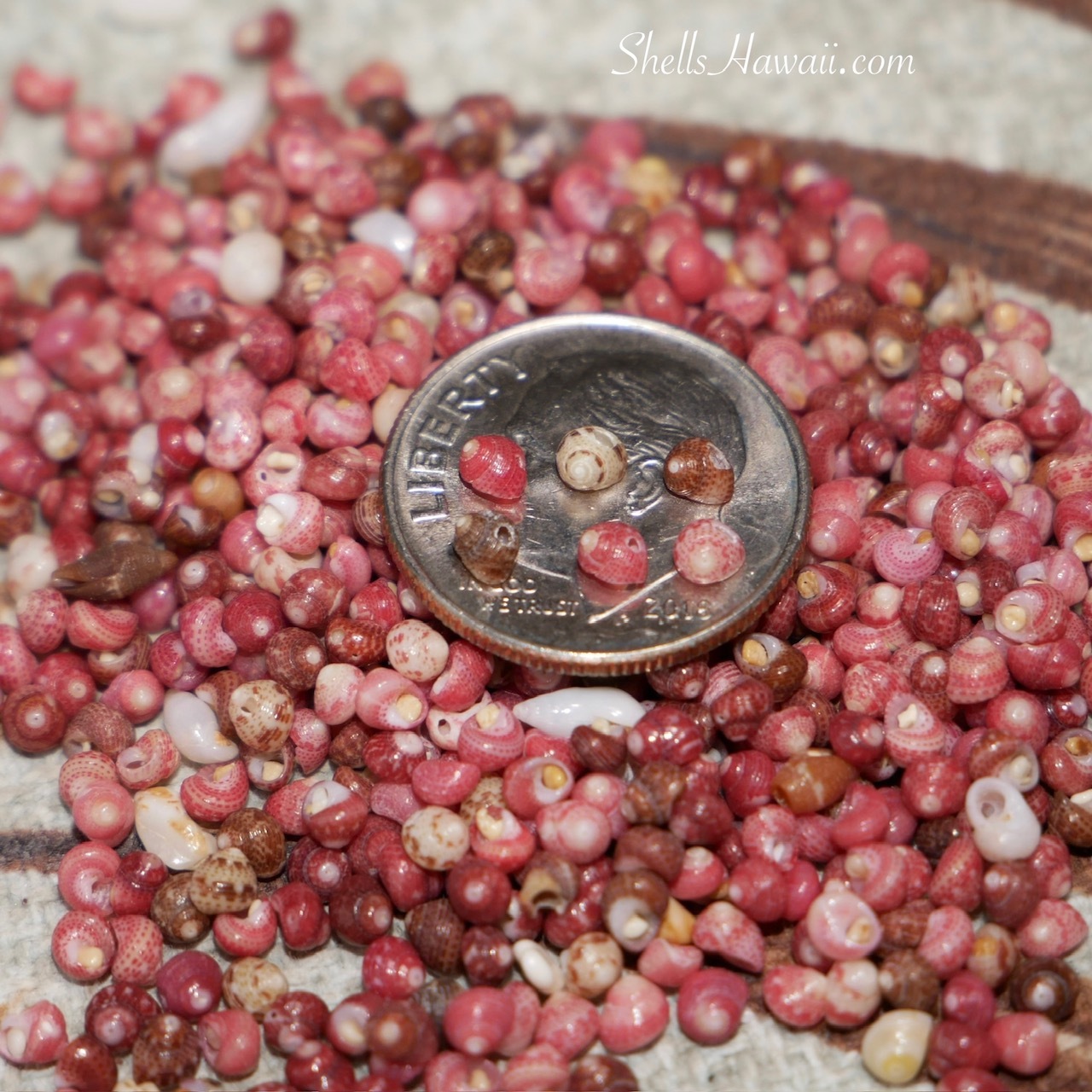
For today’s bracelets, I’ll be using Momi shells in sizes medium to small, and the big challenge will be combining them with tiny size 10 Kahelelani shells. Because these shells are extremely small, I already know this design will require a lot of careful poking, matching, and adjusting to make the bracelets feel balanced and flowing.
What Styles Can I Use Them For?
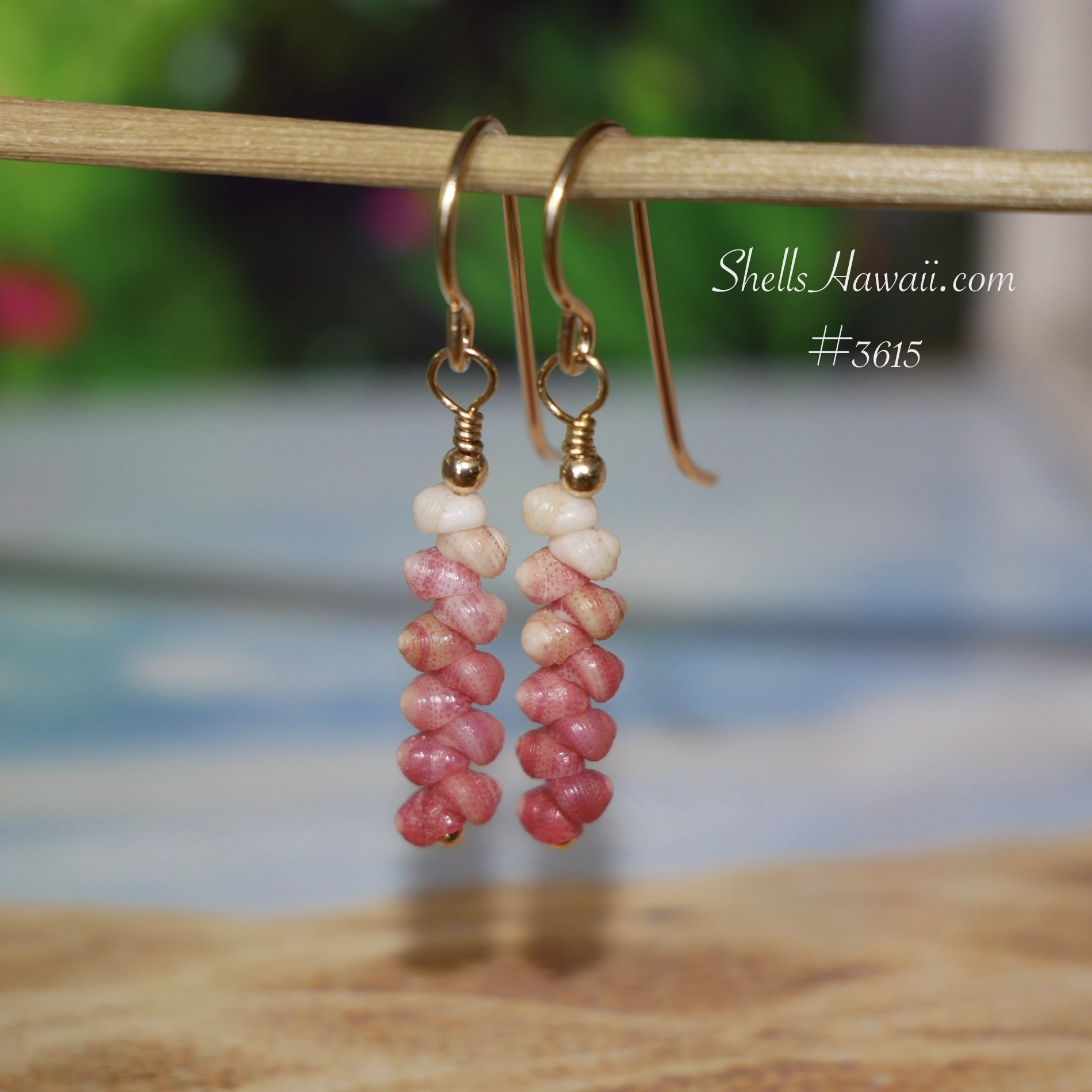
In one of my previous blogs, How Small Are Size 10 Kahelelani Shells?, I shared more about just how tiny these shells really are and how I experimented with using them in a minimalist design. It turned out beautifully — soft, delicate, and exactly the kind of fine detail these tiny shells are perfect for.
This is how the minimalist earrings design in ombre style turned out using tiny size 10 Kahelelani shells from Niʻihau. The soft flow of shell colors creates a delicate island-inspired look, while the small shell size gives the earrings a lightweight and elegant feel perfect for everyday Hawaiian jewelry.
I’ve also used them in Heleconia style, where the smaller size helps create a soft, layered look. Sometimes, I even use them to create Poepoe style designs as well. So today, I wanted to explore something a little different.
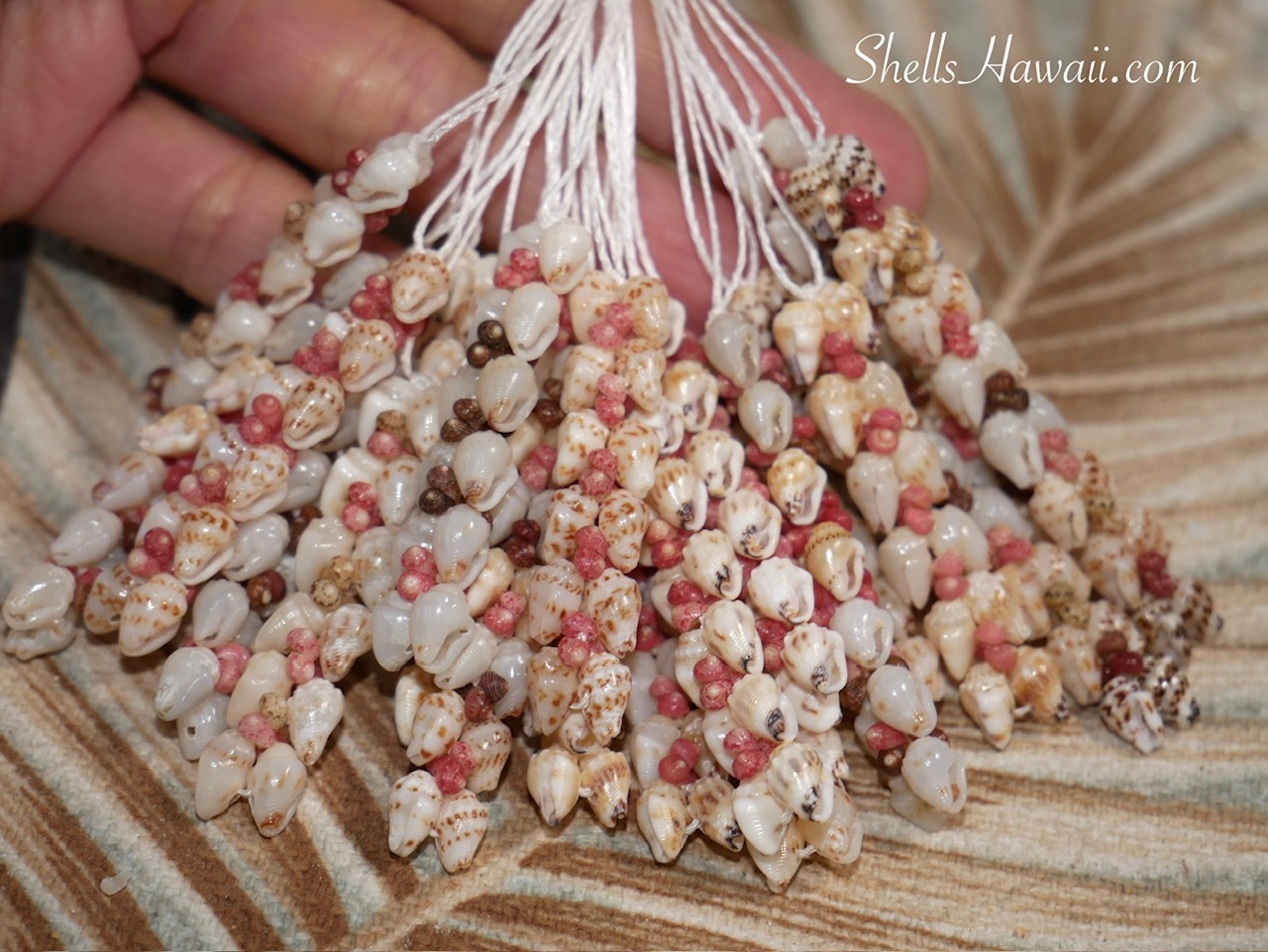
Instead of keeping the design minimal, I’m now using these same tiny shells to create a Kipona style bracelet with four strands. This style is fuller and more detailed, asking much more from the shells — not only in poking, but also in matching sizes, colors, and maintaining balance across all four strands.
For the bracelets I’m creating today, I’ll be using the Double-Double Pikake technique as part of the design. So, let’s see if these tiny Kahelelani shells will work out well for this little adventure at my work table.
How Do I Poke Size 10 Kahelelani Shells?
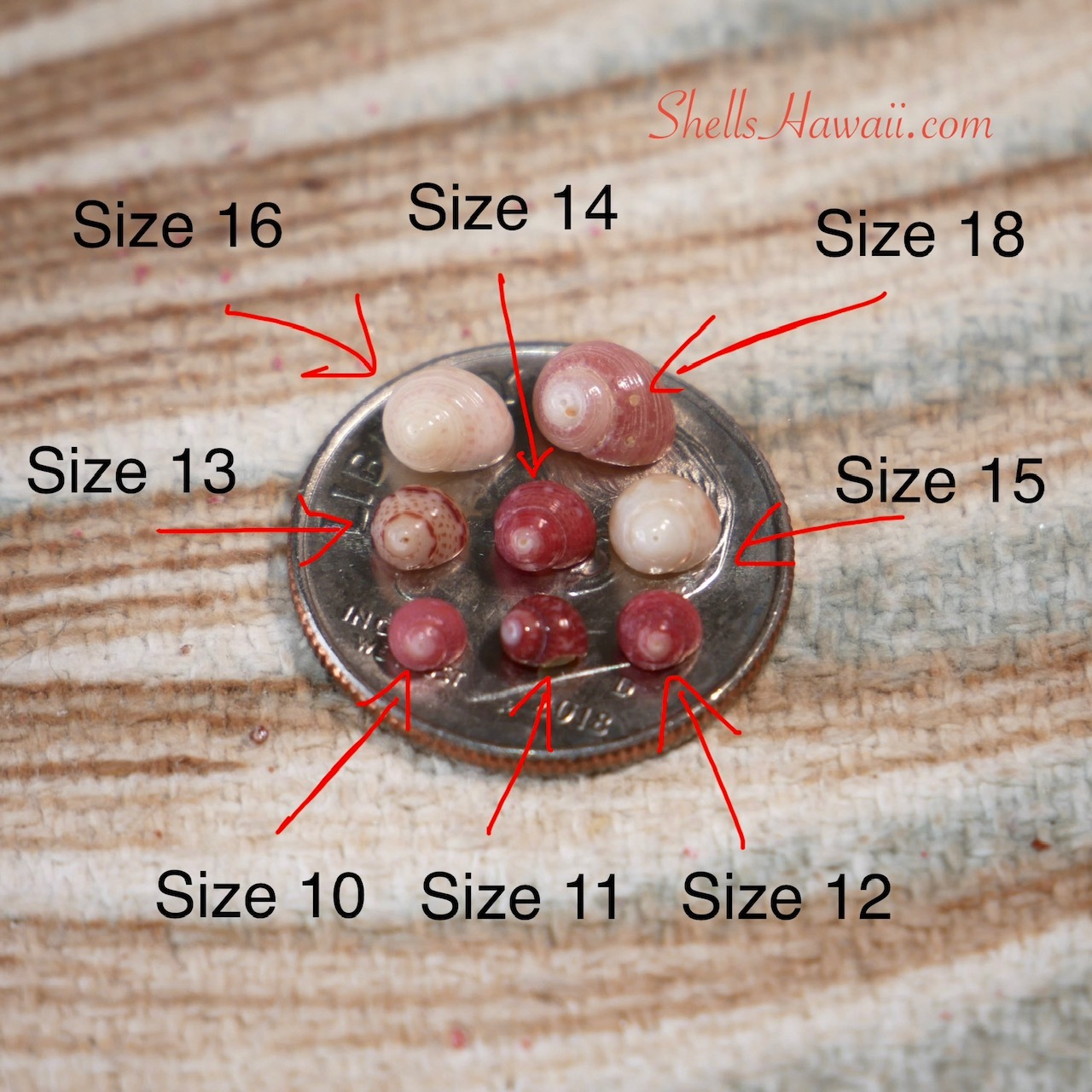
Kahelelani shells from Niʻihau come in many different sizes and colors. Most of the shells range from size 8 all the way up to size 15, and once you reach size 16 and above, they become much more rare and difficult to find.
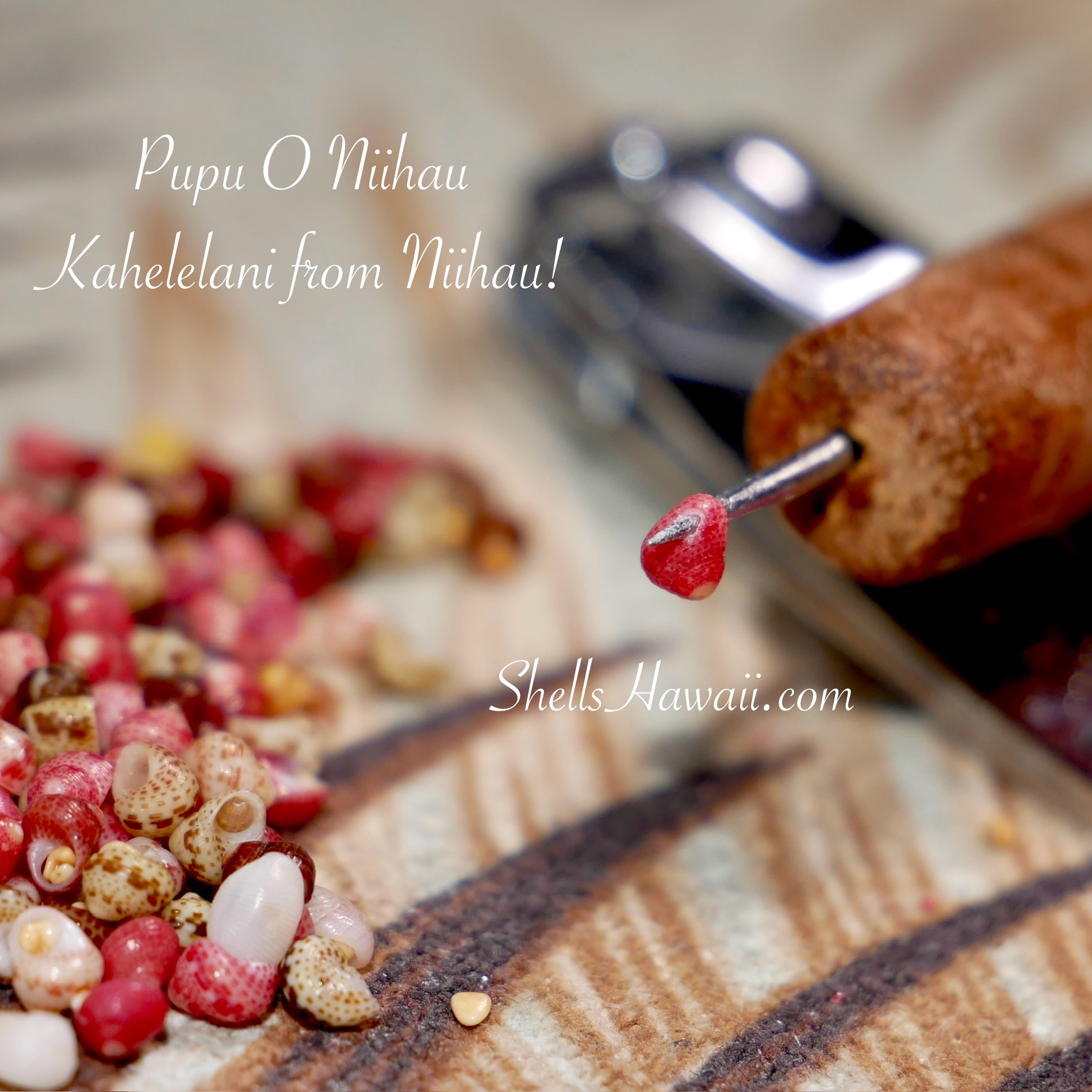
Because many Kahelelani shells still have sand stuck inside them, the first challenge usually begins before I even start poking. Sometimes I have to carefully clean the sand out through the waha, or adjust the angle and placement I work with because the sand can become trapped so perfectly inside the shell. In some cases, changing the direction slightly may help push the sand back out through the waha.
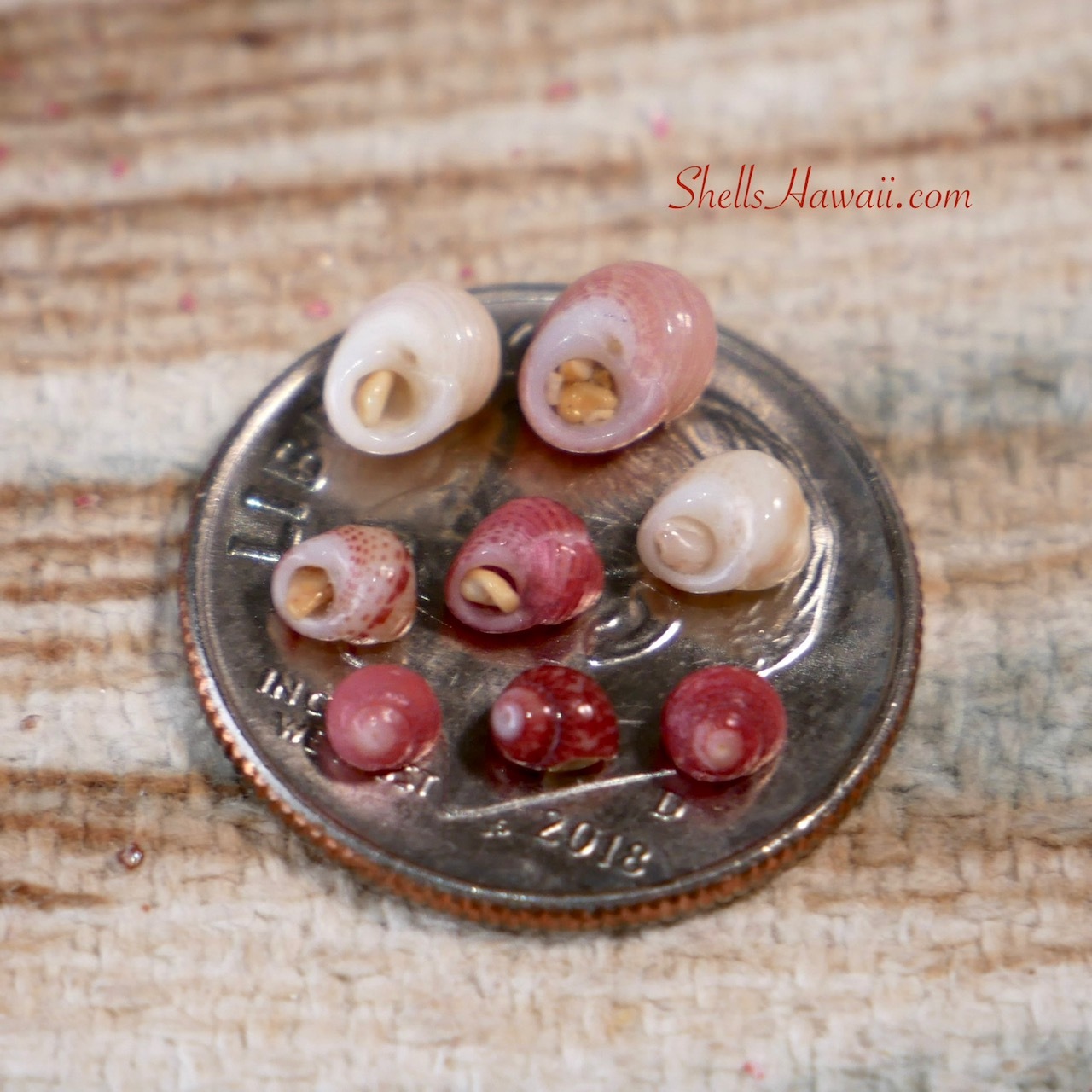
Another thing I always have to think about is the hole placement itself. The position that works for one design may not work well for another, so I usually plan ahead before I begin working on the shells.
Poking Kahelelani shells from Niʻihau is never easy. It takes a lot of practice, patience, and a very gentle hand — especially when working with tiny shells like size 10.
How Do I Match Momi Shells for a Flowing Look?
The Momi shells used in Niʻihau shell jewelry also come in many different sizes, shapes, and lengths. When creating bracelets like these, matching the shells carefully is very important because even small differences can change how the final pieces flow once they are finished.
For the first bracelet, I wanted the design to have a soft ombre feeling by starting with warmer yellow toned Momi shells in the middle and slowly fading the colors out into softer off white Momi shells. To give the bracelet more depth and strength, I mixed in brown, pink, and black Kahelelani shells between the Momi shells. I really love how these richer Kahelelani colors peek through the design, giving the bracelet a more grounded feeling while still keeping the overall flow soft and delicate.
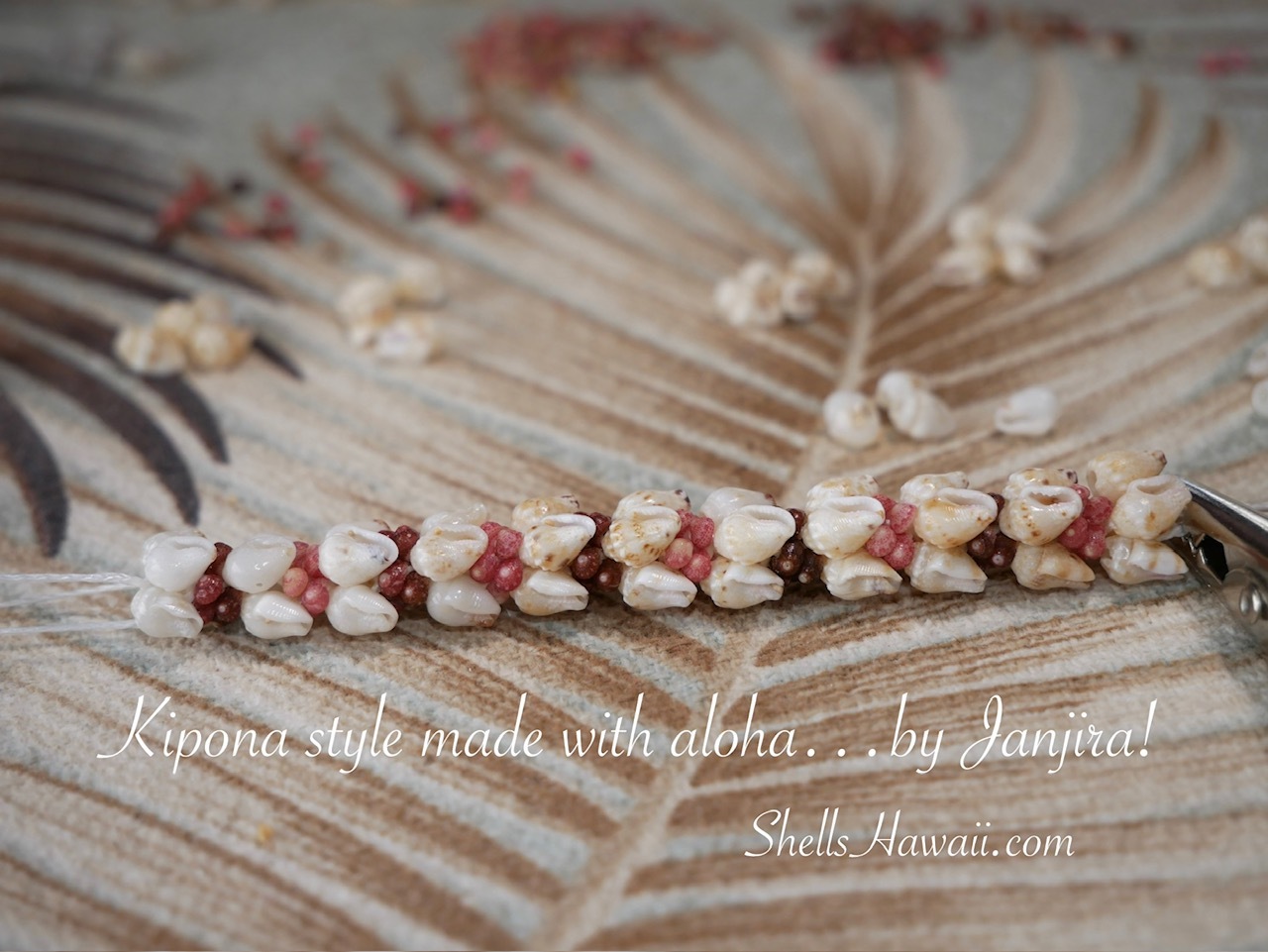
For the second bracelet, I decided to go in a slightly different direction by working with softer off white Momi shells together with lighter pink and earthy toned Kahelelani accents. Looking at the shells side by side, I really enjoy how the tiny size 10 Kahelelani shells create little bursts of color between the larger Momi shells. Even with the softer tones, the bracelet still feels rich in detail once the Double-Double Pikake pattern starts coming together.
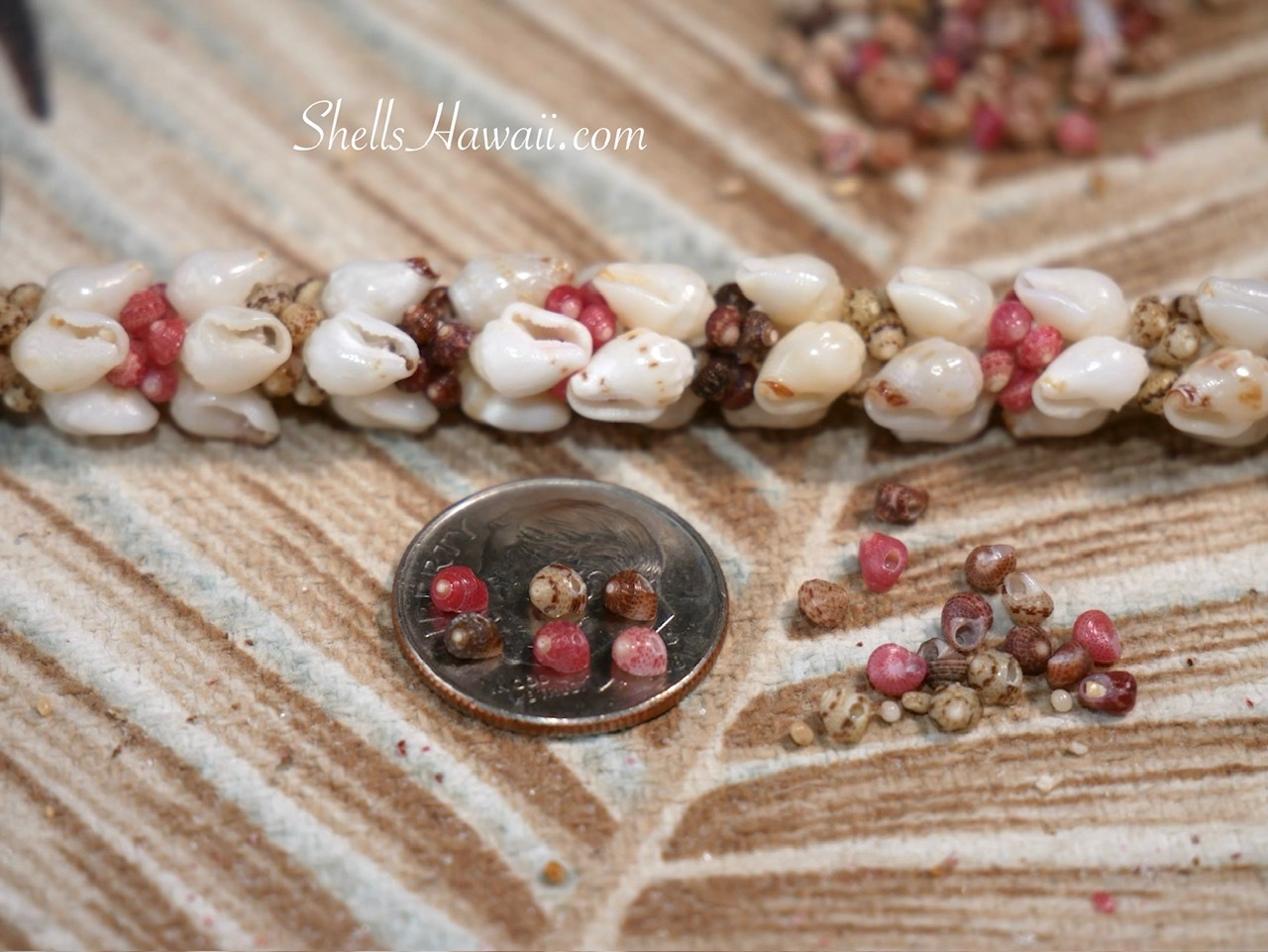
Today, the poking process for the Momi shells went smoothly and worked out the way I planned. I did break a few Momi shells along the way, but the tiny Kahelelani shells were much more difficult.
Because the shells are so small, holding them tightly in the same spot for long periods left my fingers sore, cracked, and bruised from the constant pressure during the poking process. I also broke quite a few Kahelelani shells because sometimes the needle would hit the sand trapped inside the shell at the wrong angle.
How Did My Double-Double Kipona Style Shell Bracelets Turn Out?
Here comes the end of my creation journey for these bracelets. I was able to finish the poking process and complete these beautiful Double-Double Kipona style shell bracelets using the tiny size 10 Kahelelani shells. It definitely took quite a bit of time, patience, and adjusting along the way, but in the end, I think they turned out very beautiful.
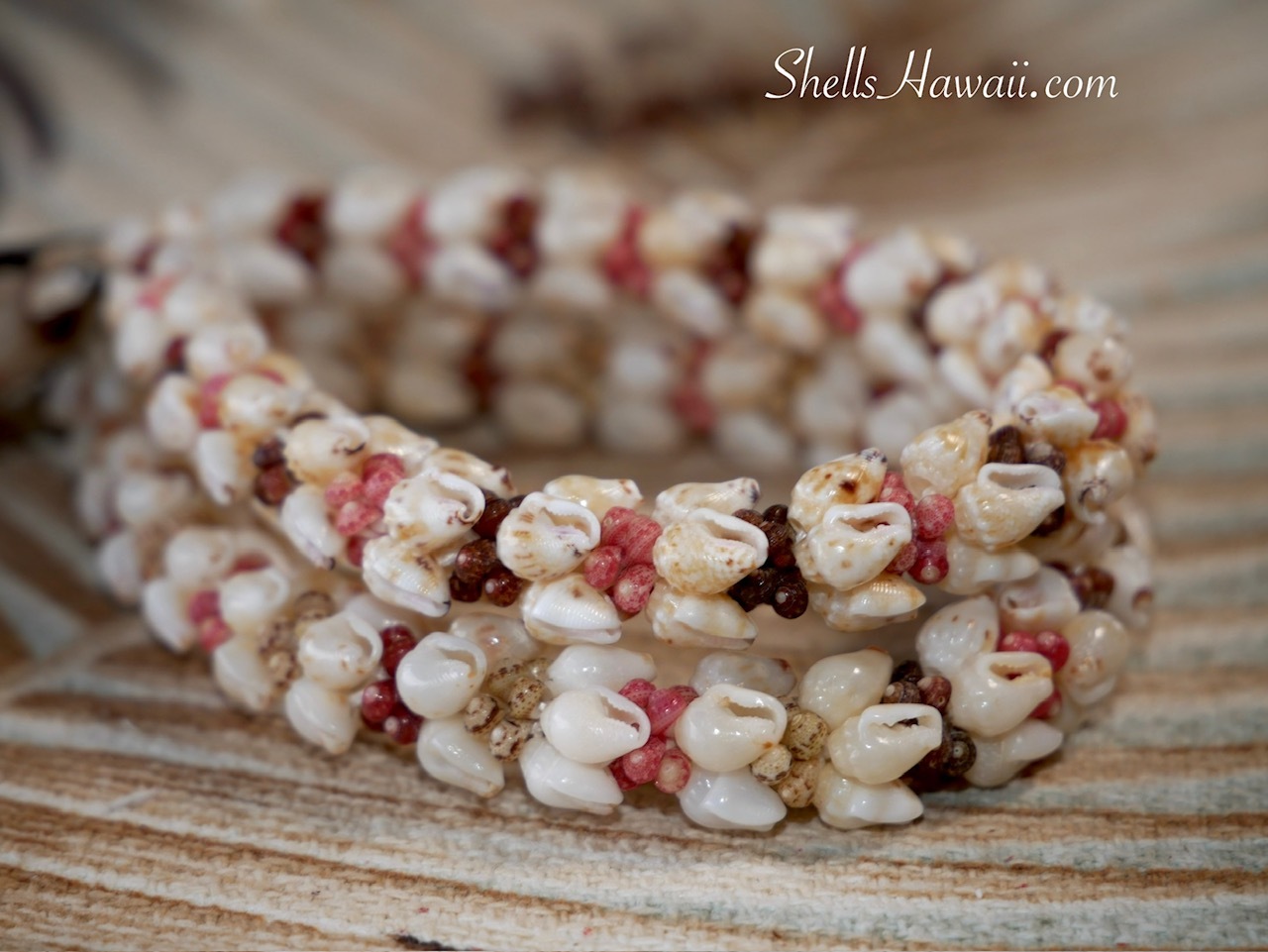
For the finishing touch, I plan to add 14K gold filled safety clasps to give the bracelets a more classic and timeless look. If you would like to see how these bracelets turn out after I add the clasps, please take a peek at my Four Strand Bracelet section. I will do my best to have them updated on my website sometime this coming week.
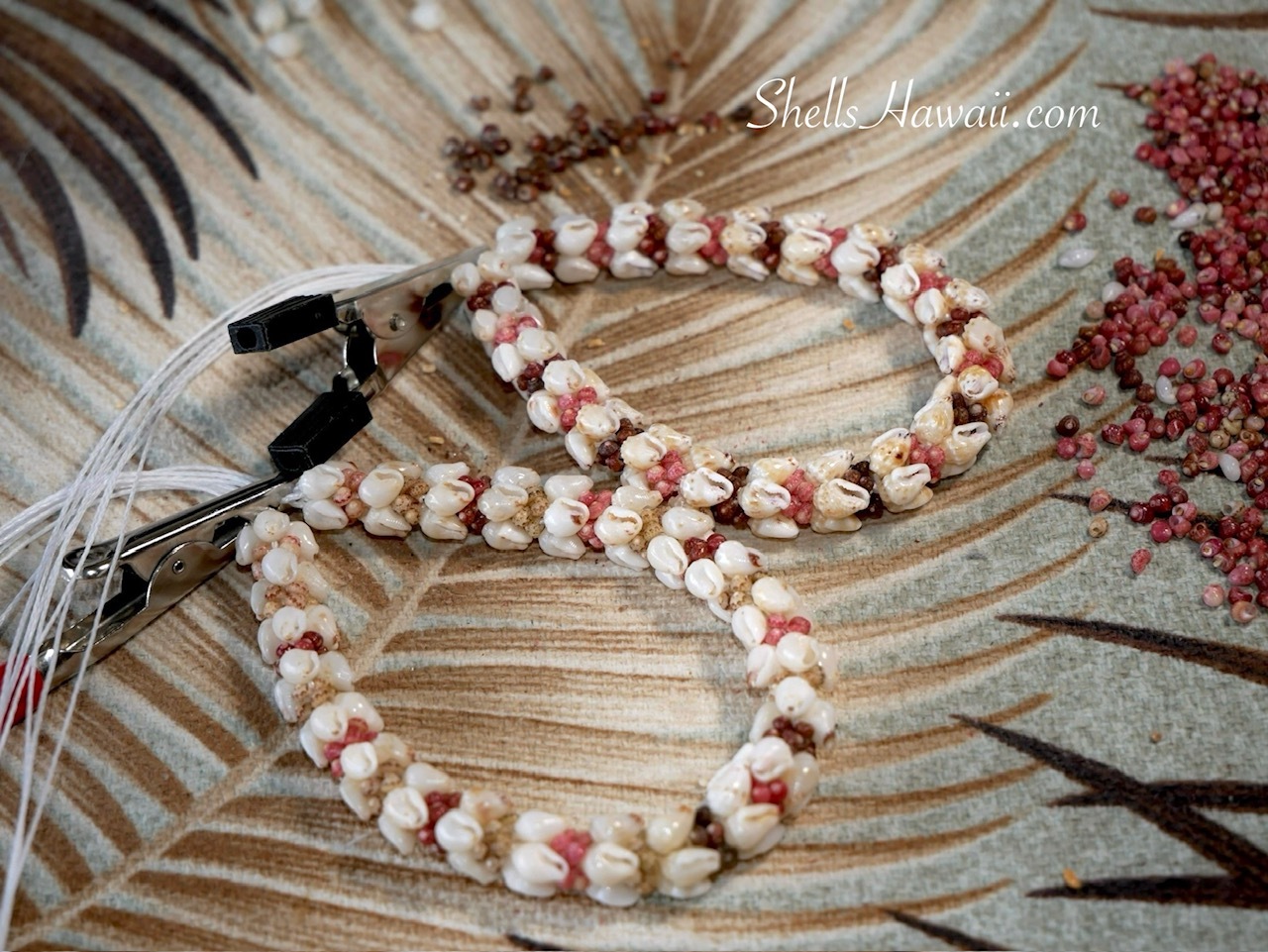
For my next bracelet design, I’m hoping to work with beautiful blue ʻŪliʻuli tones to create another ombre style design. Right now, I’m still hunting for the right brown Kahelelani shells to match with them. I previously created a pair of earrings using these two shell colors in an ombre style, and they turned out so beautiful. They sold not too long after I listed them on my website, and ever since then, I’ve wanted to create a bracelet version using that same color combination. When I finish this bracelet design, it will also be updated in my bracelet category on my website.
Much aloha for following along with me during this creation process. I truly enjoy sharing these little behind-the-scenes moments from my work table with all of you, and I hope you enjoyed spending a little time with me here and will join me again next time on my creation journey.
With aloha,
Janjira