 USD
USD


Aloha and welcome to the ShellsHawaii blog, everyone. If this is your first time visiting my website and reading one of my blogs, I’m truly glad you’re here.
Today I was at my work station planning to create a pair of Momi shell earrings using the Double-Double Pīkake style technique, but somehow both sides of the earrings turned out completely different. I thought it would be fun to share what happened during today’s creation and some of the challenges that came along with it.
If you would like to explore more, you’re always welcome to browse my other blogs and learn more about Niʻihau shell jewelry.
When the Momi Shells Don’t Follow the Same Rhythm
For this blog, we’ll skip the shell preparation part and go straight into what happened at my work table.
When I poke the holes, I’m always very careful about keeping the placement consistent because once the shells are poked and tied together, making adjustments later can become very difficult.
After selecting the Momi shell colors I wanted to use for this pair of earrings, everything matched beautifully. The shell sizes paired nicely together, and I started tying the earrings section by section, checking carefully to make sure everything looked balanced.
At first, the shells flowed beautifully. They formed a soft spiral, and I thought,
“Oh good… this is turning out really pretty.”
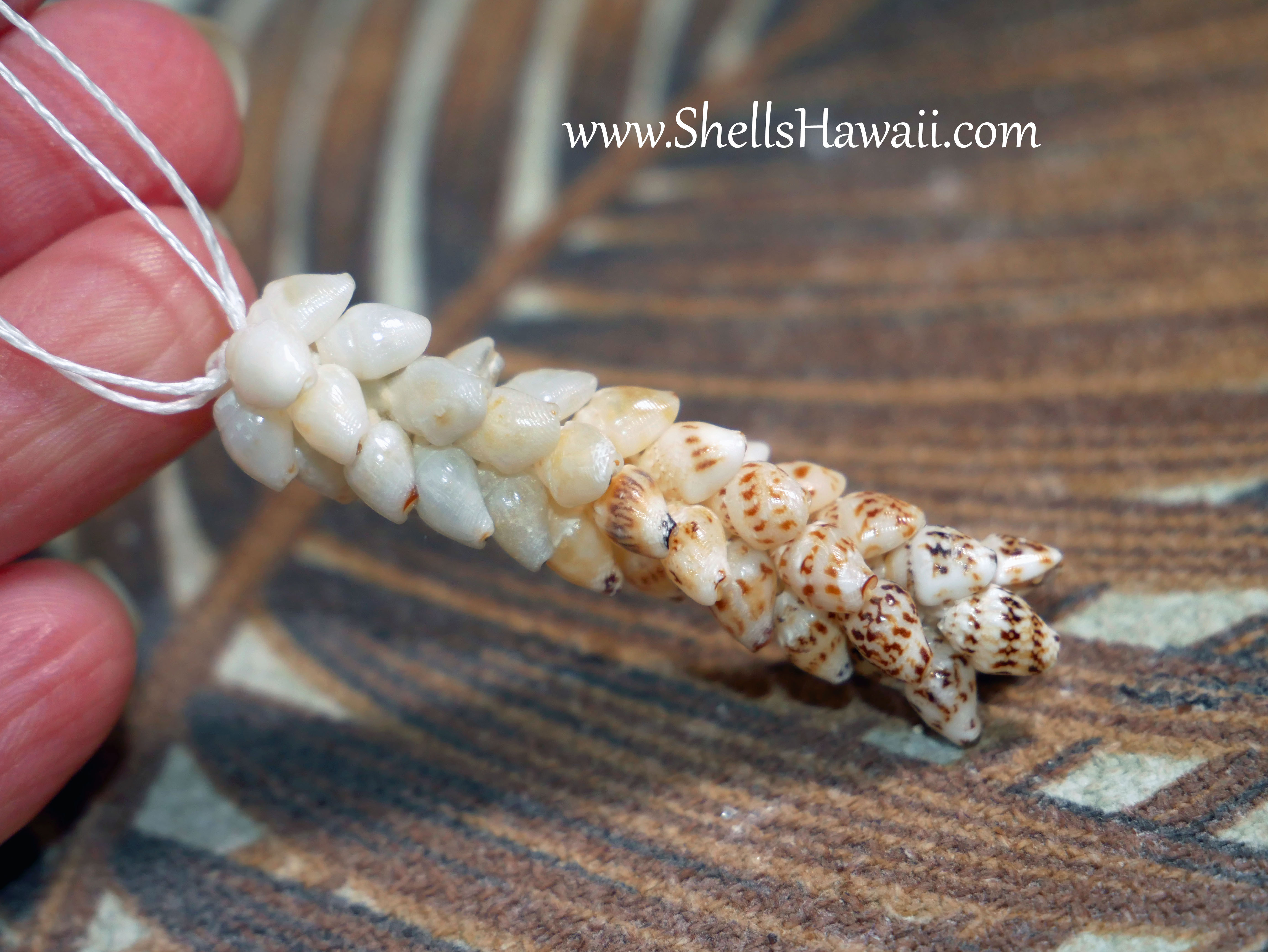
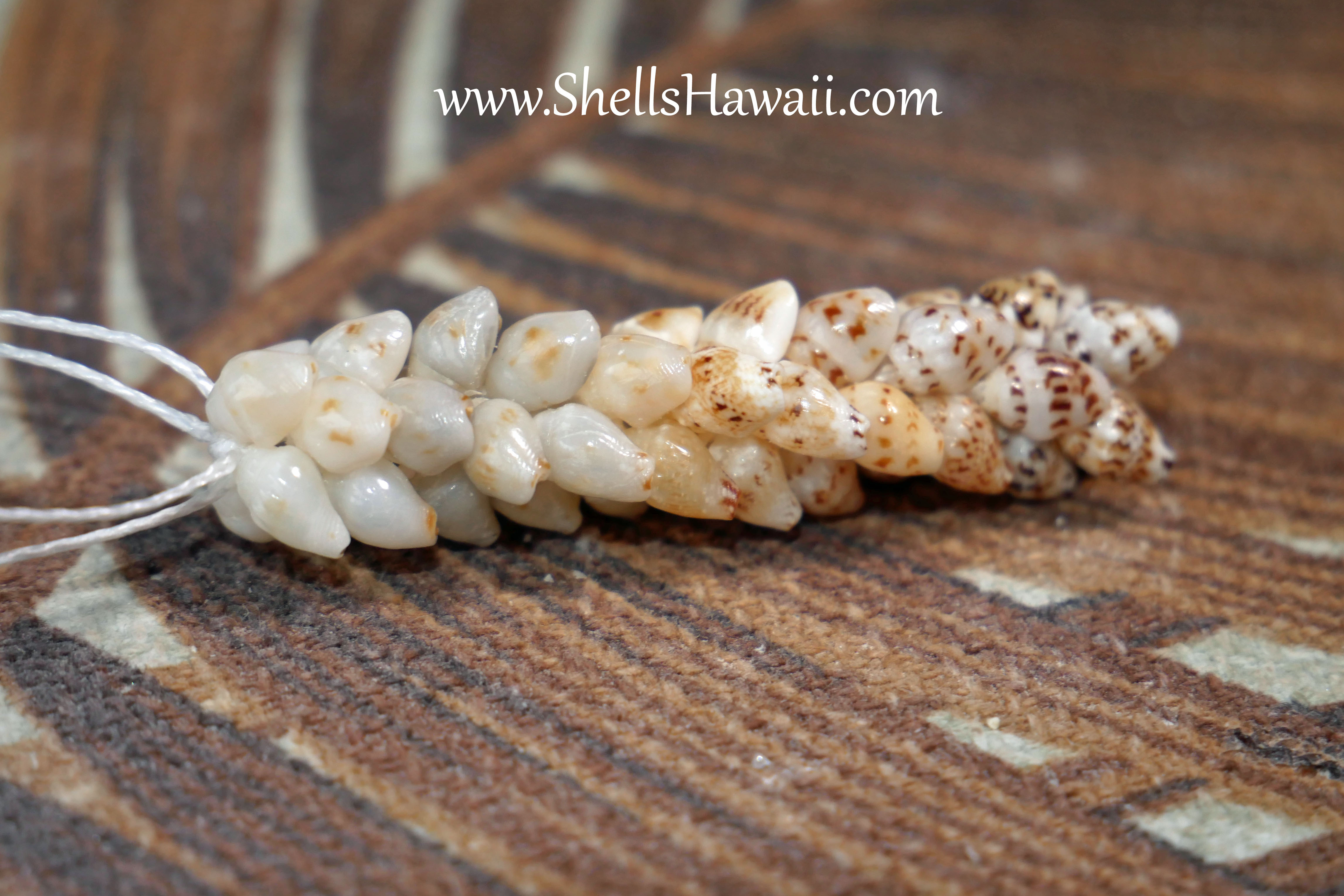
But when I started working on the second side using the same shell sizes, poking style, and tying technique, the rhythm slowly began changing. Instead of forming the same soft spiral pattern, the shells started tightening and stacking into a fuller, more rounded shape.
At first, you don’t notice the difference right away. Everything feels completely normal in the beginning. But as the tying continues, the shells slowly begin showing their own personality. By the middle section, the two sides looked nothing alike — one side soft and spiraled, the other full and rounded.
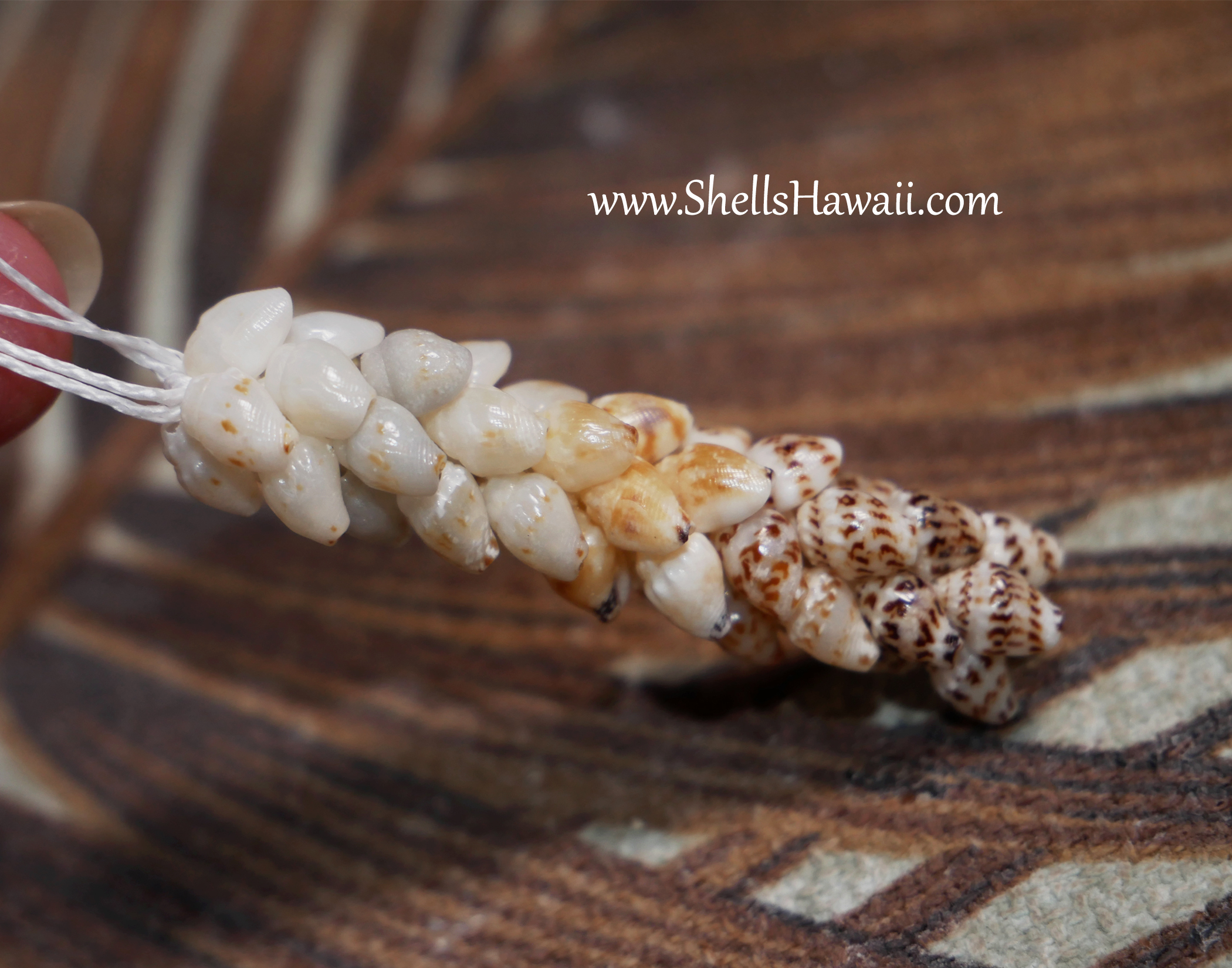
And no, it wasn’t because I tied it incorrectly. I would notice that immediately. What really happened was simple: the shells did not fall into the same rhythm the second time.
Even with careful technique, Momi shells can shift slightly, and in Pīkake-style tying, even a tiny movement can completely change the final shape. That is part of both the challenge and beauty behind creating Double-Double Pīkake styles.
Deciding Which Side to Keep… and Starting Over
Once I noticed how different the two sides looked, I paused for a moment and asked myself,
“Alright… what should I do with this?”
One side was soft and spiraled, while the other became tighter, fuller, and more rounded. They didn’t look related at all.
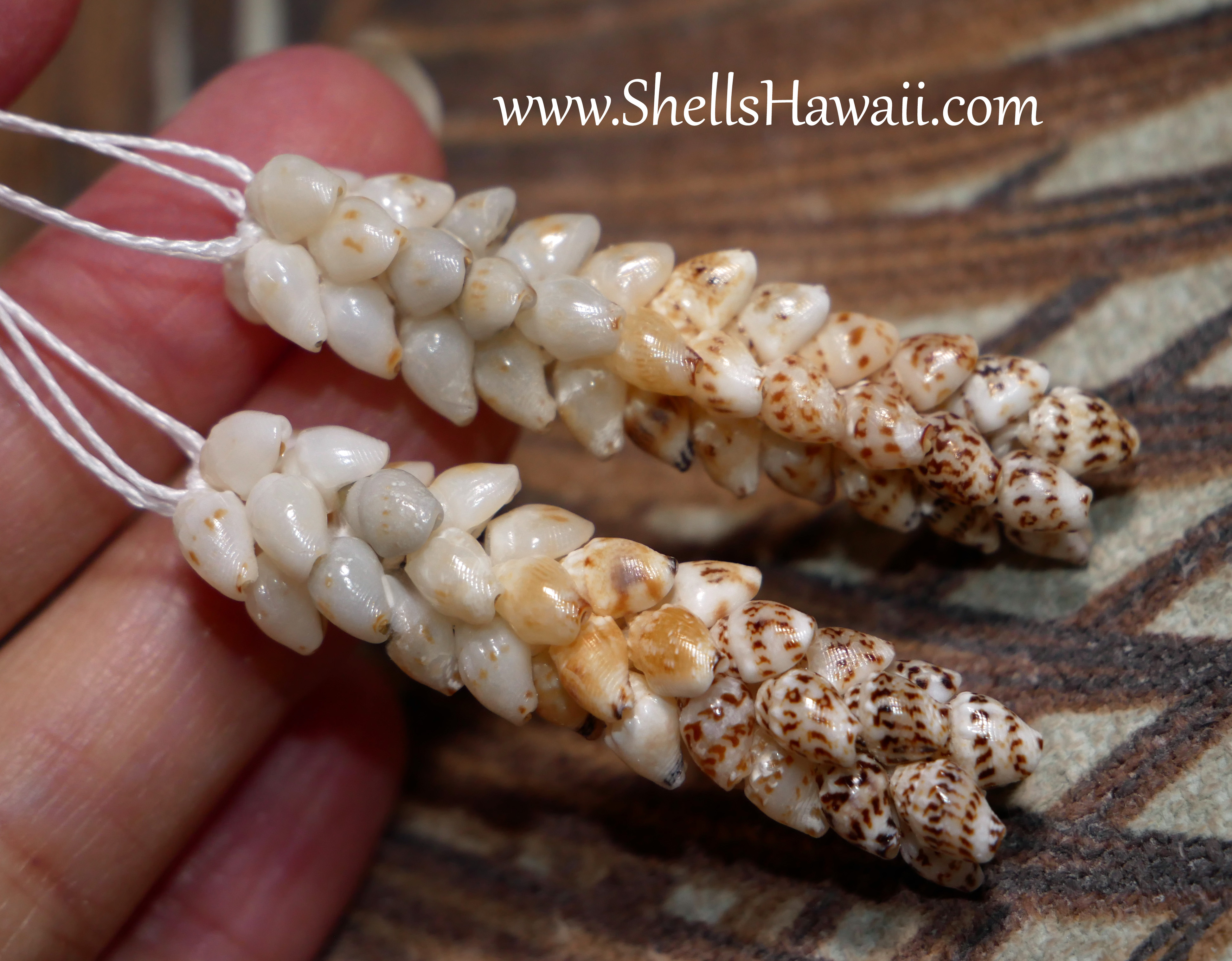
I tried giving the spiral side a gentle twist, hoping it would settle into the same shape as the fuller side. But instead of becoming round, it shifted into an unexpected square shape that surprised even me.
At that moment, all I could really do was smile and shake my head. Sometimes Momi shells simply decide the direction they want to go.
After looking closely at both sides, the fuller version stood out. It had a cleaner and more balanced look for this design, so I chose that side as my guide and carefully untied the first side to begin again.
The second time around, the shells followed the rhythm much better. They locked naturally into place and finally matched the fuller shape I wanted.
And that’s how the pair finally came together.
The Hidden Challenges Behind Double-Double Pīkake Styles
Creating Niʻihau shell jewelry will always come with moments like this — little surprises that appear right when everything seems to be going smoothly. Sometimes a shell may break in a section you already finished, and when that happens, you have to decide whether to leave it or redo the entire area. Personally, I usually take the section apart and redo it properly, even if it takes much longer.
Beautiful shell jewelry rarely comes together perfectly on the first try. Shells can shift unevenly, the rhythm may change, or the string may begin showing slightly. If you finish a piece without any problems at all, that is actually a very successful day.
If you ever notice a piece with uneven movement, visible string, or a section that feels slightly off, many times it simply means something shifted during the process. Sometimes adjusting it further can become very difficult once the shells are already tied together.
That extra time spent adjusting, reworking, and balancing the shells is often part of what gives handmade Niʻihau shell jewelry its refined finished look.
So when I create something meaningful, whether for someone I love or for someone purchasing from my shop, I believe every detail matters. Whoever receives the piece should feel confident knowing I gave the work my full care, patience, and aloha.
In Closing
After experiencing what happened at my work table today, I thought this would be a fun story to share because situations like this really do happen sometimes while creating Niʻihau shell jewelry.
If this ever happens to you, your earrings may suddenly develop two completely different personalities, or even end up slightly different lengths. When that happens, I personally believe the best approach is usually to redo the section and take your time with it.
Niʻihau shell jewelry is all about details — not how fast or how many pieces you can create. Small adjustments matter, and many times the second attempt will teach you something new. That is how you slowly improve your craft over time, not simply by counting how many pieces you have finished.
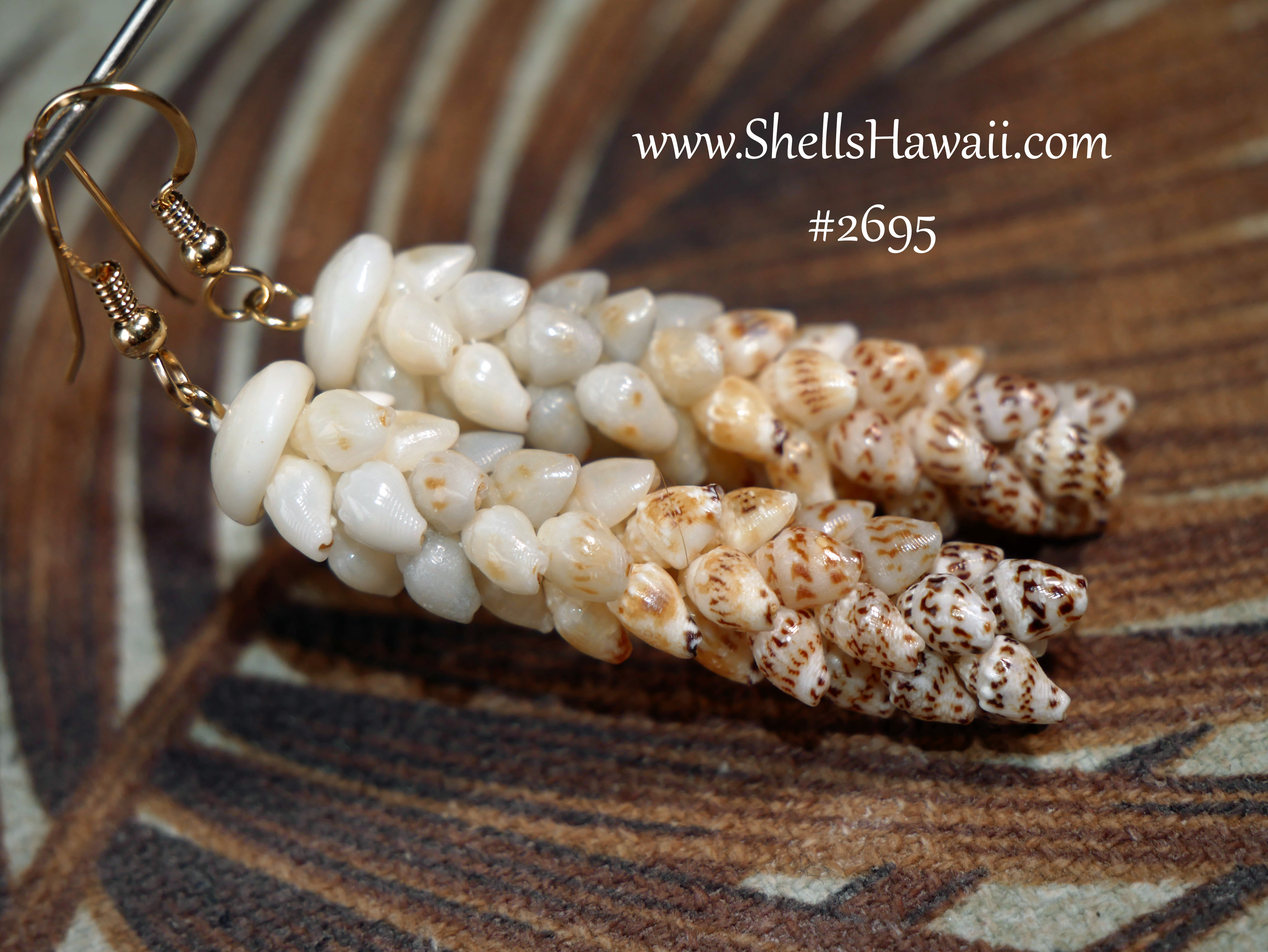
I hope you enjoyed reading my blog today, and I also hope it helped show another side of perspective behind this work. Even after many years of experience working with these tiny shells and understanding how they behave, sometimes things still shift and move in a completely different direction.
Many of the differences you see in finished pieces that appear flawless and effortless often come from little situations like this behind the scenes — small adjustments, reworking sections, patience, and taking the time to keep improving the final piece.
If you’d like to continue learning more about Niʻihau shell jewelry, you’re always welcome to explore my other blogs, behind-the-scenes stories, and finished creations. The earrings used in this example are also available in my shop while they last, since most designs are usually created only one time.
Warm aloha, and I hope to see you here again next time.
Janjira