 USD
USD


Aloha and welcome to the ShellsHawaii blog, everyone. Today I want to talk about something many shell lovers, buyers, and collectors may not always think about — imperfect Niʻihau shells.
When people imagine shell collecting, they often picture a peaceful moment on a Hawaiian beach: warm sun, ocean breeze, the sound of the sea, and shells scattered across the sand. It looks relaxing, even joyful. Many people think, “I could do that all day.”
And in many ways, shell collecting can be peaceful and beautiful. But at the same time, it also takes a great deal of patience, focus, and time. Collectors spend long hours under the Hawaiian sun, carefully walking the shoreline and picking tiny shells one by one from the sand, day after day, year after year.
And it all begins right here.

Before a Finished Piece Ever Takes Shape
For every finished piece of Niʻihau shell jewelry, there are hundreds — sometimes thousands — of shells gathered long before a design ever begins. But even when shells are carefully collected by hand, that does not mean every shell is suitable for jewelry.
Many shells are imperfect.
• Some are naturally thin
• Some are worn smooth by the ocean
• Some may have tiny cracks or chips
• Others are simply too fragile for stringing
What many people may not realize is that a finished piece of jewelry represents only a very small portion of the shells originally gathered. Behind every finished lei, bracelet, or pair of earrings are countless hours spent collecting, sorting, and carefully selecting shells one by one long before the jewelry is ever created.
When you begin to understand this process, you may start to see high-quality Niʻihau shell jewelry differently. You may better understand the time, patience, and care involved — and why some exceptional pieces are treasured within private collections or worn for generations rather than easily found for sale.
Not every shell collected becomes jewelry.
And not every finished piece is meant to be sold.
How Imperfect Shells Are Sorted and Understood
When I receive loose shells, they always arrive with mixed quality. This is completely normal in the shell world. The overall quality, colors, and quantity of shells often affect the price of each bag.
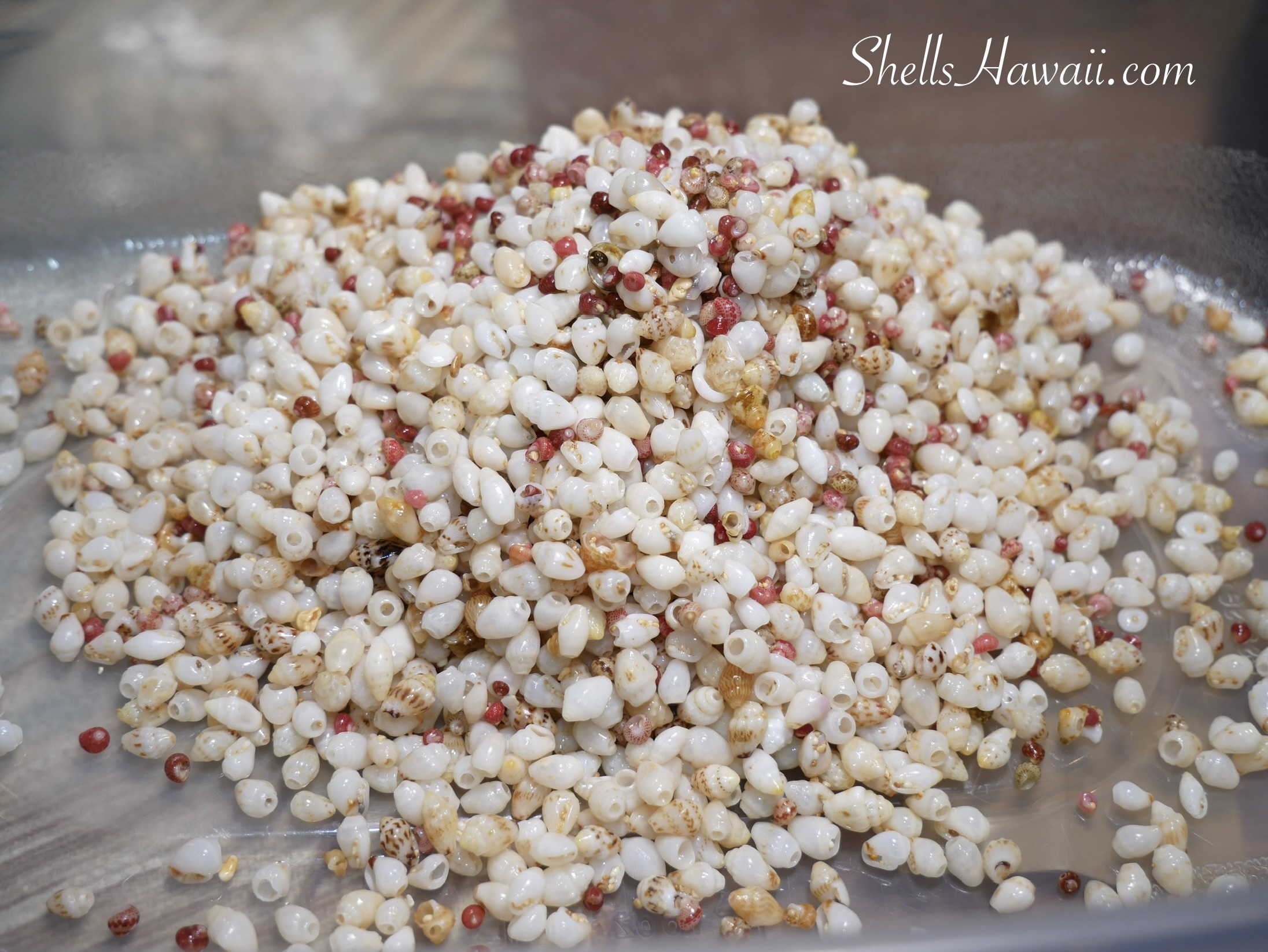
Once the shells arrive, they are carefully sorted:
• Imperfect shells are separated and set aside
• Stronger shells suitable for jewelry are selected with care and often understood as A, B, or C grade shells based on their overall quality and condition
• In my own creations, I personally prefer using A grade shells
• I also offer B and C grade shells to many people who are just beginning their journey learning about Niʻihau shells and jewelry making, helping keep the shells more affordable while they practice, learn, and slowly work their way toward using A grade shells in the future
This process takes time, patience, and attention before any shell is ever used. In the shell world, there is no strict universal grading system. Much of it comes from experience, handling, and understanding what the shells can realistically be used for. My hope is simply to help create a clearer understanding of shell quality for people learning about Niʻihau shells and jewelry.
What I Do With Imperfect Shells
Once the good quality shells are sorted and set aside, many people may wonder what happens to the imperfect shells that were removed during the sorting process.
When I lived on Kauaʻi, I used to return my imperfect shells back to the ocean. At the time, that felt right to me. Later on, I found another path for them that felt just as meaningful.
Over the years, I began giving imperfect shells to people who truly appreciated them.
Some shells were used for:
• School projects, especially in Hawaiʻi
• Learning and study
• Art and creative work
• Small keepsakes and collections
• Aquarium homes for tiny crabs
Usually I give away many film canisters at a time, which can add up to a surprisingly large amount of shells from just a couple of my loose shell purchases, and seeing the shells continue to be appreciated and used in different ways always makes me very happy.
And yes, imperfect shells are still paid for. Even when they are not suitable for jewelry, there is still time, labor, and value behind them. That is one reason why it can sometimes be difficult for collectors or creators to simply leave shells behind or choose not to use them.
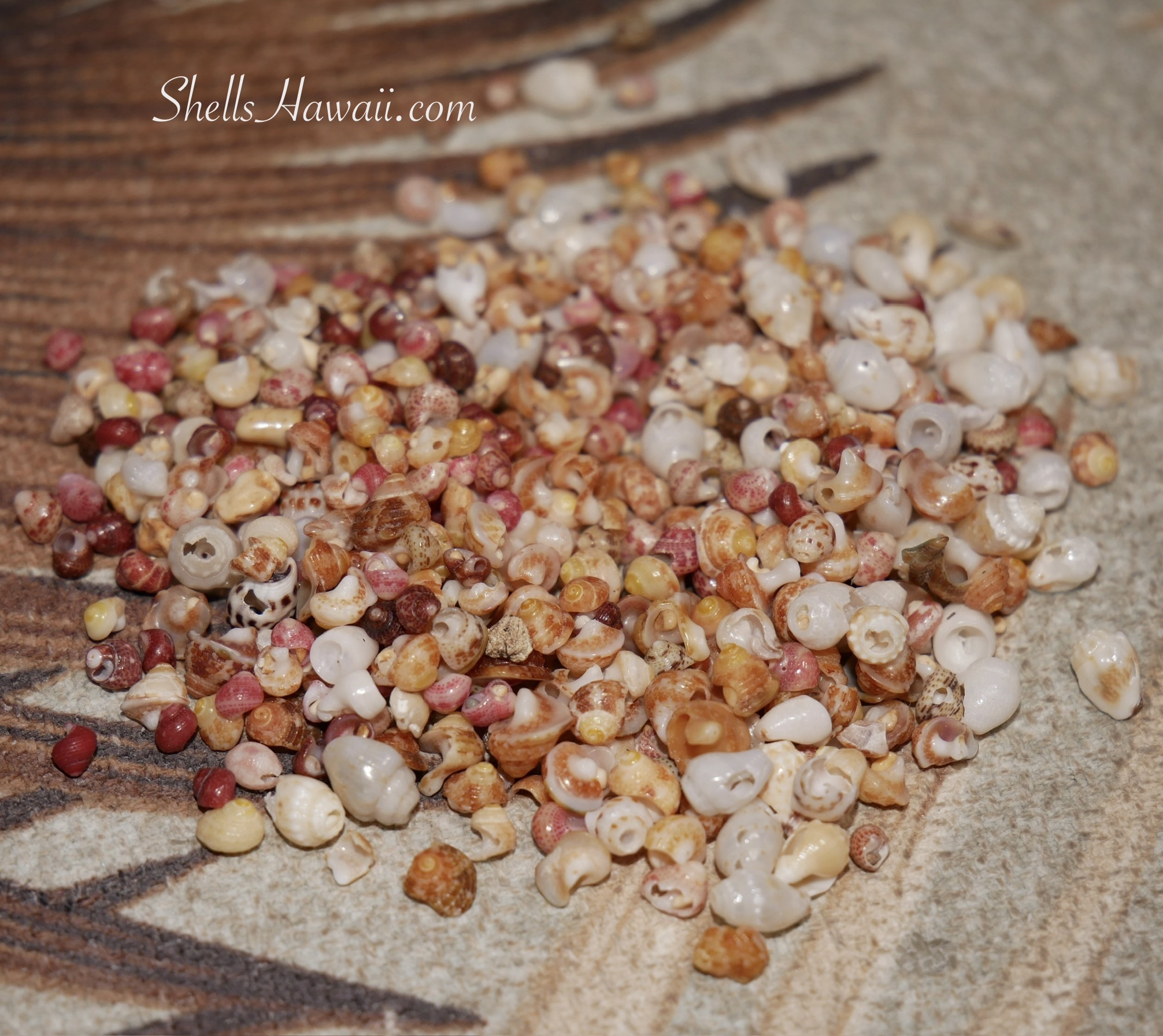
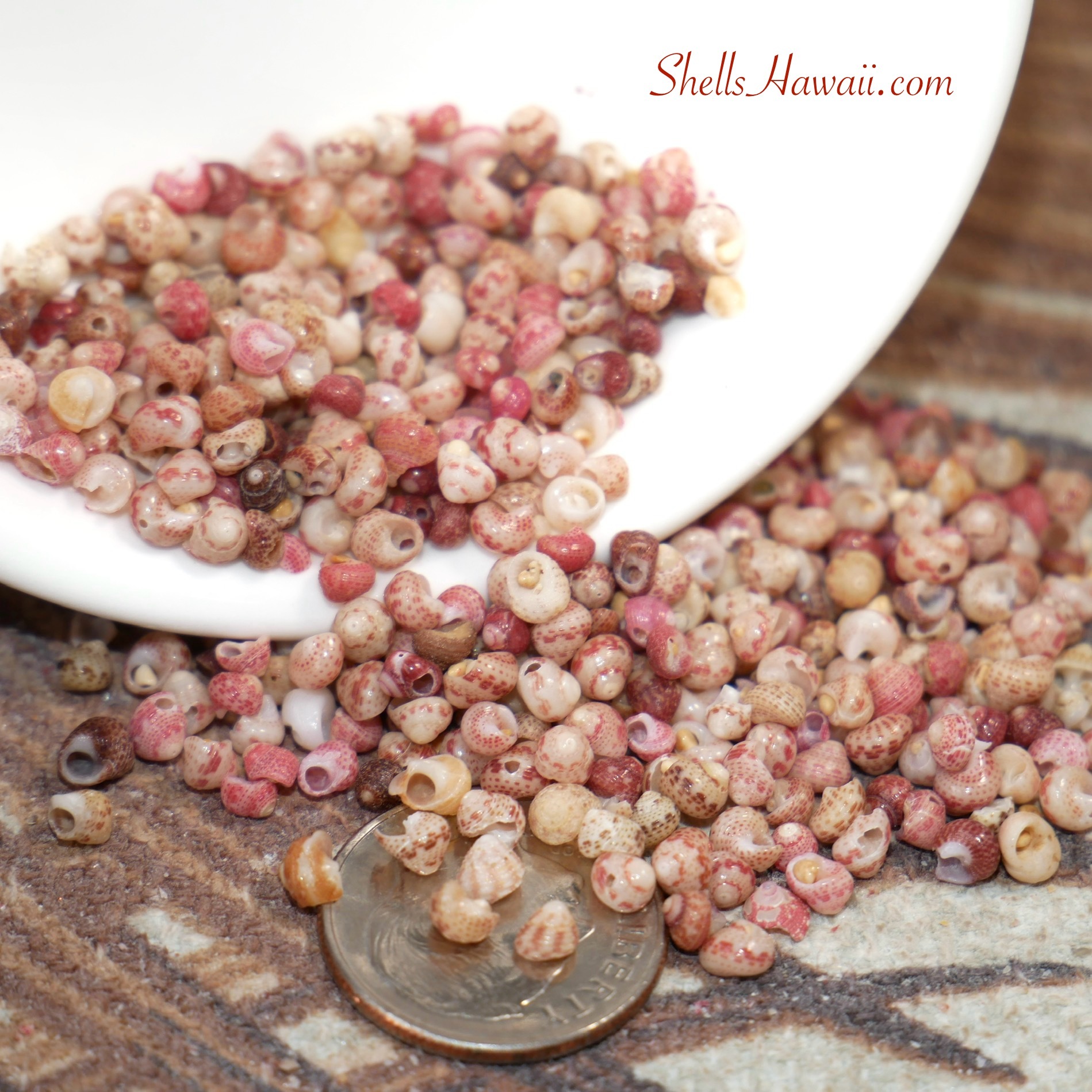
Choosing not to use imperfect shells in my own creations is simply my personal preference. In my own jewelry, I personally choose to use A grade shells. At the same time, there is absolutely nothing wrong with artists or collectors using B or C grade shells as well. Every shell has its own natural beauty.
I believe what matters most as a seller is being honest and transparent about the shell quality, so customers understand what they are purchasing. That way, if they ever speak with someone who has more knowledge or experience with Niʻihau shells, they can feel comfortable and confident knowing exactly what they have.
In the end, if the buyer understands the shell quality and truly loves and appreciates their jewelry, that is what matters most.
I hope today you have a little more understanding of what is considered imperfect shells, how they may look, and what I personally do with the shells that I choose not to use in my jewelry.
With warm aloha,
Janjira