 USD
USD


Aloha everyone, and welcome to ShellsHawaii blog. This must be one of the questions I most frequently receive from customers:
"What do you use to make your Niʻihau shells so shiny?"
Whenever I receive these messages or emails, it always makes me smile because I completely understand why people ask. The shine on some Niʻihau shells can be quite noticeable in photos, especially when they are compared to shells from other locations.
A lot of the time, people have never had the opportunity to see loose shells or finished jewelry side by side that were created using shells originally collected from Niʻihau, Kauaʻi, or other Hawaiian islands. Because of that, it can be difficult to see the differences in natural luster, shell wear, color, and overall appearance.
So today, I would like to help answer this question a little more. If you have not yet had a chance to read some of my other blogs about shell grading, shell quality, I will also include a highlighted link within this article. Those blogs may help give you a better visual understanding of how much natural luster can vary from one shell to another.
Shells collected from Niʻihau beaches often have a beautiful natural shine. This natural luster is one of the signatures of Hawaiian seashells and is especially noticeable in shells gathered from many areas around Niʻihau, where their shine exists alongside a bright and beautiful variety of natural colors. That shine is not something added later — it is created by the ocean itself, shaped by fine sand, waves, and time.
At the same time, not all beaches and not all shell colors produce shiny shells. Some shells get beaten up for months or even longer by rough sand and strong waves. When you think about their journey, you almost feel sorry for them. I honestly say that to my shells sometimes when I am sorting them into B grade, C grade, or even the imperfect pile.
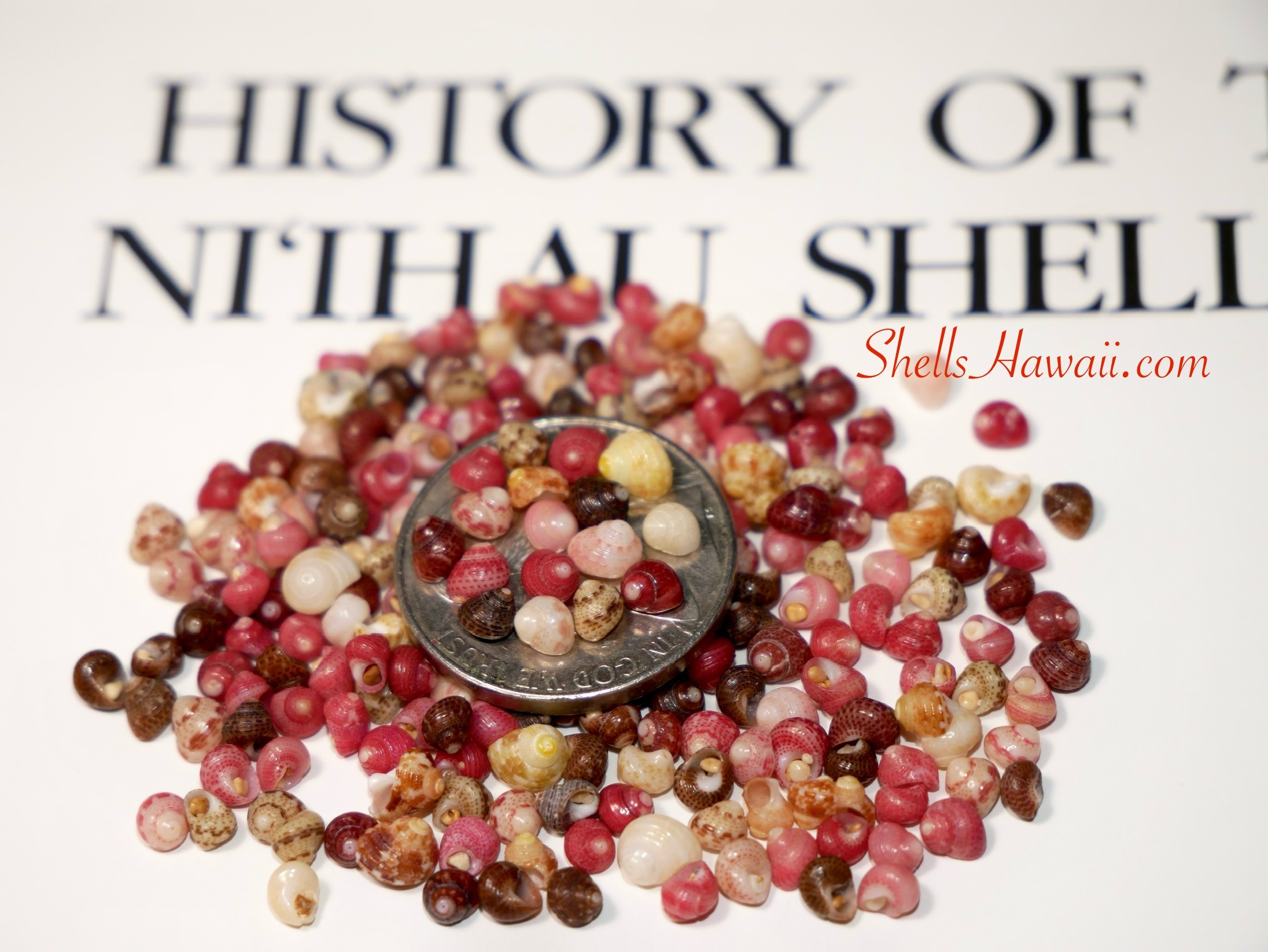
About That Shine Everyone Asks About
Many people assume I polish my shells, coat them, or apply something to create that shine. The simple answer is no. There is no oil, polish, resin, varnish, or coating added to shells originally collected from Niʻihau Island to make them shiny. The luster you see is natural.
But I would also like to mention something important. Based on my own hands-on experience purchasing large quantities of shells collected from Niʻihau and working with them every day for many years, I have learned that not every shell collected from Niʻihau beaches has brilliant luster.
Most do, but not all.
Kahelelani shells, for example, can sometimes have a softer or more matte appearance depending on which beach they were collected from. The same is true for Momi shells. Not every shell collected from Niʻihau beaches will have the same level of shine. Much of that depends on the beach environment, the sand conditions, and how the waves have naturally tumbled and shaped each shell over time.
Side by side comparison of green ʻŌmaʻomaʻo Kahelelani shells and red burgundy ʻUlaʻula Kahelelani shells collected from different beaches on the island of Niʻihau.
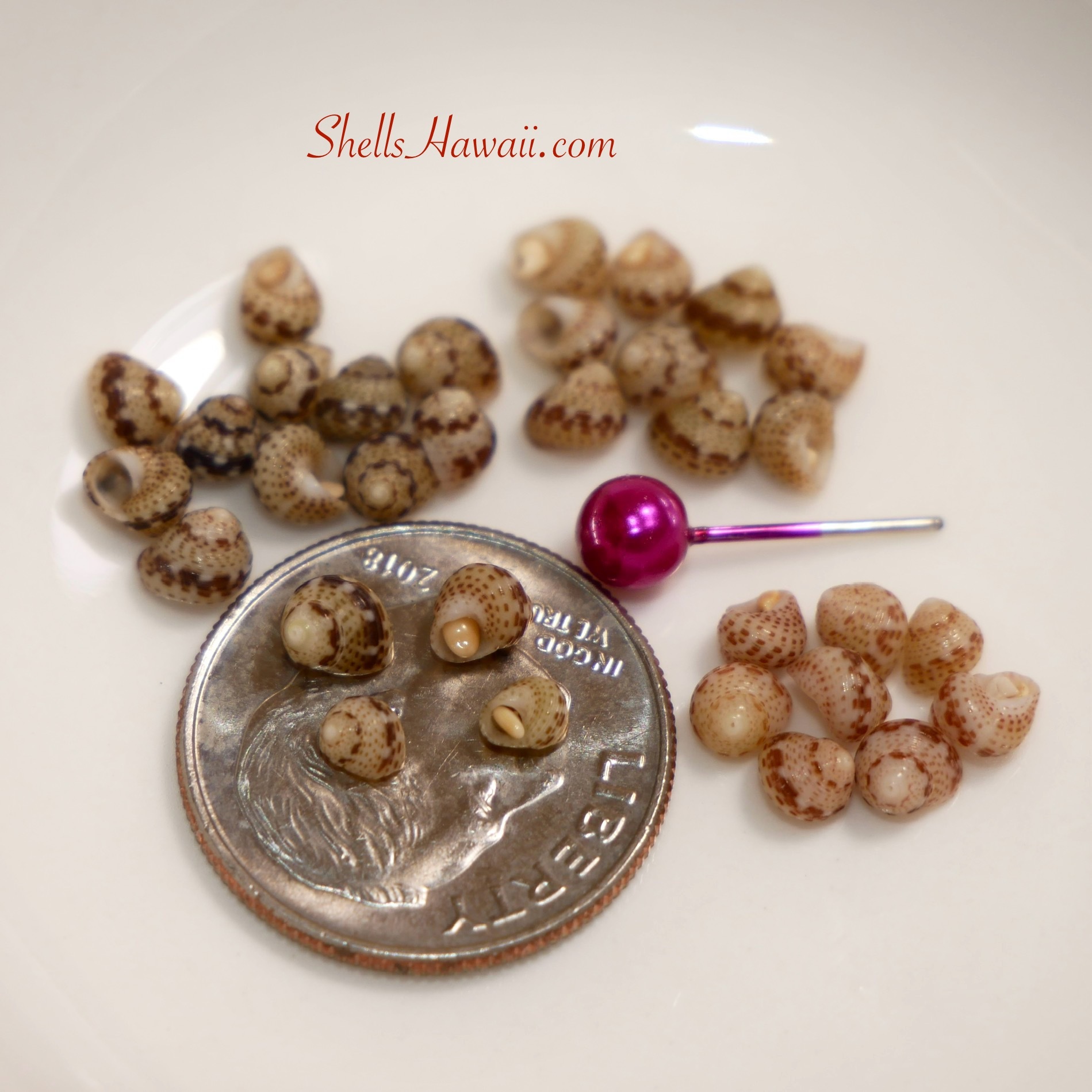

Even though both sets are genuine Niʻihau shells, you can see how different the natural luster can be depending on where they were collected. The green ʻŌmaʻomaʻo shells often have a softer matte-like finish, while the red burgundy ʻUlaʻula shells can show a brighter natural luster and shine.
This is one of the reasons I carefully grade my shell supplies. Even though most of my shells are collected from Niʻihau Island, I still sort them into A, B, and C grades based on factors such as luster, shell condition, thickness, color quality, and overall appearance.
If you would like to learn more about shell grading and see side-by-side comparisons, you are welcome to click on the highlighted shell grading article, where I explain the differences in much greater detail.
Do Shells from Other Hawaiian Islands Have Natural Luster?
Absolutely.
Yes, shells collected from other islands such as Oʻahu, Kauaʻi, Maui, and other Hawaiian islands may still hold beautiful natural luster. Much of it depends on the beach where the shells were collected. One of the biggest factors is how fine the sand is on that particular beach.
In my early years of collecting shells on Kauaʻi, I began noticing differences in luster depending on which beach the shells came from. Some beaches had very fine sand, and the shells seemed to hold their luster extremely well. Other beaches had rougher sand, and the shells often appeared softer or more matte in comparison.
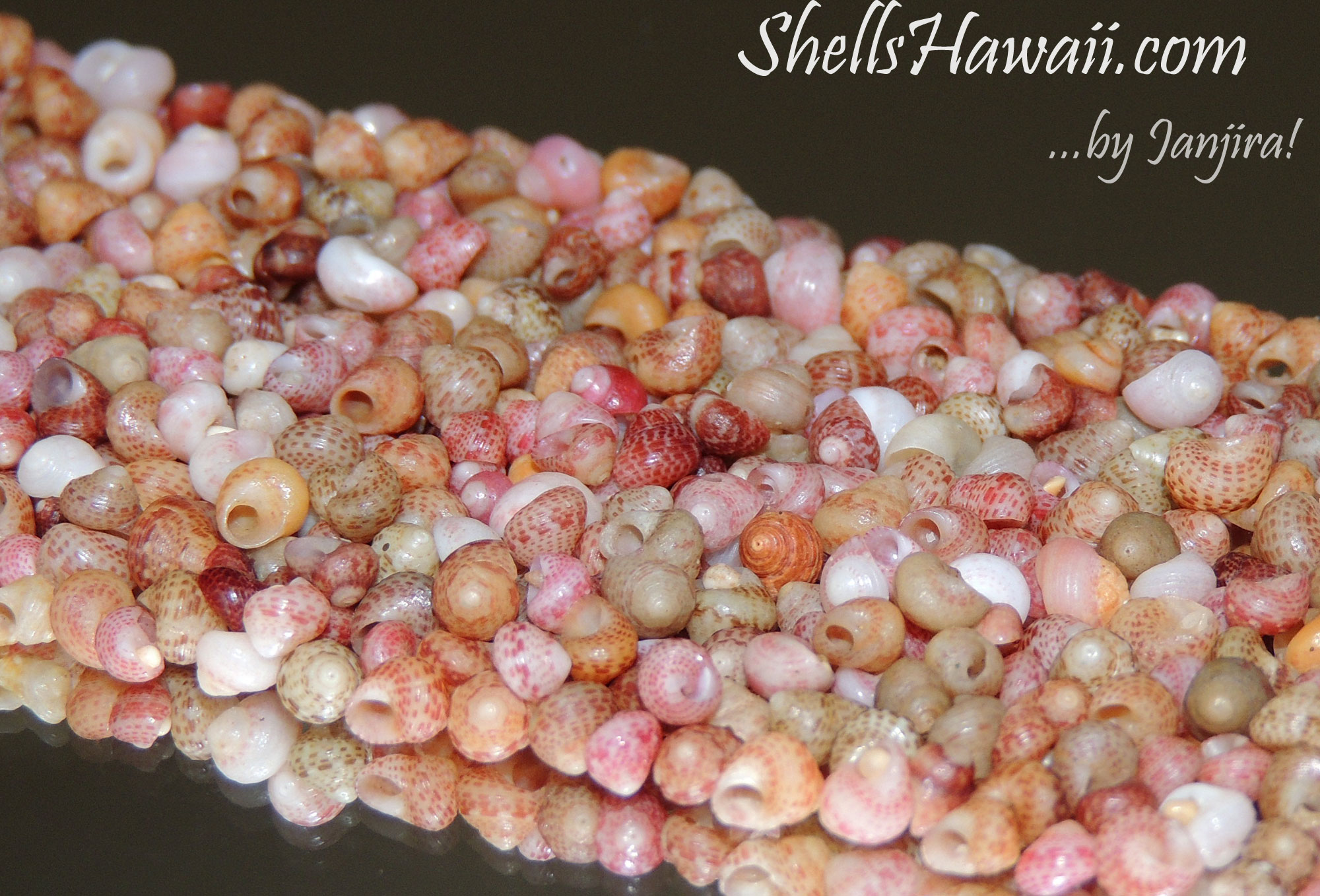
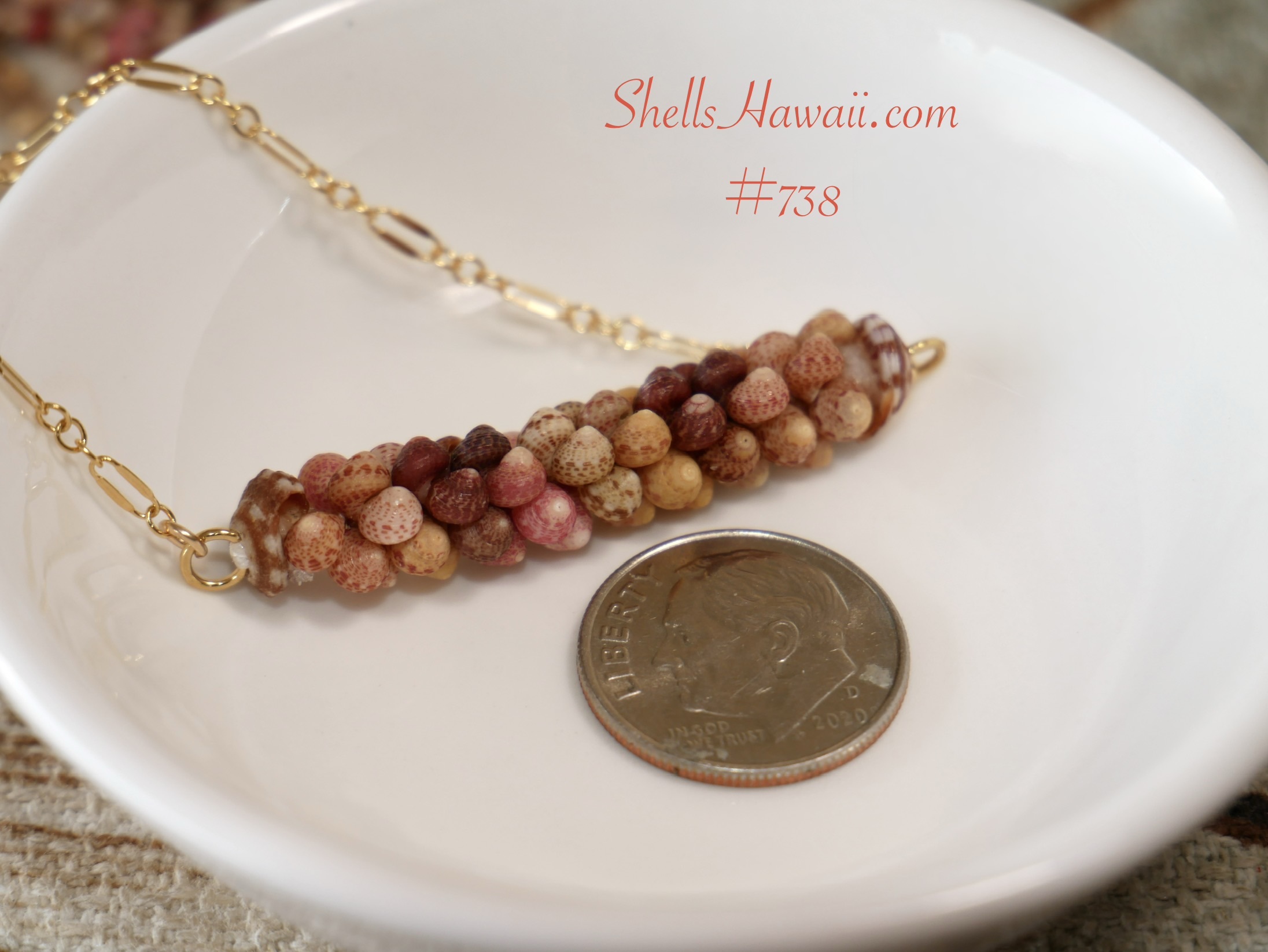
One possible explanation is that fine sand may play an important role in helping shells maintain their natural luster over time. Beaches with fine sand can be gentler on shells, helping preserve their surface and natural shine. In contrast, rougher sand, stronger surf, rocks, and constant shell movement may cause shells to appear more worn over time.
This is one of the reasons I find shells so fascinating. Even shells of the same species collected from beaches with different environments can develop very different colors, luster, and overall appearance. Each beach helps shape the unique beauty and character of the shells found there.
Why I Occasionally Use Mineral Oil
And if you ask me honestly whether I use mineral oil — yes, I do. Mostly with Sunrise shells, and sometimes with Kahelelani shells collected from Kauaʻi.
I occasionally use a very small amount of mineral oil to gently remove dust from the poking process or to refresh very dry shells. It can help restore a little of their natural color while keeping the shells looking natural.
The side-by-side photos of Hawaiian Sunrise shell shown here are before and after I gently applied a very small amount of mineral oil to the shell. You can see how different the shell may look when mineral oil is used lightly and carefully without overdoing it.
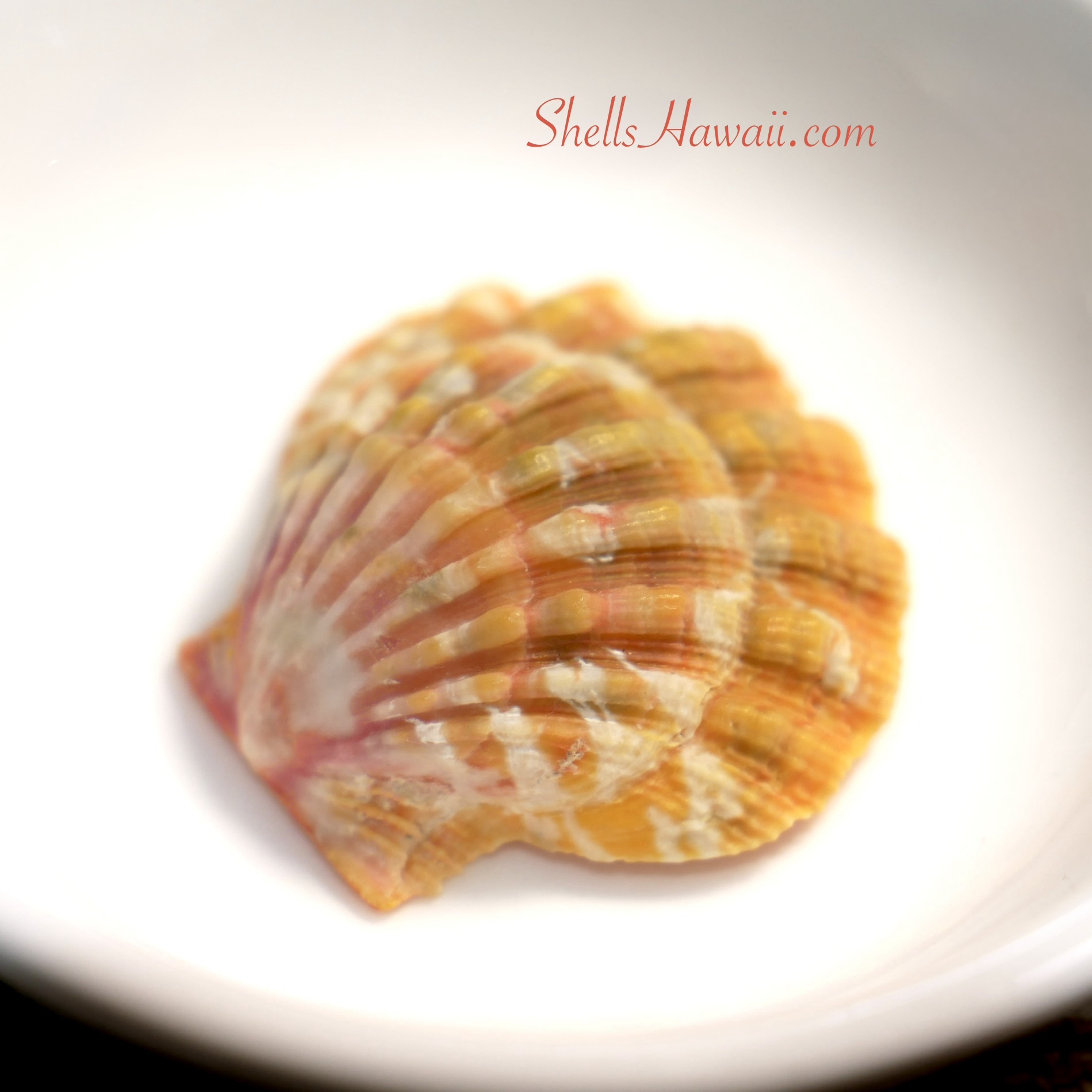
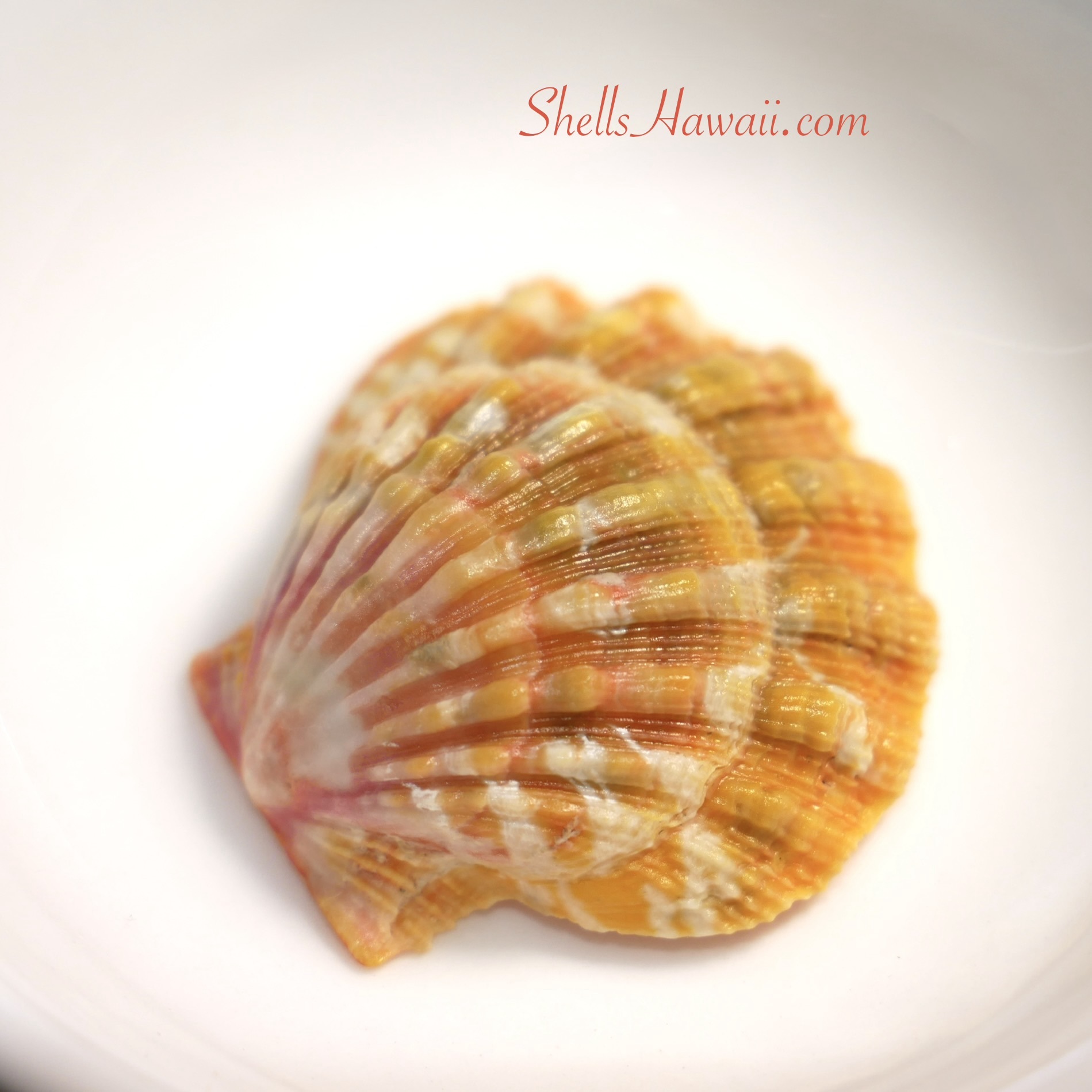
If you see shell photos with a luster that looks almost wet, there is a good chance a generous amount of mineral oil has been applied. A shell's natural luster should reflect light beautifully without looking wet.
Many shells collected from Kauaʻi and other Hawaiian islands, especially those gathered from rough sand beaches, naturally have a softer, matte appearance. No matter what you do, they often return to that natural look over time — and that is not a bad thing at all. A matte finish has its own quiet beauty. The shells are still genuine, still full of character, and still beautiful in their own way.
Mineral oil has long been used by shell collectors because it is neutral, colorless, and stable. When used sparingly, it does not react with the shell, permanently coat the surface, or add artificial color. Unlike some plant-based oils, it does not spoil over time and can be removed with mild soap and water if desired.
Like anything else, moderation is important. Applying too much mineral oil can leave the shell looking unnaturally wet and may attract dust over time. A very light application is usually all that is needed to refresh the shell while preserving its natural appearance.
If you decide to use mineral oil, start by cleaning the shells first. Wash them gently with mild soapy water to remove dirt, dust, or residue. After the shells are clean, dry, apply a very light coat of mineral oil using a soft cloth, cotton ball, Q-tip, or small brush. Allow the oil to sit briefly, then gently wipe away any excess with a clean cloth.
Whether or not mineral oil is needed often depends on where the shells were collected. As I've shared in past blogs, there is a difference between Niʻihau shells and shells collected from Niʻihau beaches or Kaua'i beaches. Understanding that distinction helps explain why some shells need nothing at all, while others may occasionally benefit from a little gentle care.
Caring for Shells So They Last
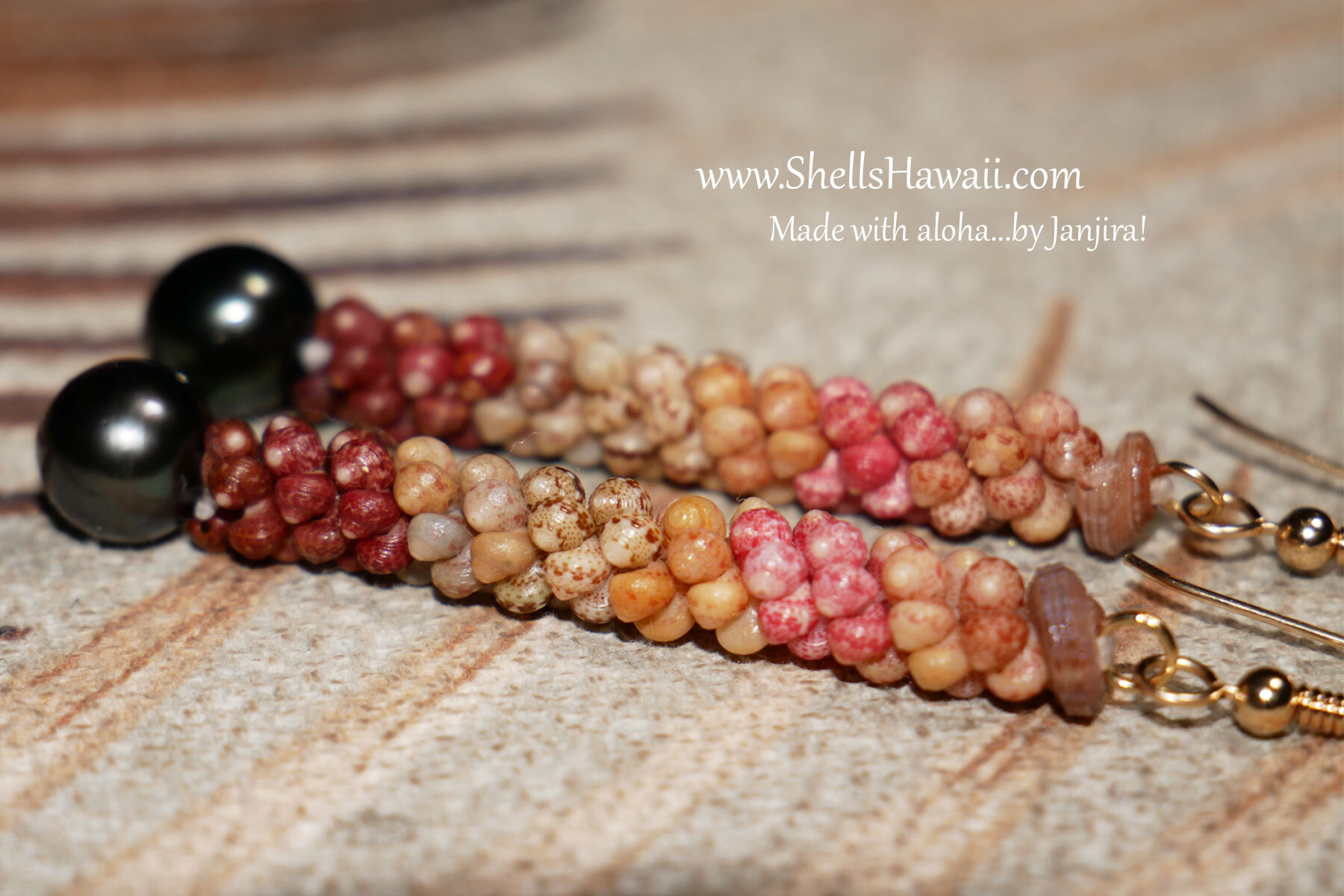
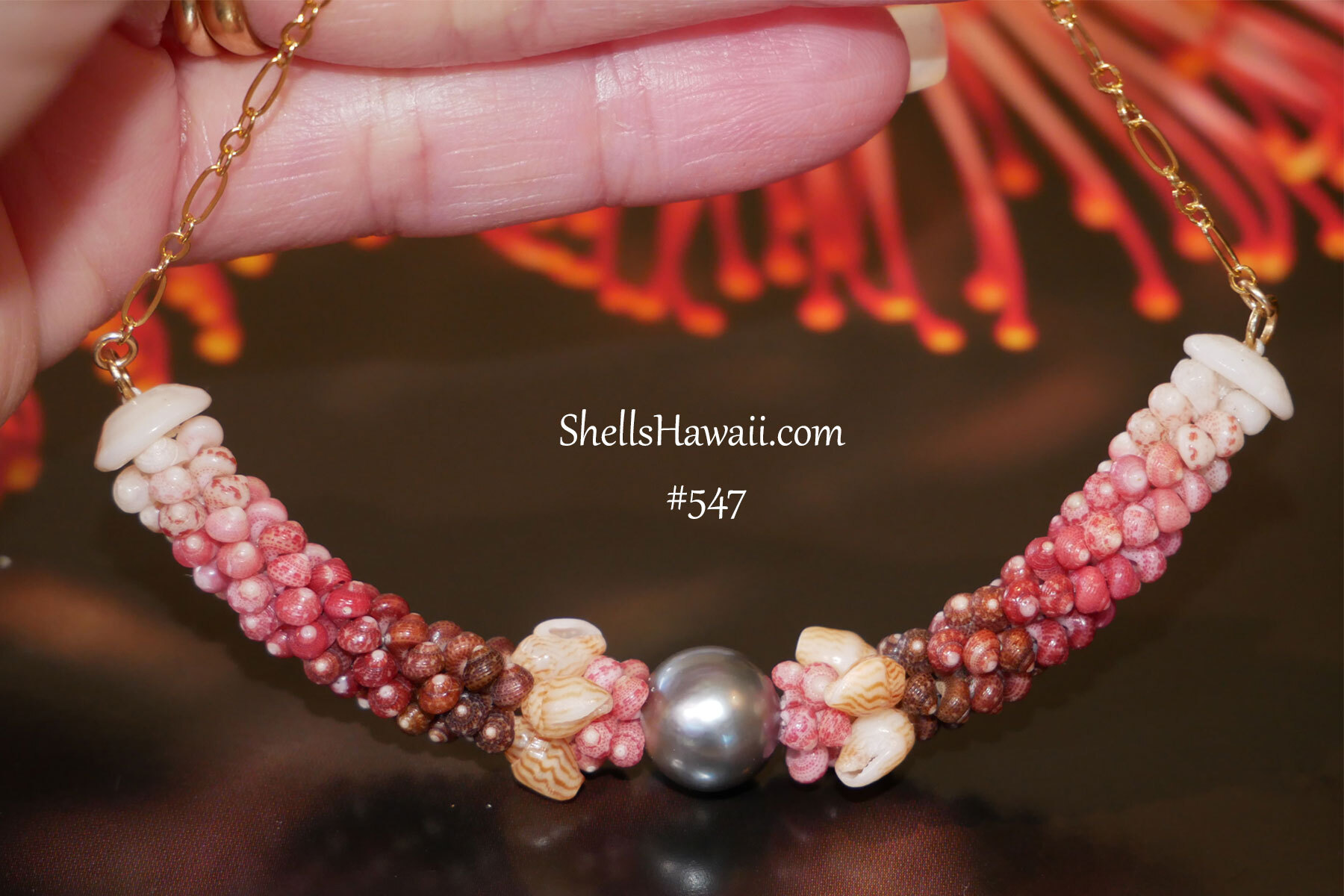
Like anything else, oil, body lotion, perfume, and everyday products can get onto your jewelry and shells over time. The best way to clean them is simple — gently wash with water and mild soap, rinse well, place them on a towel, and let them dry naturally. After that, put them away nicely.
Many people ask what they should be aware of, or what they should avoid, to help their Niʻihau shell jewelry last longer.
If you would like to learn more about caring for your jewelry and helping it last longer, I also share additional information in my blog, "Niʻihau Shell Jewelry — What Should You Avoid to Help It Last Longer?"
To Answer Your Questions
I hope the information above has helped answer some of the curious questions you may have had when looking at Niʻihau shell jewelry online, browsing loose shell supplies, or seeing shell jewelry in Hawaiian shops and island craft fairs.
If you would like to continue learning more about Hawaiian shells and Niʻihau shell jewelry, you are always welcome to explore my other blogs, browse my loose shell supplies, or take a look at some of my finished jewelry creations. I hope you find something that inspires you or helps answer even more of your questions.
Much aloha,
Janjira